
Film
Election
Other titles called Election: the 1999 film.
Johnnie To's Hong Kong crime masterpiece: a lean, intelligent thriller about power and ritual within the triad underworld. When a gang leader loses a chairmanship election, he pursues the dragon-head baton—the symbol of authority—through escalating violence. It's cool, restrained filmmaking with superb ensemble work, treating criminal bureaucracy with the gravity of state politics.
Should you watch it?
Watch it if you like crime stories built on power games, where the menace comes from slow political manoeuvring and sudden flashes of violence rather than car chases, and you enjoy Johnnie To's cool, precise framing.
Skip it if you need fast pacing or a clear hero to follow, since the story is a long, talky manoeuvring of men in dark suits who rarely feel like individuals.
What it asks of you: Roughly 101 minutes of unhurried scenes where ritual, loyalty and quiet glances carry more weight than speed, so the slower stretches need your patience.
Not sure? Find tonight's pick in a minute.
If you liked this
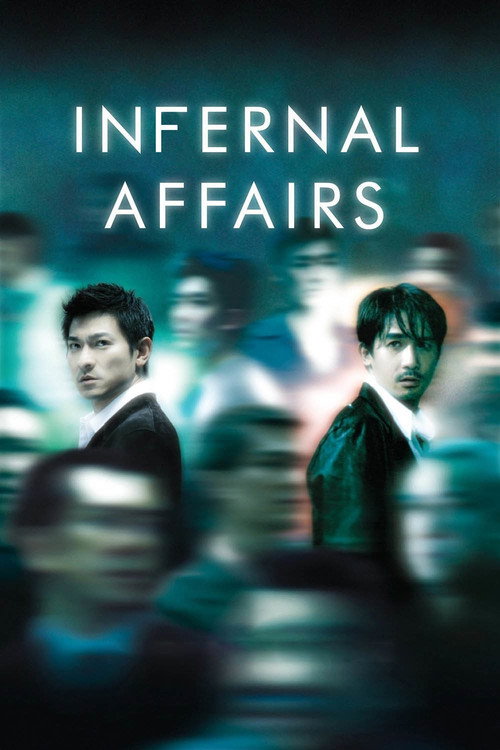
Infernal Affairs2002
A Hong Kong crime thriller equally concerned with police procedure and moral ambiguity. Both films use institutional structure to explore what power costs, and both feature Simon Yam in complicated, pivotal roles that don't play as expected.
But It's more famous and satisfying as a complete narrative arc. If you're watching Election first, Infernal Affairs can feel like it's answering questions you haven't asked yet.
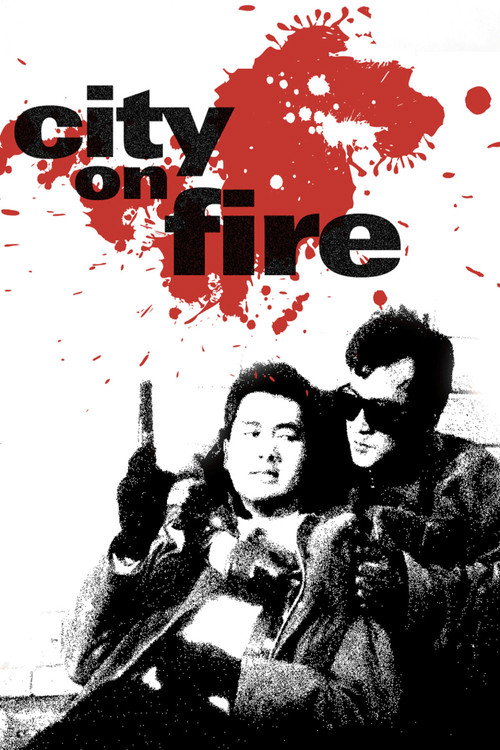
City on Fire1987
Ringo Lam's prototype for the cop-and-criminal-so-close-they-almost-merge story. Like Election, it's built on tension between individuals trying to navigate systems that constrain them, shot with almost documentary clarity.
But The pacing is slower and the film looks its age. If you want the sleeker version of this idea, you might bounce off the 1980s aesthetic.
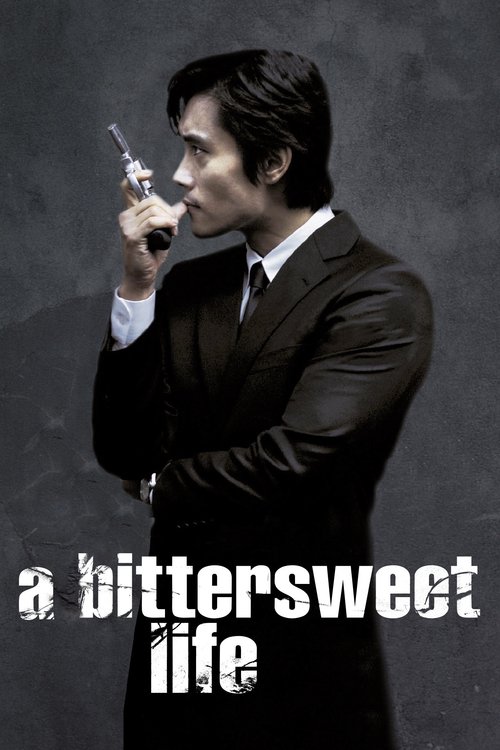
A Bittersweet Life2005
Korean crime thriller with Election's same year and sensibility: formal, violent, entirely focused on loyalty and betrayal within criminal hierarchies. Both films trust you to follow complex institutional politics without spelling it out.
But It's even less forgiving than Election—harder to like any character, and the ending is genuinely bleak. Some find that purity exhausting rather than thrilling.
Not sure tonight? Get a pick in a minute, starting from Election
The wildcard
Something you would not have found on your own.
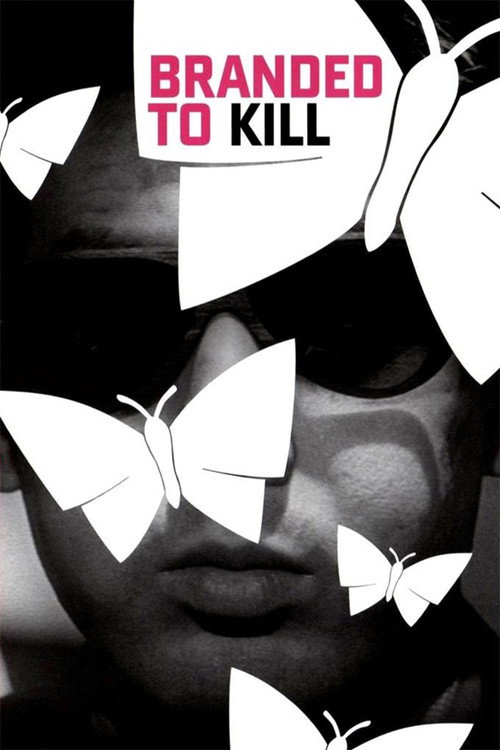
Branded to Kill1967
Both films elevate the crime procedural by finding poetry in ritual and structure: the formal rules by which violent men organize their world become the real subject.
A yakuza thriller made before the conventions solidified, shot by Seijun Suzuki with hallucinogenic precision. Like Election, it treats criminal hierarchy with absolute seriousness, but Suzuki's camera finds surreal beauty in the violence and procedural detail.
But Genuinely strange and occasionally abstract. The narrative logic doesn't always follow Hollywood rules, and if you want realism, the stylization will frustrate you.
More like this (8)
Election 22006
Johnnie To's Election sequel, same universe, same intellectual approach to gangland violence. If you're grabbed by the first film's blend of style and substance, this deepens the questions it raised without just repeating the formula.
But It assumes you've seen Election and wants to argue with it rather than simply entertain you. Works better as a conversation between two films than as a standalone watch.
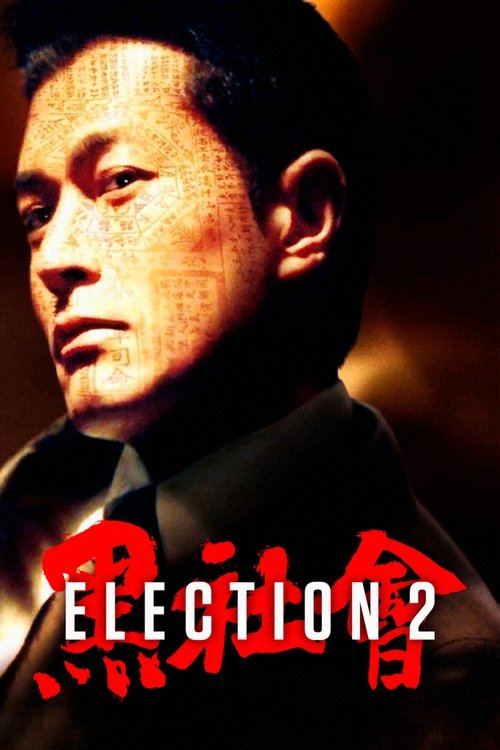
The Godfather1972
Both films are genuinely about how power structures work and who suffers maintaining them. Election borrows The Godfather's understanding that crime is a business with codes, meetings, and rules—not chaos.
But Three and a half hours. Election is lean and complete in 101 minutes; The Godfather insists on epic scope where Election finds depth in constraint.
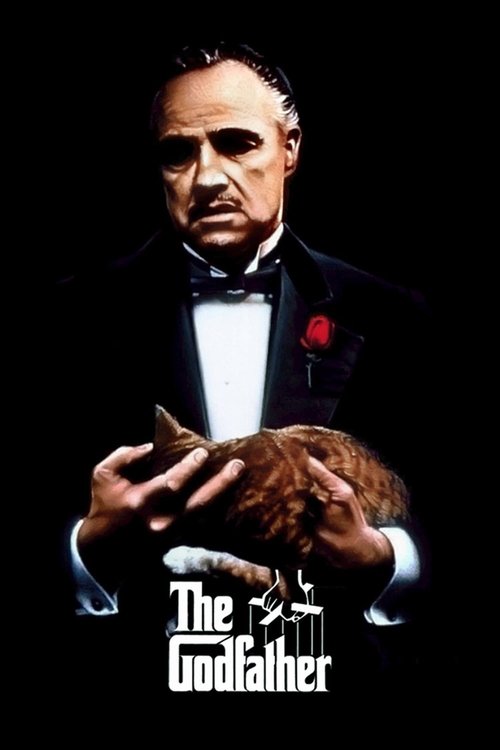
In the Mood for Love2000
Also directed by Johnnie To and starring Tony Leung, this is the inverse case: rapturous visual language applied to intimate human connection. It shows To's range and Leung's ability to carry entire films on restraint and suggestion.
But Completely different register—a meditation rather than a thriller. You watch it for what it doesn't say, which is a harder skill to enjoy than plot and tension.

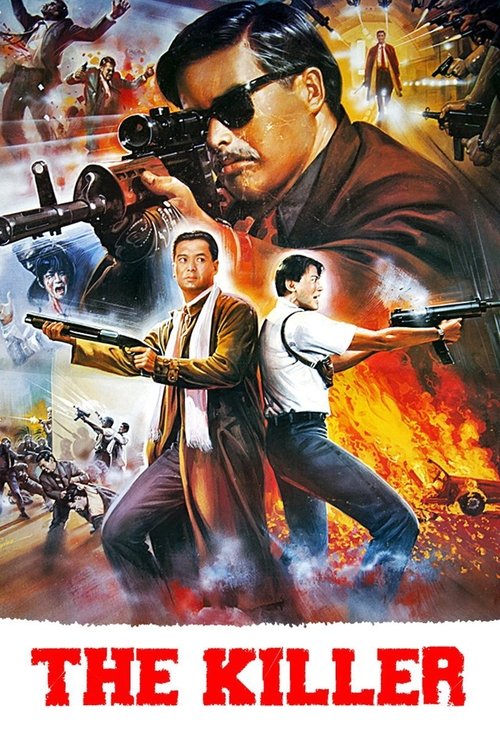
The Killer1989
John Woo at his peak: a hitman thriller that's genuinely about loyalty and honour even as bullets tear through Hong Kong. Election shares that sense of quiet codes governing violent men, but Woo burns brighter and louder.
But It's relentlessly stylish in a way Election specifically avoids. If you want Woo's operatic violence, Election will feel austere by comparison.
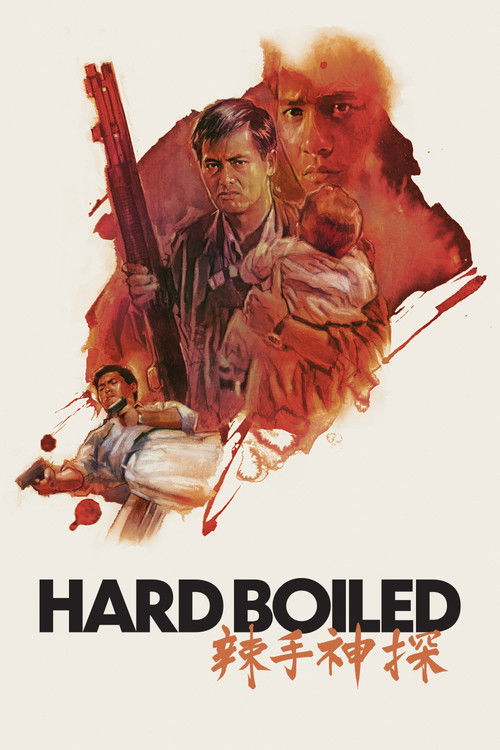
Hard Boiled1992
Another John Woo film, technically a cop thriller, but the real story is about two men who understand each other across enemy lines. Like Election, it's built on unstated respect between people locked in institutional conflict.
But The action sequences are extraordinary and sometimes overwhelming. If you came to Election for intrigue and politics, the gun-fu spectacle here might feel beside the point.
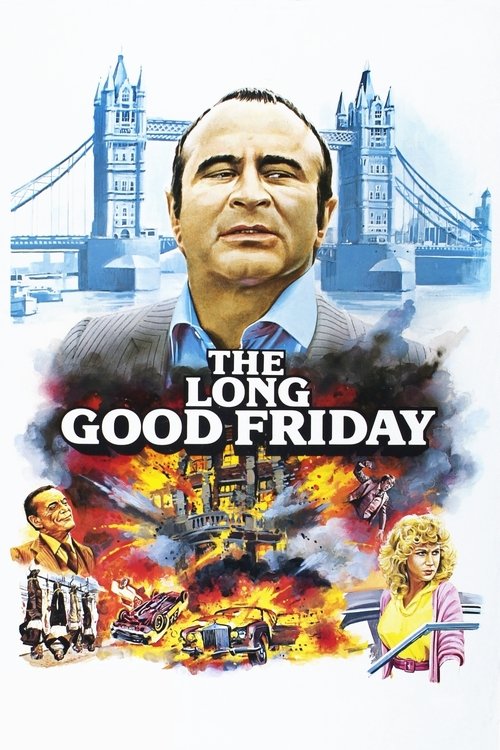
The Long Good Friday1980
British crime film about a gangland boss trying to understand who's moving against him. Same DNA as Election: institutional paranoia, strategic thinking, men trying to hold power when the rules suddenly change underneath them.
But Slower burn, more theatrical in tone, and the accent-heavy London dialogue can be hard to parse. Election is cleaner and more kinetic.
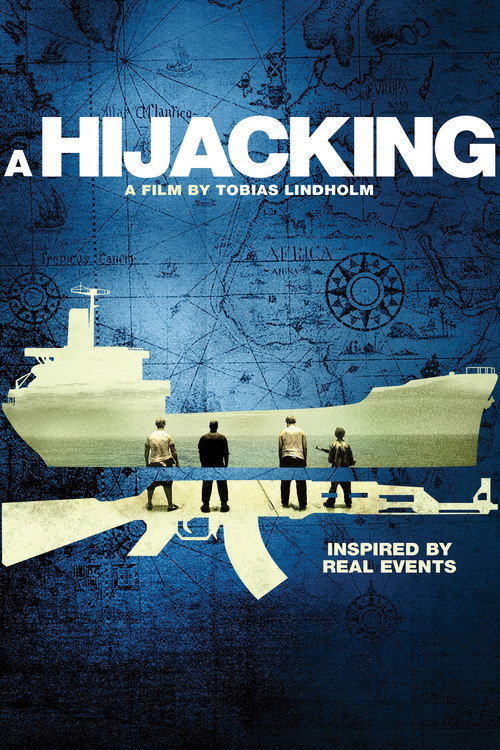
A Hijacking2012
Both films understand that the real drama in a power struggle is psychological and procedural, not physical. The baton and the hostages are just symbols; the real fight is mental.
A Danish thriller about negotiation under extreme pressure—not an action film but a film about how institutions fail and individuals improvise. Absolutely gripping despite minimal violence, built entirely on the tension of men trying to maintain control when circumstances fracture.
But There's no heroic resolution. It's about the cost of crisis management, and it ends with exhaustion rather than triumph. If you want catharsis, you won't find it.
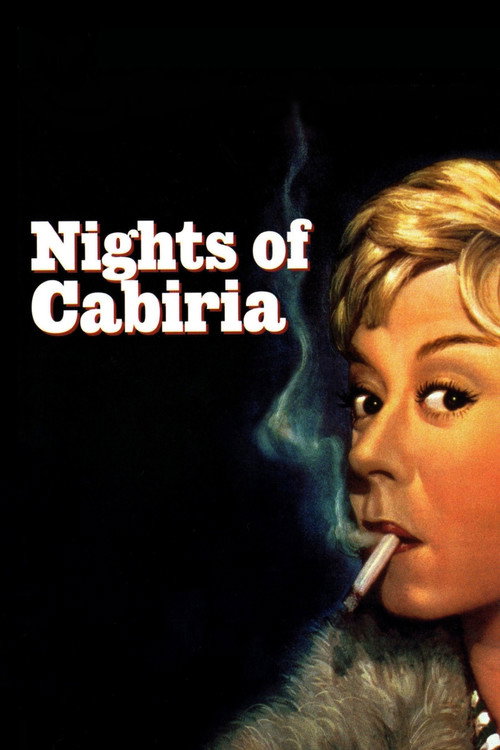
Nights of Cabiria1957
Both films are fundamentally about people trying to maintain agency within structures that deny it. Election finds that tension in crime hierarchies; Cabiria finds it in poverty and sex work. Different genres, same moral clarity.
Fellini's masterpiece about a sex worker in Rome trying to survive and keep hope alive. A universe away from Election tonally, but both are intimate, unsentimental portraits of people operating within systems designed to break them, finding small dignity in constraint.
But It's not a thriller and not cynical—it's tender and humanist in ways Election pointedly isn't. If you want to stay cold and analytical, this will ask you to feel something.
People
Cast
 Simon YamLok
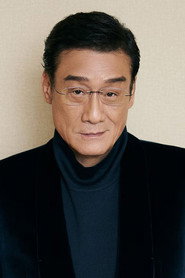 Tony Leung Ka-faiBig D
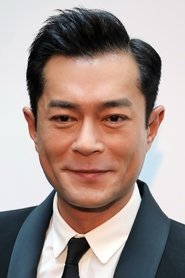 Louis KooJimmy
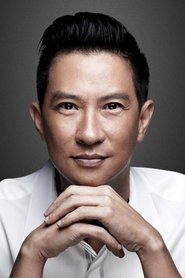
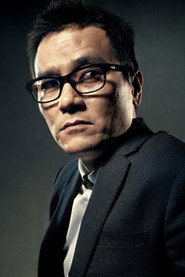
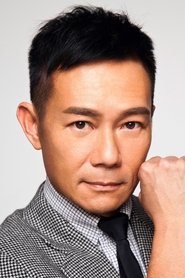 Cheung Siu-faiMr. So
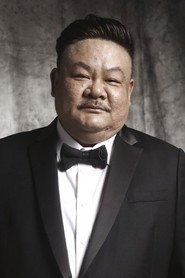 Lam SuetBig Head
 Wong Tin-LamUncle Teng
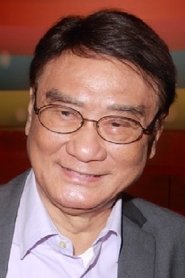 Tam Bing-ManUncle Cocky
 Maggie Shiu Mei-KeiMrs. Big D
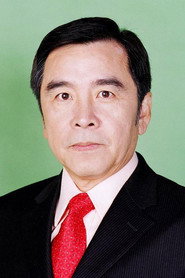 David Chiang Da-WeiChief Superintendent Hui
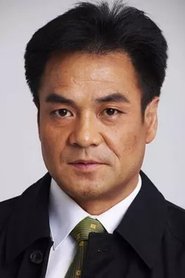 You YongzhiChina Police Captain
Directing
- Law Wing-CheongAssistant Director
- Pad Chan Wai-HungAssistant Director
- Johnnie ToDirector
- Andy Ma Kun WaiScript Supervisor
Writing
- Po Sang SieStory Consultant
- Yau Nai-HoiWriter
- Yip Tin-ShingWriter
Production
- Tiffany ChenAdministration
- Eric Huen Chi-KitAssistant Production Manager
- Elos GalloConsulting Producer
- Kuk Kok-LeungLine Producer
- Charles HeungProducer
- Dennis Law Sau-YiuProducer
- Johnnie ToProducer
- Jackson Ha Chak-ShunProduction Manager
- Ding Yuin-ShanProduction Supervisor
- Chiu Chi-ShingUnit Manager
Recommended by
Infernal Affairs, City on Fire, Cold War, Drug War, Firestorm, Young and Dangerous, Exiled, Long Arm of the Law, Once Upon a Time in Mumbaai, Jiang Hu: The Triad Zone, The Mission, V, Triads: The Inside Story, Who's Next, Once Upon a Time in Hong Kong, The White Storm, Day of Thunder, Beast Stalker, Accident, Confession of Pain, Dragon