
Film
Long Arm of the Law
A visceral Hong Kong crime thriller about mainland gang members who botch a robbery, kill an undercover cop, and spiral into paranoia while holed up in the city. Raw, violent, and propulsively tense—a gritty procedural about criminals hunting criminals, made in the teeth of 1980s Hong Kong's economic anxiety. For anyone who loves crime cinema with teeth and no sentimentality.
If you liked this
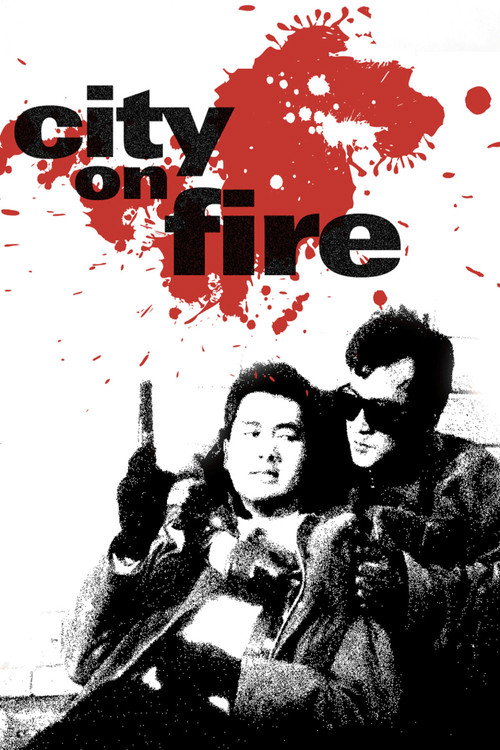
City on Fire1987
Ringo Lam's masterpiece of cops and robbers, similarly taut and morally murky. A hostage situation that refuses to choose sides, built on the same collision between procedure and desperation that animates Long Arm.
But The pacing is glacial by modern standards, and some of the emotional beats land quietly rather than with impact. Requires patience.
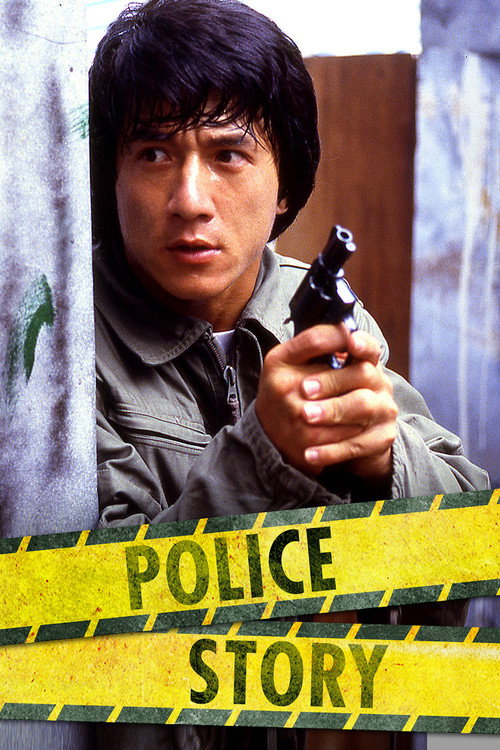
Police Story1985
Jackie Chan in a police thriller that's far darker than his comedy work, made the same year. Breakneck action sequences threaded through a story about surveillance, betrayal, and the cost of going too far. Chan has rarely been better.
But The tonal whiplash between action spectacle and genuine brutality may feel uneven if you're expecting pure fun. Some stunts haven't aged gracefully.
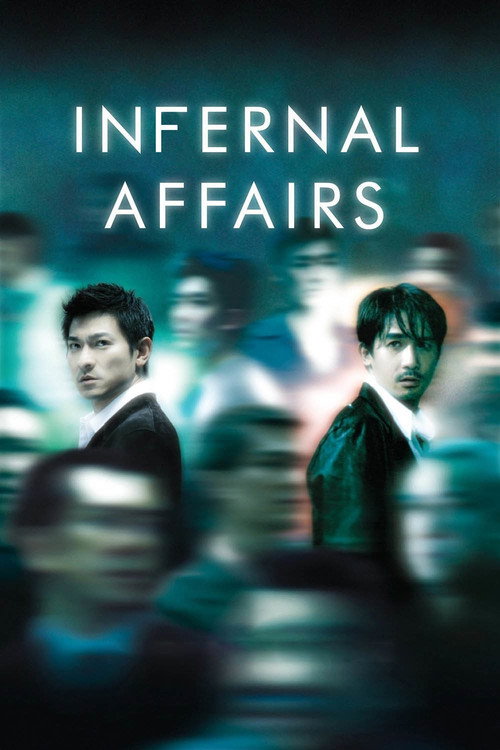
Infernal Affairs2002
The spiritual heir to Long Arm: a cop-and-criminal story where both sides are compromised, the trust structures collapse, and everyone's hunting everyone. Sleeker and more dramatically shaped, but built on the same Hong Kong paranoia.
But Has become a cultural touchstone, so you might feel like you know it already. The American remake poisoned the well for some viewers.
Not sure tonight? Get a pick in a minute, starting from Long Arm of the Law
The wildcard
Something you would not have found on your own.
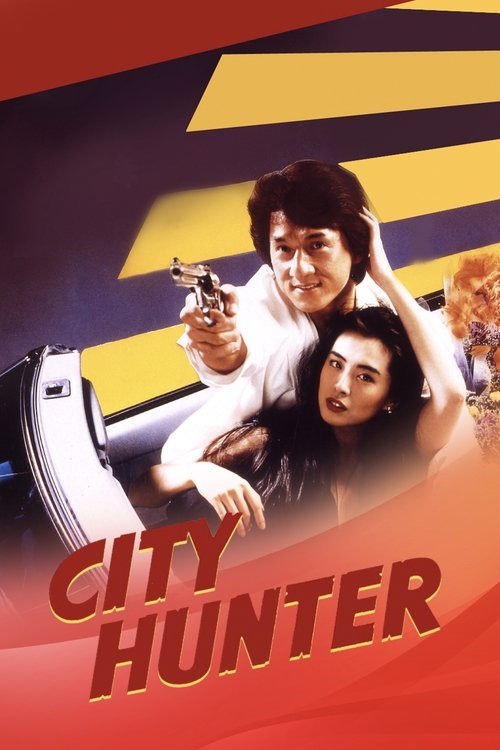
City Hunter1993
Both are Hong Kong films about criminals caught in impossible situations, but City Hunter metabolizes that tension into anarchic comedy rather than paranoia. Same pressure, entirely different release valve—shows you how versatile the engine is.
Jackie Chan as a vigilante investigating a murder-conspiracy aboard a luxury cruise ship. Genuinely funny, audaciously action-packed, and structured like a genre-blending fever dream. It's crime cinema as playground—joyful, unhinged, technically astonishing.
But The comedy frequently stops the narrative dead. If you want noir, this substitutes cartoonish absurdism. Some jokes are dated or in poor taste.
More like this (8)
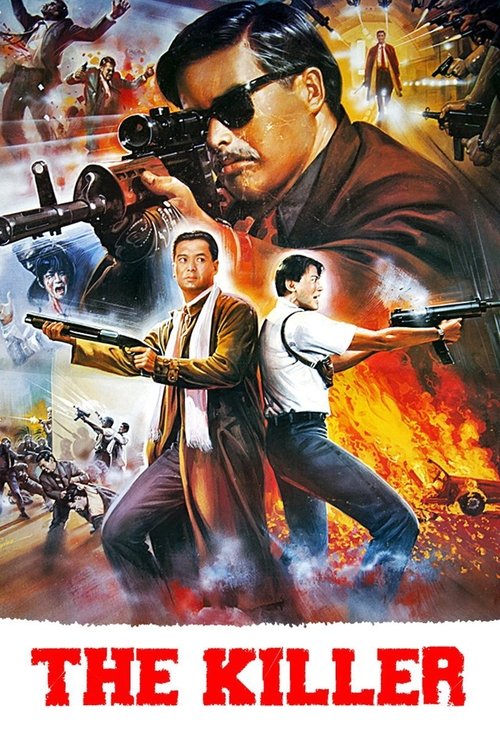
The Killer1989
Chow Yun-fat and Danny Lee in David Chung's operatic standoff—a hitman and a cop locked in a dance of mutual respect and irreconcilable conflict. Balletic action, moral ambiguity, and a melancholy that cuts deep.
But The sentimental subplot involving a blind singer derails some viewers. The film's embrace of operatic tragedy won't click for everyone.
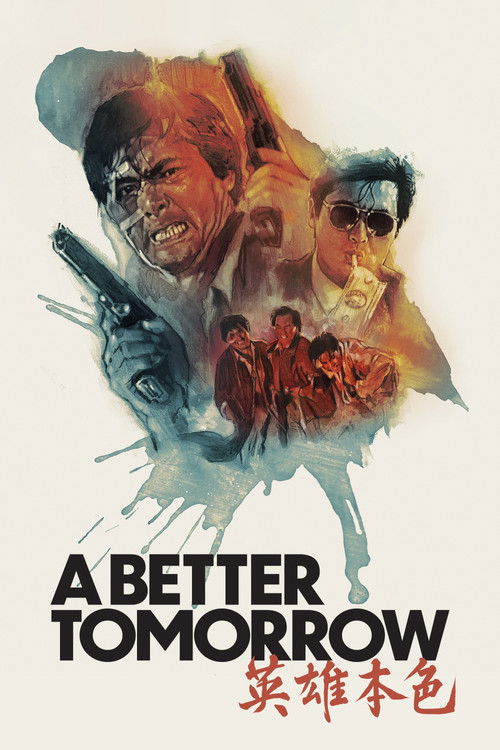
A Better Tomorrow1986
John Woo's breakthrough, Chow Yun-fat and Ti Lung as reformed and current criminals caught in a web of honour and violence. Visually revolutionary, emotionally raw, the film that defined the Hong Kong action aesthetic.
But The melodrama is thick—almost Shakespearean. If you need restraint in your crime stories, this isn't it. Some sequences feel dated now.
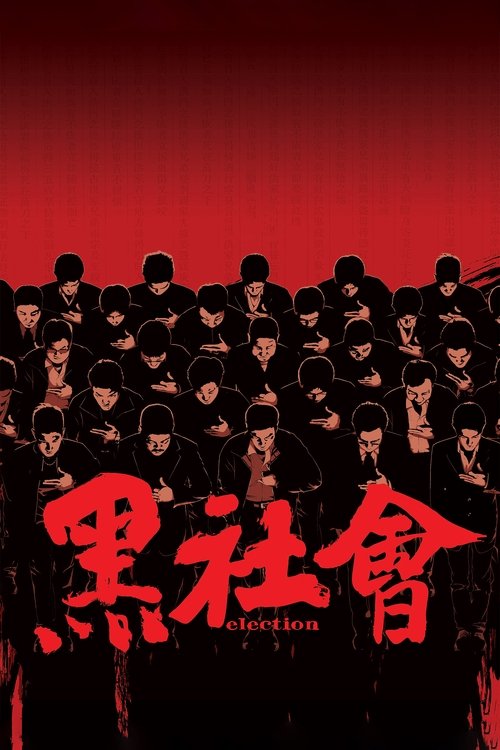
Election2005
Johnnie To's bleak, darkly comic underworld saga about triad leadership succession. Anarchic and precise at once, funny and genuinely frightening, with an ensemble cast of criminals you almost sympathize with.
But The humour is jet-black and the violence sudden. The fragmented narrative demands attention, and some plot threads resolve obliquely.
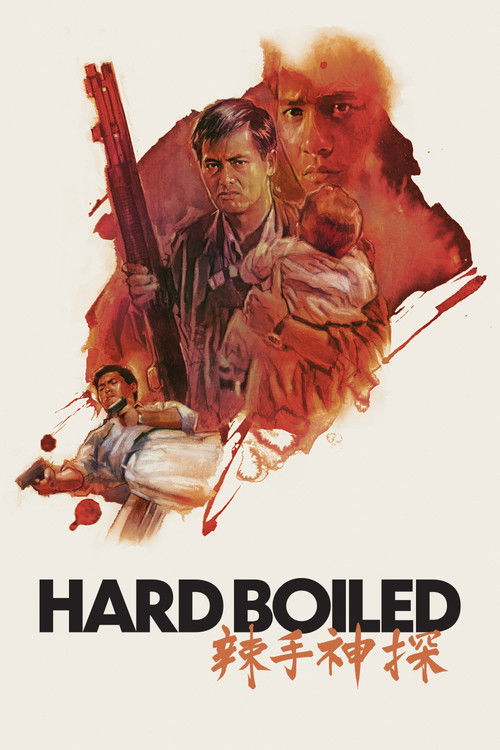
Hard Boiled1992
John Woo and Chow Yun-fat's final collaboration: a cop and a triads' mole in a doomed dance through a hospital under siege. The apotheosis of Hong Kong action cinema—technically brilliant, genuinely moving, operatic gunplay.
But The action grammar is so extreme it can read as absurd rather than thrilling. The sentimental finale polarizes audiences sharply.
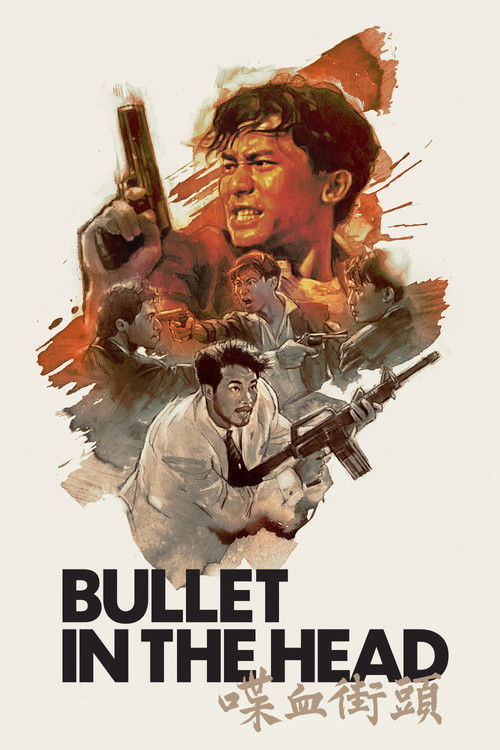
Bullet in the Head1990
John Woo's Vietnam War epic: three Hong Kong buddies caught in the conflict, the war turning them criminal and desperate. Brutal, mournful, and visually stunning—one of Woo's most underrated films.
But Genuinely traumatic in places, and the middle section is bleak to the point of punishment. It's not entertaining in a conventional sense.
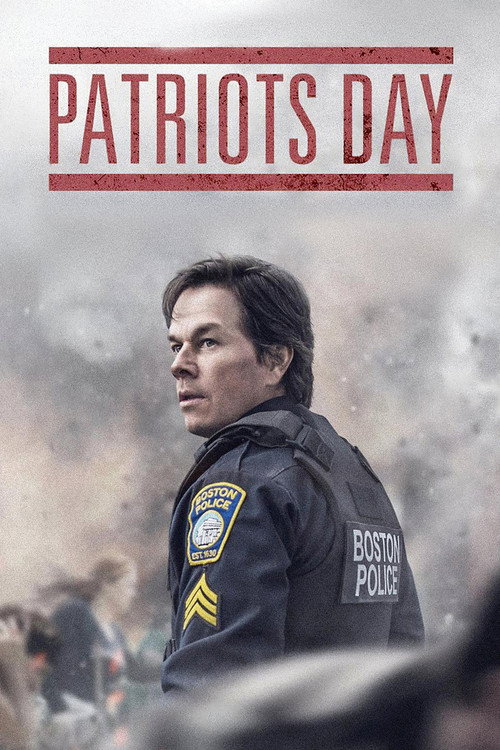
Patriots Day2016
Ringo Lam again: a tighter, meaner version of the underworld siege story. Efficient, economical, and uninterested in letting you off the hook. A cult object for people who love lean crime cinema.
But It's schematic and a bit cold—you might feel more manipulated than moved. The print quality available now isn't always great, which undermines some of the visual storytelling.
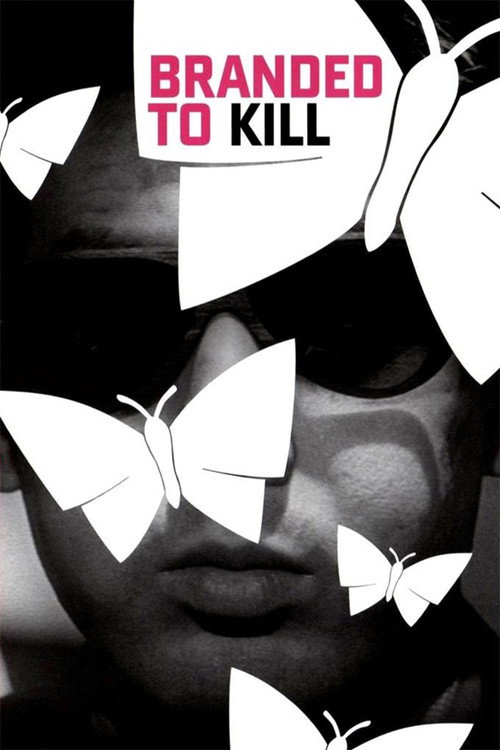
Branded to Kill1967
Both are lean, muscular crime films made outside the Hollywood system, built on the collision between professionalism and chaos. But where Long Arm stays tethered to procedure and consequence, Branded to Kill lets reality slip—same genre, opposite epistemology. See how the form contains multitudes.
Seijun Suzuki's surrealist yakuza masterpiece: a hitman and his employer in a fever dream of sex, violence, and visual delirium. Shot in crisp black-and-white, composed with dizzying geometry. Like Long Arm filtered through a lucid nightmare.
But The plot is almost deliberately incoherent, and the eroticism is strange and unsexy by modern standards. It moves sideways rather than forward. Some find it pretentious; others find it liberating.
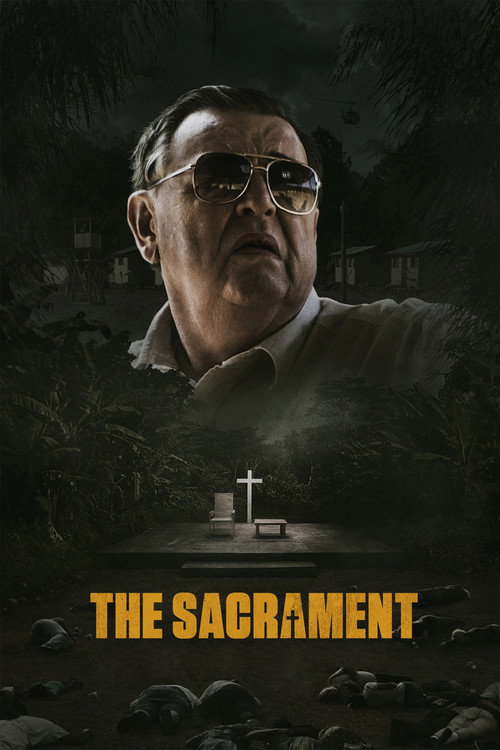
The Sacrament2014
Both films trap a group of men in a space where escape becomes impossible and the walls close in psychologically before they do physically. But The Sacrament inverts Long Arm's criminal-cop binary—you're never sure who's predator and who's prey. Different moral architecture, identical claustrophobia.
Ti West's handheld found-footage film about a journalist, a cameraman, and a photographer investigating a remote commune. A siege narrative told in real time, paranoia and claustrophobia building unbearably. Crime and cult theology tangled into one.
But The found-footage format is visceral but exhausting—some viewers hate it on principle. The climax is genuinely horrifying rather than cathartic. Not a satisfying ending.
People
Cast
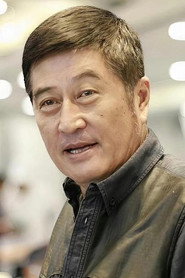 David Lam WaiHo Yiu-Tung
- Wong KinChubby / Sik Koo
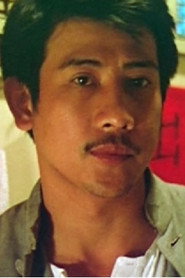 Chiang LungAh Chung
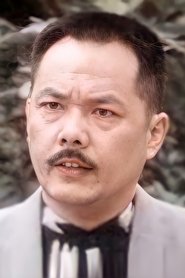 Chan GingRooster
- Lee Ying-GitBlockhead
- Lam Seung-SamBull's Eye
- Yeung MingAh Sheung
- Lau On-KeiAngel
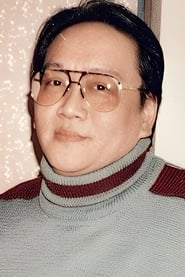 Shum WaiTai
- Ng Hoi-TinInspector Li
- Lau Sun-LunFatso / Fei Gau
Directing
- Billy Chan Wui-NgaiAction Director
- George Ma Joi-ManAssistant Director
- Jobic Wong Lai-KeungAssistant Director
- Lo Po-ShanAssistant Director
- Wan FatAssistant Director
- Johnny Mak Tong-hungDirector
- Lo Po-ShanScript Supervisor
Writing
- Philip Chan Yan-kinScreenplay
Production
- Choi Cheong-LamAssistant Production Manager
- Sue Woo Siu-LingAssistant Production Manager
- Johnny Mak Tong-hungProducer
- Sammo Hung Kam-boProducer
- John Shum Kin-FunProduction Coordinator
- David Wong Siu-HungProduction Manager
- Jessica Chan Pui-WahProduction Manager
- Woo Po-ChiuProduction Manager
- Francis Chiu Wing-LamUnit Manager
Recommended by
City on Fire, In the Line of Duty 4, Intimate Confessions of a Chinese Courtesan