
Film
Drug War
A Johnnie To crime thriller where a drug cartel kingpin flipped into an undercover informant navigates a deadly game between loyalty and survival. Tense, meticulously plotted, and shot with geometric precision—it's procedural noir with the intensity of a coiled spring. For viewers who want their crime stories smart and their violence purposeful.
Should you watch it?
Watch it if you love tense cat-and-mouse crime films where the tension comes from people reading each other across a table, with bursts of violence that land hard and quickly.
Skip it if you want relentless gunfire from start to finish, since the film spends long stretches on negotiation and slow, scheming conversations between its characters.
What it asks of you: Settle in for just under two hours of tightly wound plotting, where the mood stays grim and watchful and the payoff comes from patience rather than spectacle.
Not sure? Find tonight's pick in a minute.
If you liked this
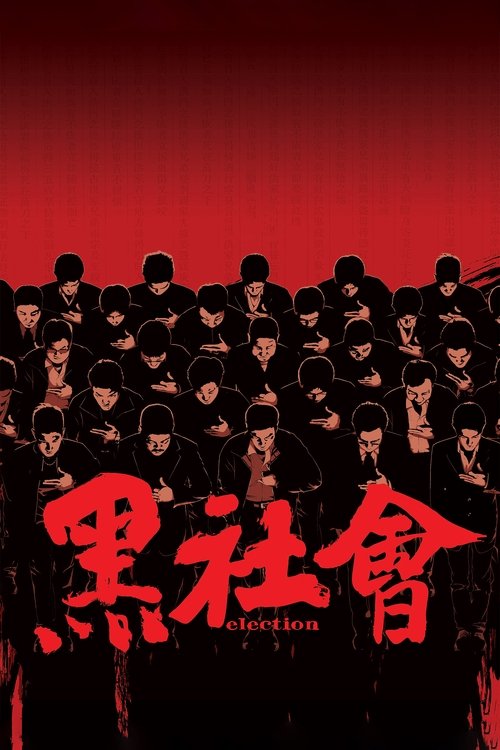
Election2005
Johnnie To's earlier masterpiece about triad power politics. Same director, same controlled ferocity, same obsession with honour and betrayal inside criminal hierarchies. Absolutely unmissable if you respond to Drug War's cold intelligence.
But Longer and denser, with even less sentiment. If you want propulsive momentum over atmospheric tension, this might exhaust rather than excite you.
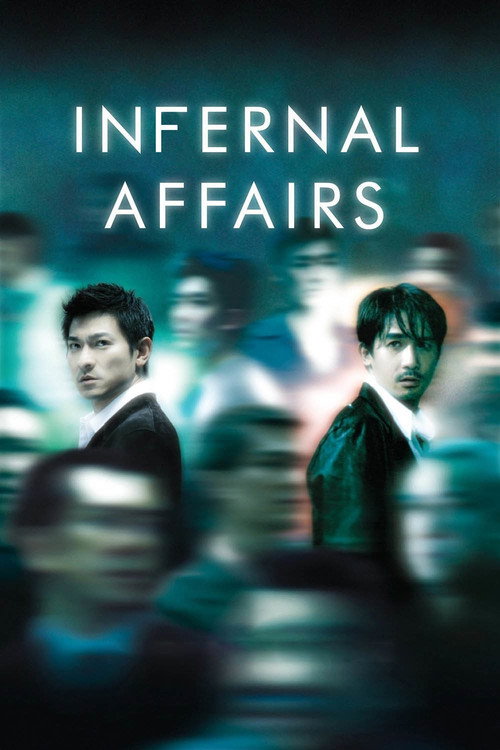
Infernal Affairs2002
A mole inside the police, a mole inside the triads—the same cat-and-mouse paranoia as Drug War but with higher emotional stakes. Beautifully constructed, endlessly watchable, and the film that proved Hong Kong crime cinema could be elegant without sacrificing bite.
But It became a Hollywood remake, so you may have seen the bones of it already. The ending divides people sharply.
A Prophet2009
French prison crime drama with Drug War's same DNA: a nobody forced into survival mode inside a hierarchy of violence. Methodical, brutal, and genuinely suspenseful. The protagonist's transformation feels earned rather than plotted.
But Subtitled, and slower-burn than Drug War. Requires patience with long stretches of prison routine before the pressure builds.

Not sure tonight? Get a pick in a minute, starting from Drug War
The wildcard
Something you would not have found on your own.
Three... Extremes2004
Johnnie To's directorial signature—controlled spatial design, moral ambiguity, visual discipline—shows across registers. Shows what he does with pure genre machinery.
An anthology film of three linked horror tales from Hong Kong, Japan, and South Korea. Johnnie To directed one segment. Same sensibility as Drug War—formal precision, moral darkness, violence that serves the story—but in an utterly different register. A chance to see the directorial DNA in extremis.
But Viscerally disturbing and not interested in catharsis. If you want crime narrative, horror imagery will feel like a betrayal. Genuinely difficult in places.

More like this (8)
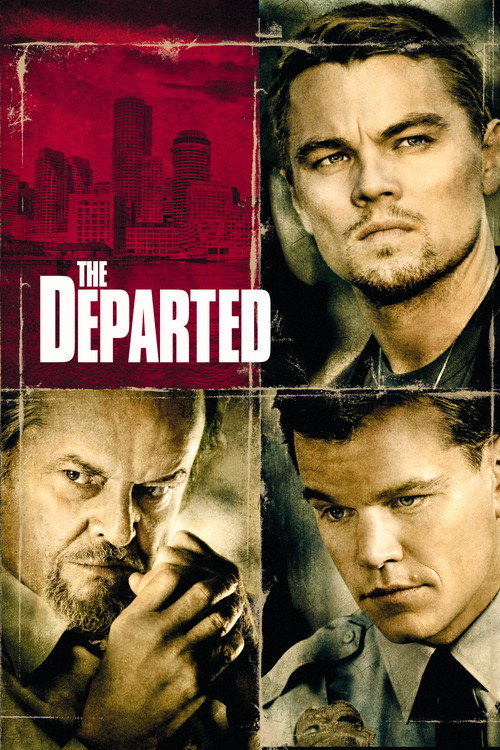
The Departed2006
Scorsese's Boston version of the mole-versus-mole premise. Kinetic, star-stuffed, and structured like a chess match. If you loved Drug War's cat-and-mouse game, this scratches the same itch with an American accelerant.
But Occasionally veers into melodrama. The ending feels tacked-on and divisive. Less graceful than the Hong Kong originals it borrows from.
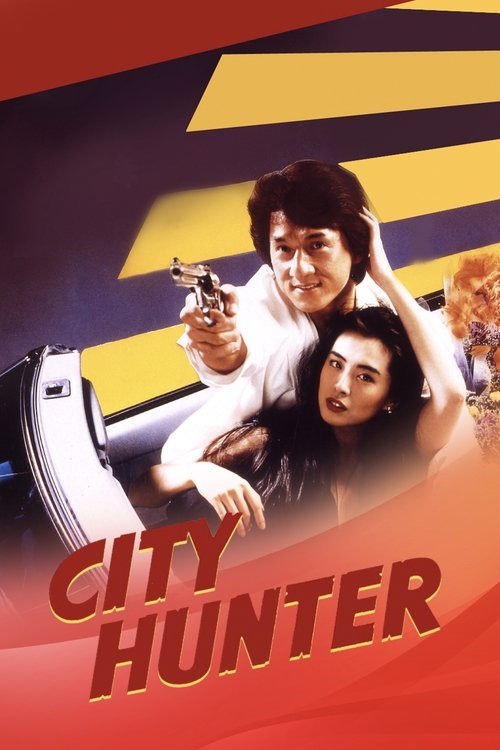
City Hunter1993
Ringo Lam's action-crime hybrid with the same Hong Kong sensibility: stylish, kinetic, deeply cynical about power. Jet Li before he became a global icon, operating in the moral grey zone Drug War excavates so carefully.
But Action sequences sometimes overwhelm character. It's leaner on plot and thicker on spectacle than Drug War, which may feel like a step backward.
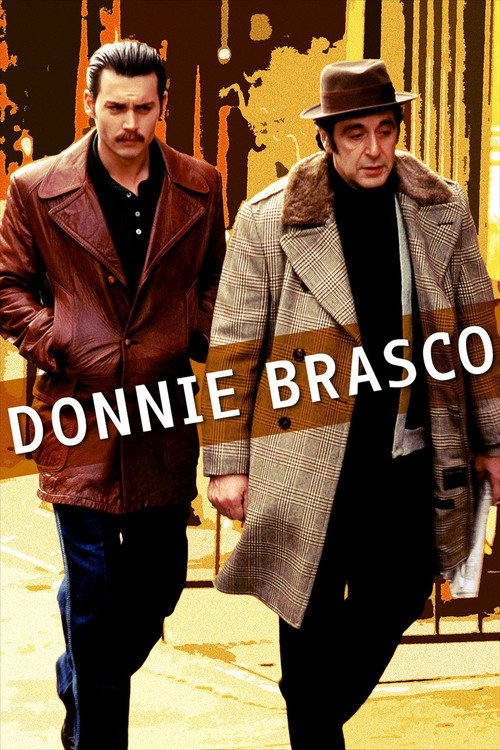
Donnie Brasco1997
The definitive undercover-infiltrator film: intimate, tragic, about a man fractured between two identities. Pacino and Depp are heartbreaking. Where Drug War is procedurally cool, this one finds the emotional wound underneath.
But Gentler and more sentimental. If you want ice-cold calculation and moral ambiguity without redemption, this offers too much humanity.
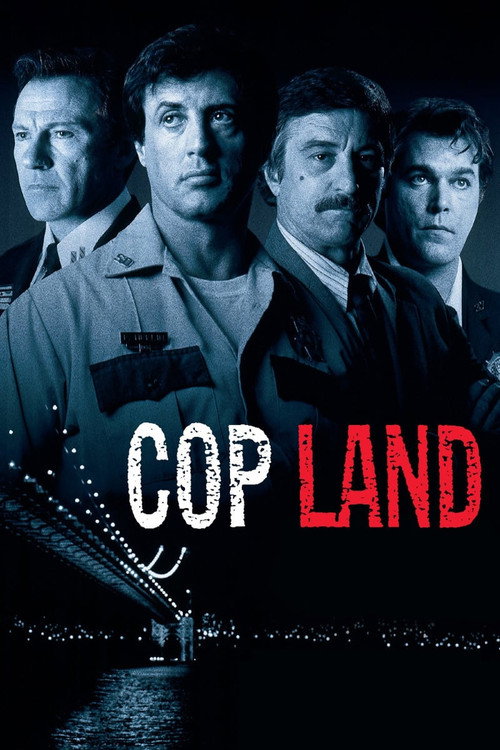
Cop Land1997
Stallone in an unglamorous crime procedural about corruption, loyalty, and the cost of doing the right thing. Dense ensemble cast, patient direction, serious about its moral questions. Proof that smart crime drama doesn't need action to grip.
But Very slow. Nearly three hours of conversation and tension. Requires you to care about institutional corruption rather than individual survival.
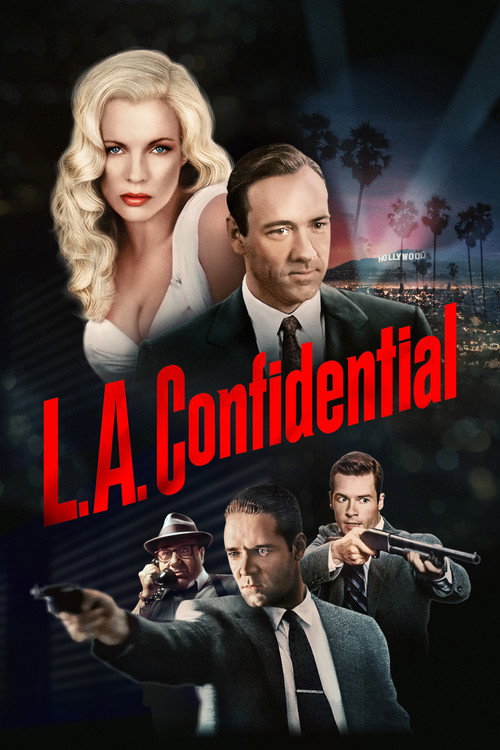
L.A. Confidential1997
1950s LA noir with three cops on a collision course. Tightly constructed, beautifully shot, and obsessed with the space between public appearance and private reality—exactly Drug War's thematic heartland. A masterclass in economy and atmosphere.
But You may know the major plot turns already. Once you've seen it, the mechanism is visible.
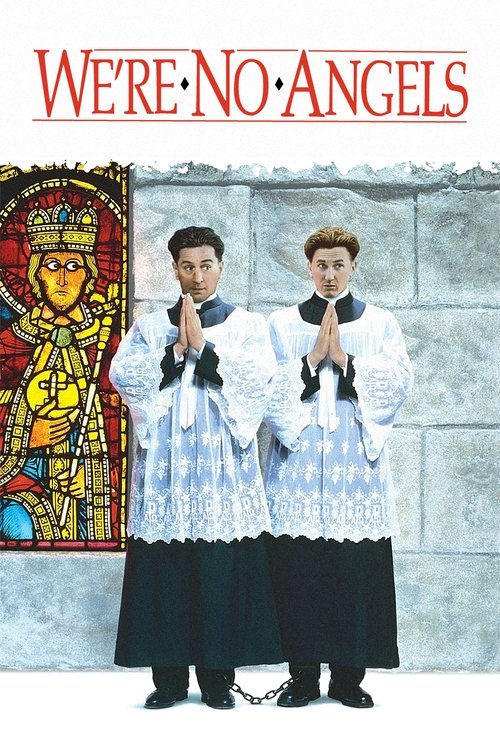
We're No Angels1989
A rare moment of levity: three escaped convicts pretend to be monks, and Neil Jordan directs it with warmth and humour. A palate cleanser after Drug War's intensity, but still morally complicated and beautifully made.
But Tonal whiplash if you go straight from Drug War. It's deliberately lighter, which some will read as unfocused.
Chungking Express1994
Both are Hong Kong films fascinated by how people survive isolation and disconnection. Drug War does it through procedural paranoia; Chungking Express does it through dreamy melancholy. Different diseases, same clinic.
Wong Kar-wai's rhapsodic, colour-saturated Hong Kong love story. Completely opposite in mood and pace to Drug War, but shot in the same city by a Hong Kong master equally obsessed with alienation and loneliness. A different frequency of the same emotional frequency.
But Deliberately slow and lyrical. If you're drawn to crime thrillers for plot momentum, this will feel like watching paint dry. Very 1990s art-house in its indulgence.

Midnight Runners
Both grapple with 1980s Hong Kong's fever dream of capitalism and corruption, but Midnight Runner processes it through anarchic comedy where Drug War processes it through cold clarity. Inverse approaches to the same nightmare.
Jackie Chan and Canto-pop star Anita Mui in a smuggling-and-corruption thriller that's part comedy, part crime, part romance. Fast, inventive, deeply of its era. Where Drug War is austere, this is baroque and fun—but both are about people caught between loyalty and survival in corrupt systems.
But Tonal chaos. It lurches between comedy slapstick and genuine violence. Dated in ways that feel grating rather than charming. Not a sophisticated film.
People
Cast
 Louis KooTimmy Choi
 Sun HongleiCaptain Zhang Lei
 Huang YiYang Xiaobei
 Wallace ChungGuo Weiju
 Guo TaoSenior Dumb
 Li JingJunior Dumb
 Li GuangjieChen Shixiong
 Hao PingHaHa
 Gao YunxiangXu Guoxiang
 Wang ZiyiLin
 Yin ZhushengSnake Head
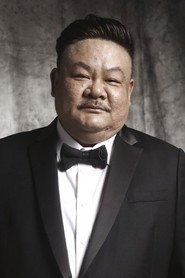 Lam SuetFatso
Directing
- Albert Mak Kai-KwongAssistant Director
- Jack Lai Jan-LungAssistant Director
- Johnnie ToDirector
- Angus Chan Siu-HeiSecond Assistant Director
- Soi CheangSecond Unit Director
Writing
- Ryker ChanWriter
- Wai Ka-FaiWriter
- Yau Nai-HoiWriter
- Yu XiWriter
Production
- Gu GuoqingExecutive Producer
- Liu YanmingExecutive Producer
- Yan XiaomingExecutive Producer
- Elaine ChuLine Producer
- Johnnie ToProducer
- Wai Ka-FaiProducer
- Chiu Chi-ShingUnit Manager