
Film
We're No Angels
- Comedy
- Con-artist caper
- Light-hearted
A scrappy comedy about two escaped convicts who bluff their way across the Canadian border by posing as priests. De Niro and Penn charm their way through a film that knows exactly how silly its premise is, landing somewhere between caper and character study. Uneven but genuinely funny, built on the chemistry of two actors having fun.
Should you watch it?
Watch it if you enjoy a gentle, old-fashioned caper where two scruffy conmen bluff their way through a pile of small absurd predicaments and the charm of the leads does most of the heavy lifting.
Skip it if you want a tight, fast-moving comedy with sharp jokes; this one ambles, leans on its two stars' chemistry rather than plot momentum, and some of its gags feel dated.
What it asks of you: It runs about an hour and forty-five minutes at an easygoing pace, asking you to settle in for lots of quiet character moments between the bigger set pieces rather than constant laughs.
Not sure? Find tonight's pick in a minute.
If you liked this
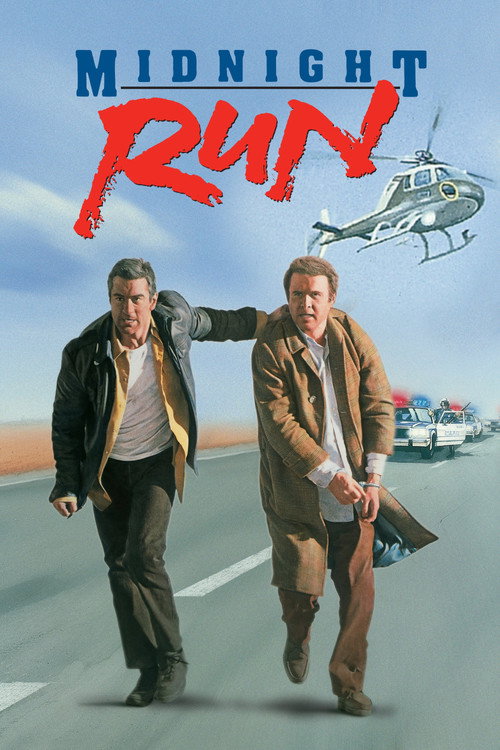
Midnight Run1988
De Niro and a comedic foil (Charles Grodin) bouncing off each other across America, same DNA as Angels but sharper. A buddy film that actually understands timing and lets the characters breathe between the set pieces.
But The plot is thin—it's really just a chase movie where not much happens except conversation, and that's the whole point.
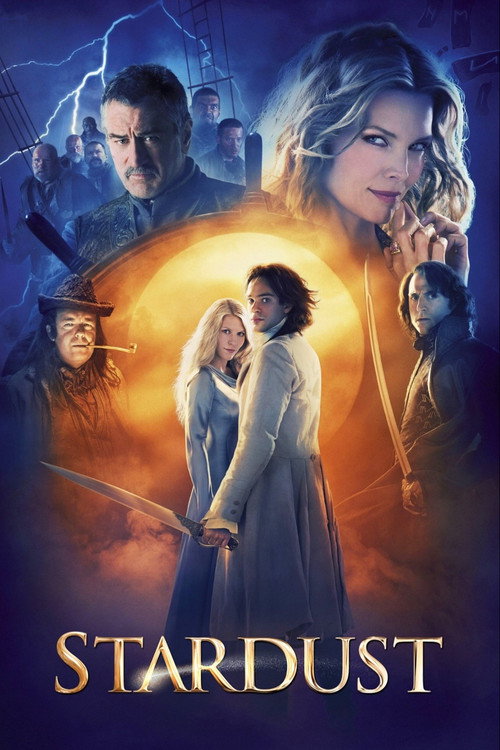
Stardust2007
A film that commits fully to its own ridiculousness and never winks at the camera, yet somehow lands the comedy through earnest belief. Like Angels, it refuses to apologize for its genre and dares you to go with it.
But Heavy on whimsy and magic-system exposition; if you're allergic to deliberate fantasy charm, this will feel precious rather than fun.
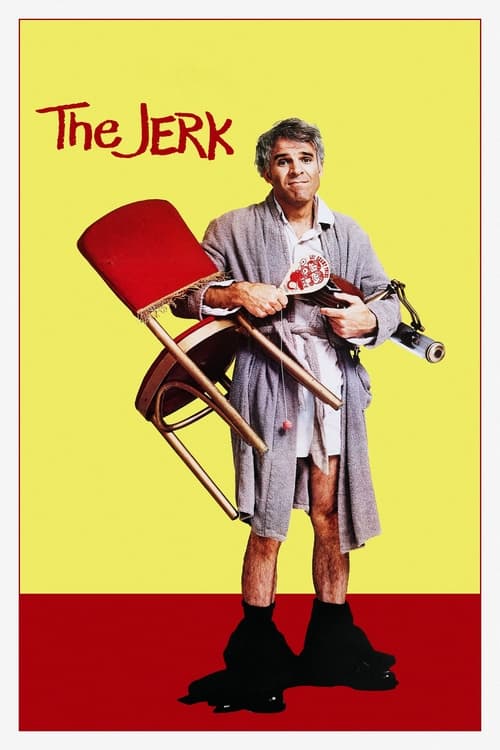
The Jerk1979
Steve Martin as a man fundamentally mismatched to the world, building comedy from character confusion rather than jokes. Same spirit as Angels—the humor comes from watching intelligent people navigate absurd situations with dignity.
But The satire around race and identity is from 1979 and occasionally blunt; the style of comedy itself may feel dated to modern sensibilities.
Not sure tonight? Get a pick in a minute, starting from We're No Angels
The wildcard
Something you would not have found on your own.
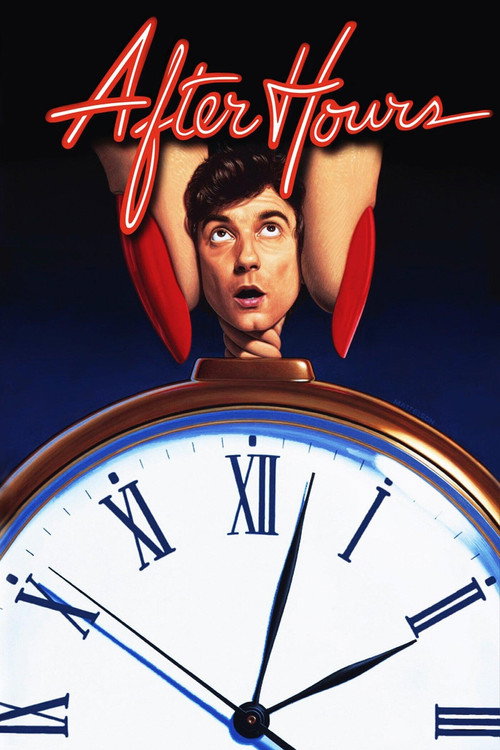
After Hours1985
Both follow a protagonist (or pair) forced to navigate a world where normal rules don't apply and survival means staying in character, but After Hours is nightmare logic while Angels is screwball optimism.
Scorsese's forgotten fever dream about a man trapped in downtown Manhattan for one nightmarish night. Like Angels, it's a journey through increasingly bizarre logic where the rules keep shifting and the protagonist just has to keep going. But where Angels is warm, this is disorienting and surreal—same structure, inverted tone.
But It's aggressively uncomfortable; the comedy comes from watching someone's life collapse in real time, and it gets genuinely unpleasant before it ends.
More like this (8)
Paper Moon1973
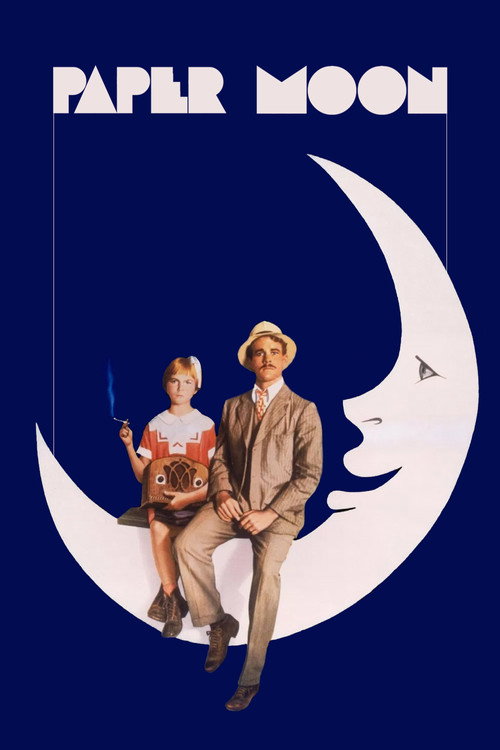
Two con artists on the road (Ryan and Tatum O'Neal) running scams during the Depression. Lighter than it sounds, full of rapport and actual stakes. The blueprint for every road-movie con film made since.
But Black and white, 1970s pacing; if you need plot momentum or action beats, this will feel slow and digressive.
Going in Style1979
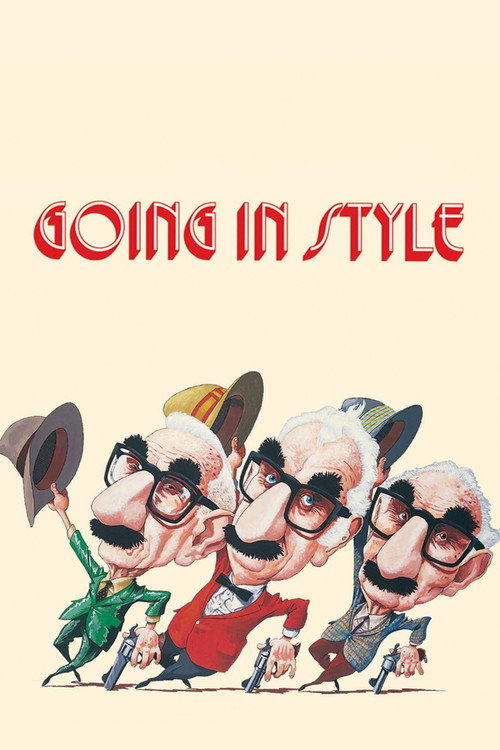
Three elderly men rob a bank out of boredom and desperation. Heist comedy that treats its characters with real tenderness while finding humor in their situation. George Burns is quietly wonderful.
But Dated visual style and some broad comedy beats that haven't aged as well as the character work; the pace meanders.
Baby's Day Out1994
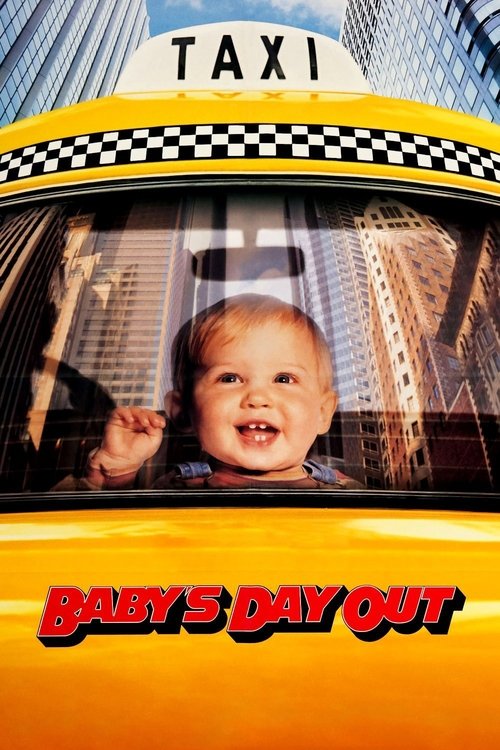
Patrick Combs and two burglars bungle their way through a kidnapping that keeps going wrong. Pure slapstick energy and genuine affection for its characters' incompetence.
But It's broad physical comedy with minimal plot; if you prefer wit to pratfalls, this will feel like punishment disguised as cinema.
Quick Change1990
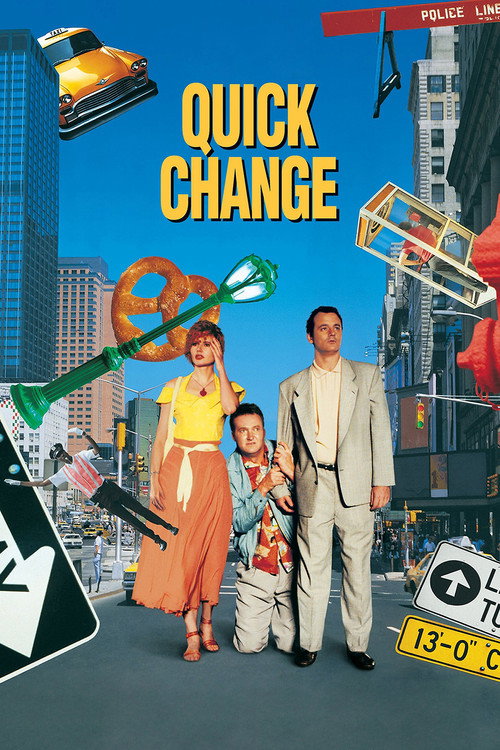
Bill Murray and his two friends pull off a bank heist and then try to escape New York City. A heist film that's actually about the difficulty of leaving, built on Murray's deadpan charm and the gap between plan and reality.
But Terribly uneven in tone; it can't decide if it's a caper or a character study, and the tonal shifts damage both.
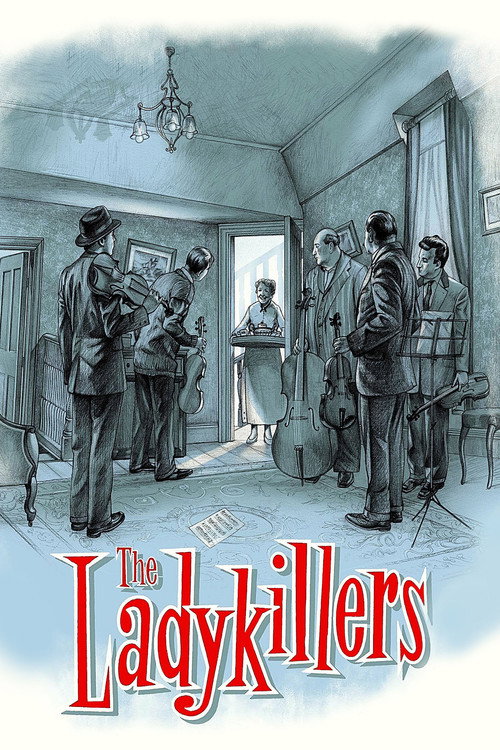
The Ladykillers1955
Ealing Studios comedy about criminals posing as musicians to rob a bank from inside a house. A masterclass in ensemble timing and the original template for the 'criminals pretending to be something else' premise.
But It's in black and white, British post-war comedy style that moves at its own pace; if you need constant laughs, you'll feel the long stretches.
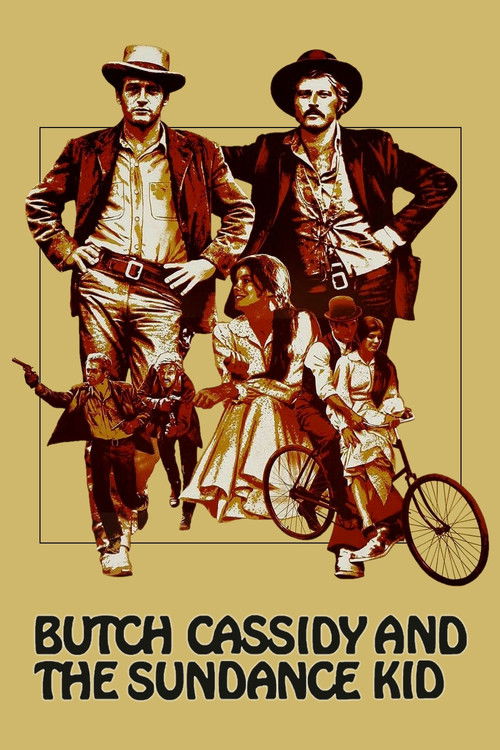
Butch Cassidy and the Sundance Kid1969
Newman and Redford as charming outlaws on the run with genuine warmth between them. It proved that charisma and rapport could carry a western, influencing everything that came after.
But It's a western first and a comedy second; the tone is nostalgia and melancholy rather than laughs, which can feel heavy if that's what you wanted.
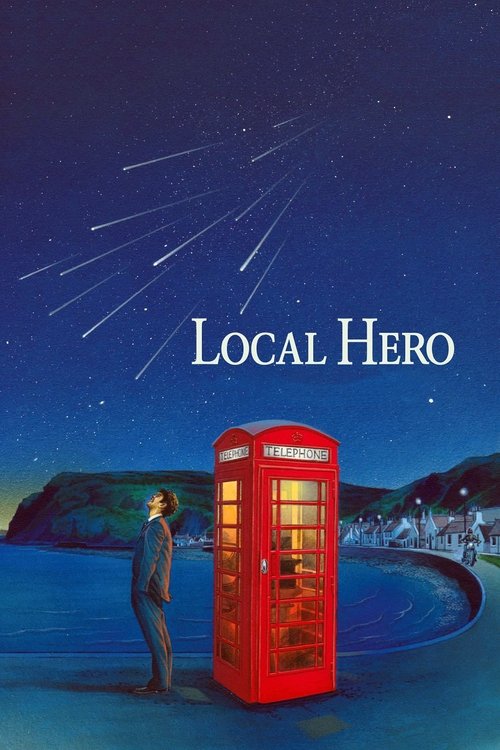
Local Hero1983
Both films believe in the power of human connection to transcend circumstance, but Angels achieves it through caper energy while Local Hero achieves it through stillness.
A Scottish village comedy about an oil executive trying to buy beachfront property and becoming absorbed into local life instead. It has Angels' warmth and its belief that good-hearted people can connect across circumstances, but it's quieter, more autumnal, about how places and people change us.
But Nothing much happens; it's about mood and character accumulation rather than plot. The payoff is internal, not external.
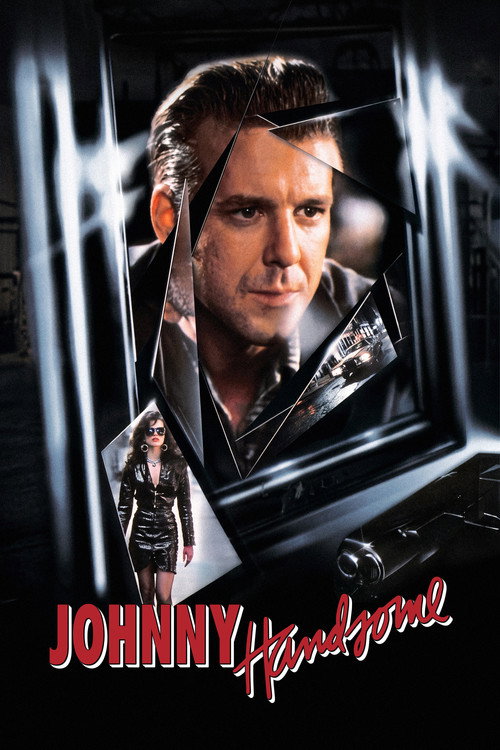
Johnny Handsome1989
Both explore what happens when criminals adopt new identities, but Johnny Handsome asks whether transformation is ever real, while Angels simply celebrates the performance itself.
Mickey Rourke as a disfigured criminal given a new face through surgery, trying to remake himself—released the same year as Angels. A noir take on reinvention and false identity that uses the same 'criminals pretending to be someone else' premise but plays it as tragedy. Brutal and beautiful where Angels is light.
But It's genuinely dark and violent; the tone is fatalistic and the ending is not kind. You're signing up for a serious crime film, not a caper.
People
Cast

 Sean PennJim
 Demi MooreMolly
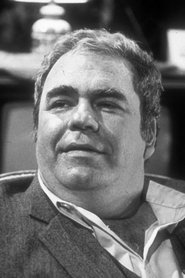 Hoyt AxtonFather Levesque
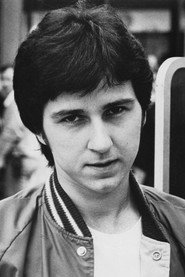 Bruno KirbyDeputy
 Ray McAnallyWarden
 James RussoBobby
 Wallace ShawnTranslator
 John C. ReillyYoung Monk
 Jay BrazeauSheriff
- Ken BuhayBishop Nogalich
 Elizabeth LawrenceMrs. Blair
Directing
- Neil JordanDirector
- Patrick ClaytonFirst Assistant Director
- Lara FoxScript Supervisor
- Kim H. WintherSecond Assistant Director
- James DevisSecond Unit Director
Writing
- Ranald MacDougallOriginal Film Writer
- Albert HussonTheatre Play
- Bella SpewackTheatre Play
- Sam SpewackTheatre Play
- David MametWriter
Production
- Wallis NicitaCasting
- Fred C. CarusoCo-Producer
- Robert De NiroExecutive Producer
- Coreen MayrsExtras Casting
- Kirk JohnsLocation Manager
- Art LinsonProducer
- Warren CarrUnit Production Manager