
Film
Quick Change
- Heist
- Comedy
- Car-chase action
- Relentless
Bill Murray leads a perfectly executed bank heist dressed as a clown, but the real crime is the increasingly absurd gauntlet of New York mishaps keeping him from the airport. It's a smart, cheerfully cynical comedy about how the perfect plan collides with reality. For anyone who loves character-driven capers and Murray at his driest.
Should you watch it?
Watch it if you enjoy caper comedies where a meticulously planned robbery unravels through a chain of small, escalating mishaps, and you like Bill Murray's deadpan, slightly defeated take on a man who is always one step behind the city.
Skip it if you want a tight, fast-moving heist with clever plotting, since much of the fun is in gradual slapstick and grimy New York scenery that can feel loose and meandering over its brisk runtime.
What it asks of you: It runs a lean eighty-nine minutes and asks for steady attention to physical gags and background details, with a mood that stays wry and unhurried rather than frantic.
Not sure? Find tonight's pick in a minute.
If you liked this
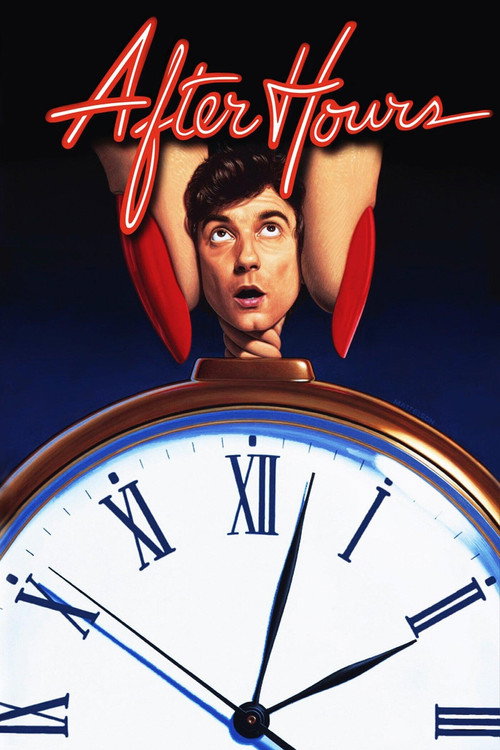
After Hours1985
Scorsese's urban nightmare-comedy about one night in downtown Manhattan spiraling into baroque chaos. Like Quick Change, a simple premise becomes a gauntlet of escalating indignities, shot with visual flair and a protagonist trapped in deepening absurdity.
But It's deliberately alienating and joylessly strange in ways that predate internet culture—the tone is mean rather than warm, which doesn't land for everyone.
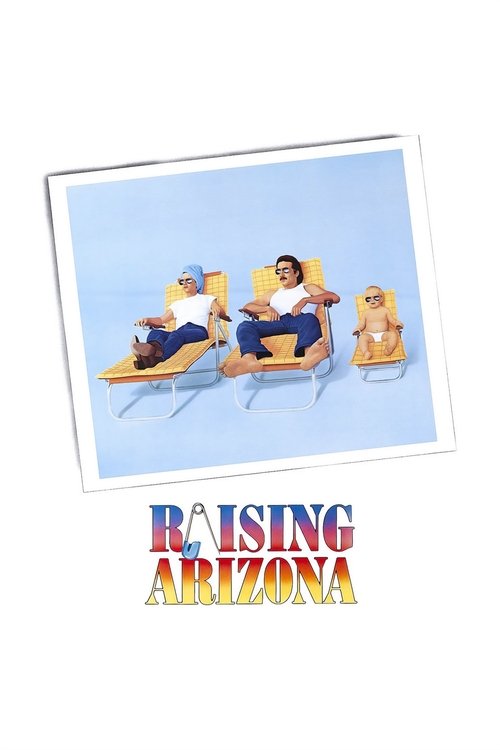
Raising Arizona1987
The Coen Brothers' own caper about criminals in over their heads, chasing a baby across Arizona. Same spirit of detailed character comedy and escalating chaos, but with a Southwest tang and Nicolas Cage in full maximalist mode.
But It's weirder and louder than Quick Change—the comedy is broader and the violence more cartoonish, which can feel exhausting if you want something lighter.
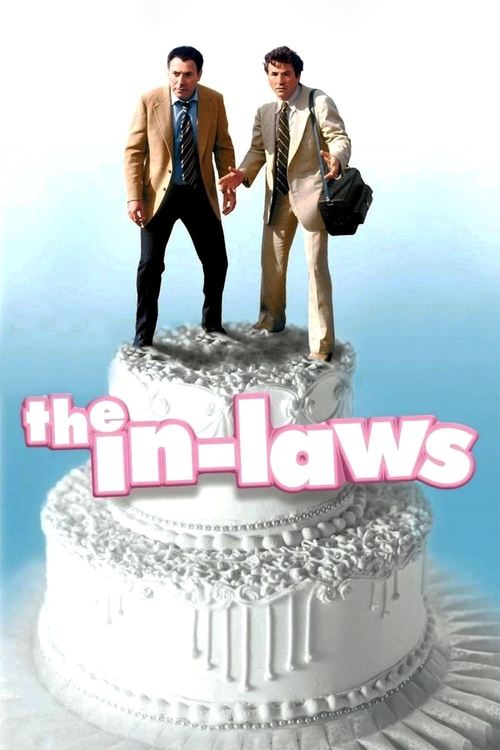
The In-Laws1979
Alan Arkin and Peter Falk as an unlikely pair dragged into a globe-trotting spy caper they don't understand. Chaotic, clever buddy chemistry and the pleasure of watching smart people get systematically thwarted by circumstances.
But The 1979 style and pacing feel very much of their moment—slower burns don't appeal to modern viewers used to quicker cuts and snappier jokes.
Not sure tonight? Get a pick in a minute, starting from Quick Change
The wildcard
Something you would not have found on your own.
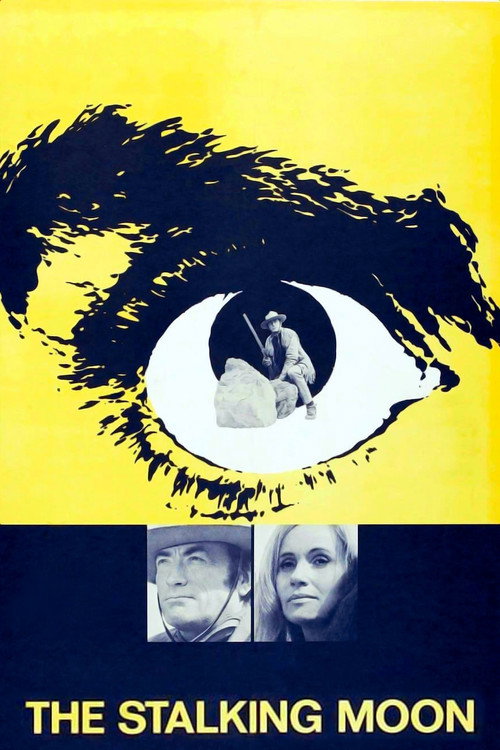
The Stalking Moon1968
Both use the same skeleton: a single objective, a small team, and a landscape (New York or the desert) that becomes the real antagonist.
Gregory Peck as a cavalry officer escorting a captured Apache woman and her son back through hostile territory. It's a heist movie in disguise: one man, one woman, one kid, one simple objective (get somewhere), everything conspiring against them. The entire second half is Quick Change's structure in Technicolor Western form.
But It's a slow, serious film about violence and survival, not a comedy—the tone shifts from character drama to thriller, and some find it dated.
More like this (7)
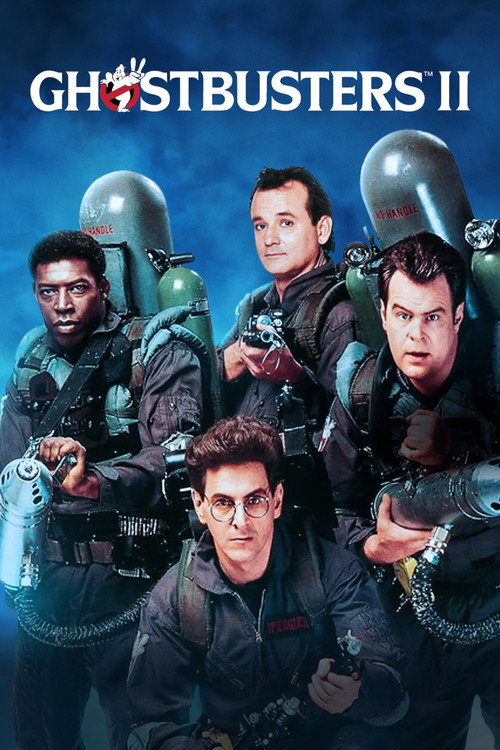
Ghostbusters II1989
Murray in the same mode: deadpan, reluctant, surrounded by incompetence and New York absurdity. The film itself is weaker than the original, but Murray's performance is the same elegant refusal to panic as Grimm.
But It really is quite a bit worse than the first one, and coasting on familiar bits. You'll feel the diminishing returns while watching.
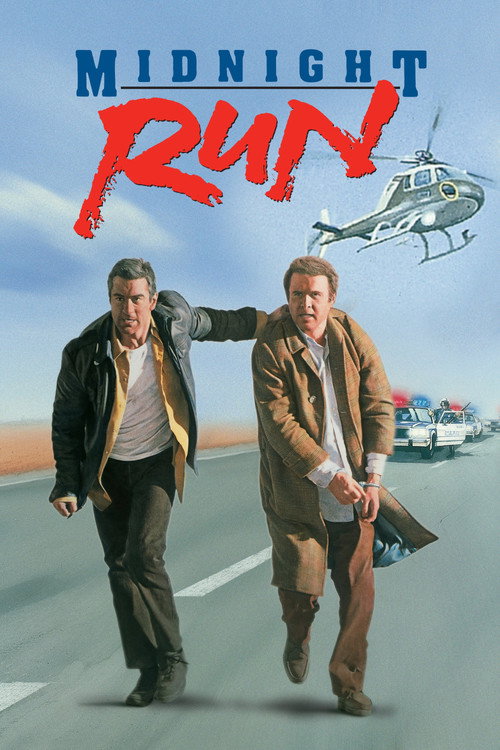
Midnight Run1988
De Niro and Grodin as a bounty hunter and his quarry on a cross-country chase. Character comedy with real rapport, endless complications, and a similar structure: destination seems simple, reality says otherwise.
But It's longer and more sentimental than Quick Change, with a buddy-bond arc that some find schmaltzy compared to the original's sharper edge.
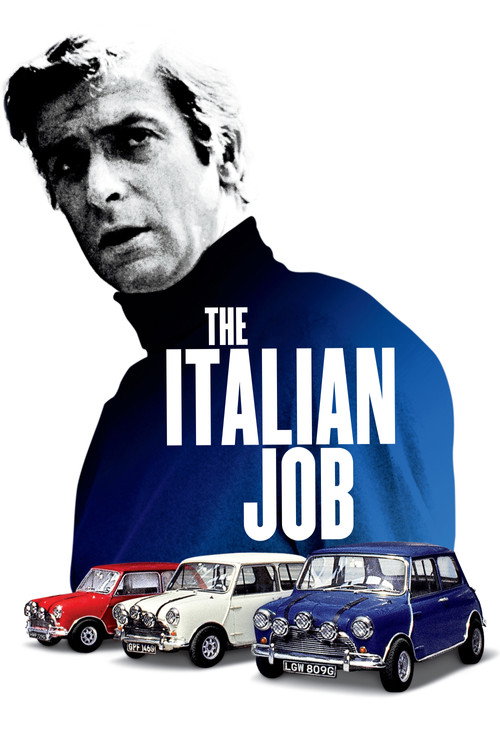
The Italian Job1969
A London-set heist with Michael Caine, Mini Coopers, and genuine wit about planning perfection and watching it crumble. It's the DNA of the smart caper, executed with style and actual tension underneath the fun.
But It's a different era entirely—slower, less comedic, more focused on the heist itself than the aftermath. Needs patience for the setup.
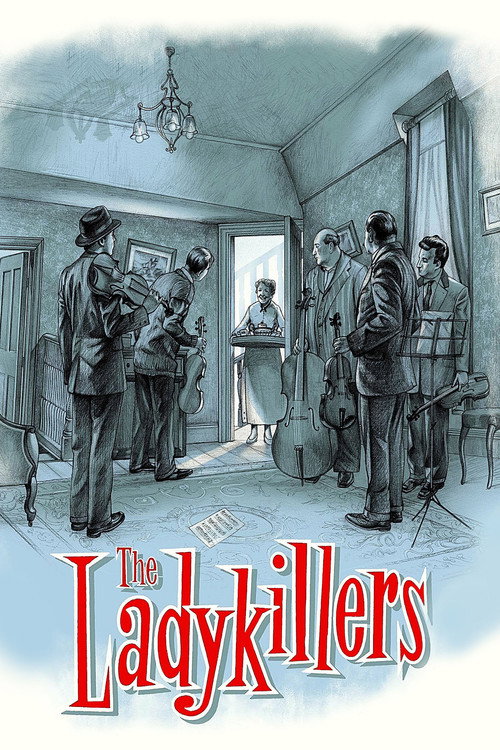
The Ladykillers1955
Ealing comedies at their finest: criminals posing as something else while an innocent civilian outsaints them all. The template for heist comedies where the plan is perfect and the world is crooked.
But It's shot in vivid Technicolor and plays almost like a stage farce—if you want something grittier or more modern, the artificiality will show.
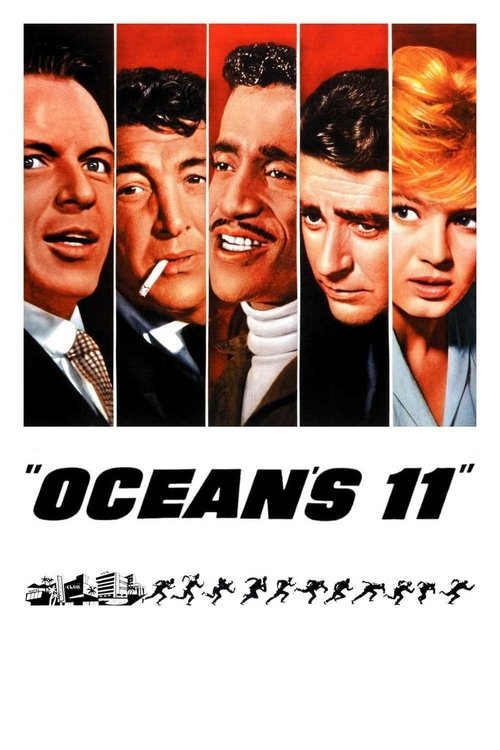
Ocean's Eleven1960
The original, not the Soderbergh remake. Rat Pack charm, an elegant heist, and that sense of style and camaraderie among crooks. Quick Change owes something to this template of appealing criminals having fun.
But It's a product of its moment—the sexism is casual, the pacing meandering, and the heist itself is less clever than the cool surrounding it.
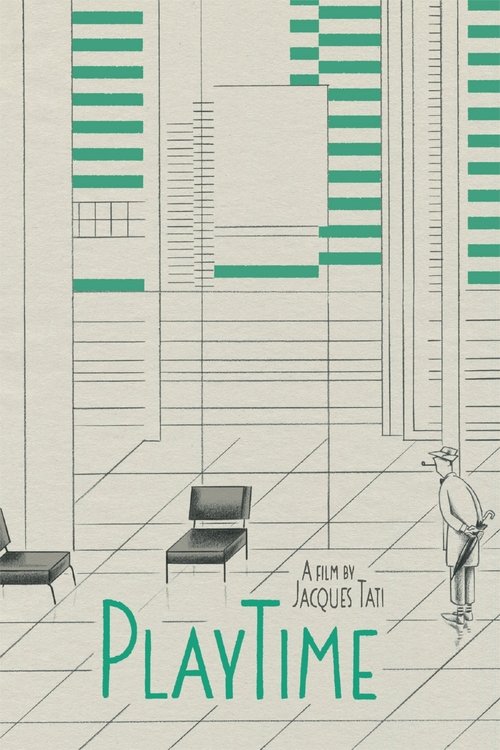
PlayTime1967
Both are about intelligent characters undone by the city itself—not by villains, but by systems, crowds, bureaucracy, and the sheer indifference of the urban landscape.
Jacques Tati's monumental, nearly silent comedy about an American woman visiting Paris and getting lost in a bewildering modern city. It's a feature-length version of Quick Change's DNA: a protagonist navigating an elaborate, absurd world without quite fitting in. Tati's use of physical space and layered gags is hypnotic.
But It's 124 minutes, mostly wordless, and requires active watching. There are stretches with minimal plot and your patience for Tati's style matters enormously.
Rififi1955
Both films understand that the escape is the real story, and both use geography and mechanics as comedy or drama. Where Quick Change finds humor in failure, Rififi finds tragedy in it.
A French crime thriller with one of cinema's most famous heists: a 30-minute sequence with no dialogue or music, just the sound of the robbery itself. It's stylish, tense, and treats the getaway as seriously as the crime. Quick Change's flip side: what if the heist planning was taken as seriously as the comedy of escape?
But It's a different genre entirely—noir, not comedy—and the tonal shift from heist precision to the aftermath's violence will blindside you. Grittier than anything Quick Change attempts.

People
Cast
 Bill MurrayGrimm
 Geena DavisPhyllis Potter
 Randy QuaidLoomis
 Jason RobardsChief Rotzinger
 Stanley TucciJohnny
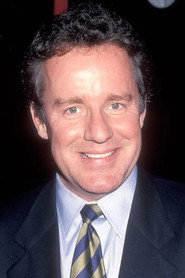 Phil HartmanHal Edison
 Kathryn GrodyMrs. Edison
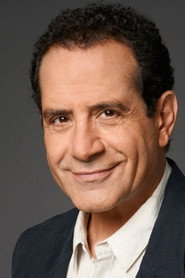 Tony ShalhoubCab Driver
 Philip BoscoBus Driver
 Steve ParkKim, Grocery Cashier
 Kurtwood SmithRuss Crane / Lombino
 Victor ArgoSkelton
Directing
- Bill MurrayDirector
- Howard FranklinDirector
- Kay ChapinScript Supervisor
Writing
- Jay CronleyNovel
- Howard FranklinScreenplay
Production
- Frederic GolchanExecutive Producer
- Bill MurrayProducer
- Robert GreenhutProducer
Recommended by
My Blue Heaven, 30 Minutes or Less, The Ice Harvest, The Money Pit, Seems Like Old Times, We're No Angels, Headless Body in Topless Bar, The Winner