
Film
Zatoichi: Darkness Is His Ally
A late-period entry in the long-running Zatoichi series finds the ageing blind swordsman caught between warring yakuza clans in a rural village. It's a meditation on violence, reputation, and the impossibility of escape disguised as a action film. Meditative where earlier entries were fleet, it's for viewers who value atmosphere and character over spectacle.
Should you watch it?
Watch it if you enjoy a samurai story where the swordplay arrives with weight, and the wandering, humane hero matters as much as the blade.
Skip it if you want constant action, since long stretches of village life and talk separate the sword scenes, and older chanbara conventions may test your patience.
What it asks of you: Expect a measured run of character and atmosphere lasting nearly two hours, with violence arriving in sharp bursts; it rewards patience more than close attention.
Not sure? Find tonight's pick in a minute.
If you liked this
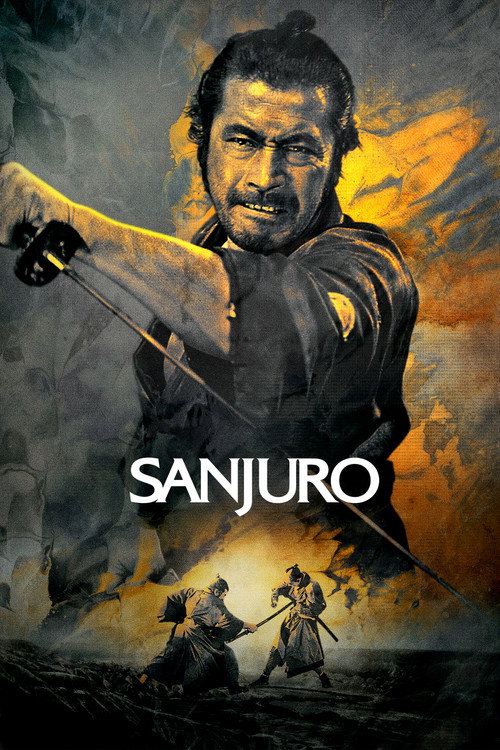
Sanjuro1962
Masaki Kobayashi's yakuza masterpiece about honour, loyalty and the trap of clan obligation. Raw, painterly, morally complex—it shows what happens when codes collide with conscience.
But Black-and-white, deliberately slow, and the violence when it comes is shocking in ways that feel permanent rather than thrilling.
Harakiri1962
Masaki Kobayashi again: a samurai-era film about ritual, futility, and the human cost of codes that demand self-destruction. Technically masterful and emotionally devastating.
But Bleak to the point of nihilism. The pacing is glacial and the ending offers no comfort or redemption.

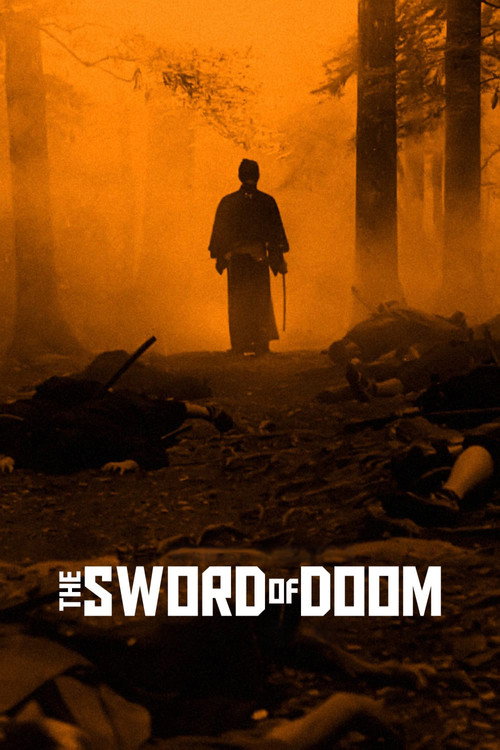
The Sword of Doom1966
Tatsuya Nakadai as a morally hollow swordsman whose skill isolates him absolutely. Gorgeously shot, philosophically dark, it's about talent as a kind of curse.
But The protagonist is nearly irredeemable and the film refuses easy answers. Some will find it punishing rather than profound.
Not sure tonight? Get a pick in a minute, starting from Zatoichi: Darkness Is His Ally
The wildcard
Something you would not have found on your own.
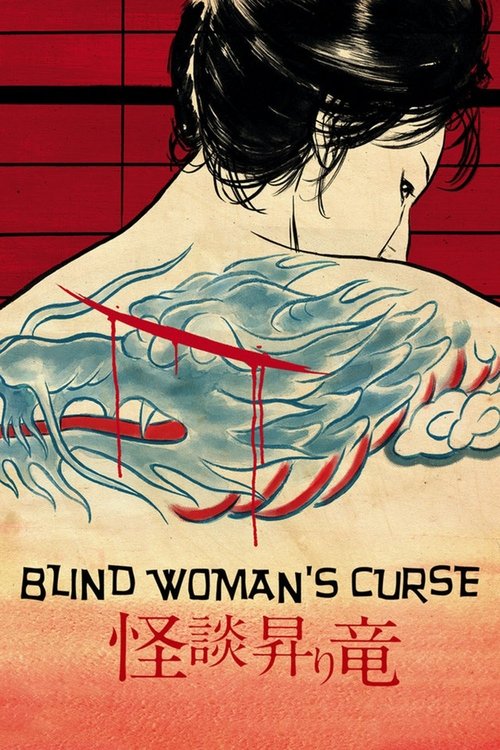
Blind Woman's Curse1970
Both centre a blind protagonist navigating a violent world through non-visual means; both use blindness as spiritual clarity rather than disability.
A revenge film about a blind female yakuza assassin. It has the exploitation energy and visceral action of 1970s B-movies but genuine depth about trauma and sight. Pure discovery.
But Genuinely cheap in places and the plot strains credibility. The tone swings wildly between pulp and pathos.
More like this (7)
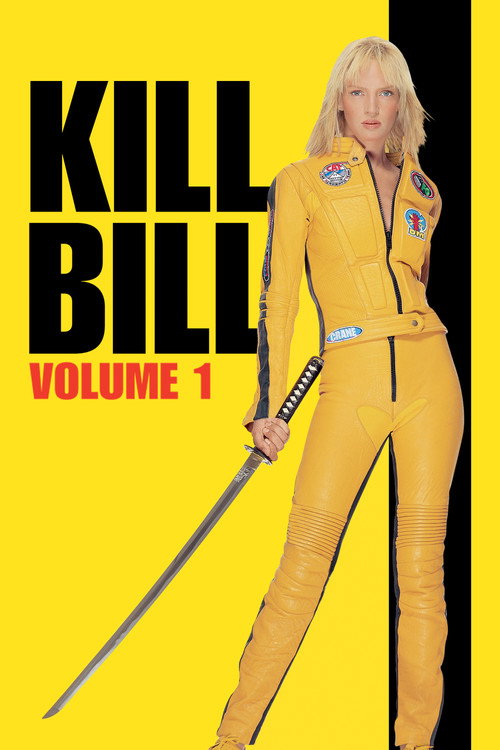
Kill Bill: Vol. 12003
Tarantino's pulp homage to Japanese samurai and exploitation cinema, including direct visual nods to Zatoichi. Stylish, operatic, wildly entertaining.
But Tonal whiplash between comedy and graphic violence. If pastiche without original purpose bothers you, this won't land.
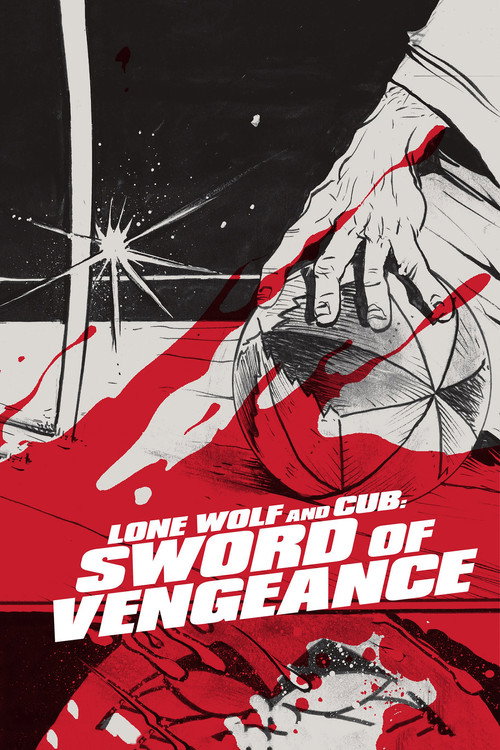
Lone Wolf and Cub: Sword of Vengeance1972
The first in a sprawling series about a wandering assassin and his son. Brutal, visually inventive, and genuinely moving about the price of isolation.
But Extremely graphic violence including harm to a child (though handled with narrative weight). The plotting is episodic and can feel scattered.
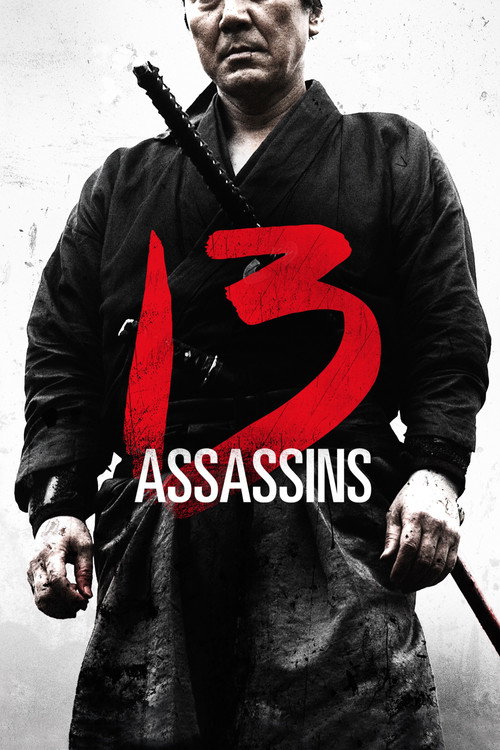
13 Assassins2010
Takashi Miike's samurai epic about a team assembling to stop a tyrant. Methodical planning followed by a battle sequence of stunning choreography and scope.
But The middle stretch is exposition-heavy and the final action, while impressive, goes on longer than some patience allows.
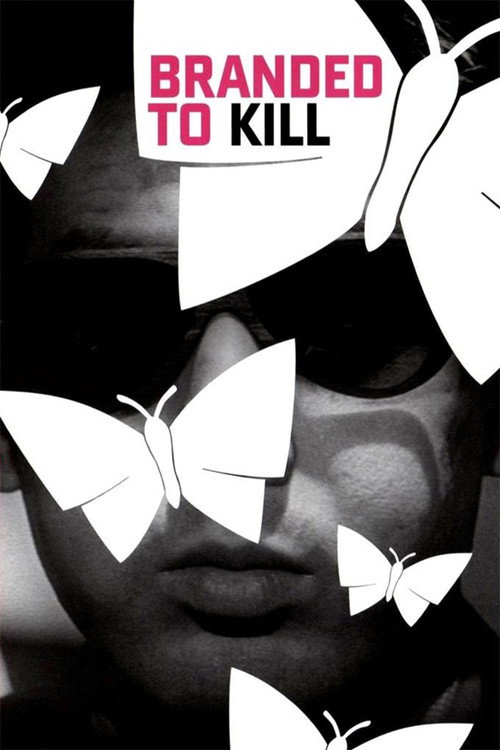
Branded to Kill1967
Seijun Suzuki's surreal yakuza film about a hitman cursed by failure. Visually audacious, narratively fractured, it's like noir dreamed by someone on the edge of collapse.
But The plot barely coheres and the style overwhelms story. If you need clear narrative through-lines, this is not your film.
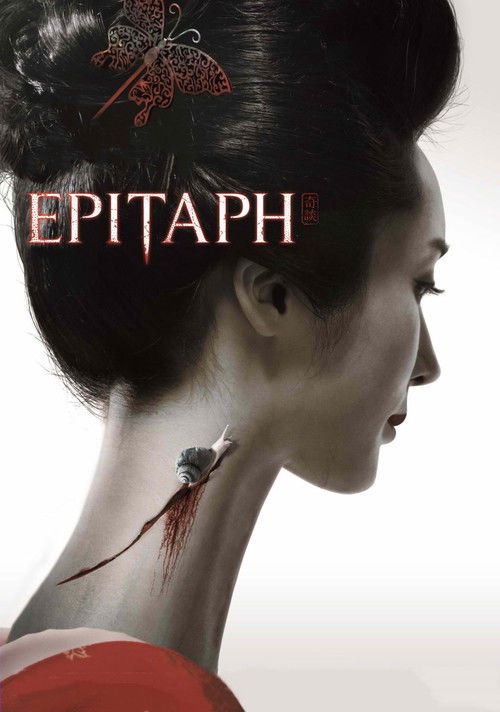
Epitaph2007
A contemporary Korean gangster film that meditates on aging, mortality, and the weight of history. Formally controlled and emotionally severe in ways that linger.
But Very slow and very serious. Virtually no action until the final act, and when violence comes it is brief and unglamorous.
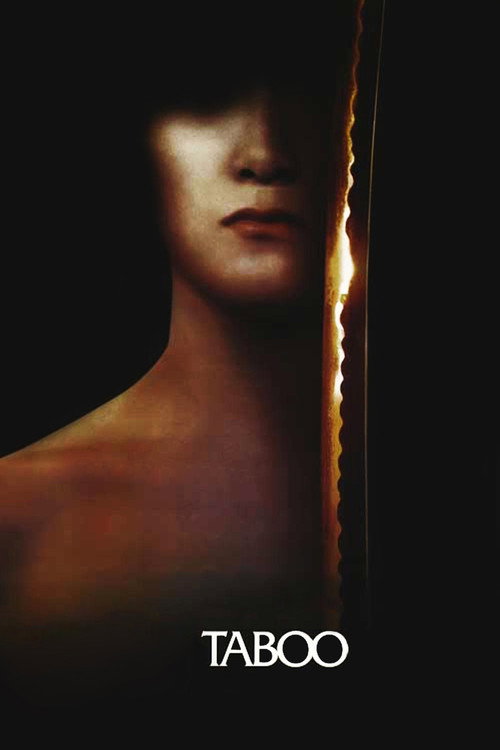
Taboo1999
Nagisa Oshima's last film, about desire and power within a samurai militia during Japan's civil war. Provocative, sensual, and structurally ingenious.
But Sexually explicit and philosophically indulgent. The narrative becomes increasingly abstract and some will find it pretentious.
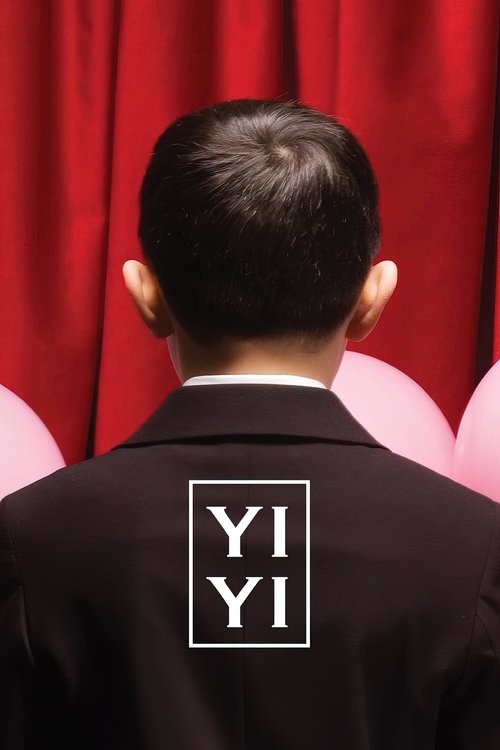
Yi Yi2000
Both films are late-career meditations on loneliness and the impossibility of truly connecting with others despite skill and goodwill. Both use disability or limitation as metaphor for human separateness.
Edward Yang's Taiwanese family drama about the impossible weight of obligation, secrecy, and the gap between inner and outer self. Shot in luminous colour, quietly devastating. It has nothing to do with yakuza but everything to do with the trapped feeling that animates Zatoichi: Darkness Is His Ally.
But Nearly three hours and formally quiet. Plot is subordinate to observation and the emotional payoff is melancholy rather than cathartic.
People
Cast
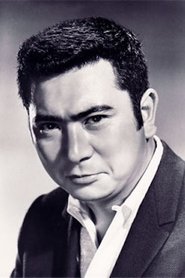 Shintarō KatsuZatoichi
 Kanako HiguchiBoss Han Bosatsu
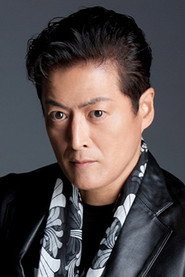 Takanori JinnaiInspector Hanshu
- Ryûtarô GanBoss Goemon
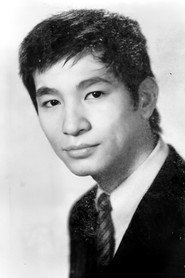 Yuya UchidaBoss Akabei
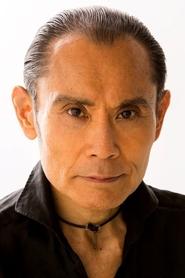 Tsurutaro KataokaTsuru

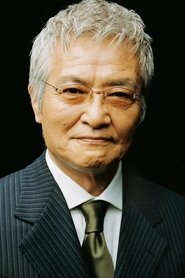 Ken OgataRonin
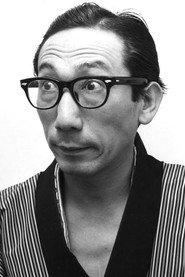 Norihei MikiZatôichi's Friend
 Joe YamanakaKuruma Sukezaemon

Directing
- Shintarō KatsuDirector
Writing
- Kyōhei NakaokaAdaptation
- Shintarō KatsuScreenplay
- Tatsumi IchiyamaScreenplay
- Tsutomu NakamuraScreenplay
- Kan ShimozawaStory
Production
- Masanori SanadaProducer
- Shintarō KatsuProducer