
Film
The Incredibly Strange Creatures Who Stopped Living and Became Mixed-Up Zombies!!?
- Fantasy
- Zombie horror
- Strange
A 1964 horror-musical fever dream about a carnival fortune teller's cursed prediction. Ray Dennis Steckler directs with no regard for narrative coherence, logic, or good taste—instead delivering garish colours, go-go dancing, hypnosis, and lurching monsters in equal measure. It's genuinely, bewilderingly strange: the kind of film that makes you wonder what everyone involved was thinking, which is precisely why some people find it mesmerizing.
Should you watch it?
Watch it if you enjoy gloriously sloppy homemade oddities where ambition outruns the budget, and you find a wobbly mix of carnival chills and song breaks more charming than annoying.
Skip it if you need tight plotting, polished effects or a steady pace, since this one wanders and runs on loose, cheap-feeling momentum for its eighty-odd minutes.
What it asks of you: The shape is brisk and shaggy, under ninety minutes, with a tonal swerve from creepy to goofy that keeps you guessing what it wants from you.
Not sure? Find tonight's pick in a minute.
If you liked this
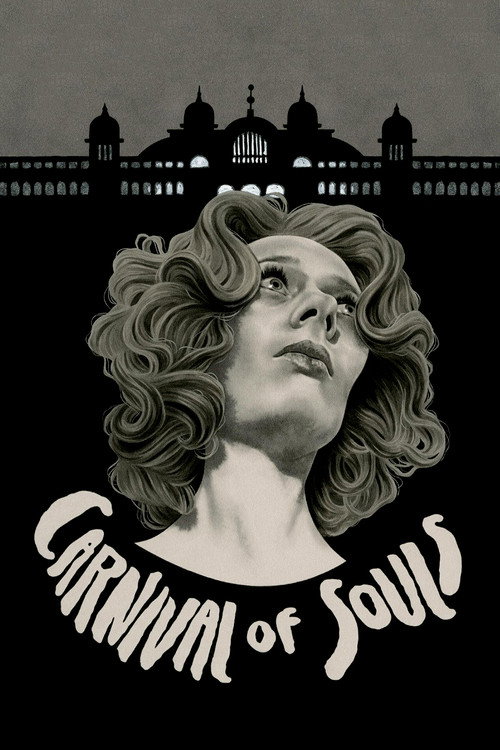
Carnival of Souls1962
A genuinely eerie carnival-set horror with real dread and visual creativity. Karen Black's performance anchors genuine unease, and the fairground setting becomes truly menacing—exactly what Steckler was reaching for but never quite grasped.
But It's slower and more meditative than you might expect. The payoff takes patience, and there's no fun-bad energy to coast on.
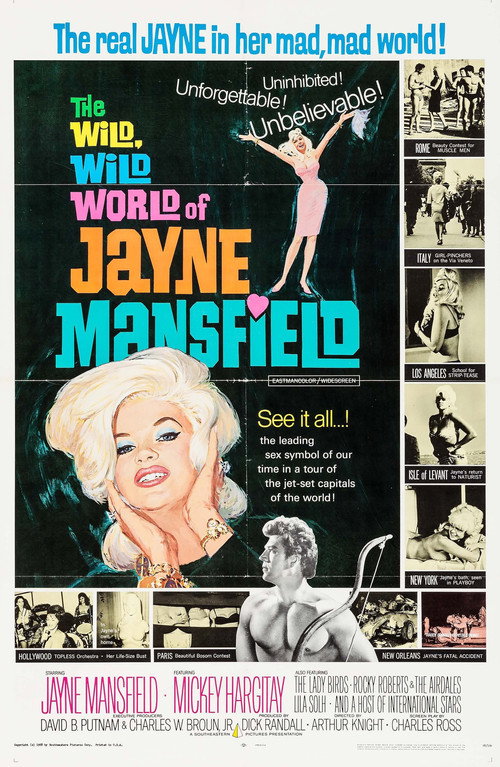
The Wild, Wild World of Jayne Mansfield1968
Another Steckler picture, but actually watchable—a psychedelic, sexploitation-tinged romp with the director's trademark disregard for conventional storytelling. If you want Steckler chaos with slightly better production values and go-go dancers, this scratches that itch.
But It's still fundamentally incoherent. If you hated the first one, this won't convert you.
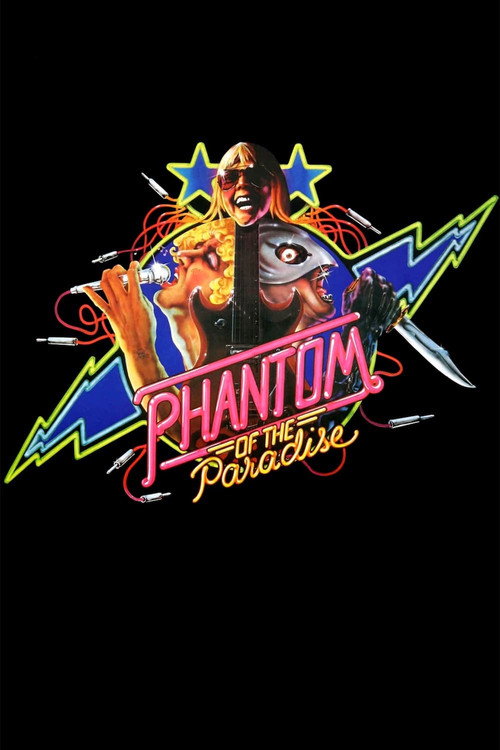
Phantom of the Paradise1974
Brian De Palma's glorious horror-musical about rock opera and revenge. It's genuinely stylish, funny, and unsettling in ways Steckler aspired to—colourful, theatrical, and completely committed to its madness without breaking character.
But It's far more polished and competent. If you specifically love incompetence as entertainment, this is too well-made.
Not sure tonight? Get a pick in a minute, starting from The Incredibly Strange Creatures Who Stopped Living and Became Mixed-Up Zombies!!?
The wildcard
Something you would not have found on your own.
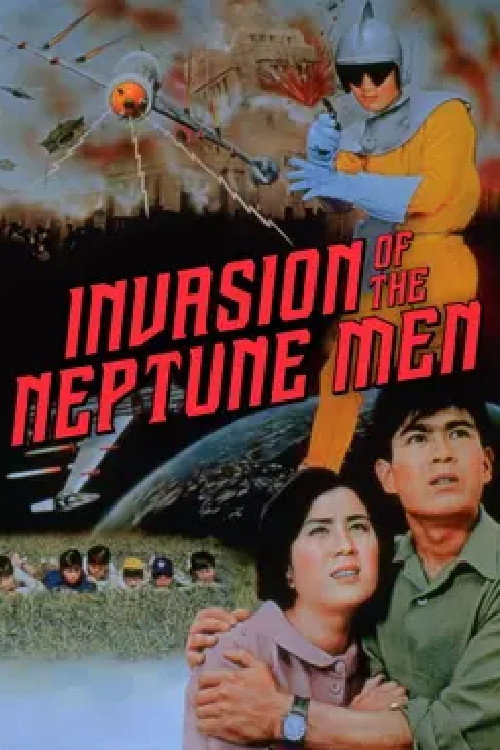
Invasion of the Neptune Men1961
Both are low-budget mid-century genre films that abandon conventional storytelling in favour of pure atmosphere and visual bizarreness. Both somehow achieve a kind of hypnotic quality precisely because they've abandoned all pretense of making sense.
A Japanese sci-fi B-movie with stock footage, nonsensical plotting, and a kid-hero that makes zero sense. It shares Steckler's total disregard for narrative logic and the same bargain-basement ingenuity—but it's in colour, it's faster-paced, and somehow works as entertainment despite being indefensible on paper.
But It's aggressively silly and utterly incoherent. If you want structure or sense, this has neither.
More like this (8)
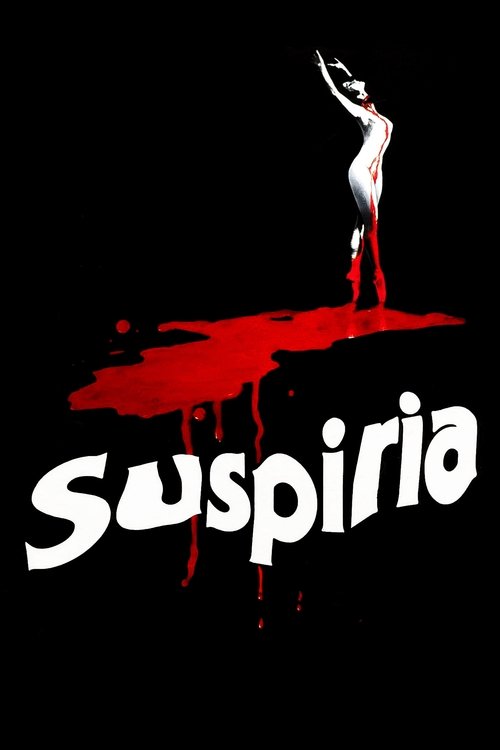
Suspiria1977
Dario Argento's operatic giallo masterpiece. Lurid, hallucinatory, drenched in colour and a prog-rock score, with witchcraft and visual excess. It's everything Steckler wanted to make but with actual technical skill and genuine atmosphere.
But It's a serious film that takes itself seriously. None of the accidental comedy or so-bad-it's-good charm.
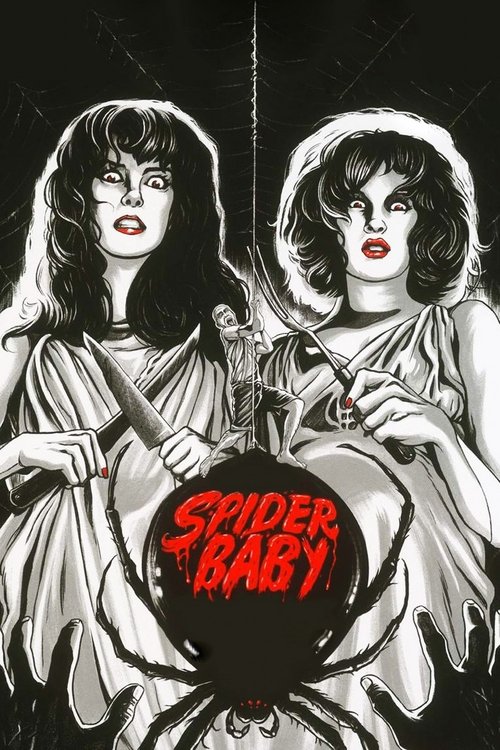
Spider Baby1967
Jack Hill's deeply weird family horror with Lon Chaney Jr. Genuinely unsettling despite zero budget, genuinely funny without trying to be. It has the fever-dream logic and low-budget strangeness without Steckler's complete narrative breakdown.
But It's darker than it first appears. The tone shift from camp to something genuinely creepy might not land for everyone.
Mulholland Drive2001
David Lynch's Hollywood nightmare on a grand budget. Hallucinatory, impossible to parse, visually gorgeous, emotionally devastating. If you loved the disorientation of Steckler but wanted it to *mean* something, this is the answer.
But It's 147 minutes of intentional confusion. Some people find that infuriating rather than fascinating.

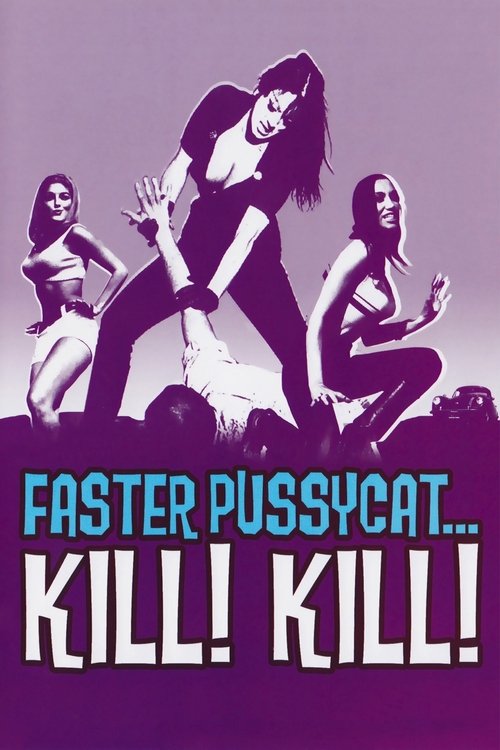
Faster, Pussycat! Kill! Kill!1965
Russ Meyer's go-go dancer revenge film. Visually outrageous, genuinely transgressive, actually well-made. It's got the same era, the same sexploitation energy, and the same 'what the hell did I just watch' feeling—but with competence underneath.
But It's gratuitously sexist by design. Meyer's camera loves women while the story treats them as objects.
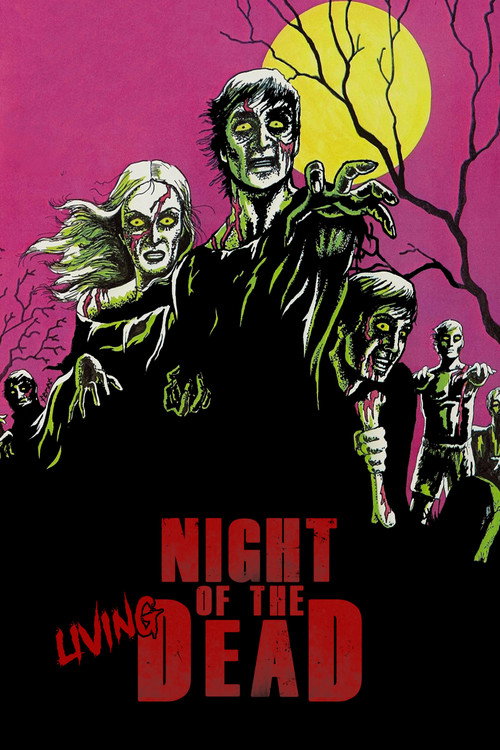
Night of the Living Dead1968
Romero's foundational zombie film made for nothing. Black-and-white austerity, genuine social rage, real scares. It proves you don't need colour, music numbers, or coherence to make something that actually terrifies people.
But It's absolutely humourless and relentlessly bleak. No fun here, just dread.
Glen or Glenda1953
Ed Wood's cross-dressing fever dream—incomprehensible, deeply sincere, visually bizarre. If Steckler is your jam, Wood is your patron saint: pure passion, zero craft, utterly hypnotic in its wrongness.
But It's nearly incomprehensible even by ed Wood standards, and the subject matter demands sensitivity Wood doesn't always provide.
A Clockwork Orange1971
Both use garish colour, music, and dance as tools of genuine psychological unease. Both are uncompromising in their refusal to make the audience comfortable, though one does it through art and one through accident.
Kubrick's dystopian horror-musical with go-go dancers, surreal set design, and a nightmare logic. Visually baroque and intentionally disorienting in completely different ways—but the same willingness to make the audience uncomfortable through colour, music, and perverse beauty.
But It's serious, morally complex, and aggressively difficult. It's the inverse of Steckler's cheerful incompetence.
Werckmeister Harmonies2001
Both films reject linear storytelling for a kind of dreamlike, repetitive logic where mood and atmosphere matter more than plot. Both trust the audience to sit with confusion and unease. Both are films that *work* precisely because they refuse to be conventional—just in completely opposite ways.
Béla Tarr's seven-hour black-and-white Hungarian meditation on apocalypse, isolation, and societal collapse. It moves at a hypnotic crawl, uses long takes and minimal dialogue, and creates a kind of existential dread that's nothing like Steckler's chaos—but both films achieve their power by rejecting conventional narrative structure entirely in pursuit of pure mood.
But Seven hours of black-and-white slow cinema is a test of patience. If Steckler bored you for 82 minutes, this will destroy you.
People
Cast
 Ray Dennis StecklerJerry
 Carolyn BrandtMarge Neilson
- Brett O'HaraMadame Estrella
- Atlas KingHarold
- Sharon WalshAngela
- Pat KirkwoodMadison
- Erina EnyoCarmelita
- Don RussellOrtega
- Toni CamelStella
 Titus MoedeHobo
- Denise LynnDancing Girl
 László KovácsMan at Carnival (uncredited)
Directing
- Ray Dennis StecklerDirector
Writing
- E.M. KevkeOriginal Story
- Gene PollockScreenplay
- Robert SilliphantScreenplay
Production
- George J. MorganExecutive Producer
- Ray Dennis StecklerProducer
Recommended by
"MANOS" The Hands of Fate, Santa Claus Conquers the Martians, Otaku no Video, Voyage to the Planet of Prehistoric Women, The Worm Eaters, Attack of the Killer Tomatoes!, Plan 9 from Outer Space, Equinox, Hardware Wars, Eegah, Troma's War, Burial of the Rats, Mystery Science Theater 3000: The Movie, Pajama Party, The Ghost in the Invisible Bikini, The Creeps, Brides of Blood, It's a Bikini World, The Horror of Party Beach