
Film
Stray Cat Rock: Sex Hunter
A 1970 Japanese exploitation film where an all-female street gang defends their mixed-race friend against a violent racist rival gang. Stray Cat Rock: Sex Hunter is lurid, scrappy, and unexpectedly political—a B-movie that treats its female protagonists as capable action heroes rather than decoration. It's for viewers who want their thrills raw and their gender politics refreshingly uncomplicated for the era.
If you liked this
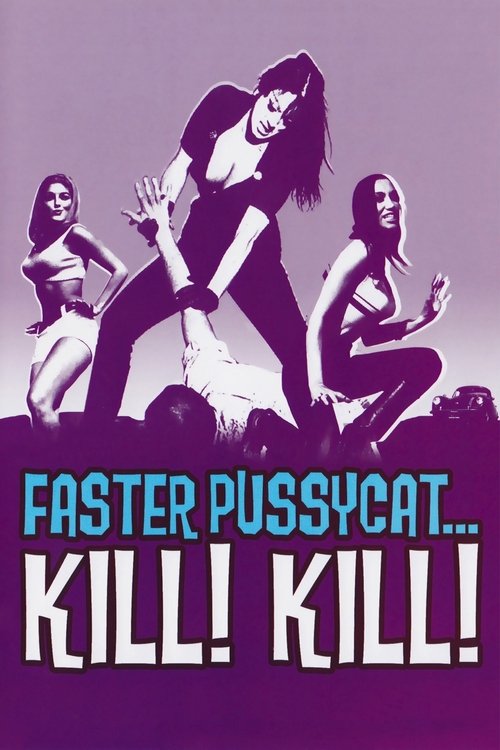
Faster, Pussycat! Kill! Kill!1965
Russ Meyer's anarchic masterpiece about dangerous women on the road. Feral energy, audacious action sequences, and a complete refusal to apologize for female aggression or sexuality. A clear spiritual ancestor to what you're about to watch.
But The pacing is deliberately chaotic and the plot is deliberately thin. If you need a clear three-act structure, this will frustrate you.
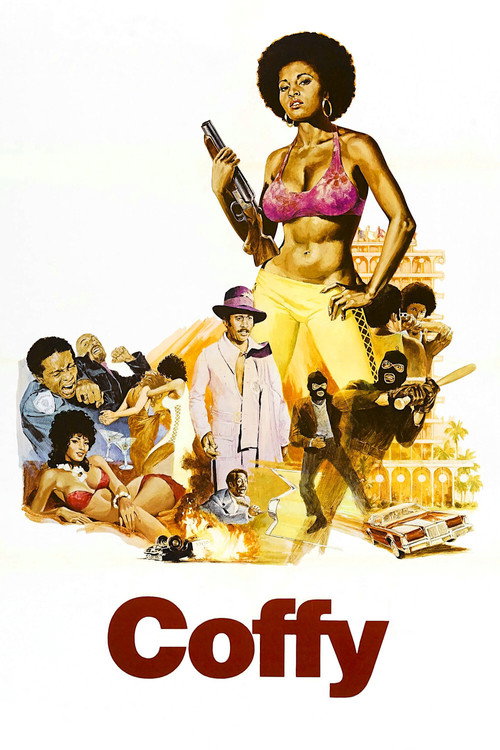
Coffy1973
Pam Grier as a nurse taking on the drug trade with improvised weaponry and pure force of will. Blaxploitation at its best—funny, violent, and genuinely subversive about gender and race. Later than yours but cut from the same cloth.
But It's deliberately trashy and sometimes uncomfortable in how it handles exploitation. Not interested in making you comfortable or teaching you lessons.
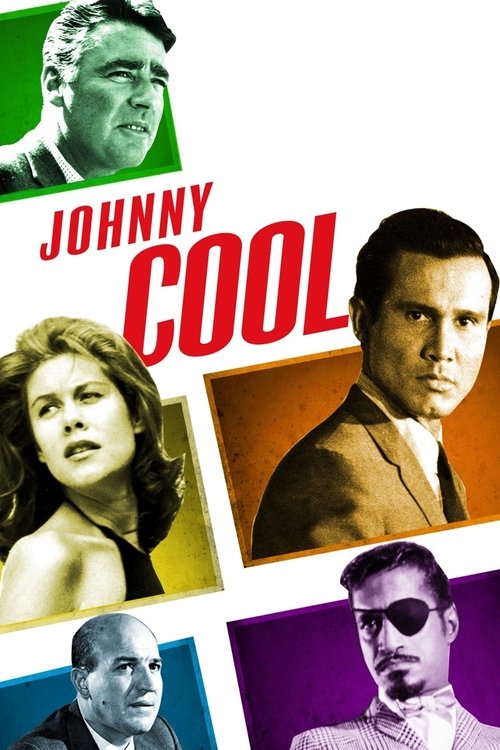
Johnny Cool1963
A deranged revenge thriller where a Sicilian killer is deployed against the American underworld. The gang violence is vicious, the plotting is baroque, and it treats moral questions as complications rather than clarifications.
But The tone whipsaws constantly between comedy and brutality. The editing and dialogue rhythms are deeply strange by conventional standards.
Not sure tonight? Get a pick in a minute, starting from Stray Cat Rock: Sex Hunter
The wildcard
Something you would not have found on your own.
The Ballad of Little Jo1993
Both center on women who refuse victimhood in male-dominated worlds, using their own rules and their own violence as the answer.
A woman in the Old West passes as a man to survive and prosper. Like your film, it's about a female protagonist navigating a brutal world designed to exclude her, solving the problem through pragmatism and cunning rather than appeals to fairness. Shot in cool, spacious vistas that contrast with the intimacy of survival.
But It's a revisionist Western, deliberately slow, and interested in the psychology of compromise. The violence is consequence, not spectacle, and some will find it morally complicated in ways that feel evasive.

More like this (7)
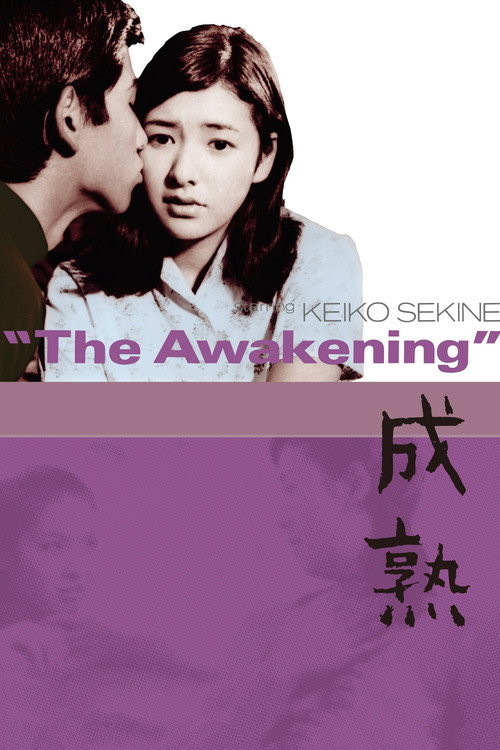
The Awakening1971
A Japanese crime film about rival yakuza gangs that prioritizes action and visual storytelling. Gorgeously shot, kinetically edited, and interested in the physical reality of fighting rather than its dramatic weight.
But Plot and character psychology take a back seat to mood and movement. If you're watching for narrative resolution, you'll be disappointed.
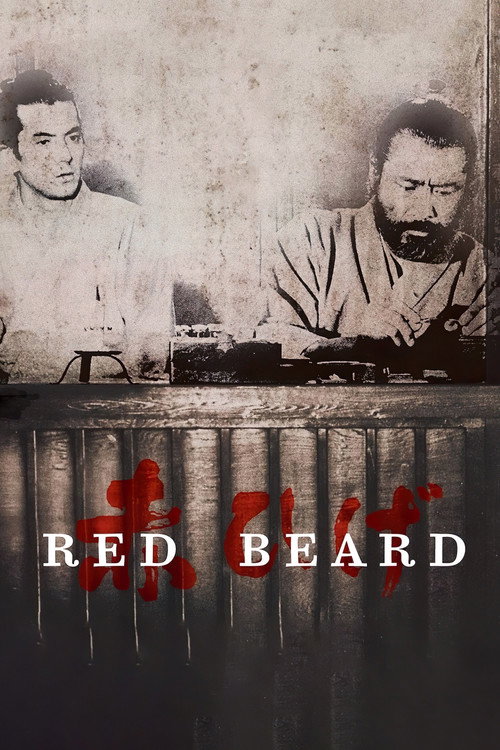
Red Beard1965
Kurosawa's epic about a principled doctor at a low-class clinic, filled with fight scenes and moral clarity. Humanist action cinema—violence in service of something larger than ego or revenge.
But It's nearly three hours and the pacing is deliberate. The philosophical elements might feel heavy-handed if you're not in the mood for them.
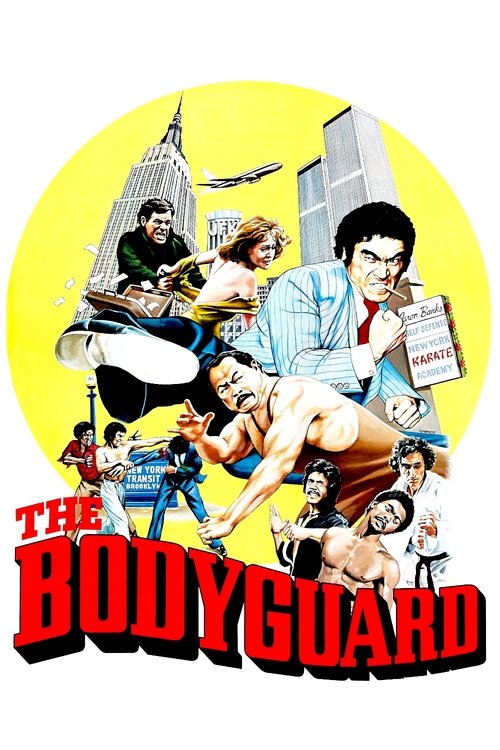
The Bodyguard1973
A Japanese thriller about protection and betrayal, with Sonny Chiba bringing precise physicality to the action. Sharp, economical, and uninterested in softening its violence with meaning.
But The dubbing is rough and the narrative is fairly straightforward. There's not much thematic depth underneath the plot mechanics.
In the Mood for Love2000
Wong Kar-wai's meditation on restraint and desire, shot in saturated color and composed like paintings. A completely different approach to cinema, but it captures a similar intensity within constraint.
But It's a romance, not an action film. The pacing is glacial and almost nothing happens. If you're coming for thrills, you'll be baffled.

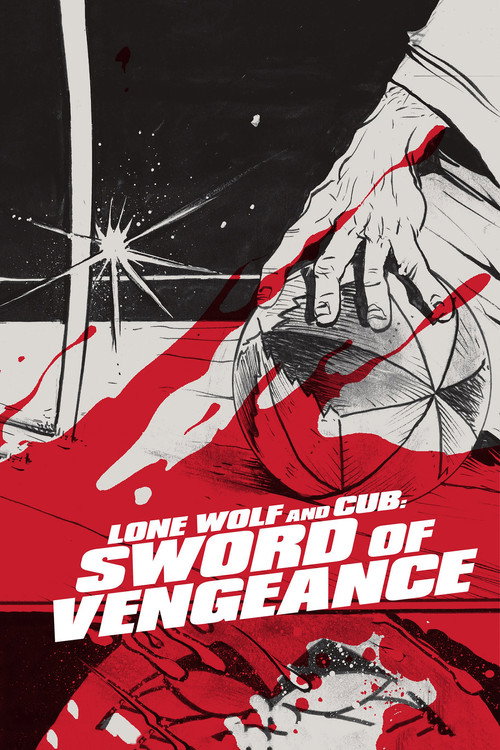
Lone Wolf and Cub: Sword of Vengeance1972
The first in the samurai series—a masterpiece of stark violence and visual poetry. A man with a child in a cart methodically kills his way toward justice. Pure, elegant, and utterly uncompromising.
But It's slow and meditative between the violence. The story is simple to the point of abstraction, and there's no character development in the conventional sense.
Memories of Murder2003
Both use genre violence as a response to structural oppression—racism in your film, state brutality in this one. Both make the violence necessary rather than entertainment.
Bong Joon-ho's serial killer film set during Korea's authoritarian 1980s. A gang of corrupt cops pursuing a killer in a social order designed to crush them all equally. The rage at injustice isn't personal—it's systemic—and the violence is the only language that system understands.
But It's grim and deliberately frustrating. The moral framework offers no comfort and the ending refuses catharsis. You will not feel better after watching it.

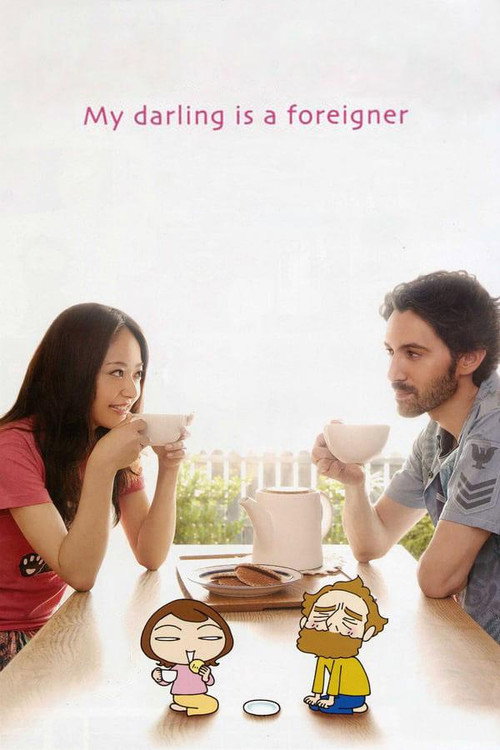
My Darling Is a Foreigner2010
Both are about outsiders negotiating Japanese society—one through violence and solidarity, one through humor and patience. Both suggest that belonging is never guaranteed and must be actively claimed.
A documentary about a Japanese woman and her Belgian husband navigating daily life in Tokyo. Funny, tender, and genuinely interested in how culture shapes the smallest interactions. A radical shift from your film's genre, but it obsesses over the same territory—what it means to belong or not belong.
But It's a documentary and moves at the pace of real life. If you want plot momentum or narrative resolution, you'll find it unbearably slack and repetitive.
People
Cast
 Meiko KajiMako
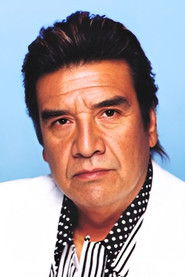 Rikiya YasuokaKazuma
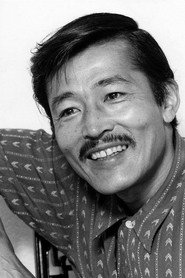 Tatsuya FujiBaron
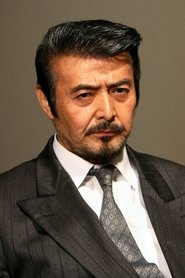 Jiro OkazakiSusumu
 Yuki ArikawaMegumi
- Yôko TakagiMegumi
- Akemi NaraBar Blues Madam
- Setsuko MinamiKiko
- Mari KoisoMari
- Mie HanabusaYuka
- Nobuko AokiMiki
- Tatsuya HamaguchiDonku
Directing
- Nobuaki ShiraiAssistant Director
- Yasuharu HasebeDirector
Writing
- Atsushi YamatoyaScreenplay
- Yasuharu HasebeScreenplay