
Film
The Awakening
Other titles called The Awakening: the 1980 film, the 2011 film, the 2014 film, the 2026 film.
A 1971 Japanese drama of quiet intensity about a woman confronting the gaps between who she thought she was and who she's become. It moves without melodrama, preferring the tremor beneath silence. Demanding but rewarding—for viewers patient with ambiguity and alive to the minor shifts that reveal character.
If you liked this
Tokyo Story1953
Ozu's masterpiece about a family gathering and the small, devastating ways people miss each other. If you respond to restraint and the poetry of ordinary moments, this is essential.
But It's slow by design. Nothing much happens. If you need plot momentum, the long takes and stillness may frustrate rather than move you.

Harakiri1962
Masaki Kobayashi's unflinching portrait of honor, duty, and the systems that destroy men. Formally composed, emotionally devastating, and deeply moral without preaching.
But The blade strikes aren't softened. It's a film about ritual suicide that doesn't look away, which some find too painful to watch.

Woman in the Dunes1964
Hiroshi Teshigahara's hypnotic trap: a man stuck in a sand pit with a widow, questioning reality and free will. Visually stunning and philosophically rich, it stays with you.
But Repetitive by intention, which some read as tedium. The ending offers no comfort or escape.

Not sure tonight? Get a pick in a minute, starting from The Awakening
The wildcard
Something you would not have found on your own.
A Single Life2014
Both films about female transformation and the moment when recognition arrives too late. The animation is sparse and melancholic rather than cute—it earns every frame.
A six-minute Dutch animated film that rewrites a woman's entire life by flipping a record. Miraculously moving—it does what The Awakening does but compressed into one perfect gesture.
But Six minutes feels too short. You'll want more immediately, which is precisely the point and also the heartbreak.

More like this (8)
Floating Clouds1955
Naruse's portrait of two lovers whose wartime romance cannot survive peace. Exquisitely sad, with a lead performance of crushing vulnerability. Post-war trauma without sentimentality.
But It's relentlessly bleak. There are no reversals, no silver linings—just the slow weight of how life erodes hope.

Ikiru1952
Kurosawa's meditation on mortality and meaning: a dying bureaucrat spends his last months building a playground. Funny, tender, and genuinely about something that matters.
But The framing device pulls some punch, and the film's earnestness won't land if you resist its sentimentality.

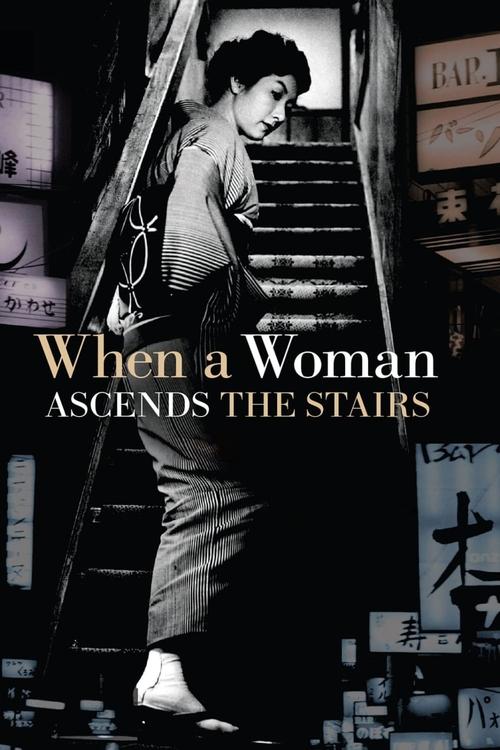
When a Woman Ascends the Stairs1960
Naruse again, with Hideko Takamine as a bar hostess calculating her shrinking options. A precise, unglamorous look at women's constraints and small acts of defiance.
But The pacing is glacial and the world is suffocating. Designed to show entrapment, which means the viewing experience mirrors it.
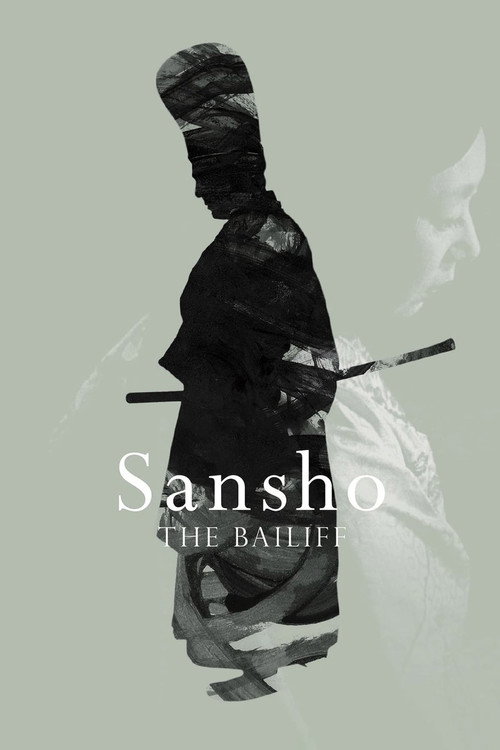
Sansho the Bailiff1954
Mizoguchi's ravishing, tragic story of a family torn apart by poverty and cruelty. Visually sumptuous and morally profound—a master at the height of his power.
But Long takes and minimal dialogue require patience. The tragedy is immense and the resolution bittersweet rather than cathartic.
The Ballad of Little Jo1993
Maggie Greenwald's strange, true story of a woman who lived as a man on the frontier. Quiet, revisionist, and genuinely about reinvention and the masks we wear.
But It's unconventionally paced and the emotional beats are muted. The ending is quietly cryptic rather than resolved.

Winter Light1963
Bergman's stark chamber piece about faith, doubt, and the emptiness between people. Unsparing and austere, but for those who meet it, unforgettable.
But It's bleak and airless, even the cinematography is gray. If you need human warmth from your cinema, this withholding register will feel punishing.

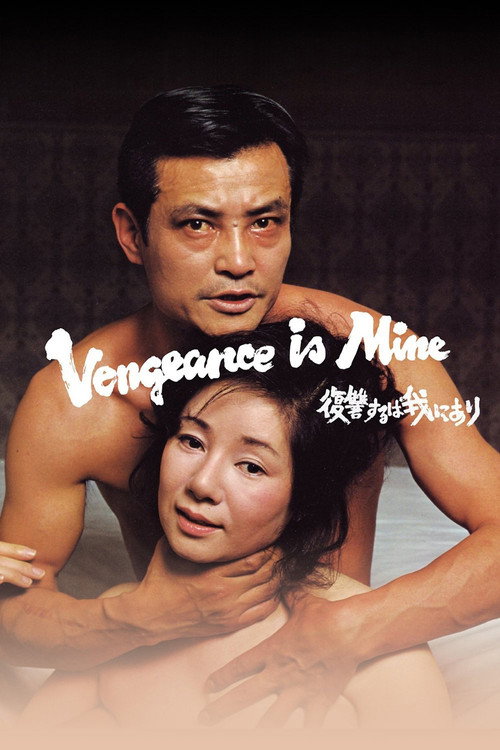
Vengeance Is Mine1979
Both Japanese films about individuals awoken to truths about themselves. But where The Awakening is interior and restrained, this explodes outward in transgression—the inverse register, same anatomy.
Shohei Imamasu's portrait of a serial killer and his mother, unflinching and sick with insight. The psychological investigation cuts deeper than most crime cinema dares.
But It's perverse and queasy. The identification with the protagonist is uncomfortable. Violence is specific and cruel, not operatic.
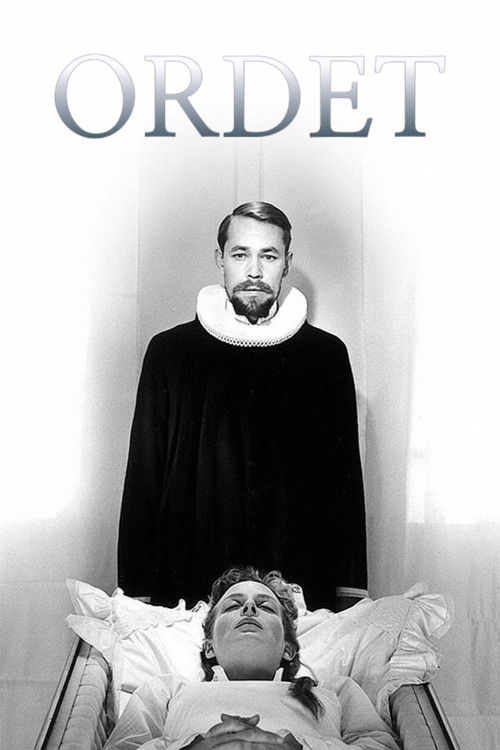
Ordet1955
Both rare films about spiritual awakening without any easy answers. But Dreyer is metaphysical and visionary; The Awakening is earthbound and psychological. One reaches for transcendence, the other for self-knowledge.
Carl Theodor Dreyer's Danish masterpiece about faith, doubt, and resurrection in one family over one weekend. Formally radical, theologically muscular, endlessly alive.
But The religious argument may feel dated or preachy. The final scene divides viewers completely—some find it revelatory, others find it impossible to accept.
People
Cast




Directing
- Noriaki YuasaDirector
Writing
- Nisan TakahashiScreenplay