
Film
Sukiyaki Western Django
Takashi Miike's gleefully insane fusion of samurai cinema and American Westerns, shot in Japan with Japanese actors speaking broken English. It's visually baroque, tonally chaotic, and unapologetically weird—a carnival ride that loves being exactly what it is. For viewers who want cinema that surprises them and aren't afraid of getting lost in the machinery.
Should you watch it?
Watch it if you enjoy stylised, operatic genre mash-ups where a Sergio Leone-style standoff can turn into a comic set piece and the bloodshed is painted in bold, almost cartoon colours.
Skip it if you want a lean, straightforward western, since this one is loud, crowded with plot threads and runs two hours, its gore and broad humour often jostling for space.
What it asks of you: Two hours of attention is needed, with factions shifting and tone swerving abruptly, so stay alert rather than letting the mood wash over you.
Not sure? Find tonight's pick in a minute.
If you liked this
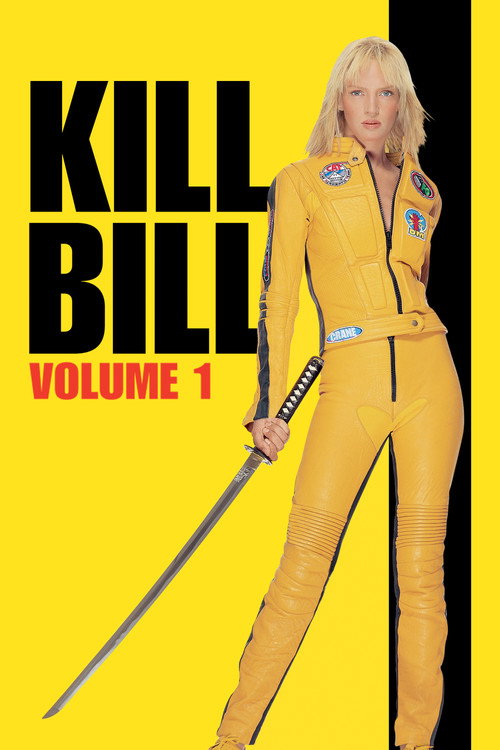
Kill Bill: Vol. 12003
Tarantino's love letter to exploitation and genre mashup, built from stolen moments and pure style. Like Sukiyaki Western Django, it trusts visuals and attitude over coherence, and dares you to have fun while it breaks every rule.
But Nearly three hours, and the plot is genuinely threadbare. If you need narrative momentum or emotional stakes, this prioritizes aesthetic flourish instead.
Harakiri1962
Masaki Kobayashi's samurai masterpiece—meditative, gorgeous, and built from ritual and silence. It shows where Miike's DNA comes from, and what he chose to scatter everywhere Harakiri kept still.
But Slow, formal, and about death as bureaucratic tragedy. If you're here for kinetic fun, this will feel like punishment.

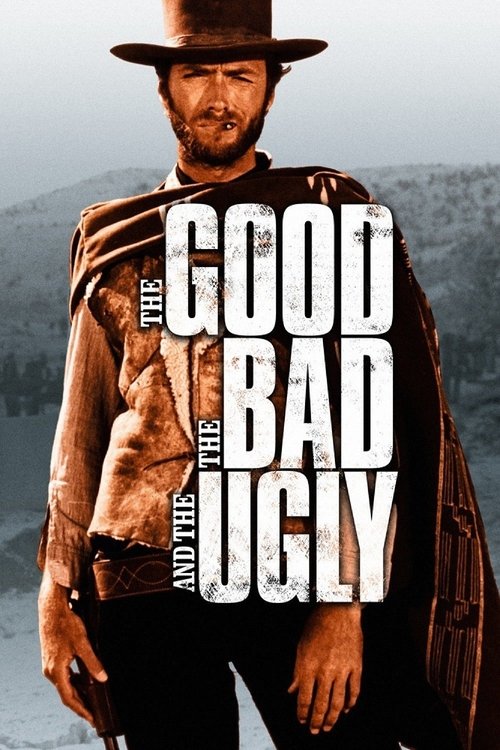
The Good, the Bad and the Ugly1966
Sergio Leone's Western is the template that Miike raids—mythic, operatic, driven by pure visual storytelling. You need this to understand what Sukiyaki Western Django is riffing on and reinventing.
But Three-hour runtime, subtitles, and it moves at its own meditative pace. Modern action films are faster; Leone demands patience.
Not sure tonight? Get a pick in a minute, starting from Sukiyaki Western Django
The wildcard
Something you would not have found on your own.
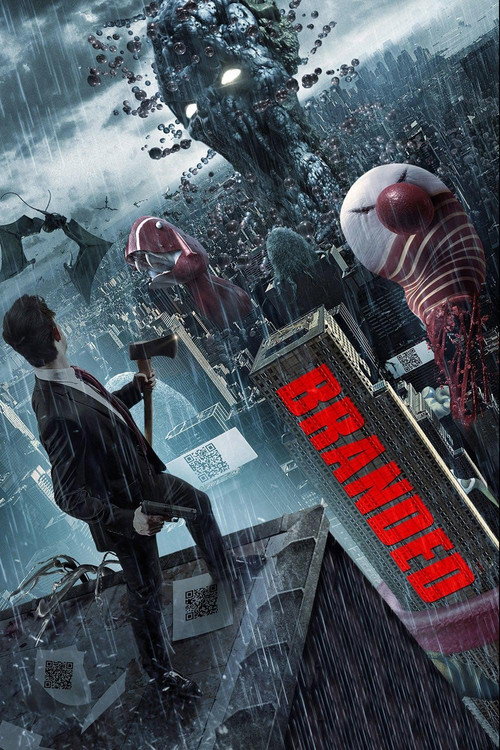
Branded2012
Both films abandon plot coherence in service of visual and thematic obsession, trusting that style and idea matter more than narrative clarity.
A Russian anti-capitalist thriller that abandons plot for visual metaphor and moral fervour—advertising symbols become monsters, reality fractures. Like Sukiyaki Western Django, it treats film as a space where genre dissolves into fever dream. Completely different in tone but identical in willingness to abandon coherence for idea.
But Incoherent by design, sometimes incomprehensibly so. It's pretentious in ways Sukiyaki Western Django avoids. If you need story to hold onto, this becomes noise.
More like this (5)
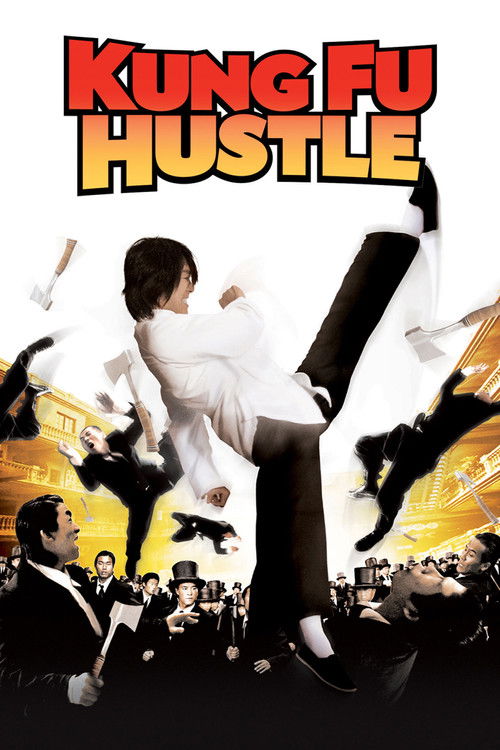
Kung Fu Hustle2004
Stephen Chow's balletic comedy-action hybrid that rewrites genre rules with the same fearless enthusiasm. Both films believe style, humour, and spectacle matter more than plotting.
But The tonal whiplash—from slapstick to genuine peril—can feel scattered. If you want consistency of mood, you'll be frustrated.
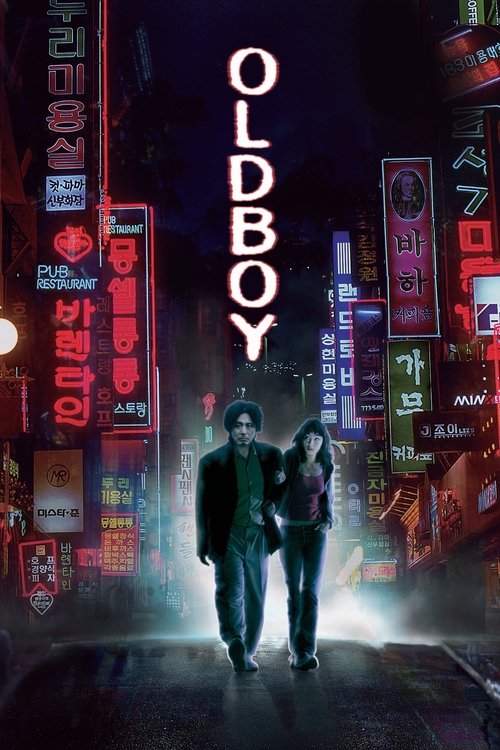
Oldboy2003
Park Chan-wook's Korean revenge thriller proves that genre cinema outside Hollywood can be stranger, more visceral, and more stylish than anything coming from the studio system.
But Genuinely brutal violence and a plot twist that divides viewers hard. Some people feel manipulated; others feel devastated.
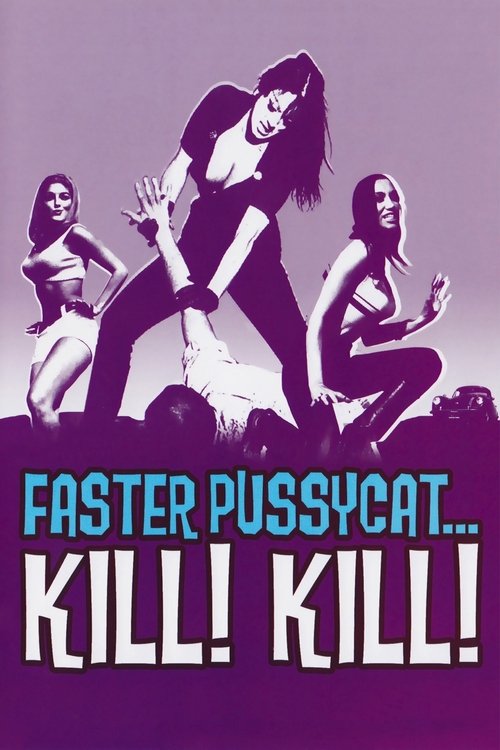
Faster, Pussycat! Kill! Kill!1965
Russ Meyer's transgressive exploitation Western is cheerfully incoherent and visually fevered. Both films treat genre as a sandbox and demolition site simultaneously.
But It's genuinely disreputable—women as predators, racism casual and unexamined. The transgression doesn't age into substance.
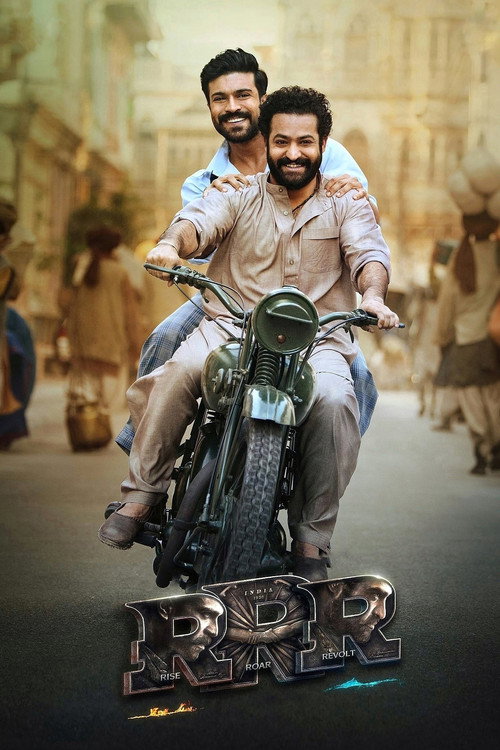
RRR2022
S.S. Rajamouli's Telugu-language action epic is joyfully excessive, genre-mixing, and visually inventive in ways that feel closer to Miike's spirit than most recent cinema.
But Nearly three hours, minimal plot, and the emotions are heightened to operatic extremes. Some find it exhilarating; others find it exhausting.
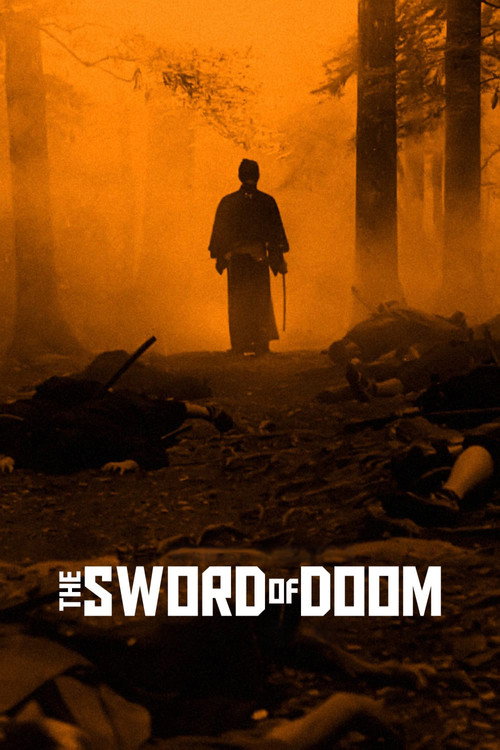
The Sword of Doom1966
Both feature a nameless swordsman/gunman drifting through violence, but The Sword of Doom treats that archetype with tragic weight, where Sukiyaki Western Django treats it as anarchic theatre.
Tatsuya Nakadai in Masaki Kobayashi's bleak samurai noir—amoral, aesthetically severe, psychologically damaged. It's what Sukiyaki Western Django could have been if Miike had made it in 1966 as a serious film instead. Same actor archetype (the nameless wanderer), opposite register entirely. A black-and-white meditation on the cost of violence, not its spectacle.
But Genuinely depressing, visually austere, and built from silence rather than noise. If you want fun or colour, this is the inverse. Some find it tedious; others find it enlightening.
People
Cast
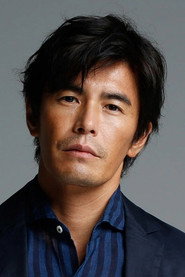 Hideaki ItoGunman
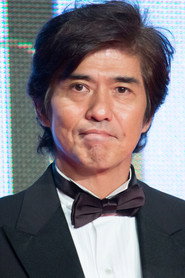 Koichi SatoKiyomori
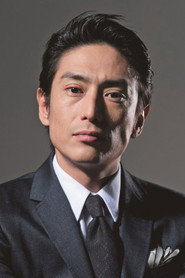 Yusuke IseyaYoshitsune
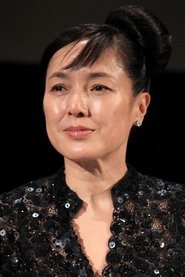 Kaori MomoiRuriko
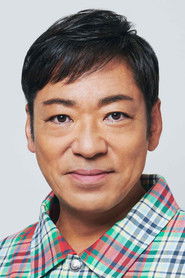 Teruyuki KagawaSheriff
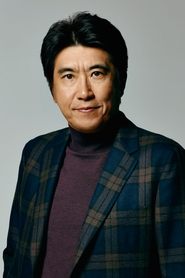 Takaaki IshibashiVillage Mayor
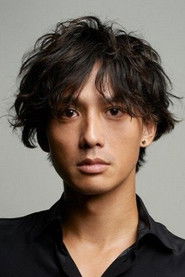 Masanobu AndoYoichi
 Yoshino KimuraShizuka
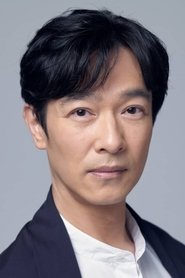 Masato SakaiShigemori
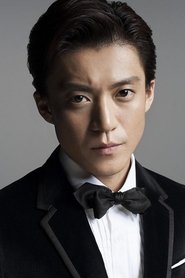 Shun OguriAkira
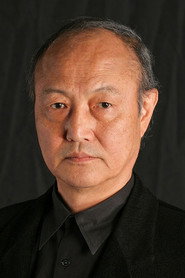 Renji IshibashiBenkei
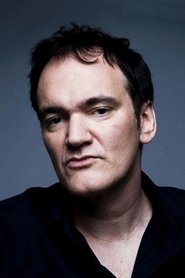 Quentin TarantinoRingo
Directing
- Takashi MiikeDirector
Writing
- Masaru NakamuraWriter
- Takashi MiikeWriter
Production
- Nobuyuki TohyaExecutive Producer
- Quentin TarantinoExecutive Producer
- Toshiaki NakazawaExecutive Producer
- Masao ÔwakiProducer