
Film
Not Quite Hollywood
- Comedy
- Light-hearted
Mark Hartley's love letter to Australian exploitation cinema of the 1970s and 80s—the anarchic, trashy, fearless B-movies that flourished in the margins while art-house films got the prestige. It's cheeky, raucous, packed with outrageous clips and unrepentant filmmakers telling war stories. For anyone who loves cinema history that refuses to be respectable.
If you liked this
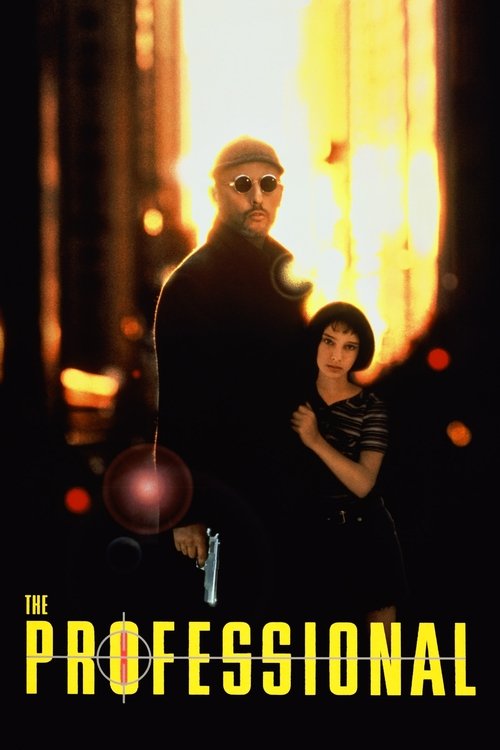
Léon: The Professional1994
Another Mark Hartley documentary about the Australian film industry, this time focused on 1980s action cinema. Same infectious enthusiasm for overlooked genre filmmaking and the eccentric personalities who made it happen.
But It covers much of the same era and some of the same people, so if you've just finished Not Quite Hollywood, the overlap might feel redundant.
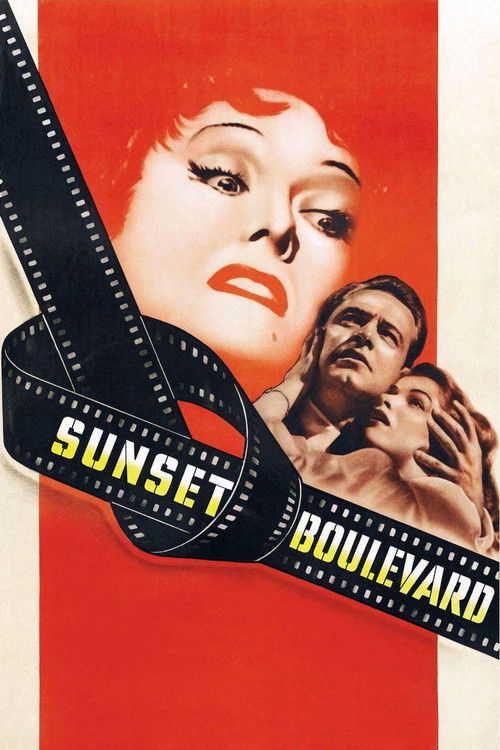
Sunset Boulevard1950
Billy Wilder's merciless, darkly funny excavation of how Hollywood devours and discards people. Like Not Quite Hollywood, it's fascinated by the gap between official cinema and the desperation underneath, but with a noir bite.
But It's in black and white, moves at a 1950s pace, and trades exploitation thrills for psychological dread. Very different energy entirely.
Singin' in the Rain1952
A behind-the-scenes musical about early Hollywood that's actually funny about the industry's phoniness and the gap between image and reality. Shares Not Quite Hollywood's gleeful irreverence about cinema's fake glamour.
But It's a musical, and a joyful one. If you came for transgression and chaos, this is too wholesome and perfectly executed.

Not sure tonight? Get a pick in a minute, starting from Not Quite Hollywood
The wildcard
Something you would not have found on your own.
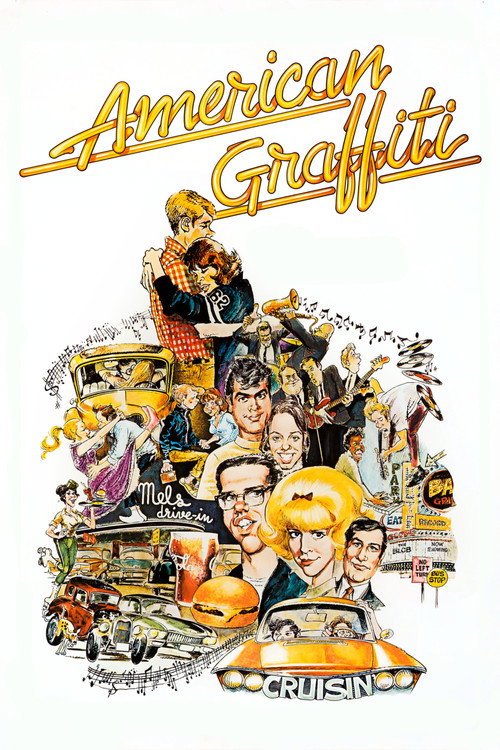
American Graffiti1973
Both films are love letters to a vanished subculture, shot with affectionate humour and populated by charismatic misfits. Both capture a specific era on film before it disappears entirely.
George Lucas capturing a specific moment—1962 California youth culture on the eve of massive change—with the same affectionate, rambling energy and ensemble chaos that Not Quite Hollywood brings to 1970s Australian cinema. It's the mainstream version of the same cultural excavation.
But It's a coming-of-age nostalgia piece, not a behind-the-scenes industry doc. Very different form and purpose, even if the spirit overlaps.
More like this (8)
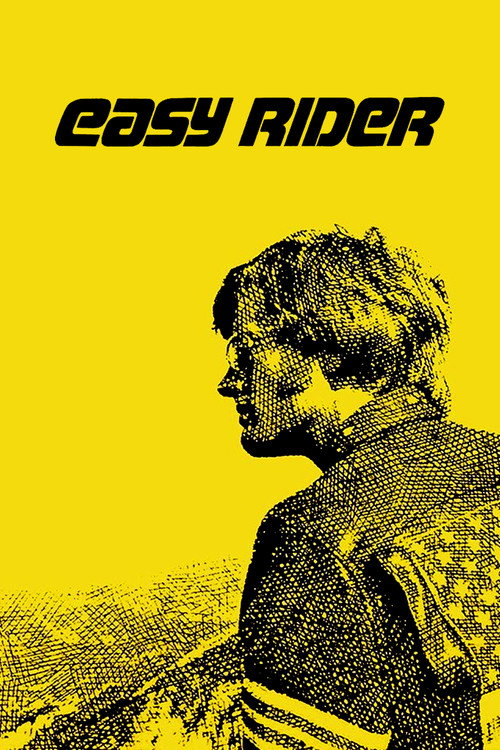
Easy Rider1969
Low-budget cinema that broke every rule and changed what was possible onscreen, with real counterculture energy and a genuine sense of danger. The spiritual ancestor of everything Not Quite Hollywood celebrates.
But It's slower and more contemplative than any exploitation film, and its era paranoia can feel remote from 1970s Australian irreverence.
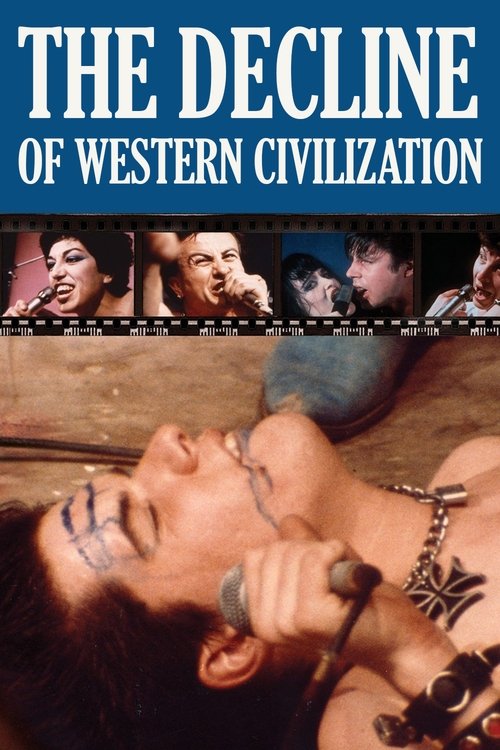
The Decline of Western Civilization1981
Penelope Spheeris documents the LA punk scene with the same unflinching eye and dark humour—capturing a lawless subculture in its moment, unfiltered and often hilarious, told by the people living it.
But It's genuinely grim in places; the fun has an edge of real desperation. Also much less interested in narrative cinema specifically.
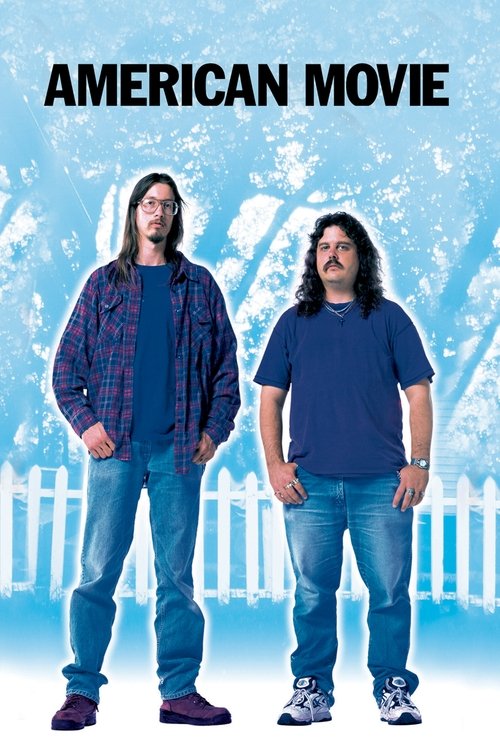
American Movie1999
A documentary about a struggling indie filmmaker trying to make his horror opus with zero budget and maximum delusion. Captures the same beautiful, doomed determination that animated those Australian B-movie makers.
But It's melancholic and you end up pitying the subject. Not Quite Hollywood celebrates its rogues; this one finds them tragic.
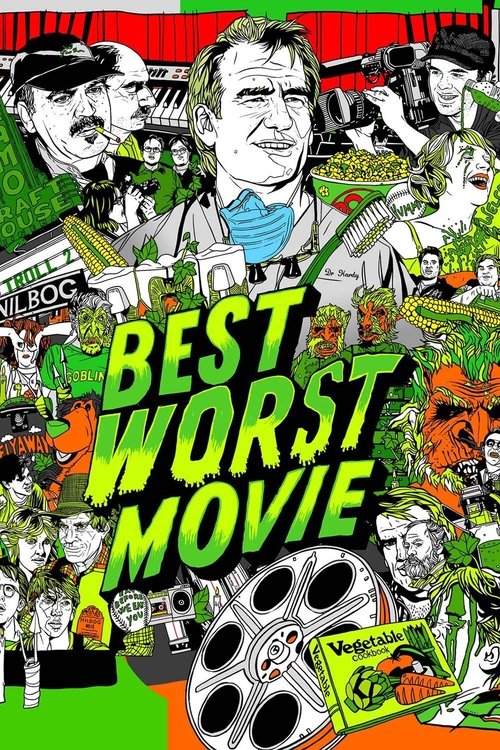
Best Worst Movie2009
A documentary about the cult legacy of Troll 2, one of cinema's most legendarily bad films, told with real affection for its deluded creator. Same spirit of celebrating cinema's beautiful failures and the misfits who made them.
But It focuses on one bad film's fandom rather than a whole era. Less comprehensive, more niche, and requires some prior knowledge of the cult.
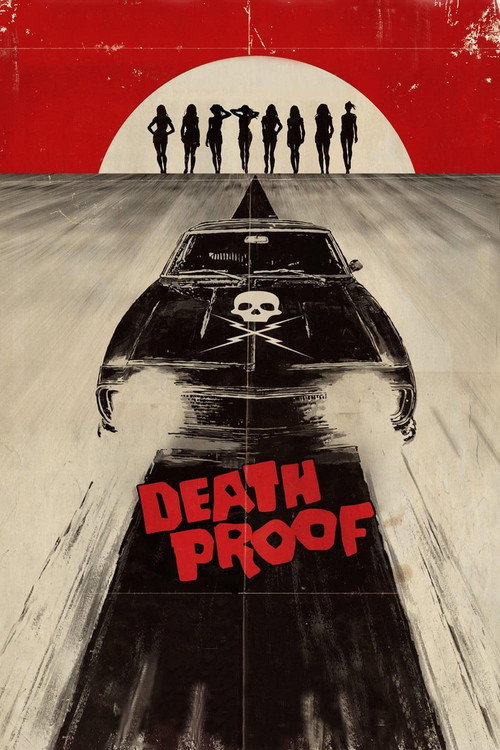
Death Proof2007
Tarantino's love letter to grindhouse cinema, B-movies and exploitation aesthetics. It moves slower than the stuff it celebrates, but the passion for trashy, violent, female-centred genre fun is authentic.
But It's self-conscious and self-admiring in ways that actual exploitation cinema never was. Feels like homage rather than the real thing.
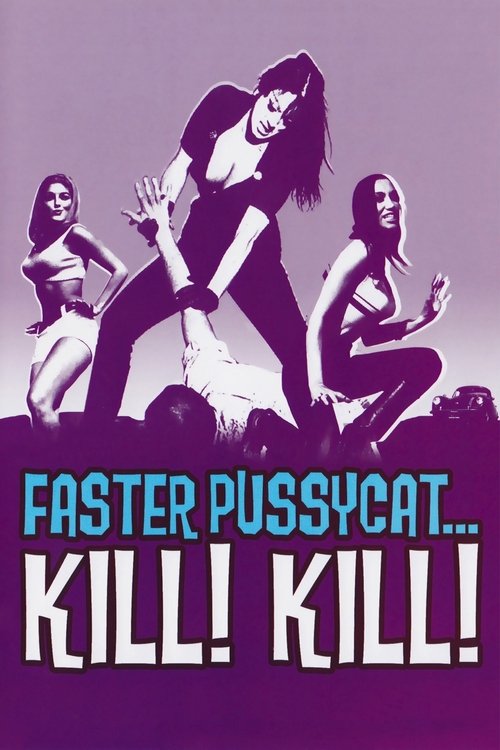
Faster, Pussycat! Kill! Kill!1965
Russ Meyer's cult classic about go-go dancers and crime—the exact kind of transgressive, trashy, genuinely daring cinema that Not Quite Hollywood is mining. You'll see the lineage in action.
But It's genuinely weird and sexualized in ways that feel uncomfortably dated. The satire, if it exists, is not always clear.
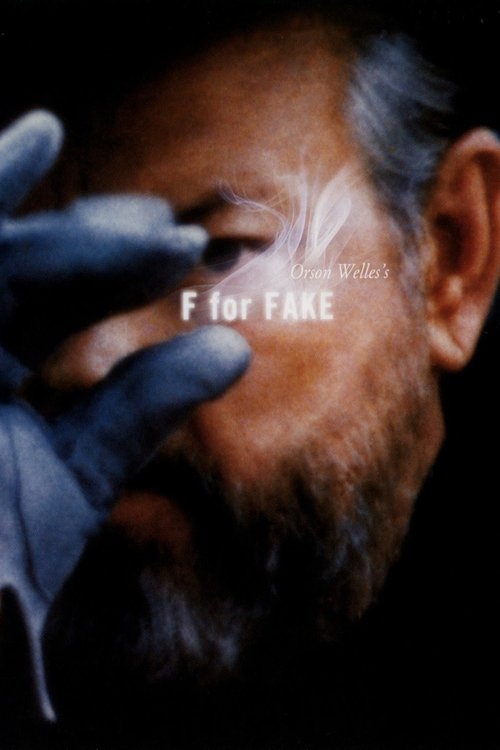
F for Fake1973
Both interrogate cinema's relationship to truth and authenticity, but F for Fake does it through formal experimentation while Not Quite Hollywood does it through archive footage and anecdote.
Orson Welles' essay-film about forgery, cinema, and the gap between truth and image—a documentary that refuses to stay still, jumps through time, and plays games with what's real. Structurally wild in ways that match Not Quite Hollywood's anarchic energy, just in a completely different register.
But It's experimental and philosophical where Not Quite Hollywood is populist and fun. Much slower, much more abstract, asking harder questions.
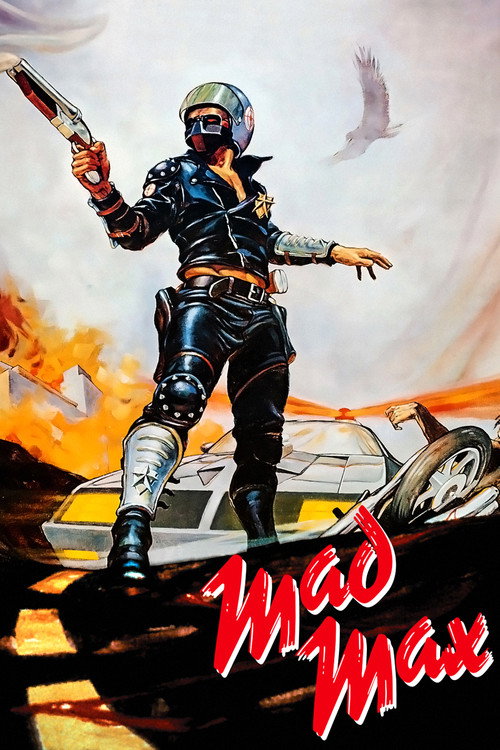
Mad Max1979
Not Quite Hollywood would not exist as a documentary without Mad Max's success—it's the moment Australian exploitation and genre cinema went international. It's the film that validated everything else in the story.
George Miller's debut—the film that launched the Australian genre cinema boom that Not Quite Hollywood documents. Shot for nothing on the roads of Victoria with real stunt performers and an anarchic visual style that proved Australian cinema could be dangerous and fun without art-house credentials.
But It's grimy, dated, and slower than its sequels. The story is thin. If you want to understand the era being documented, this is essential; if you want to be entertained, it might feel like homework.
People
Cast
 Phillip AdamsSelf
 Glory AnnenSelf
 Christine AmorSelf
- Victoria AnouxSelf
 Briony BehetsSelf
 Steve BisleySelf
 Jamie BlanksSelf
 Graeme BlundellSelf
 Russell BoydSelf
 Richard BrennanSelf
- Tom BurstallSelf
- Dan BurstallSelf
Directing
- Mark HartleyDirector
Writing
- Mark HartleyWriter