
Film
Mad Max
- Car-chase action
- Street-gang crime
- Very dark
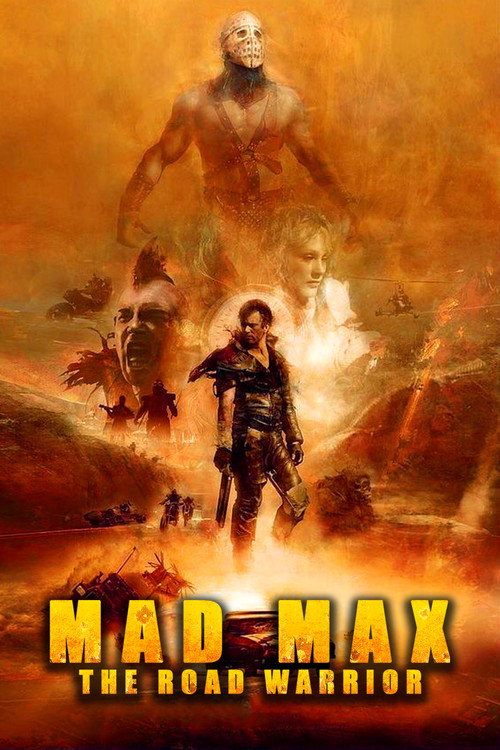
A raw, low-budget Australian action film that invents an entire aesthetic and language for post-apocalyptic cinema. Mel Gibson plays a cop unraveling as society collapses around him, pursued by a leather-clad motorcycle gang. Relentless, visually inventive, and genuinely unsettling—this is exploitation cinema that transcends its modest budget.
Should you watch it?
Watch it if you love lean, lived-in action where the cars, the grime and the sheer physical danger do the storytelling, and you don't mind a rough, low-budget edge that feels handmade rather than polished.
Skip it if you want a sleek, fast-cut blockbuster or sophisticated characters; the dialogue is sparse, the acting is raw, and the second half in particular can feel sluggish to modern eyes.
What it asks of you: Ninety-one minutes of mostly quiet build-up punctuated by sudden, brutal bursts of road violence, so patience with its slow stretches pays off in the chases.
Not sure? Find tonight's pick in a minute.
If you liked this
Mad Max 21981
The sequel perfects everything the first film started: bigger stunts, sharper storytelling, and the full flowering of Mad Max's baroque wasteland aesthetic. One of cinema's purest action experiences.
But If you haven't seen the original, this will feel like arriving mid-conversation. Some find the non-stop vehicular chaos exhausting rather than exhilarating.
Death Wish1974
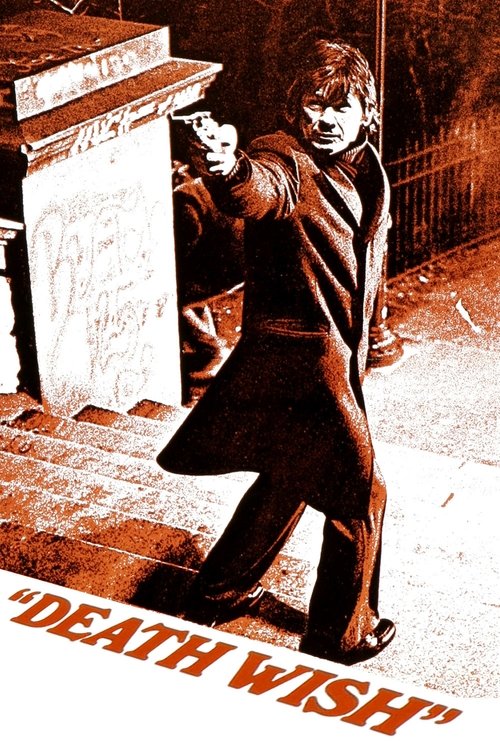
Charles Bronson as an ordinary man becoming an instrument of violent revenge. Like Mad Max, it's about the psychology of a good person pushed beyond breaking—raw and morally uncomfortable in ways modern action films avoid.
But Vigilante fantasy that hasn't aged gracefully. The sexual violence early on is brutal and may feel exploitative rather than thematic.
Vanishing Point1971
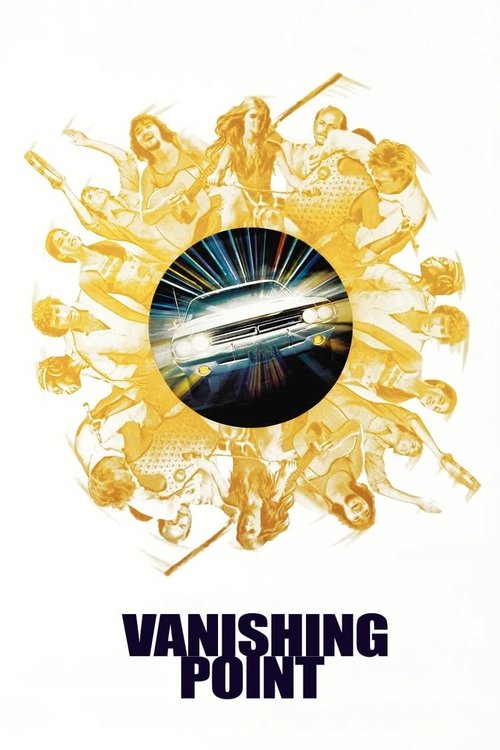
A man drives across America pursued by police in a stripped-down narrative that's part road movie, part descent into obsession. The same hypnotic momentum and fatalism, compressed into 107 minutes.
But Long stretches of driving and minimal dialogue. The pacing is deliberately meditative, which some will find contemplative and others will find tedious.
Not sure tonight? Get a pick in a minute, starting from Mad Max
The wildcard
Something you would not have found on your own.
Sorcerer1977
Both are films about competent men propelled forward by forces they can't control, driving into oblivion on roads that are actively hostile. Both use isolation and mechanical failure as psychological weapons.
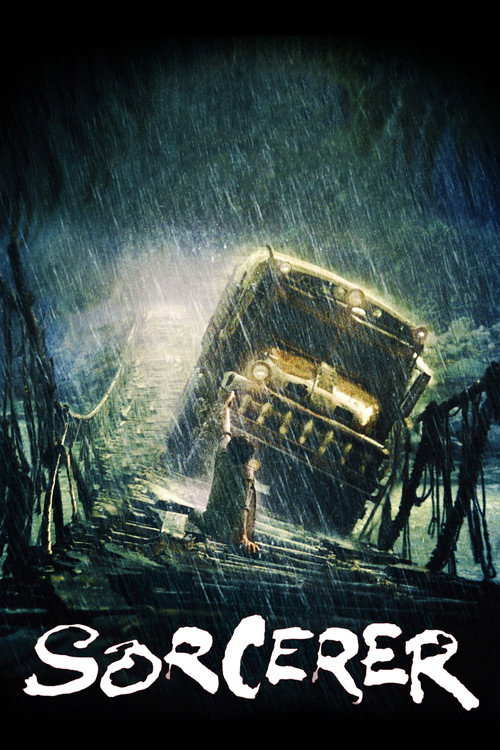
William Friedkin's remake of Wages of Fear transplants the original's obsessive narrative—men driving toward doom against impossible odds—to jungle roads and spiritual decay. Same escalating dread, utterly different aesthetic. Ignored in its time, restored and rightfully reconsidered.
But Three hours of mounting dread rather than catharsis. The film refuses to accelerate into action; it gets quieter and heavier. Audiences expecting Friedkin's usual velocity will feel cheated.
More like this (8)
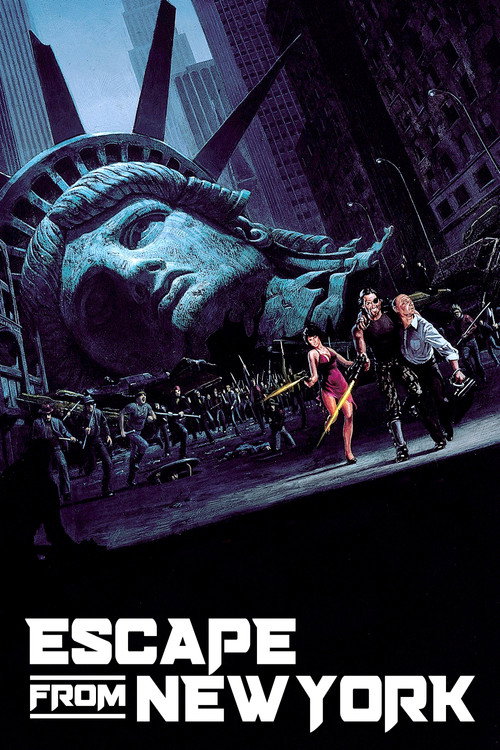
Escape from New York1981
John Carpenter's dystopian thriller has Mad Max's DIY ingenuity and visual style but trades the desert for a walled-off Manhattan. Kurt Russell as an antihero drifting through chaos—same spirit, different stage.
But The budget shows in ways that undercut the premise. Some action sequences feel clumsy, and the political satire hasn't aged as well as the mythology.
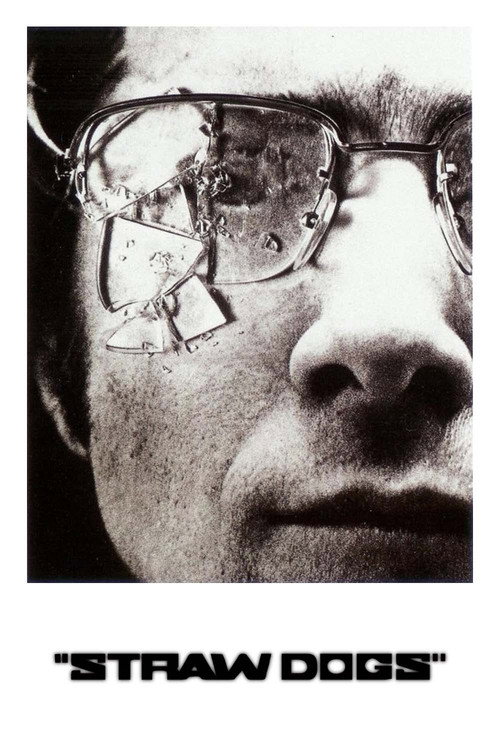
Straw Dogs1971
Peckinpah's brutal examination of civilized masculinity under siege. Like Mad Max, it's about a decent man discovering violence within himself—but infinitely more psychologically complex and disturbing.
But Rape scene. Extreme violence treated seriously but not graphically. If you're looking for cathartic action, this is the opposite—it's meant to make you uncomfortable.
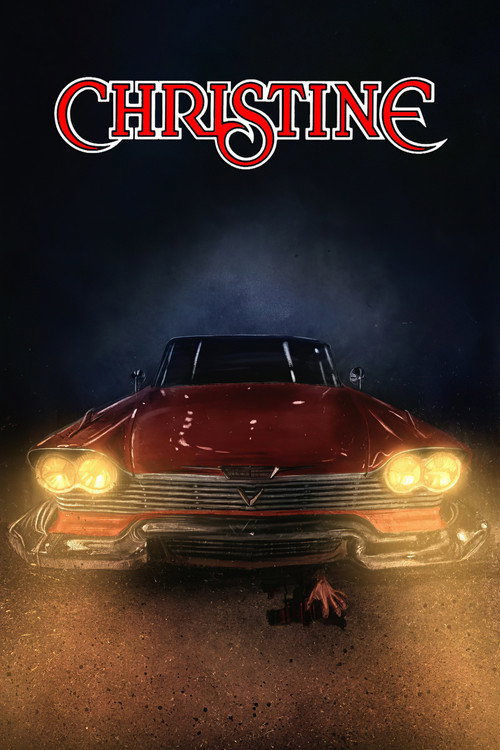
Christine1983
John Carpenter again, this time with a possessed car as the villain. It shares Mad Max's obsession with vehicles as extensions of identity and masculine rage, filtered through horror.
But Teenage melodrama subplot that dilutes the B-movie energy. The second half pivots toward supernatural explanation that some find less interesting than the premise.
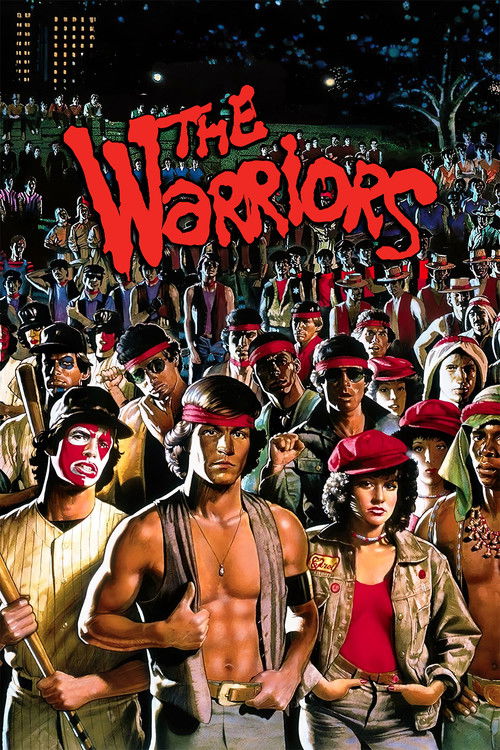
The Warriors1979
Gang territory, stylized violence, a night-long chase through hostile landscape. Shot the same year as Mad Max with similar energy and aesthetic—urban rather than desert, but the DNA is identical.
But Thin plot and archetypal characters. If you need character development or dialogue, this functional skeleton will feel frustratingly spare.
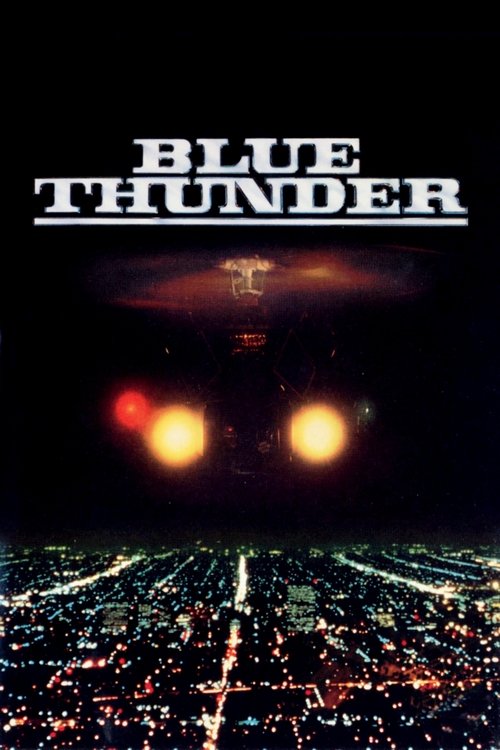
Blue Thunder1983
Roy Scheider in a military thriller about a helicopter becoming a symbol of power and corruption. The same paranoid atmosphere and obsessive protagonist, but tighter plotting and less of the art-film weirdness.
But Belongs firmly to its decade in ways that feel dated now. The political intrigue is earnest rather than stylish, which makes it feel quaint.
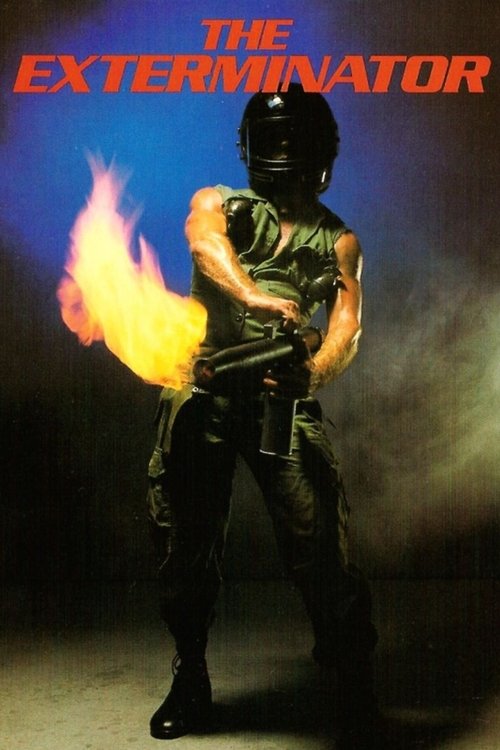
The Exterminator1980
A street-level revenge film made the same year as Mad Max 2, with similar vigilante energy and DIY violence. Raw and genuinely transgressive—the film studios didn't know what to do with it.
But Extremely dated special effects and dialogue. The action is choppier and less inventive than the influence it had on films that came after it.
Come and See1985
Both films understand that violence is not a spectacle but a rupture. Both show protagonists crossing thresholds they can't return from. Where Mad Max stylizes that crossing, Come and See refuses any distance from its horror.
Elem Klimov's Belarusian masterpiece about a boy witnessing Nazi atrocities in WWII. Like Mad Max, it's a descent into barbarity where the protagonist's humanity is systematically destroyed—but this is not exploitation. This is among cinema's truest records of what violence does to the soul.
But This is not entertainment. It's a necessary ordeal. Some of the worst violence in cinema, not glorified—documented. Only watch if you're ready for something that will sit with you.

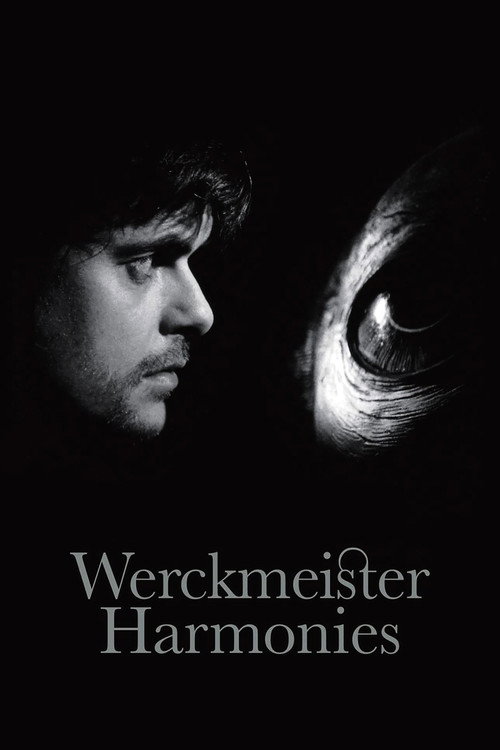
Werckmeister Harmonies2001
Both are films about the end of the world: Mad Max shows it through velocity and chaos, Werckmeister through stillness and absence. Both suggest that civilization is gossamer-thin and collapse is the true state of things.
Béla Tarr's Hungarian apocalyptic vision—a town waiting for catastrophe that never comes, filmed in long static takes of crushing emptiness. The texture is opposite to Mad Max's frenzy, but the mood of civilization's collapse is identical. Hypnotic, architecture-based, obsessed with the spaces between people.
But Black and white. 145 minutes. Almost no dialogue or plot. If you need action or conventional narrative momentum, this will feel like punishment. Requires active engagement, not passive watching.
People
Cast
 Mel GibsonMax Rockatansky
 Joanne SamuelJessie Rockatansky
 Hugh Keays-ByrneToecutter
 Steve BisleyJim Goose
 Tim BurnsJohnny the Boy
 Roger WardFifi
 Vincent GilNightrider
 Lulu PinkusNightrider's Girl
 Lisa AldenhovenNurse
 David BracksMudguts
- Bertrand CadartClunk
 David CameronUnderground Mechanic
Directing
- George MillerDirector
- Ian GoddardFirst Assistant Director
- Shirley BallardScript Supervisor
- Steve ConnardSecond Assistant Director
- Des SheridanThird Assistant Director
Writing
- George MillerScreenplay
- James McCauslandScreenplay
- Byron KennedyStory
- George MillerStory
Production
- Bill MillerAssociate Producer
- Mitch ConsultancyCasting
- Byron KennedyProducer
- Tom BroadbridgeProduction Assistant
- Jenny DayProduction Coordinator
- John HipwellUnit Production Manager
Recommended by
Warriors of the Wind, Death Race 2000, Not Quite Hollywood, The Wild One, Backroads, Deathcheaters