
Film
The Invasion of Thunderbolt Pagoda
A 1968 avant-garde fantasy film that abandons narrative for visual incantation. Figures move through symbolic spaces—a Yellow Emperor's court, a Hall of Unconscious Magnetism—in ritualistic tableaux. It's hypnotic and demanding, for viewers seeking cinema as spiritual experience rather than story.
If you liked this
Meshes of the Afternoon1943
A fifteen-minute meditation on dream logic and repetition that pioneered experimental cinema. Chambers' fractured narrative influenced everything that followed, including psychedelic visual language.
But Black-and-white, silent, and deliberately obscure. The point is mood and symbol, not meaning—patience required.

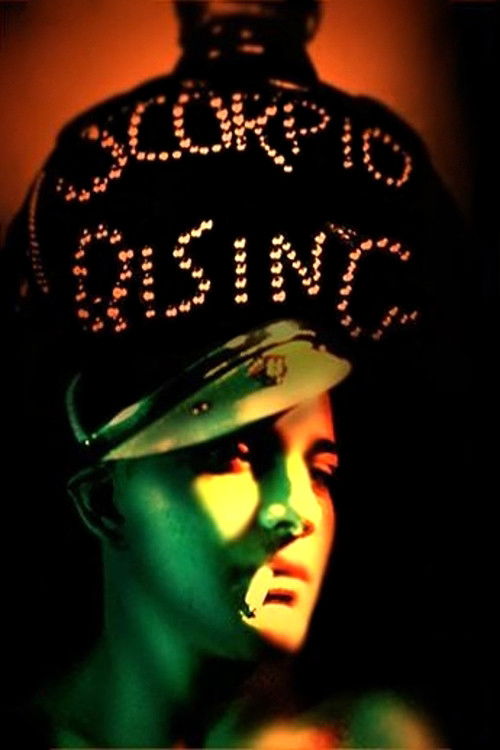
Scorpio Rising1964
Anger again, this time riding a motorcycle through death and rebirth mythology set to pop music. Visceral and erotic where Pagoda is more ethereal; still radically committed to symbol over sense.
But Aggressively paced and deliberately obscene in its mythology. Not meditative—it *ambushes* you.
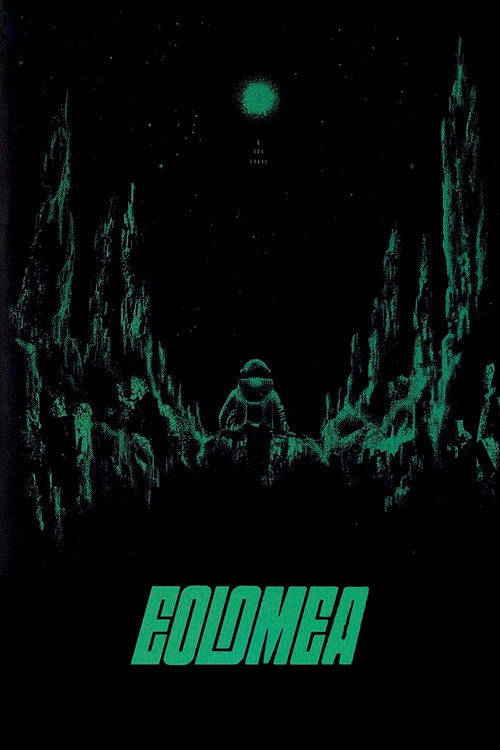
Eolomea1972
Andrei Ujica's hypnotic landscape film that builds meaning through visual repetition and the patient eye. Proves experimental cinema can be about pure seeing rather than narrative or symbol.
But Seventy minutes of mostly static frames of terrain. If you're hoping for incident or character, you're in the wrong place.
Not sure tonight? Get a pick in a minute, starting from The Invasion of Thunderbolt Pagoda
The wildcard
Something you would not have found on your own.
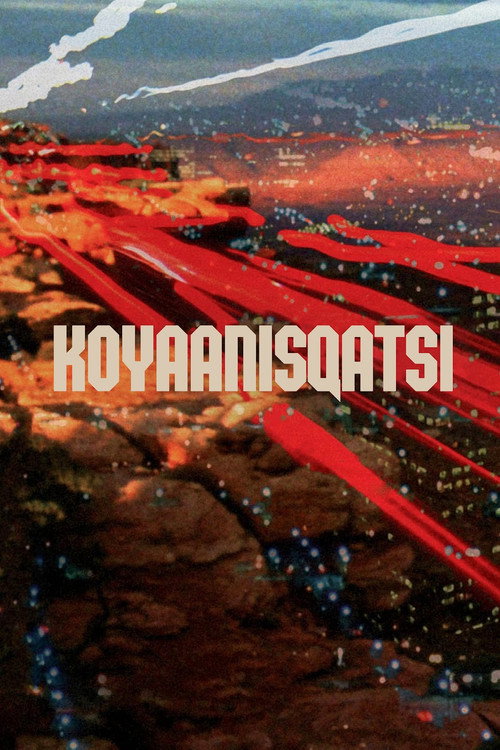
Koyaanisqatsi1983
Both films abandon narrative entirely to create meditative, almost spiritual experiences through movement, image, and sound in ritualistic patterns. Neither asks you to follow a story—they ask you to enter a state.
A 90-minute visual symphony without dialogue or conventional narrative. Reggie Life's film operates on pure sensation and rhythm—like Pagoda, it achieves transcendence through image alone, but with actual cinematic scale.
But The synthesizer score is omnipresent and New Age in a way that hasn't aged perfectly. Some viewers find it portentous rather than profound.
More like this (3)
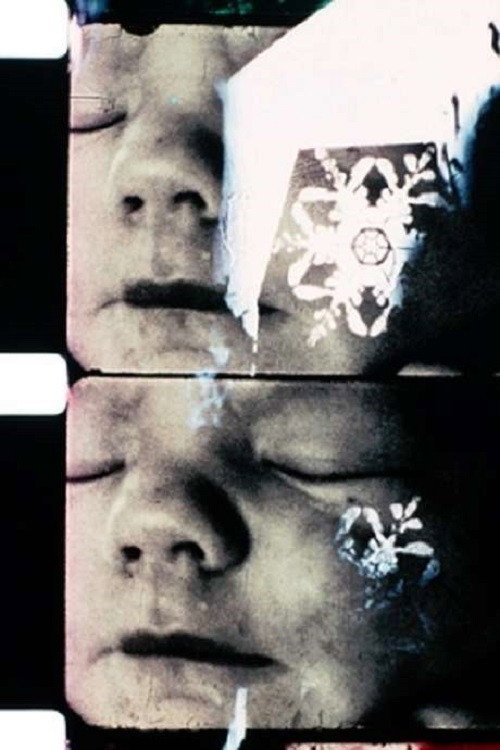
The Art of Vision1965
Stan Brakhage's epic meditation on seeing and memory. Shows how experimental film could contain genuine emotional weight without abandoning abstraction.
But Over four and a half hours. Even committed experimental film viewers find it demanding, and watching it requires real commitment.
Mulholland Drive2001
Both use symbol, repetition, and dream-logic to suggest meaning beneath meaning. Pagoda is pure ritual; Mulholland Drive is ritual that's also about the death of a woman's dream.
David Lynch's dreamscape about Hollywood that operates like a waking fever dream. Uses surrealism and symbol the way Pagoda does, but anchored to genuine emotional devastation and a (sort of) narrative.
But Three hours of increasing strangeness that frustrates viewers looking for resolution. Many people feel genuinely angry at the ending.

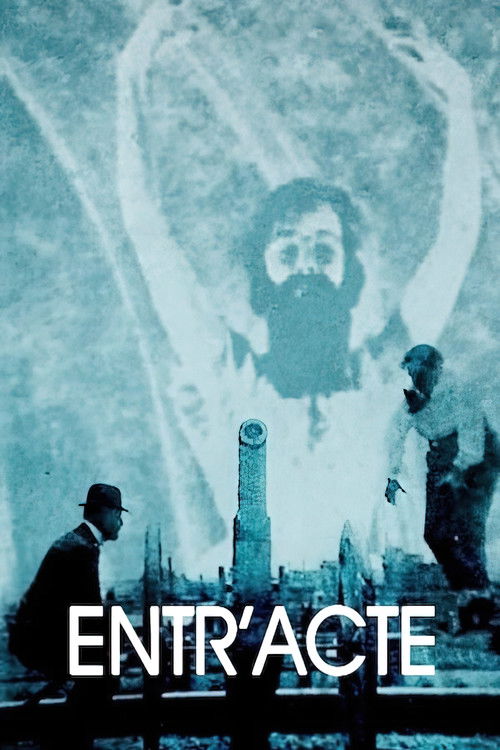
Entr'acte1924
Both films use symbolic tableaux and ritual imagery to achieve transcendence through abandoning cause and effect. Entr'acte is the ancestor—Pagoda takes that DNA and makes it mystical instead of witty.
René Clair's fifteen-minute Dada masterpiece that predates Pagoda by four decades but feels like its ancestor. A funeral procession that breaks every rule of cinematic logic while remaining endlessly charming.
But Silent, nearly a century old, and completely uninterested in making coherent sense. If you need your art to explain itself, don't start here.
People
Cast
 Ira CohenThe Majoon Traveler, Death
- Peter BirnbaumThe White Snake, Shiva
- Robert LaVigneShaman
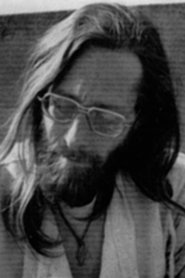 Angus MacLiseThe Methedrine Cardinal
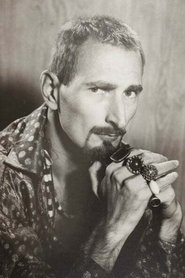
Directing
- Ira CohenDirector
Production
- Will SwoffordProducer