
Film
The Art of Vision
- Mystery
- Strange
Stan Brakhage's audacious structural essay takes his own four-roll film and systematically recombines it—showing every permutation from all four channels down to single tracks. The result is a dizzying, hypnotic experience: not narrative cinema but a meditation on how perception itself is layered, fragmented, and endlessly reconstructible. For adventurous viewers willing to sit still and let abstraction work on them.
If you liked this
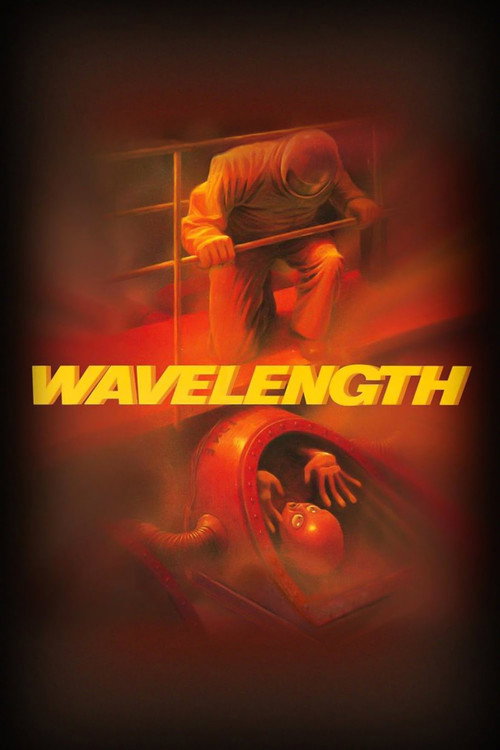
Wavelength1983
Michael Snow's camera zoom across a loft in real time, with intervening images and sound creating meaning through duration and perception rather than plot. A foundational work that shares Brakhage's belief that film is about looking itself.
But It is essentially one shot. Forty-five minutes of watching a room change. If patience feels like punishment to you, move on.
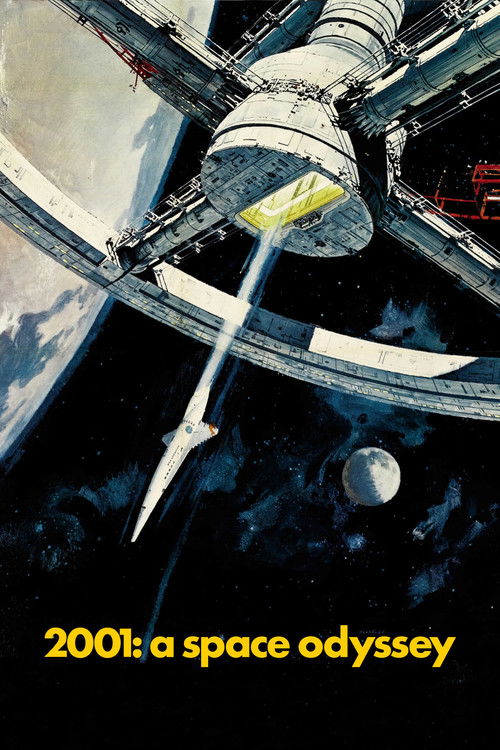
2001: A Space Odyssey1968
Kubrick's vision operates in a similar register to Brakhage—cinema as sensory overload, image stacked on image, meaning emerging from texture and duration rather than explanation. Transcendence through cinema, not plot.
But Nearly four hours, deliberately paced, resistant to easy interpretation. Some find it glacial; Kubrick tests your willingness to surrender control.
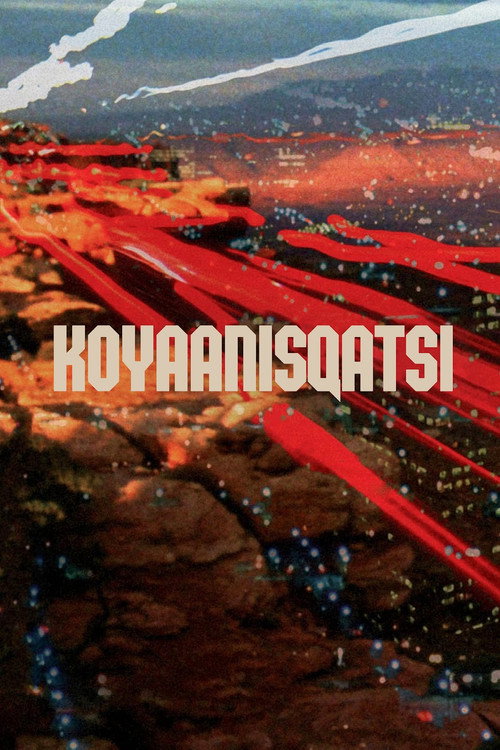
Koyaanisqatsi1983
Philip Glass and Godfrey Reggio create an abstract meditation on modern life through accelerated footage and layered imagery. Like Brakhage, it trusts cinema's ability to create meaning through rhythm and visual accumulation alone.
But No narrative, no dialogue, no emotional throughline in the traditional sense. It asks you to feel through image rather than think through story.
Not sure tonight? Get a pick in a minute, starting from The Art of Vision
The wildcard
Something you would not have found on your own.
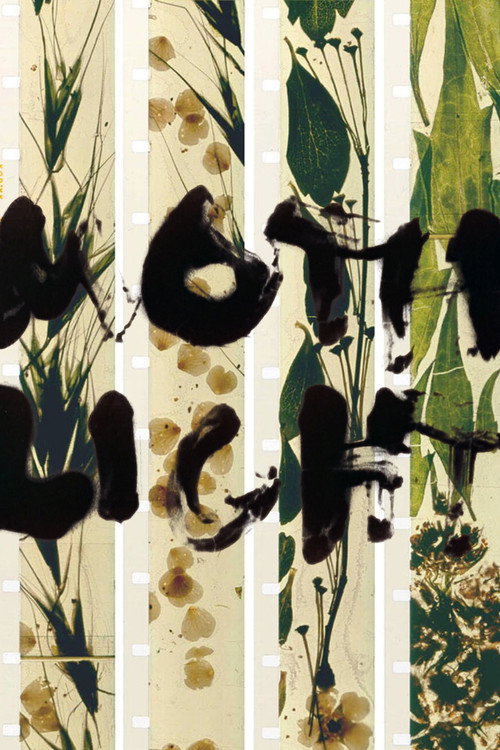
Mothlight1963
A Brakhage film exploring cinema's materiality and structure the way The Art of Vision explores perception—both ask what film fundamentally is when you strip away convention.
Brakhage places actual insects and plants directly onto film stock—no camera, no traditional filming at all. A radical reduction showing cinema can exist as pure visual material without recording. Witnessing the genesis of an entire aesthetic.
But Three minutes of abstracted natural forms. If you need recognizable imagery or narrative progression, it will feel like nothing happened at all.
More like this (8)
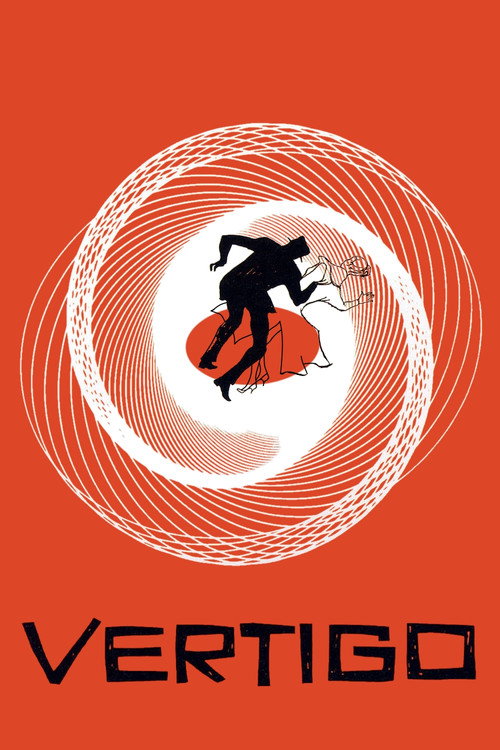
Vertigo1958
Hitchcock orchestrates perception itself as the subject—spirals, repetition, visual obsession. The film becomes a formal object exploring how cinema manipulates what we see and believe we see.
But The subject matter is dark and misogynistic. The technical brilliance doesn't redeem a story that asks you to enjoy a man's psychological manipulation of a woman.
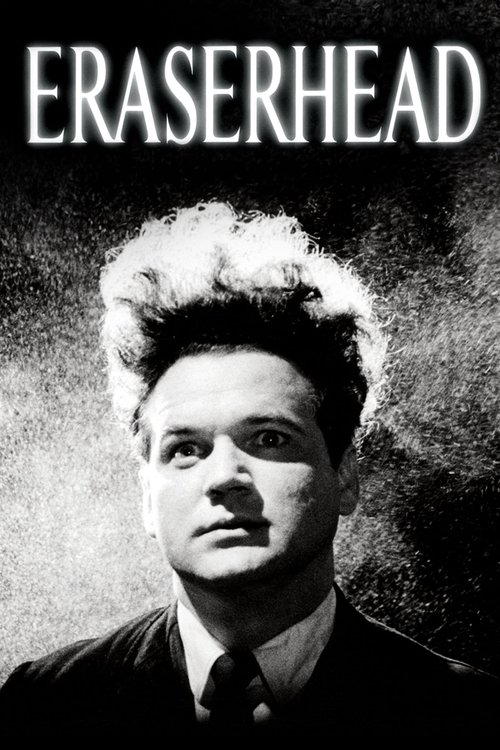
Eraserhead1977
Lynch's debut is pure atmosphere and sensation—grainy, monochromatic, nightmarish. Like Brakhage, it builds meaning through texture and dread rather than coherent plot. Cinema as nightmare.
But It is viscerally disturbing and deliberately alienating. If you watch to feel comfortable, this will frustrate and unsettle you.
Mulholland Drive2001
Lynch explores how cinema constructs identity and meaning through fragmented narrative, doubling, and formal play. Reality splinters and recombines. The film itself becomes unstable in your memory.
But Three hours, deliberately elliptical, the ending is not explained. Many viewers leave feeling angry rather than illuminated.

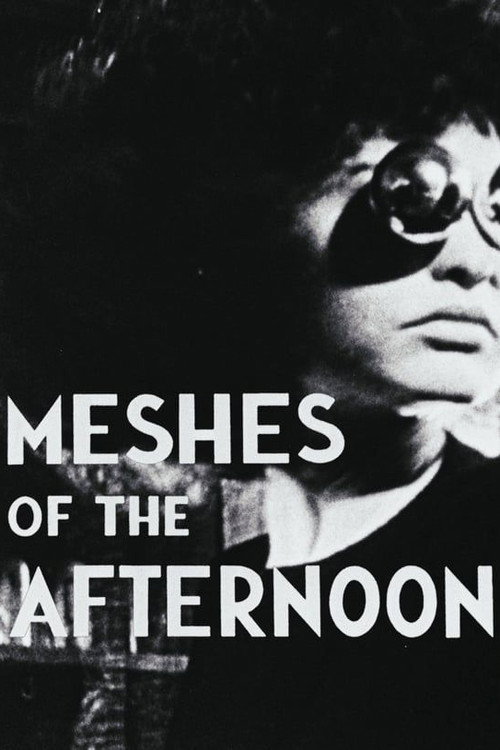
Meshes of the Afternoon1943
Maya Deren's sixteen-minute avant-garde masterpiece uses repetition, doubling, and manipulation of time to create dream logic on screen. A smaller, more accessible gateway to structural cinema.
But Very short and very strange. If you're looking for narrative satisfaction, you won't find it in sixteen minutes of ritualistic footage.
Synecdoche, New York2008
Kaufman builds a narrative that fragments and expands until form and content become indistinguishable—a film about perception and artistic obsession told through visual and structural complexity.
But Relentlessly bleak, intellectually demanding, and the plotting is deliberately confusing. Some call it pretentious rather than ambitious.

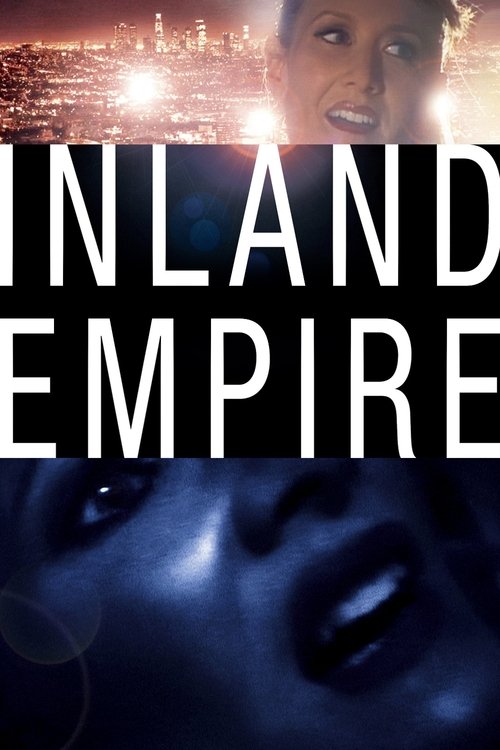
Inland Empire2006
Lynch's final narrative film is three hours of fractured, hypnotic cinema where plot dissolves into pure image and sound. A work of visual obsession that rewards patient, attentive viewing.
But Filmed on digital video, deliberately grainy and harsh. Incoherent to many viewers, punishing in length, and widely seen as a failure even by Lynch supporters.
Sans Soleil1983
Both films treat cinema as a compositional problem: how do you arrange images to make meaning? Both answer by showing you multiple arrangements and trusting your perception to do the work.
Chris Marker's essayistic documentary uses montage, voice-over, and fragmented observation to construct meaning from disparate images across time and geography. Like The Art of Vision, it's a film about how cinema builds reality through recombination and layering.
But Experimental documentary with philosophical narration. If you expect conventional travel footage or clear narrative arc, this will feel like beautiful frustration.

Stalker1979
Both Brakhage and Tarkovsky believe cinema's power lies in overwhelming the viewer's perception itself—not through narrative but through sustained visual and temporal intensity. Both trust the image more than the story.
Tarkovsky creates transcendence through duration, texture, and the accumulation of small details—a three-hour journey where nothing dramatic happens but everything feels weighted with meaning. Cinema as spiritual experience rather than entertainment.
But Glacial pacing, minimal plot, and the philosophical ambition can read as self-important pretension. Many viewers experience it as meditative; many experience it as boring.

People
Cast
 Jane WodeningWoman
Directing
- Stan BrakhageDirector
Production
- Stan BrakhageProducer