
Film
The Magnetic Monster
A 1953 atomic-age thriller about scientists racing to stop a self-replicating isotope consuming energy and growing exponentially. Taut, genuinely suspenseful despite its tiny budget, and played straight by everyone involved. For fans of early sci-fi who appreciate practical ingenuity over spectacle, and anyone curious about how seriously the 1950s took the nuclear threat.
Should you watch it?
Watch it if you love 1950s science fiction built on procedural brainwork, where scientists chase an invisible menace through meetings, instruments and blackboard arithmetic rather than action set pieces.
Skip it if you need monsters on screen or brisk pacing, since the menace stays mostly abstract and the middle is talky, with the runtime spent in offices and conference rooms.
What it asks of you: Its shape is unhurried and earnest: it runs barely over seventy-six minutes, so it stays short, yet lingers on investigation and debate rather than rushing toward scares.
Not sure? Find tonight's pick in a minute.
If you liked this
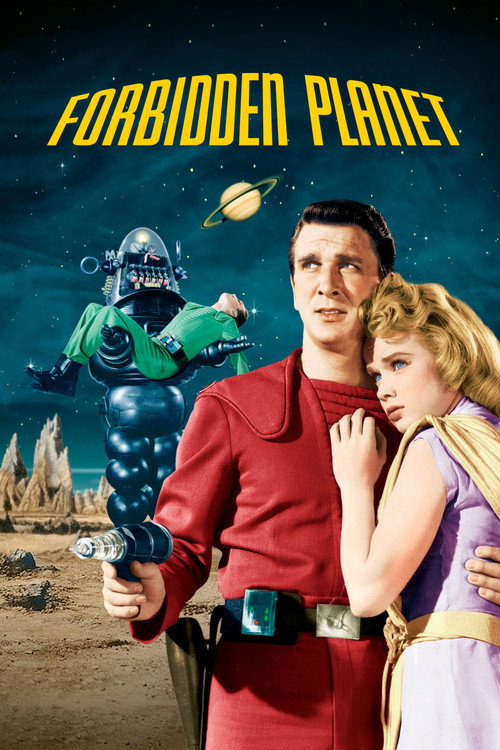
Forbidden Planet1956
A landmark sci-fi adventure with genuine intelligence, colour cinematography, and Robby the Robot. It takes its ideas seriously while delivering real entertainment, a template that influenced decades of science fiction.
But Pacing drags in places; the plot relies on conventions that feel dated, and the gender dynamics are particularly creaky even by 1950s standards.
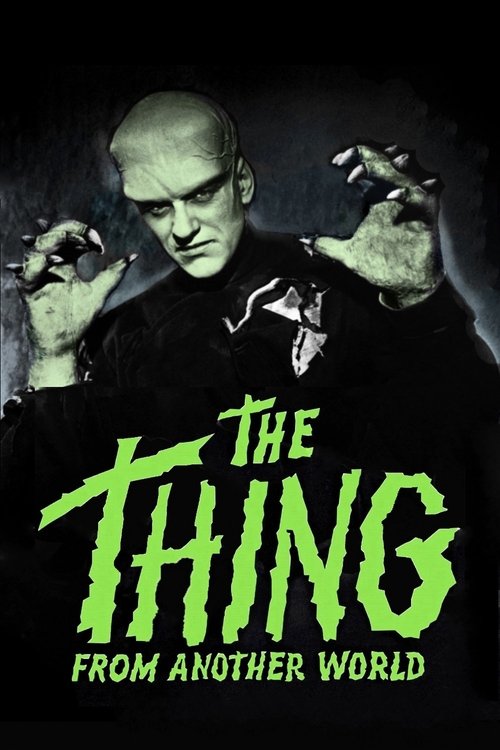
The Thing from Another World1951
Isolation, paranoia, and mounting dread from an unseen threat. The tension builds methodically, the ensemble cast feels real, and it captures genuine Cold War anxiety in a way that still resonates today.
But The monster itself is underwhelming when finally revealed. Some of the dialogue sounds stiff, and the creature effects don't hold up under scrutiny.
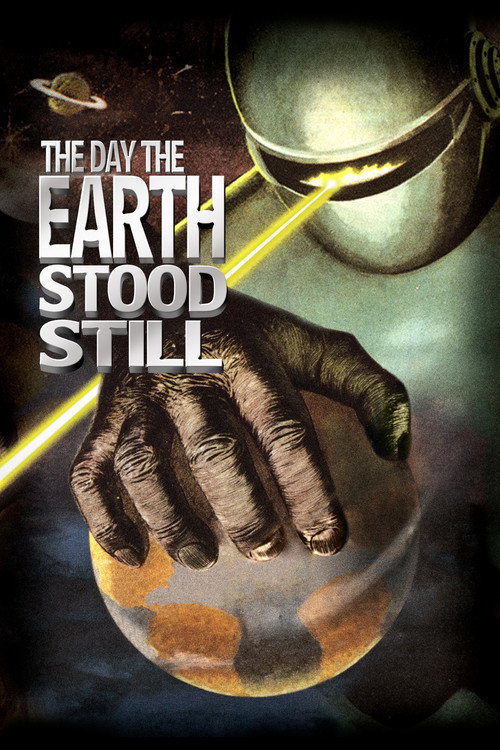
The Day the Earth Stood Still1951
A masterpiece of 1950s sci-fi: intelligent, philosophical, beautifully shot, and genuinely moving. Klaatu arrives with a message about nuclear weapons that lands as hard today as it did seventy years ago.
But Long stretches are purely dialogue and contemplation; if you want action or spectacle, this will feel slow. The second half softens its own edge somewhat.
Not sure tonight? Get a pick in a minute, starting from The Magnetic Monster
The wildcard
Something you would not have found on your own.
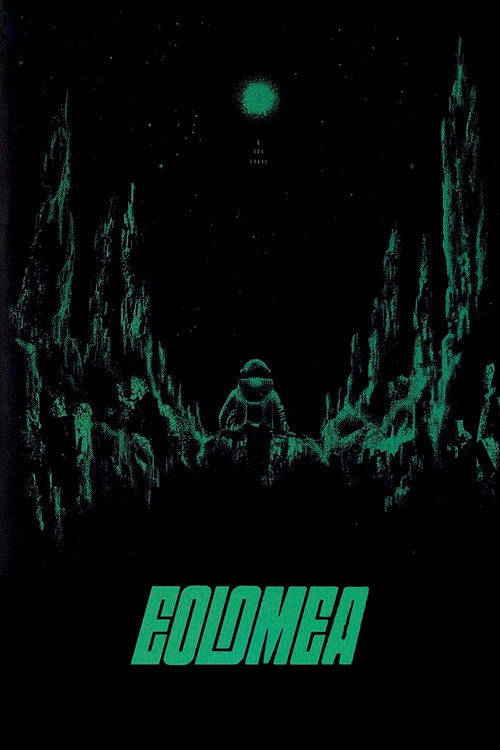
Eolomea1972
Both centre on an exponentially-growing cosmic threat that scientists must race to understand before it becomes unstoppable. The Magnetic Monster is American pulp efficiency; Eolomea is Soviet philosophical ambition applied to the same core idea.
A Soviet sci-fi film about scientists studying a cosmic phenomenon that grows exponentially and threatens Earth—structurally your film's DNA, but played as grave, ambitious, cerebral Cold War cinema. Alien but deeply intelligent.
But Deliberately slow and meditative; dubbed or subtitled; the Soviet approach to sci-fi prioritizes ideology and philosophy over narrative momentum. Visually austere and demanding.
More like this (8)
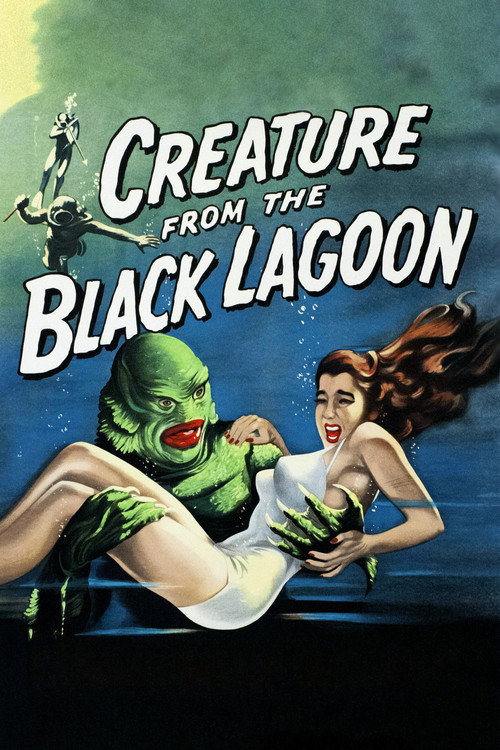
Creature from the Black Lagoon1954
Moody, atmospheric, and surprisingly erotic for 1954. The creature design is iconic, the jungle setting feels genuinely claustrophobic, and it builds dread through suggestion rather than showing its hand too early.
But The plot is boilerplate, the female lead has little to do but scream, and the monster suit is visible enough to be distracting if you're not in the mood to suspend disbelief.
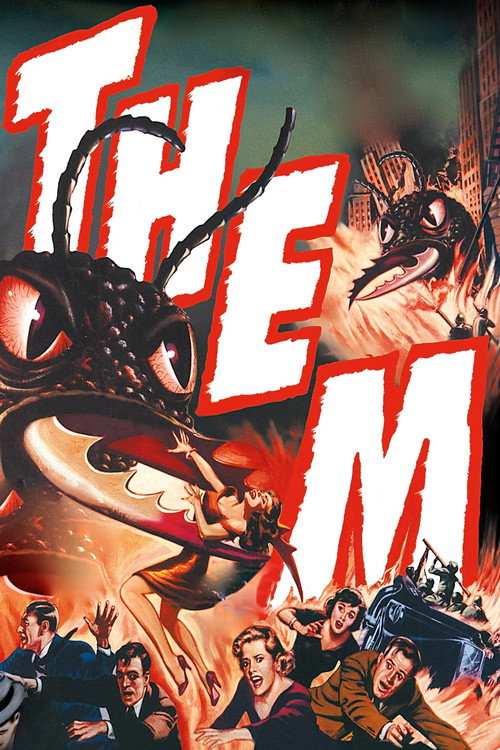
Them!1954
Giant mutant ants created by atomic testing: exactly the premise you'd expect, executed with genuine craft. Excellent character work, real suspense, and it takes its own ridiculous concept seriously enough that you do too.
But The ants themselves look like, well, ants on a miniature set when the camera gets close. The science is nonsense. Second half becomes more action-adventure than mystery.
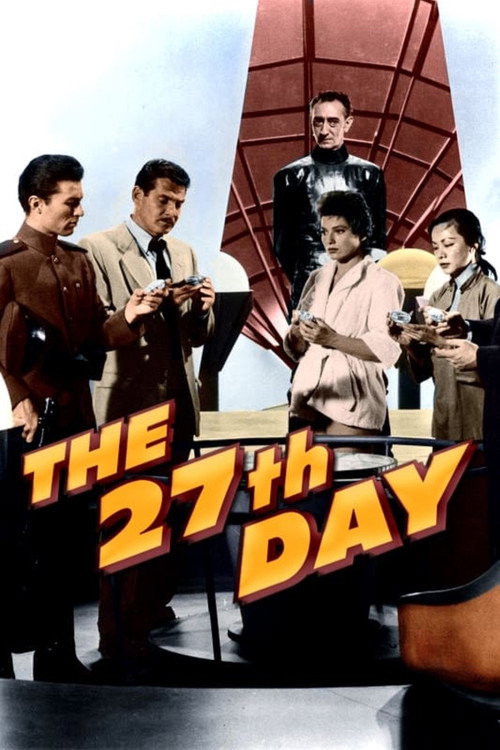
The 27th Day1957
An alien gives five humans weapons that could destroy nations, and the film sits with the moral weight of that choice rather than rushing to action. Cold War paranoia with real philosophical teeth.
But Static and talky; most of the film is people in rooms discussing ethics. The special effects are minimal. If you want spectacle, this isn't it.
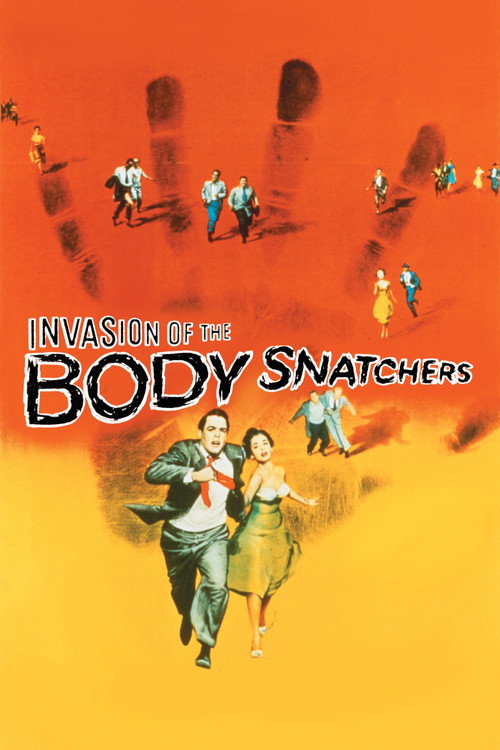
Invasion of the Body Snatchers1956
Dread accumulates perfectly as pods replace people one by one. Paranoid, claustrophobic, and it works as both Cold War allegory and pure horror. The ending is devastating and unforgettable.
But The pacing is deliberate rather than propulsive; impatient viewers will check their watch. Some dialogue sounds theatrical rather than natural.
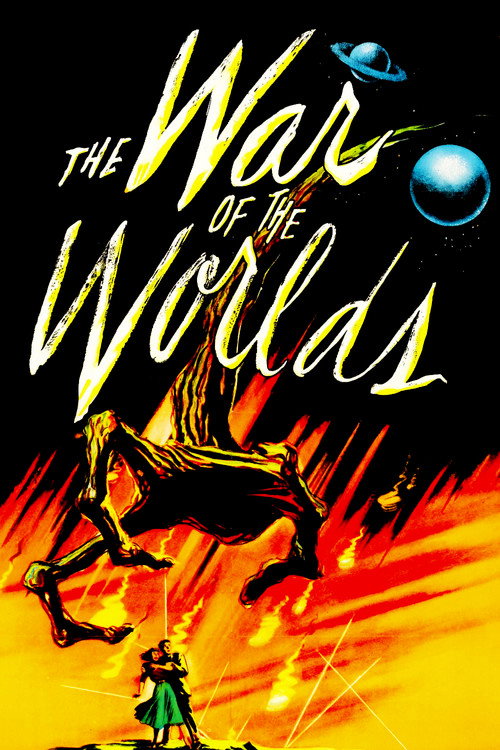
The War of the Worlds1953
Wells' invasion reimagined with atomic-age anxiety and stunning miniature work. The Martian machines are genuinely awe-inspiring, the destruction sequences are spectacular for the era, and it moves with real urgency.
But The ending capitulates too easily and feels tacked on. Religious messaging becomes overt. Some of the acting is broad compared to more recent sci-fi.
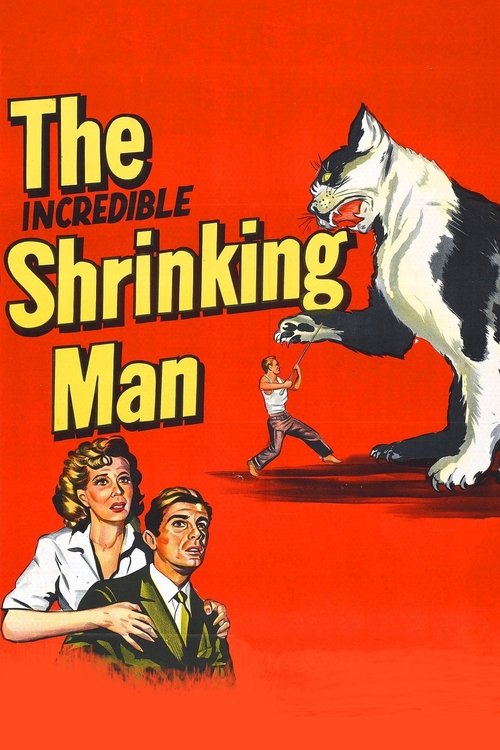
The Incredible Shrinking Man1957
A man shrinks irreversibly; the film uses the premise to explore existential dread and masculine anxiety with surprising depth. Visually creative, genuinely unsettling, and it earns its melancholy ending.
But The horror is slow-burn philosophical rather than action-based. The final sequence is abstract in a way that frustrates some viewers. Pacing sags in the middle.
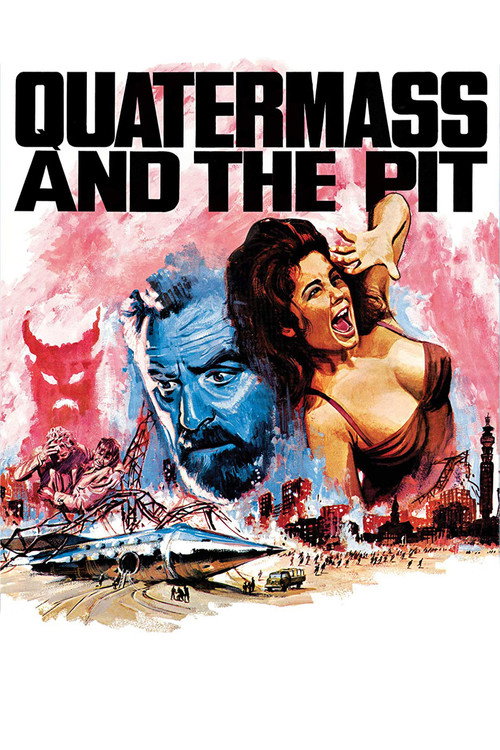
Quatermass and the Pit1967
Both feature dedicated scientists from government agencies solving a mystery that escalates from puzzling anomaly to existential threat. Quatermass expands the emotional and intellectual scope; same engine, far darker fuel.
A British-made sci-fi horror hybrid about scientists uncovering something ancient and terrible beneath London. Intelligent, genuinely creepy, and it trusts viewers to follow complex ideas. Thoughtful where it could be exploitative.
But Dated special effects; the film is more interested in talking around the threat than showing it. A British accent and pacing won't suit everyone accustomed to American sci-fi.
The Andromeda Strain1971
Both are procedural sci-fi thrillers about scientists in institutional teams confronting an invisible, multiplying threat that doubles exponentially. The Magnetic Monster is tense and swift; Andromeda is austere and almost meditative.
A methodical procedural about scientists in a sealed lab racing to identify and contain a deadly organism from space before it spreads beyond control. Technical, suspenseful, and it respects scientific process as drama.
But Almost no action sequences; the entire film is problem-solving in laboratories. Extremely dry in tone. The threat remains largely abstract and invisible, which frustrates some viewers.

People
Cast
 Richard CarlsonDr. Jeffrey Stewart
 King DonovanDr. Dan Forbes
- Leo BrittDr. Benton
 Jean ByronConnie Stewart
 Harry EllerbeDr. Allard
 Frank GerstleCol. Willis
 John VosperCapt. Dyer
 Byron FoulgerMr. Simon
 Leonard MudieHoward Denker
 Kathleen FreemanNelly
 William BenedictAlbert
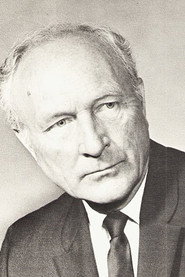 John ZarembaChief Watson
Directing
- Richard DixonAssistant Director
- Curt SiodmakDirector
- Maxwell O. HenrySecond Unit Director
Writing
- Curt SiodmakScreenplay
- Ivan TorsScreenplay
Production
- George Van MarterAssociate Producer
- Ivan TorsProducer