
Film
The 27th Day
A 1957 cold-war fever dream where five ordinary people from rival nations receive alien weapons capable of mass destruction, then have 27 days to decide whether to use them. It's a tense, paranoid game of brinkmanship dressed up in B-movie clothes—earnest and strange, treating its ridiculous premise with absolute seriousness. For anyone curious about how science fiction grappled with nuclear anxiety in the fifties.
If you liked this
Fail Safe1964
Kubrick's *Dr. Strangelove* gets the credit, but this is the film that shows you the same era's apocalyptic terror played straight—a plane heading toward Moscow with no way to stop it. Taut, intelligent, devastating.
But It's bleak and offers no catharsis, just a horrible choice made inevitable. Some find it punishing rather than gripping.
The Day the Earth Stood Still1951
An alien visitor with a robot enforcer arrives to warn humanity about nuclear weapons. It has the same grave, measured tone as *The 27th Day*—treating the end of the world as a serious philosophical problem, not spectacle.
But There's almost no action. It's a film about people talking in rooms, which is either exactly what you want or will feel slow.
On the Beach1959
A submarine crew faces the slow approach of nuclear fallout with nowhere left to go. It captures the same helpless dread as *The 27th Day*—ordinary people waiting for catastrophe they cannot stop.
But It's relentlessly grim with no hope offered. Watching it is like sitting in a funeral that lasts two hours.

Not sure tonight? Get a pick in a minute, starting from The 27th Day
The wildcard
Something you would not have found on your own.
Ikiru1952
Both films hinge on the idea that extraordinary pressure—cosmic or mortal—reveals what a person actually values. Both ask: what would you do if you had to choose right now?
Kurosawa's masterpiece follows a bureaucrat dying of cancer who must decide how to spend his last days and what his life has meant. Like *The 27th Day*, it asks ordinary people what they would do if time were suddenly finite and the stakes were total.
But It's a three-hour Japanese film about paperwork and grief. The pace is meditative and the emotional register is intimate rather than dramatic.

More like this (8)
Dr. Strangelove or: How I Learned to Stop Worrying and Love the Bomb1964
Kubrick's masterpiece takes the exact anxiety of *The 27th Day*—what happens when the power to destroy everything gets loose?—and makes you laugh until you're too horrified to stop.
But The satire requires you to appreciate the horror underneath. If you need sincerity, the jokes will feel callous.
Seven Days in May1964
A general plots a coup to stop a nuclear disarmament treaty. It's a taut political thriller about power and conscience that shares *The 27th Day*'s obsession with who gets to decide whether the world ends.
But It's a talking-head political procedural in places. The plot moves fast but the rhythm is deliberate, almost dry.
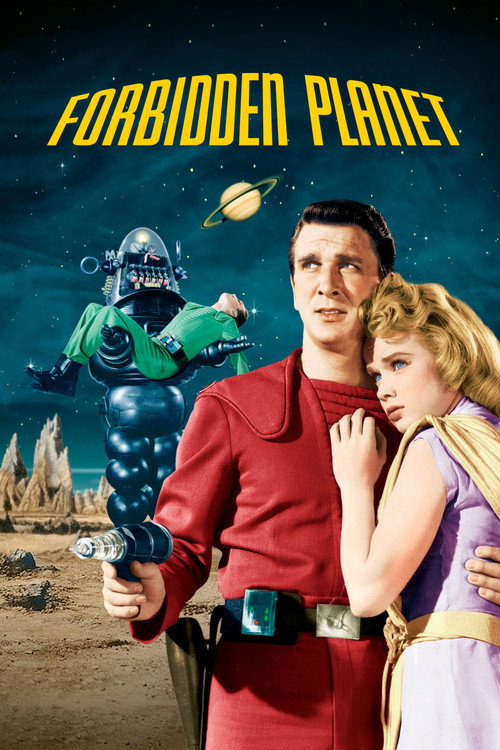
Forbidden Planet1956
A technicolor space exploration film that asks intelligent questions about power and responsibility. It has the same era's earnest sf-as-philosophy approach, just with better sets and a famous robot.
But It's a good deal slower and more theatrical than modern sf. The dialogue can feel stiff if you're not in the mood for mid-century space opera.
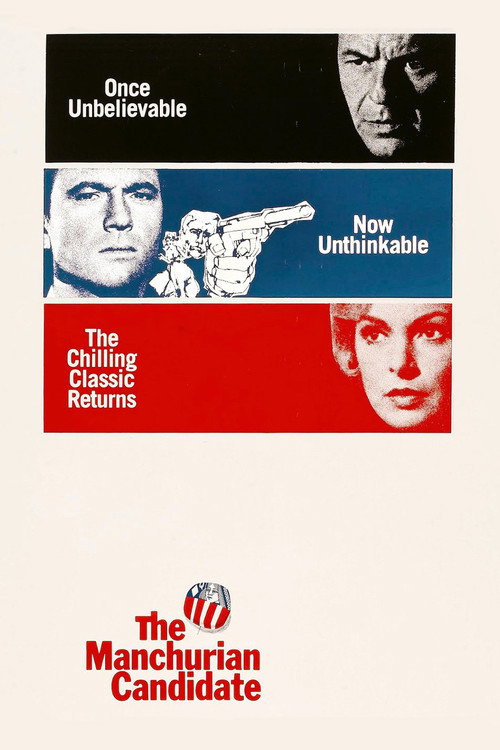
The Manchurian Candidate1962
Cold war paranoia at its most visceral—a brainwashed soldier, a sinister matriarch, a conspiracy that reaches into the highest offices. It has the same sense of ordinary people caught in geopolitical machinery.
But The ending pivots hard into melodrama. Some feel it undermines the political edge, though others find it cathartic.
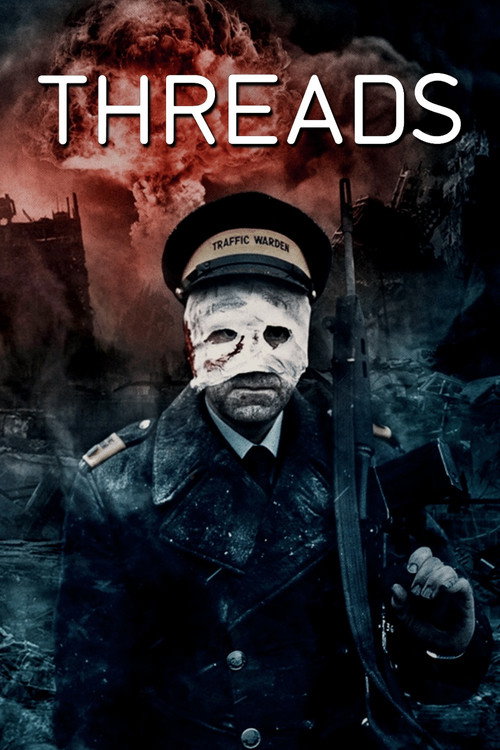
Threads1984
A British nuclear war drama that follows ordinary people before and after a strike on Sheffield. It's what *The 27th Day*'s premise leads to—not metaphor, but consequence rendered in crushing detail.
But It's a bleak, graphic document of nuclear winter. Watching it is an endurance test; many find it unwatchable, and that's the point.
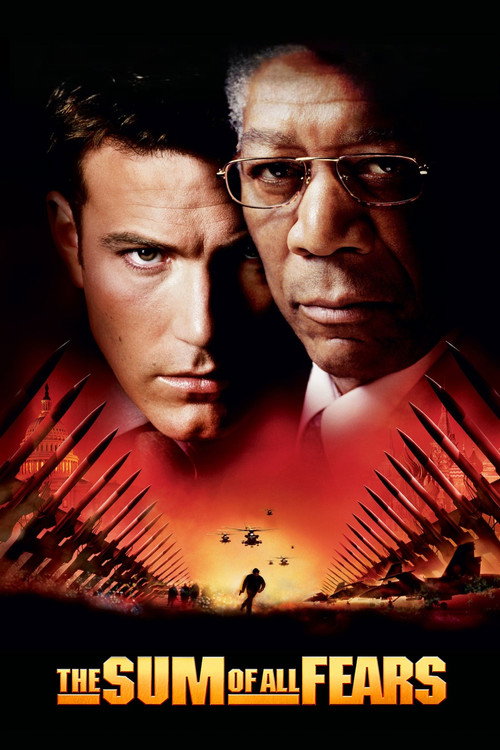
The Sum of All Fears2002
A thriller about a rogue nuclear bomb and miscommunication between superpowers. It has the same machinery of paranoia and accident—what if the wrong person presses the button?—but in a more conventional spy format.
But It's a Jack Ryan vehicle that prioritizes spectacle and plot over the anxiety that makes the premise interesting. It's competent but safe.
The Twilight Zone1959
Both share the cold-war-era sf tradition of using aliens or supernatural elements as a mirror for human nature under pressure. Both understand that the real drama is psychological, not technological.
Rod Serling's anthology series does exactly what *The 27th Day* attempts: taking a single fantastical premise and using it to trap ordinary people with an impossible choice. Episodes like 'The Monsters Are Due on Maple Street' and 'It's a Good Life' nail the paranoia and moral vertigo.
But It's episodic, so tone varies wildly. Some episodes are brilliant; others feel thin. You have to dig to find the good ones.

Come and See1985
Where *The 27th Day* poses the choice theoretically—what would you do with the power to kill?—*Come and See* shows what actually happens when that power passes to the unprepared. It's the answer the 1957 film couldn't bear to show.
Elem Klimov's Ukrainian masterpiece follows a boy conscripted into a Soviet militia during WWII and what he witnesses. It's relentless, graphic, and devastating—a film about what happens when ordinary people are given the power to destroy and the authority to use it.
But It is genuinely traumatizing. Many who watch it report nightmares. It is not an entertainment; it is a wound pretending to be a film.

People
Cast
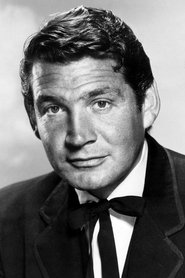 Gene BarryJonathan Clark
 Valerie FrenchEve Wingate
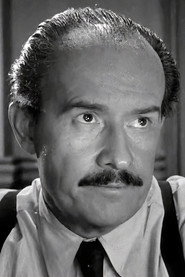 George VoskovecProf. Klaus Bechner
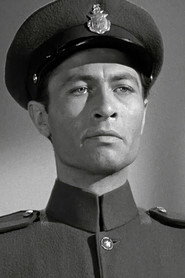 Azemat JantiIvan Godofsky
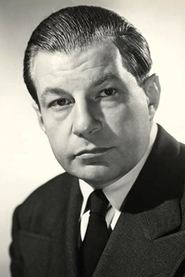 Stefan SchnabelThe Soviet General
 Friedrich von LedeburDr. Karl Neuhaus
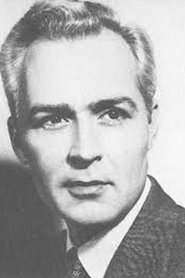 Ralph ClantonMr Ingram
 Arnold MossThe Alien
- Monty AshSoviet Prison Physician
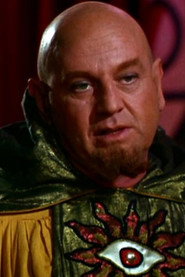 Theo MarcuseSoviet Col. Gregor
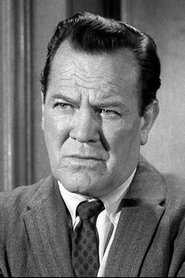 Paul BirchAdmiral
 Paul FreesRadio Newscaster Ward Mason
Directing
- William AsherDirector
Writing
- John MantleyNovel
- John MantleyScreenplay
Production
- Lewis J. RachmilExecutive Producer
- Helen AinsworthProducer