
Film
Rogue River
A crisp 1951 crime thriller about a young man forced to unravel his crooked uncle's past when a mysterious inheritance surfaces. Rogue River moves with pulp-fiction momentum, mixing Western atmosphere with noir intrigue and a cast of compromised characters. Made for viewers who like their morality messy and their plots twisty.
If you liked this
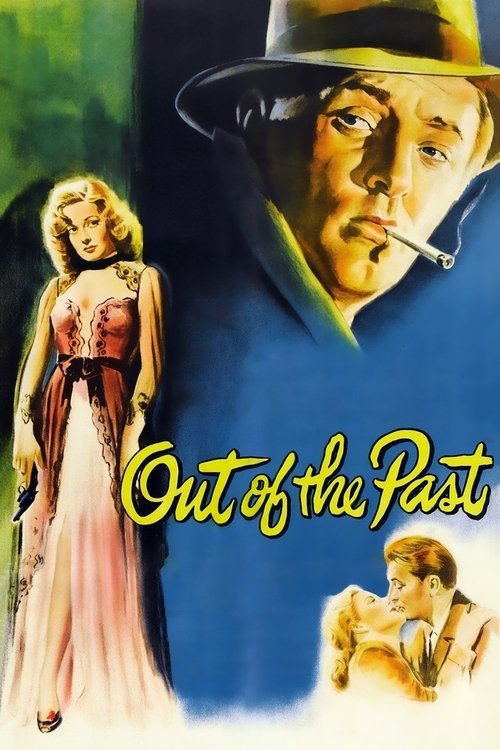
Out of the Past1947
The blueprint for noir entanglement: a man pulled into a web of deceit by a woman and his own conflicted loyalties. Jeff Bailey's past won't stay buried, much like Ownie's uncle's secrets. Pure, propulsive storytelling.
But The femme fatale archetype feels dated now, and the romantic fatalism might play as resignation rather than tragedy.
The Killers1946
A murder triggers investigation into shadowy pasts and double-crosses. Like Rogue River, it peels back layers of small-town corruption and reveals that everyone's compromised. Tense and beautifully constructed.
But Structurally fragmented—the mystery unfolds through flashback and interrogation rather than forward momentum, which can feel static.

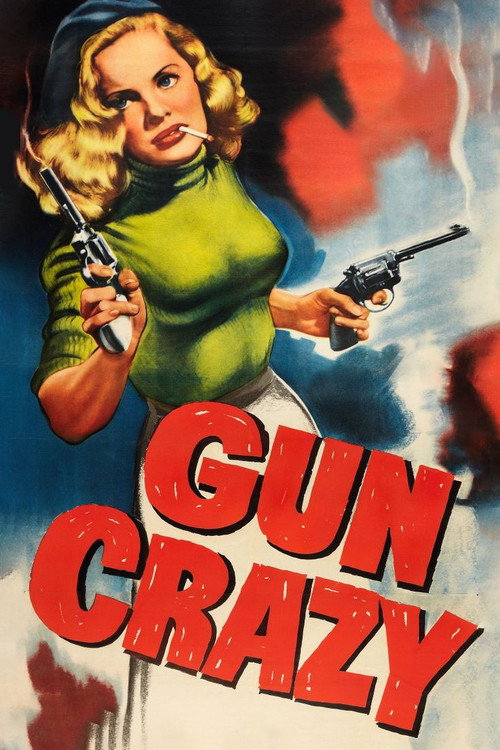
Gun Crazy1950
A couple bound by crime and desire, the law closing in, loyalty tested. The film shares Rogue River's interest in how quickly trust corrodes when money and betrayal enter the picture. Intimate and claustrophobic.
But Relentlessly bleak, with little of the plot mechanics that might engage a viewer looking for puzzle-solving satisfaction.
Not sure tonight? Get a pick in a minute, starting from Rogue River
The wildcard
Something you would not have found on your own.
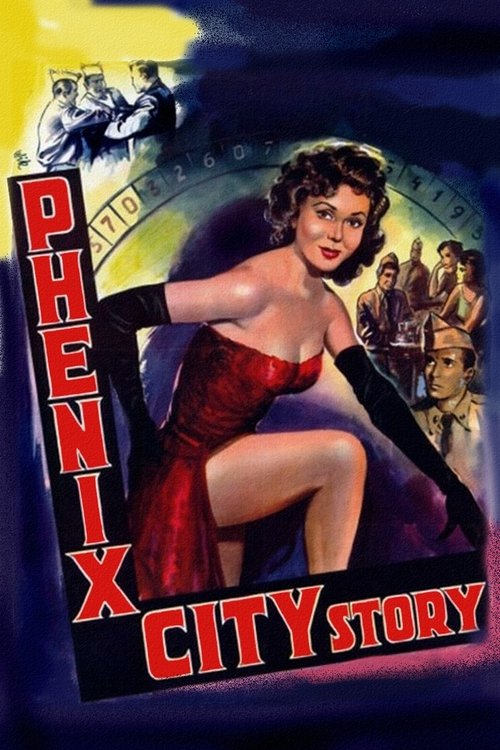
The Phenix City Story1955
Both examine how family corruption becomes inherited obligation, and how solving a past crime means confronting the people you love.
A real-town corruption narrative: a young man must reckon with his town's complicity in organized crime, and his own family's ties to it. Like Rogue River, it's about inheriting a moral mess you didn't create but must answer for. Filmed on location with documentary urgency.
But The depiction of violence against women is explicit and not redeemed by narrative distance. It's difficult in ways that matter, but also ways that will alienate viewers rightfully.
More like this (8)
The Asphalt Jungle1950
The definitive heist-gone-wrong film. A past crime echoes into the present; a carefully assembled group cracks under pressure. The emotional precision is remarkable—you believe everyone's desperation.
But At two hours-plus, it moves methodically. If you want plot efficiency, the pacing will test your patience.

In a Lonely Place1950
Bogart as a man accused of murder, his girlfriend's testimony crucial and wavering. Paranoia, attraction, and betrayal interweave. The film's portrait of how suspicion corrodes intimacy is devastating.
But It's essentially a two-character play set in Hollywood. If you need external action, the emotional intensity will feel claustrophobic.

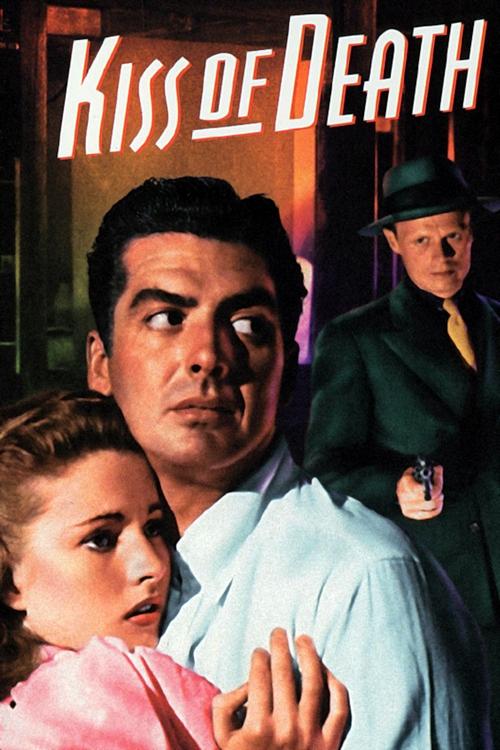
Kiss of Death1947
A small-time criminal turned informer, corruption in law enforcement, and the violence that follows. Shares Rogue River's fascination with compromise and the terrible cost of knowing too much.
But The handling of its female characters is genuinely repellent by any standard, then or now.
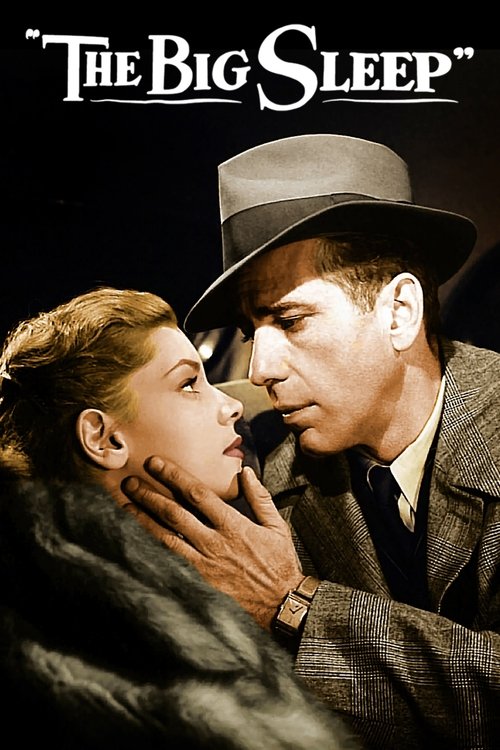
The Big Sleep1946
Chandler's labyrinthine plot adapted into pure style: Bacall and Bogart in a maze of blackmail, gambling, and murder. A pleasure simply to watch people navigate chaos with wit and chemistry.
But The plot becomes genuinely hard to follow. If clarity matters more than charm, you'll spend the film frustrated.
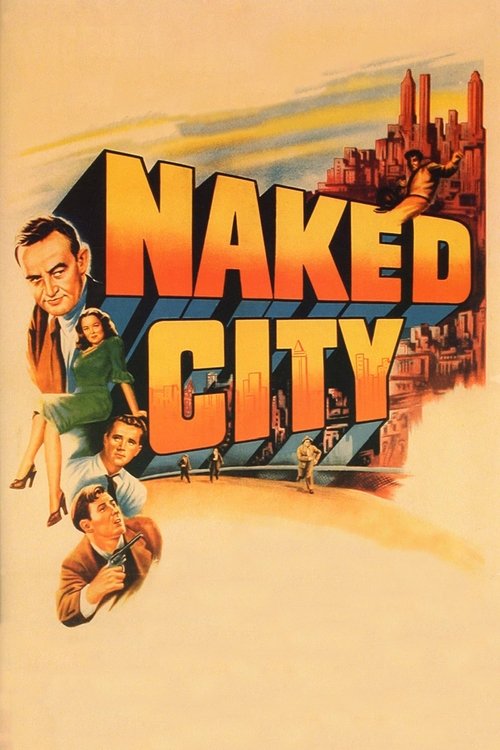
The Naked City1948
A detective investigates a murder that leads into New York's underworld. Like Rogue River, it's interested in how one crime opens onto a landscape of prior sins and connected corruption.
But Treats women almost as set dressing. The misogyny is structural, not incidental, and distracting.
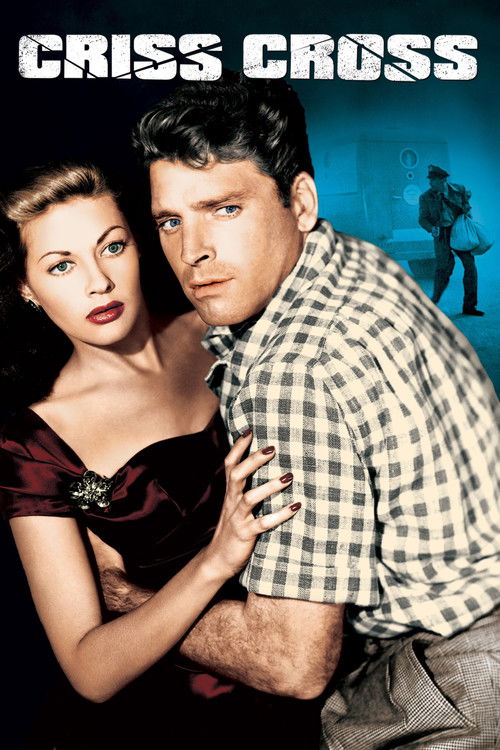
Criss Cross1949
An armored-car heist, an ex-lover, and a man caught between worlds. Siodmak directs with real style, and Yvonne De Carlo's presence gives the picture genuine moral weight beyond the plot mechanics.
But The third act rushes toward conclusion, and the emotional payoff doesn't quite match the setup's promise.
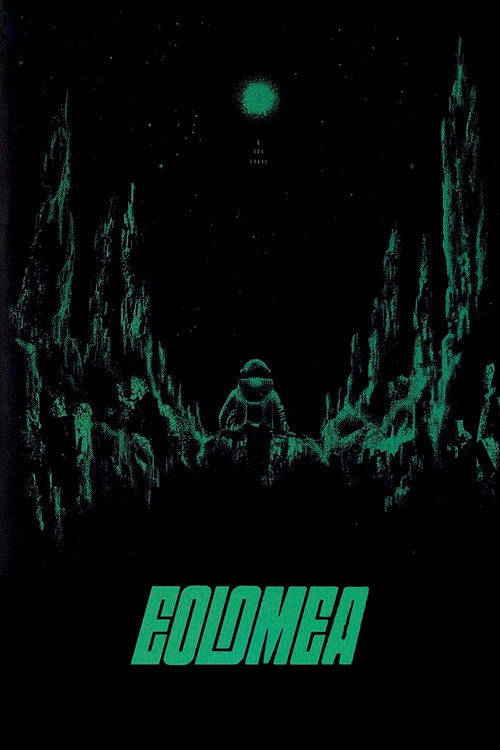
Eolomea1972
Both use the unraveling of a false conviction as their engine, but Eolomea treats the investigation as epistemological crisis rather than plot puzzle.
A woman imprisoned in a dystopia for a crime she didn't commit must reconstruct the truth. Formally radical—structured like an investigation, shot in black-and-white with Brechtian distance—but emotionally devastated. Betrayal and falsified evidence structure the narrative.
But Avant-garde in approach; it actively resists conventional drama. The pacing is glacial by design, and the tone is bitter rather than engaging.
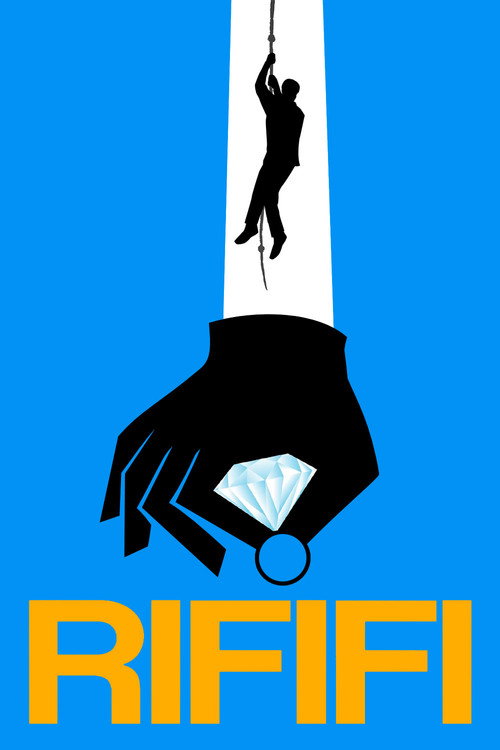
Rififi1955
Both are heist-and-consequences stories that make the mechanics of crime themselves the subject, with moral compromise as their foundation.
A heist film nearly without dialogue, directed by Jules Dassin with extraordinary visual precision. Like Rogue River, it's about how prior schemes come back to haunt, but it achieves suspense through style and silence rather than exposition. A masterwork.
But The film is more interested in aesthetics than character. If you need emotional engagement with the people, the austere distance may feel cold.
People
Cast
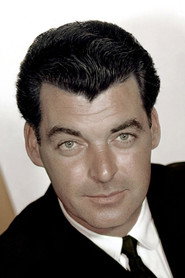 Rory CalhounOwnie Rogers
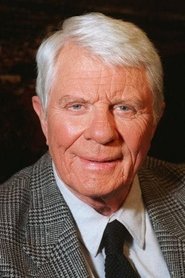 Peter GravesPete Dandridge
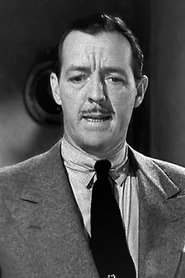 Frank FentonJoe Dandridge
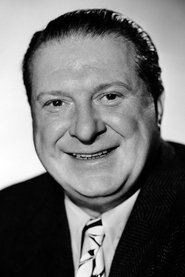 Ralph SanfordMax Bonner
- George SternH.P. Jackson
- Ellye MravakJudy Haven
- Roy EngelEd Colby
- Jane LiddellEileen Reid
- Bob RoseCarter Laney
- Stephen RobertsMayor Arthur Judson
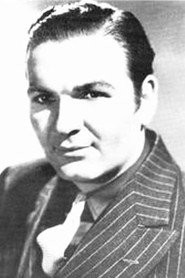 Duke YorkBowers
Directing
- John RawlinsDirector
Writing
- Louis LantzWriter