
Film
True Stories
- Comedy
- Light-hearted
David Byrne's deadpan love letter to suburban Texas, part concert film, part talk-show fever dream. He wanders through a town's 150th birthday celebration, narrating the bizarre inner lives of ordinary people with genuine affection. It's funny, strange, and oddly moving—a film that treats small-town America with the curiosity it deserves.
If you liked this
Synecdoche, New York2008
Charlie Kaufman's baroque meditation on art, ego, and mortality uses the same technique of excavating surreal depths from mundane lives. Dense, deliberately disorienting, and genuinely life-altering if you let it in.
But Nearly three hours of recursive narrative and philosophical spiralling—it demands active patience and can feel deliberately opaque about its own meaning.

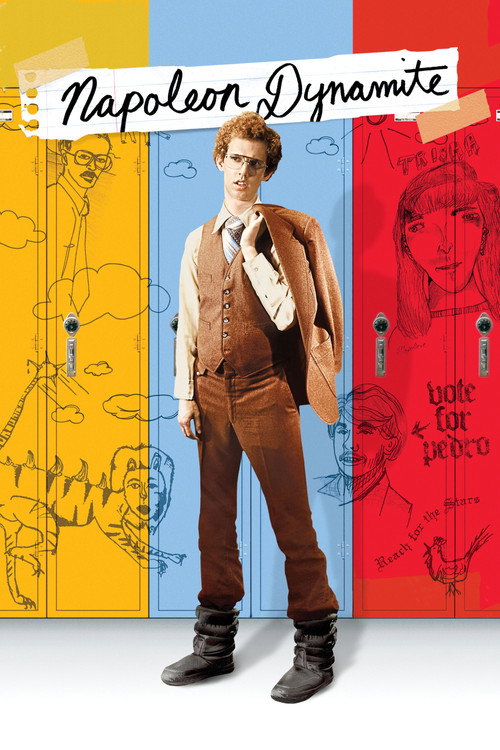
Napoleon Dynamite2004
Another deadpan portrait of small-town eccentricity, finding comedy and warmth in characters everyone else overlooks. Same generous eye, same awkward comedy born from genuine observation.
But The mumbling pace and anti-humor approach feel deliberately slow; some find it aggressively quiet rather than charmingly subdued.
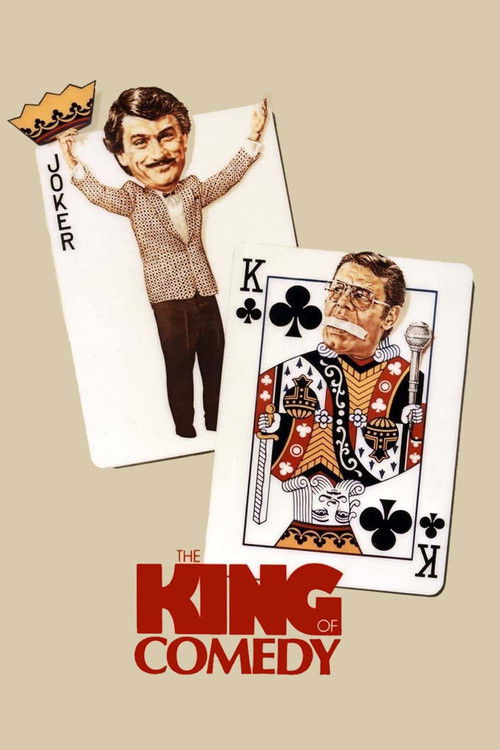
The King of Comedy1982
Scorsese's strangest film uses talk-show artifice to explore delusion and hunger for recognition. Uncomfortable, funny, and structurally brave in ways that anticipate True Stories' formal playfulness.
But It's genuinely unsettling and hostile in ways that feel less warm than True Stories—there's real menace underneath the premise.
Not sure tonight? Get a pick in a minute, starting from True Stories
The wildcard
Something you would not have found on your own.
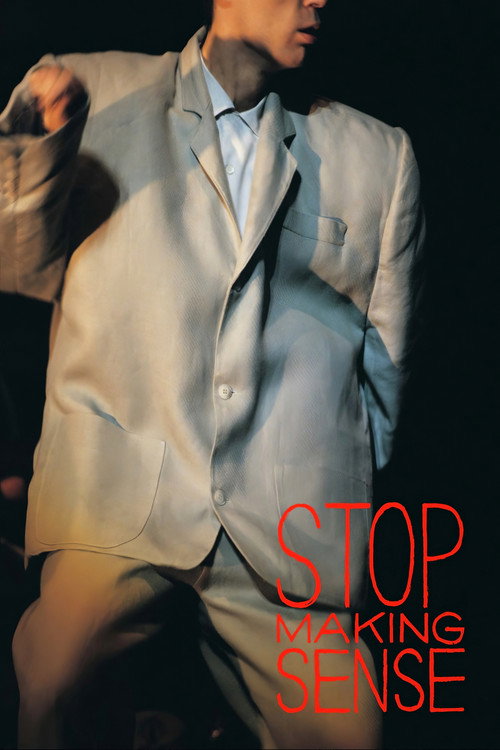
Stop Making Sense1984
True Stories is David Byrne's directorial debut, made while he was the Talking Heads frontman. Stop Making Sense shows you the artistic vocabulary and visual thinking he brings to narrative cinema.
Jonathan Demme's concert film, directed by the same person who made True Stories' DNA visible: Byrne himself, performing with Talking Heads. It's a masterclass in turning performance into visual narrative. Watching it after True Stories reveals how much that film borrowed from concert film's grammar—the direct address, the structural minimalism, the way music carries meaning.
But If you don't love Talking Heads, the extended instrumental passages and repetitive structure will feel indulgent rather than hypnotic.
More like this (7)
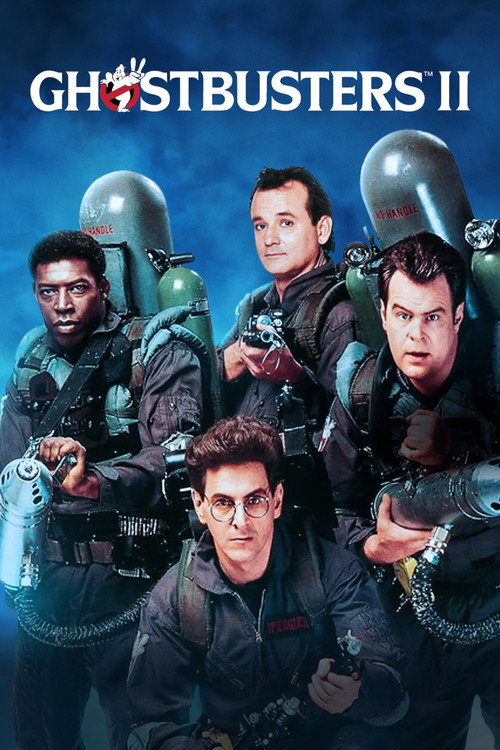
Ghostbusters II1989
Rarely discussed, but this sequel shares True Stories' commitment to treating absurdity as the norm. It's unafraid to be silly without apology, and Byrne's Talking Heads bandmate vibe echoes through the whole thing.
But It's a studio comedy from 1989—genuinely uneven, sometimes grating, and chasing the first film's shadow throughout.
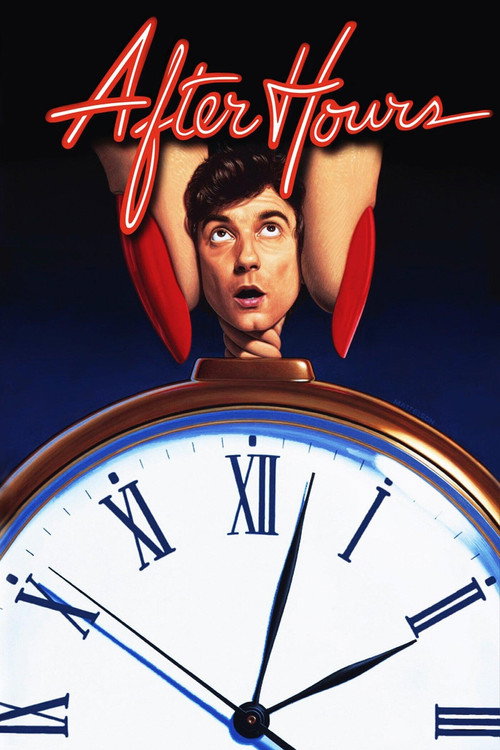
After Hours1985
Scorsese again, but lighter and weirder: a man's night spirals into increasingly improbable encounters. It has True Stories' fascination with the strangeness lurking in ordinary settings and ordinary people.
But The escalating chaos can feel arbitrary; the tone whipsaws between genres in ways that work brilliantly or tediously depending on your mood.
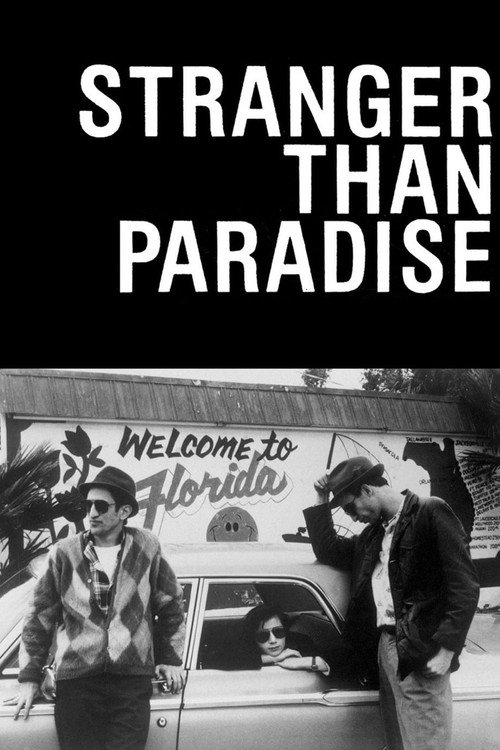
Stranger Than Paradise1984
Jarmusch's deadpan road movie finds profound melancholy in American ordinariness. Same patience with quiet moments, same refusal to laugh at its characters rather than with them.
But It's almost deliberately unglamorous and slow—if you want narrative momentum or visual style, you'll find it punishingly austere.
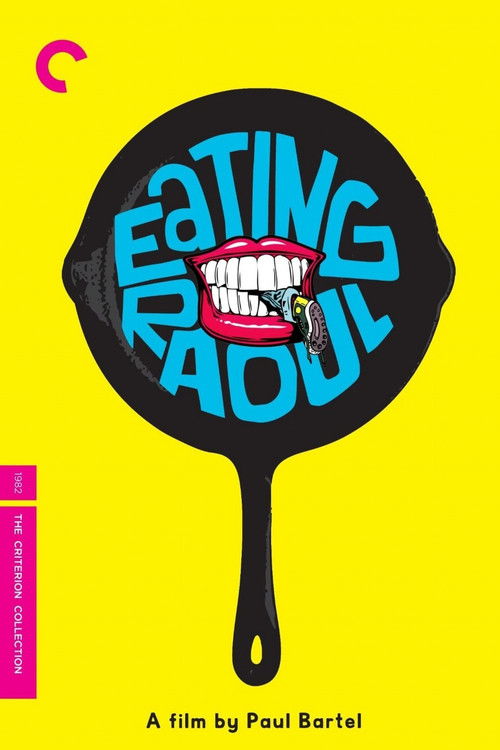
Eating Raoul1982
A darkly comic suburban nightmare that treats its cannibalistic premise as just another Los Angeles lifestyle issue. Bizarrely earnest about the bizarre, with real affection for its awful characters.
But It's considerably darker and more abrasive than True Stories; the comedy comes from genuine violation and ickiness.
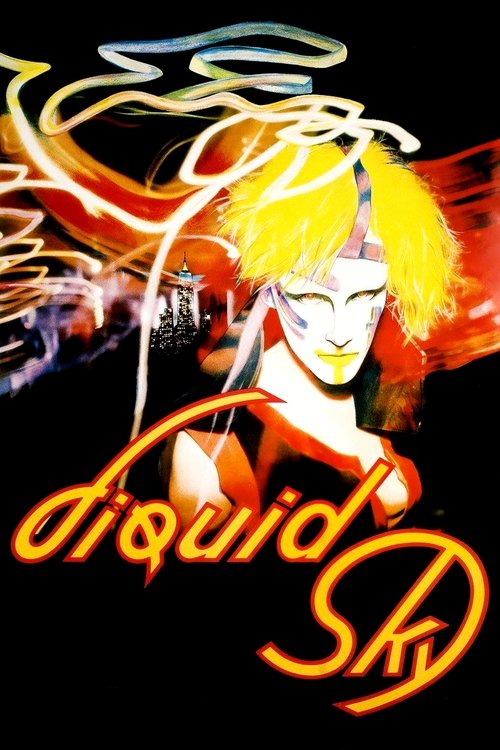
Liquid Sky1982
A no-budget alien-invasion indie that treats Lower East Side punk culture as the most normal thing in the world. Shares True Stories' outsider perspective and refusal to condescend to its subjects.
But It's genuinely difficult to parse: non-professional acting, lo-fi visuals, and a narrative that prioritizes mood over clarity can feel inaccessible.
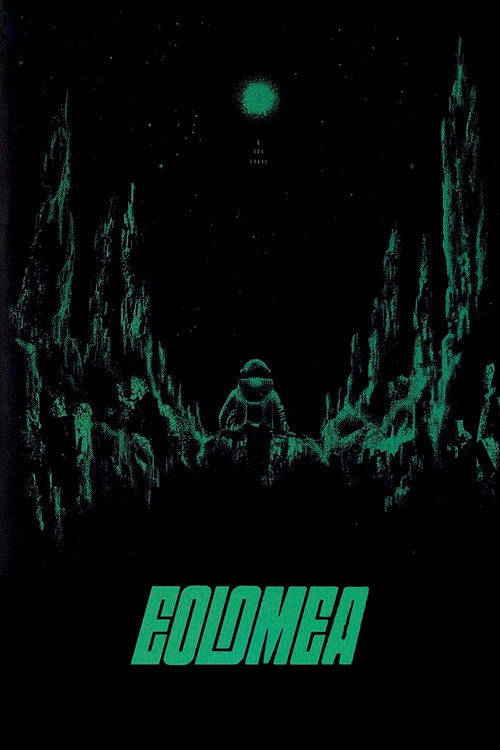
Eolomea1972
Both films find strangeness not in the fantastical but in the ordinary—a room, a town, a life. Both trust that treating the mundane seriously enough makes it surreal.
Zugzwang's experimental Hungarian sci-fi uses a desolate apartment and spare monologue to unlock existential dread. Its oblique narrative and refusal to explain itself creates the same uncanny feeling True Stories does—the sensation of watching something you don't quite understand but feel deeply.
But It's deliberately cryptic and Soviet in its indifference to the audience; there is no story in any conventional sense, only mood and philosophy.
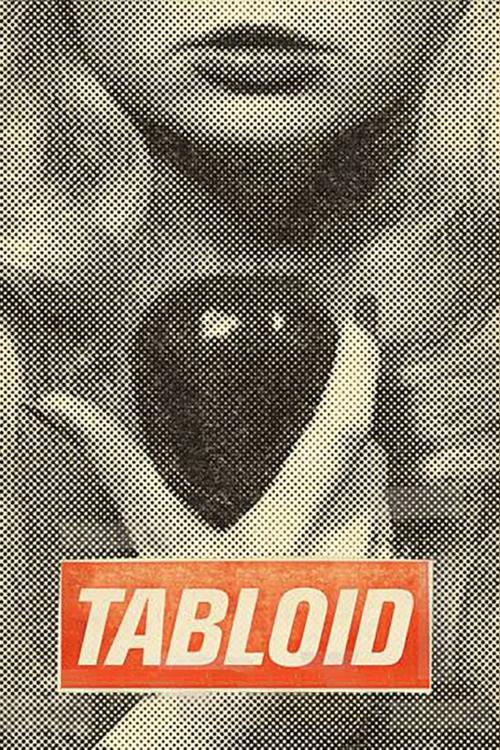
Tabloid2011
Both films use voice-over narration and formal detachment to create intimacy rather than distance. Both find the poetic and ridiculous coexisting in ordinary lives, and both love their subjects rather than mocking them.
Errol Morris's documentary about a tabloid's obsession with a woman's obsession with a man in the 1980s. It uses the same deadpan narrator-as-guide approach True Stories does, finding genuine humanity and comedy in people considered disposable by mainstream culture. It's funny, touching, and uses formal playfulness to say something serious about desire and delusion.
But It's a documentary, so the strangeness is real and sometimes sad in ways narrative fiction can soften. That earnestness about real people's pain might feel heavier than you want.
People
Cast
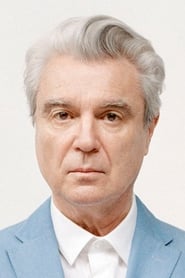 David ByrneNarrator / Lip-Syncher
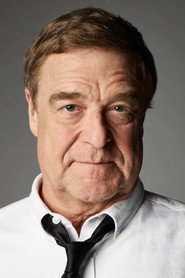 John GoodmanLouis Fyne
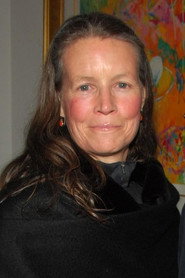 Annie McEnroeKay Culver
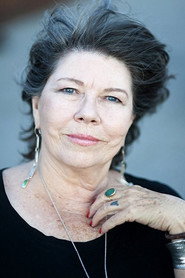 Jo Harvey AllenThe Lying Woman
 Spalding GrayEarl Culver
 Alix EliasThe Cute Woman
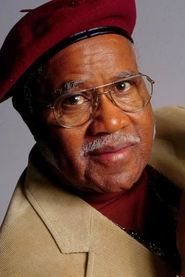 Roebuck 'Pops' StaplesMr. Tucker
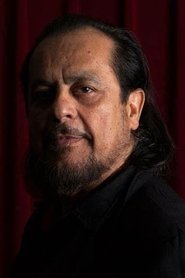 Tito LarrivaRamon
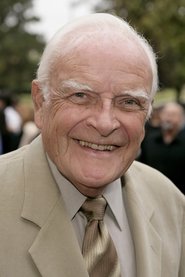 John IngleThe Preacher
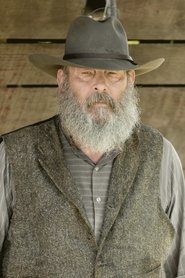 Matthew PoseyThe Computer Guy
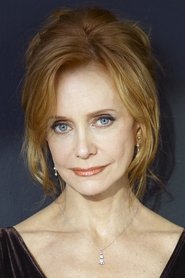 Swoosie KurtzThe Lazy Woman
- Amy BuffingtonLinda Culver
Directing
- David ByrneDirector
- Cherylanne MartinSecond Second Assistant Director
Writing
- Beth HenleyWriter
- David ByrneWriter
- Stephen TobolowskyWriter
Production
- Michael FlynnAssociate Producer
- Neal WeismanAssociate Producer
- Victoria ThomasCasting
- Karen MurphyCo-Producer
- Allan F. NichollsExecutive In Charge Of Production
- Edward R. PressmanExecutive Producer
- Gary KurfirstProducer