
Film
The Lost World
Other titles called The Lost World: the 1925 film.
A 1960 adventure film where Claude Rains' eccentric professor leads an expedition into the Amazon to prove dinosaurs still roam a hidden plateau. It's earnest, colorful, and stuffed with practical creature effects that wobble charmingly on screen. For anyone who loves classic adventure serials, creature features, or the specific joy of watching actors react seriously to rubber monsters.
Should you watch it?
Watch it if you relish sixties-style jungle adventure told with brisk good humour, a pompous Claude Rains commanding the expedition, and creature effects that are charmingly of their era.
Skip it if you need modern visual polish or a deep emotional core, since the effects show their age and the characters stay broadly drawn rather than felt.
What it asks of you: Ninety-seven minutes move briskly, with little downtime between expedition talk and set-pieces, and the tone stays light and cheerful from first scene to last.
Not sure? Find tonight's pick in a minute.
If you liked this
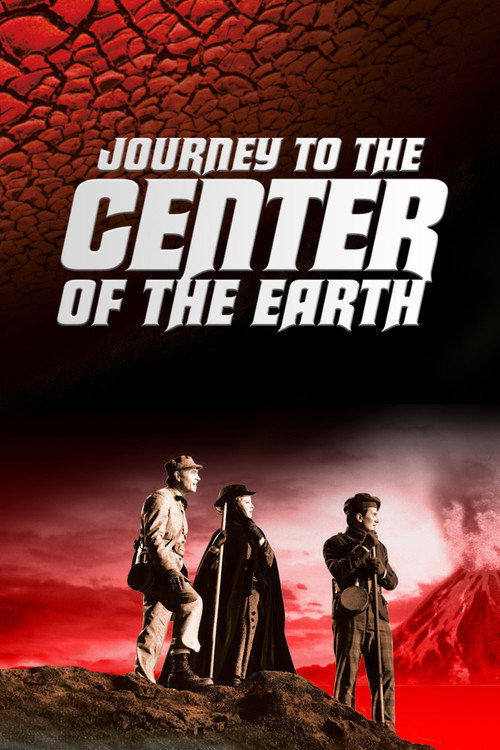
Journey to the Center of the Earth1959
The spiritual sibling: another Sixties adventure with a prestigious cast (James Mason, Arlene Dahl) descending into impossible geology. Same era, same earnest tone, same commitment to elaborate fantasy. A natural double feature.
But The pacing is genuinely slow by modern standards, and the romantic subplot feels obligatory. The underground sets, while ambitious, can feel stagey.
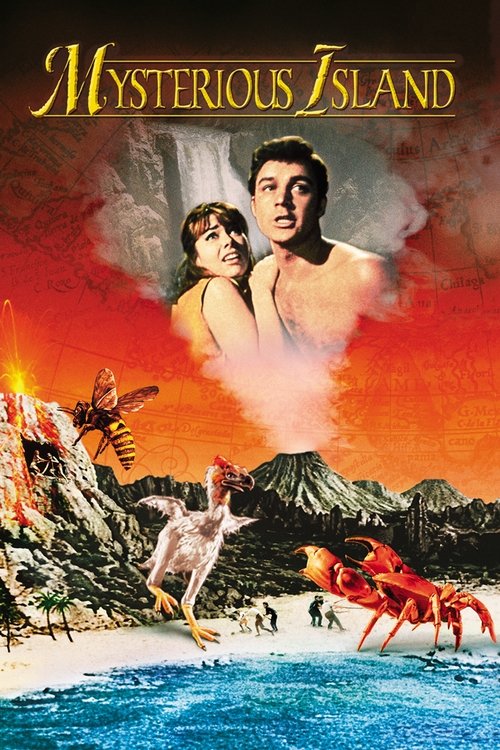
Mysterious Island1961
Stop-motion dinosaurs by Ray Harryhausen, which means they move with actual artistry. It has the same adventure-serial DNA: stranded explorers, impossible creatures, a remote location where the rules don't apply. Pure imagination made physical.
But The plot meanders considerably, and the film takes itself less seriously than you might hope. Some sequences drag despite the spectacle.
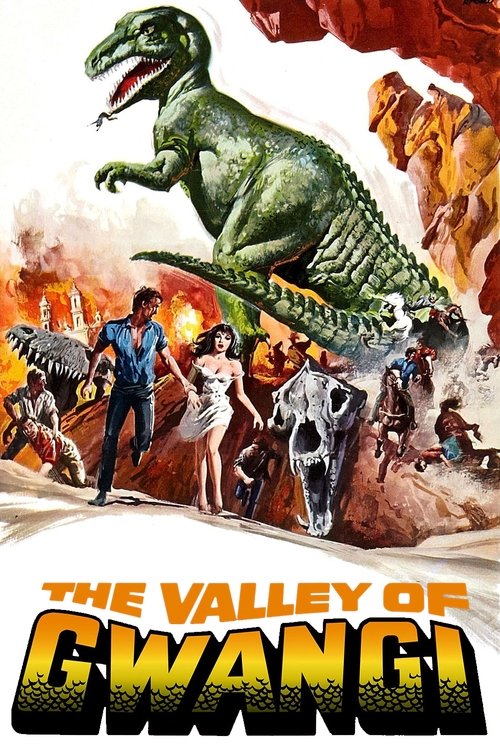
The Valley of Gwangi1969
A Harryhausen western where cowboys wrangle a dinosaur. It's the same impulse as The Lost World—take prehistoric monsters seriously—but filtered through a completely different genre. Technically brilliant and genuinely weird.
But It's slower and stranger than a typical adventure film. If you want straightforward thrills, the digressions will test your patience.
Not sure tonight? Get a pick in a minute, starting from The Lost World
The wildcard
Something you would not have found on your own.
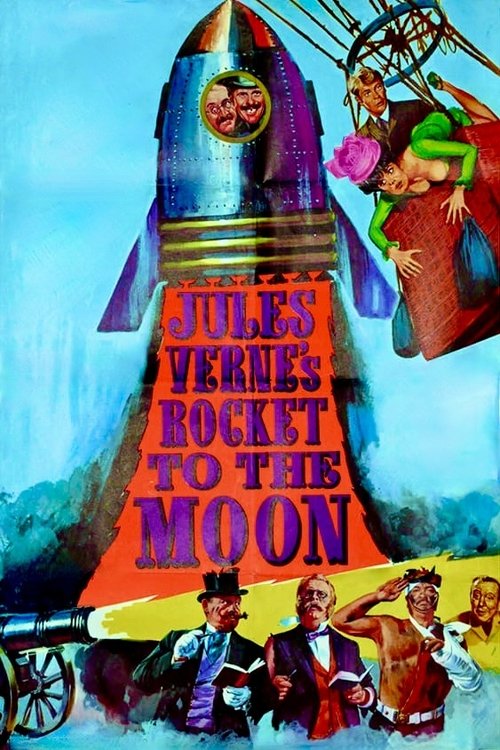
Jules Verne's Rocket to the Moon1967
Both are Sixties adaptations of Victorian-era adventure literature that commit fully to their practical effects and elaborate sets. But where The Lost World aims for immersion, this one embraces theater—they're siblings in different theatrical traditions.
Also a 1960s adventure based on classical source material (Verne again), but it's surreal and colorful in ways The Lost World isn't. The film leans into its own artificiality—painted sets, theatrical lighting, a dreamlike tone—yet stays completely earnest about its story. It's what happens when adventure pulp gets refracted through art design instead of documentary realism.
But The artificiality can feel mannered and slow. If you want your adventure film to feel grounded, this will frustrate you.
More like this (7)
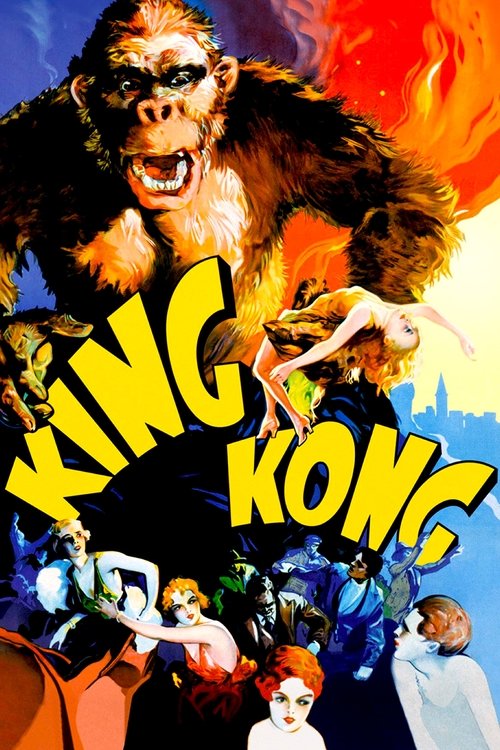
King Kong1933
The granddaddy of them all. The 1933 original has the same DNA: an expedition, a hidden world, practical effects treated with dignity. It's sharper, tighter, and genuinely thrilling in ways that influenced everything after.
But It's 90 years old and shows it. The pacing and effects, however revolutionary, won't match modern spectacle. Some elements haven't aged well.
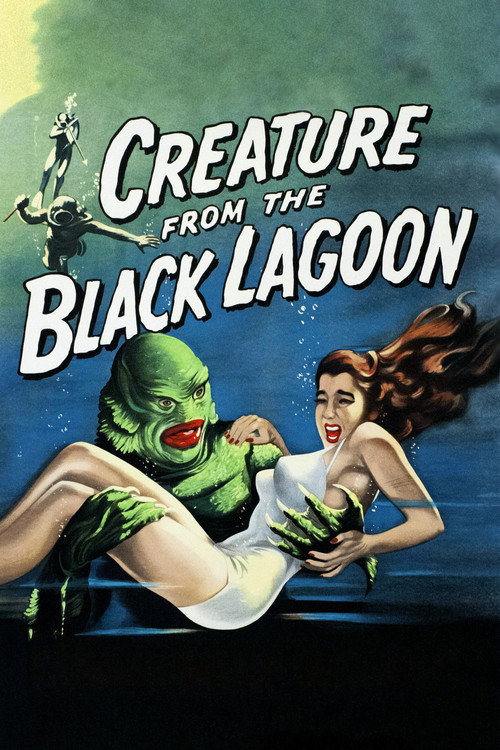
Creature from the Black Lagoon1954
Amazon setting, creature effects, a team of scientists in over their heads. It's leaner and meaner than The Lost World, with genuine suspense. The practical creature design is iconic for reason—it actually works.
But It's briefer and tighter, which means less room for character development. The romantic triangle feels perfunctory.
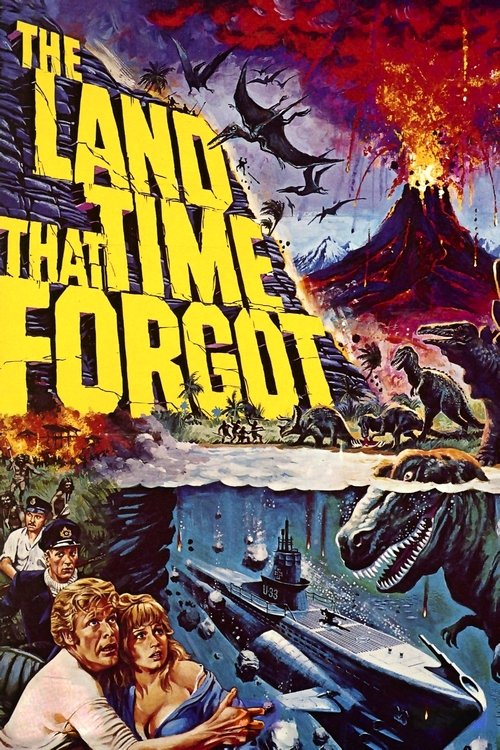
The Land That Time Forgot1974
An expedition to a hidden continent with dinosaurs and cave dwellers. It has the same pulpy adventure logic and commitment to practical creature effects. Doug McClure carries it with genuine charm.
But The effects haven't aged kindly, and the plot is extremely thin. It asks you to forgive a lot for the sake of spectacle.
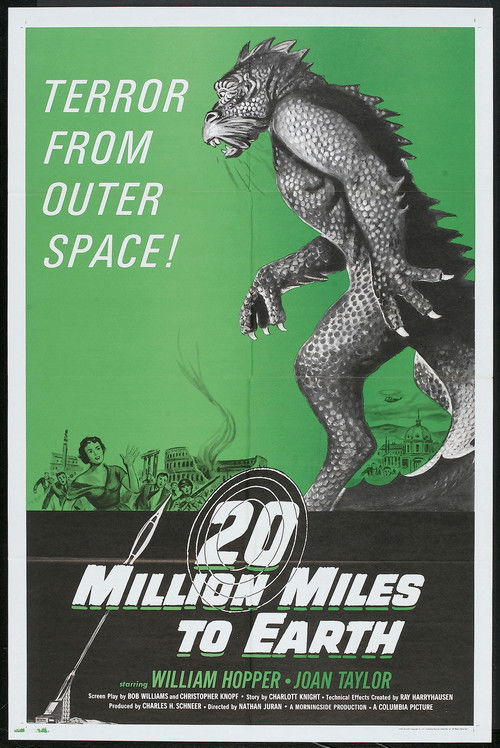
20 Million Miles to Earth1957
Harryhausen stop-motion again, but this time it's about a creature from Venus growing in Rome. Same creature-feature logic, different setting. A quick, punchy reminder of why these films mattered.
But It's brief to the point of sketchiness. The plot is almost perfunctory, and the characters exist mainly to react to the monster.
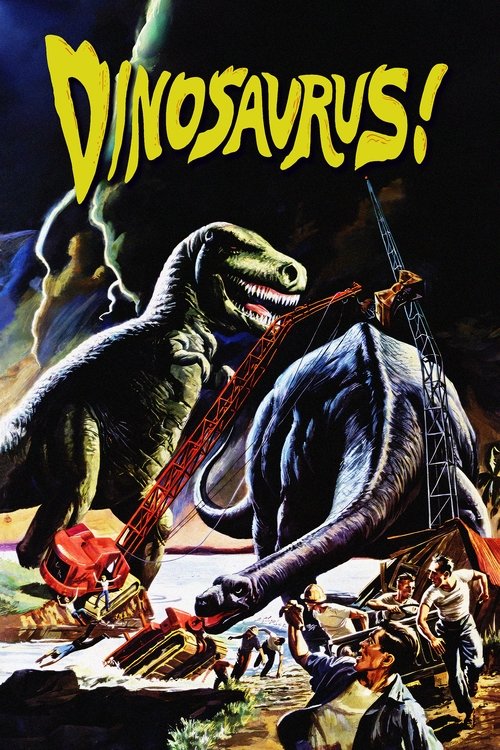
Dinosaurus!1960
Released the same year as The Lost World, it's about a dinosaur awakened by construction workers. It's earnest in exactly the same way, and the practical dinosaur effects have the same lovable wobble. A genuine curiosity.
But The comic relief is aggressive, and the logic is paper-thin. It requires a specific tolerance for campy sincerity.
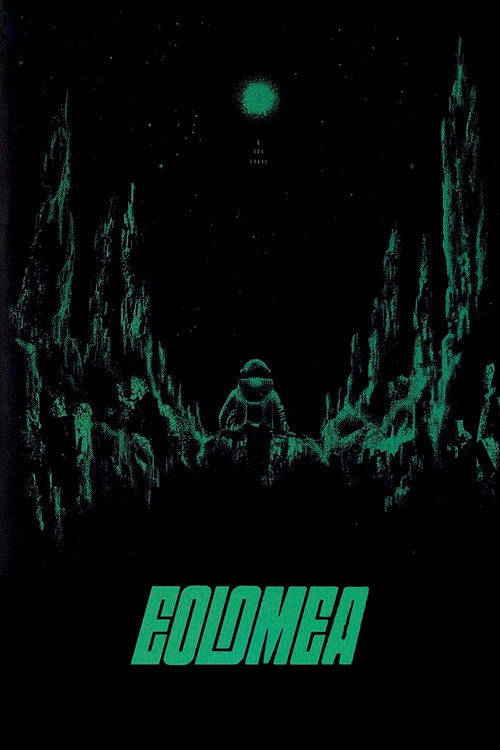
Eolomea1972
Both films are structured as expeditions into impossible places, using practical design to build strange worlds. But Eolomea treats mystery as something to contemplate rather than conquer—it's The Lost World's philosophical opposite, asking different questions about the same journey.
A Hungarian science-fiction film where an expedition discovers an alien planet and its civilization. It has the same expedition structure and sense of wonder, but it's meditative and strange—interested in atmosphere and philosophy rather than spectacle. The production design is stunning and utterly alien.
But It's slow, oblique, and deeply weird. There's almost no conventional plot. If you need action or clear narrative momentum, this will feel remote and impenetrable.
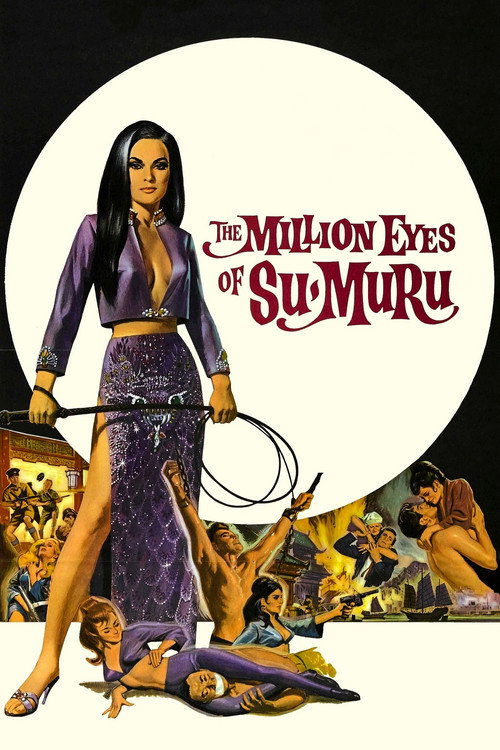
The Million Eyes of Sumuru1967
Both are adventure films from the same era obsessed with building impossible things and creatures practically. But where The Lost World plays everything straight, this one knows how silly it all is and grins—they're the earnest and ironic children of the same pulp tradition.
A spy-adventure romp with Shirley Eaton, set across exotic locations, featuring elaborate practical sets and creatures (including a rubber octopus). It's lighter and campier than The Lost World, but it has the same commitment to practical design and adventure-film grandeur, just filtered through late-60s spy fashion and wit.
But It's pulpy and slightly silly, with a plot that serves mostly as an excuse for set pieces. If you take your adventure seriously, the playfulness will feel undisciplined.
People
Cast
 Michael RennieLord John Roxton
 Jill St. JohnJennifer Holmes
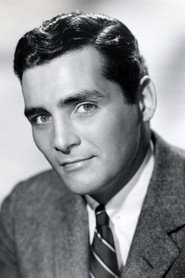 David HedisonEd Malone
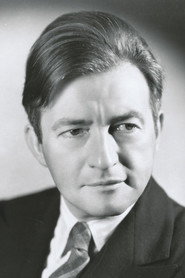 Claude RainsProf. George Edward Challenger
 Fernando LamasManuel Gomez
 Richard HaydnProf. Summerlee
 Ray StricklynDavid Holmes
 Jay NovelloCosta
 Vitina MarcusNative Girl
 Ian WolfeBurton White
 Colin CampbellProf. Waldron (uncredited)
- John GrahamStuart Holmes (uncredited)
Directing
- Ad SchaumerAssistant Director
- Irwin AllenDirector
Writing
- Arthur Conan DoyleNovel
- Charles BennettScreenplay
- Irwin AllenScreenplay
Production
- Irwin AllenProducer
Recommended by
The Valley of Gwangi, The Land Unknown, A Journey to the Center of the Earth