
Film
Horror Noire: A History of Black Horror
A brisk, authoritative sprint through a century of Black representation in horror cinema—from minstrelsy and exploitation to genuine artistic power. Interviews with filmmakers and scholars trace how the genre shifted from using Black bodies as props to centering Black creativity. Energizing and essential, it's part film history, part cultural reckoning, and entirely gripping.
Should you watch it?
Watch it if you love horror as a conversation about who gets to be scared, and you like film history told largely through the people who lived it.
Skip it if you came for scares rather than scholarship, since this is a talky survey that shows far more old clips and interviews than fresh frights.
What it asks of you: Steady attention across a decade-by-decade march through titles and talking heads, unhurried and mostly light on suspense, for a brisk 83 minutes.
Not sure? Find tonight's pick in a minute.
If you liked this
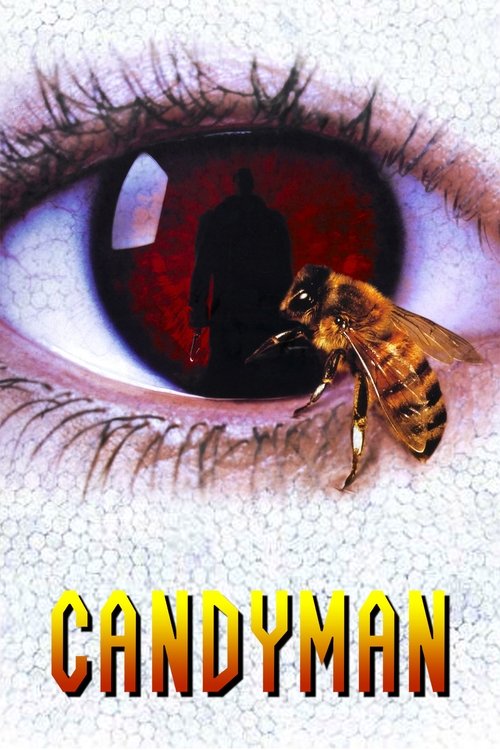
Candyman1992
A masterwork that uses horror to interrogate racism, urban legend, and the ghosts that haunt American history. Plays the genre with intelligence and dread, rewarding close attention to every frame and sound design choice.
But The pacing in the middle stretches thin, and if you go in expecting a straightforward slasher, you'll find something far stranger and slower.
Get Out2017
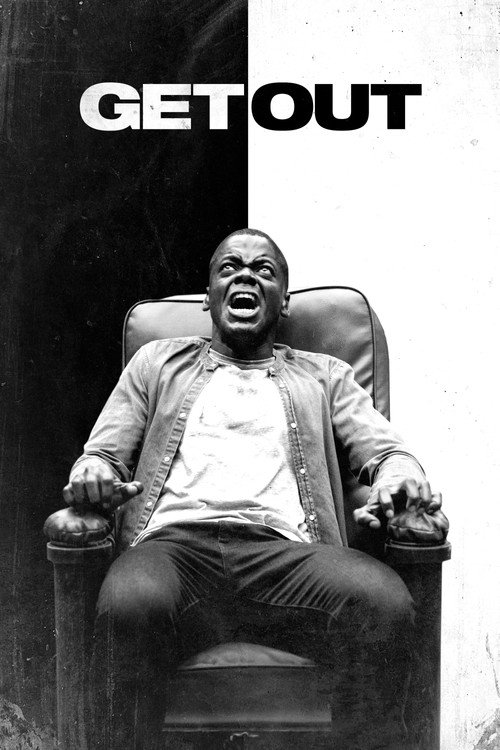
The horror-thriller that broke through as genuine cultural phenomenon. Sharp social commentary married to genuine scares, a magnetic lead performance, and a script that trusts its audience to catch the layers.
But The second act pivots tone dramatically; if you want relentless suspense rather than satirical unease, the gear shift might frustrate you.
His House2020
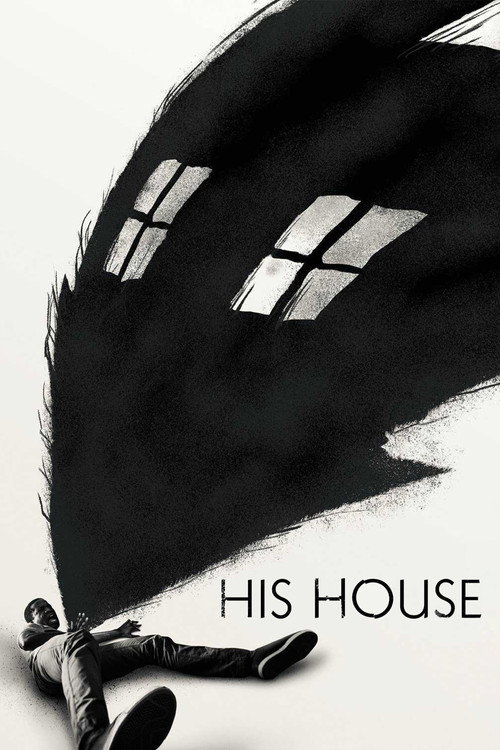
Transforms the haunted-house film into a meditation on refugee trauma and displacement. Visually inventive, emotionally raw, it finds horror in systems and survival, not jump-scares. A genuinely original film.
But The ghosts are intentionally cryptic and symbolic rather than explained; ambiguity will either entrance you or leave you cold.
Not sure tonight? Get a pick in a minute, starting from Horror Noire: A History of Black Horror
The wildcard
Something you would not have found on your own.
Eolomea1972
Both are films about how genre and form can express historical erasure and the invisible systems that consume bodies and identities.
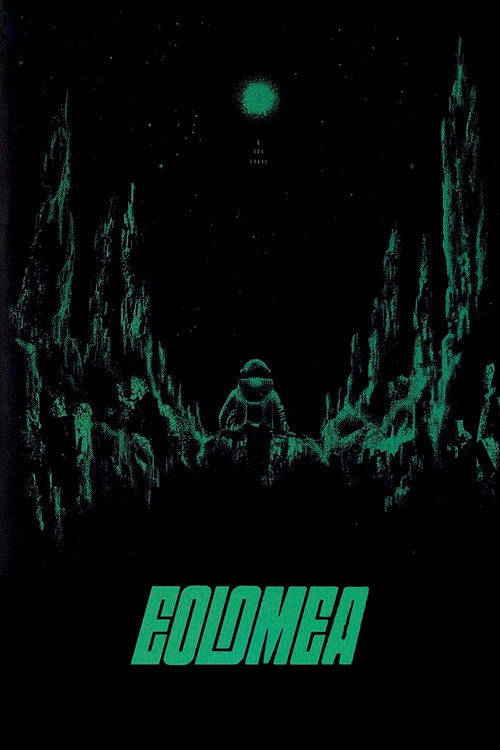
A radically experimental Yugoslav sci-fi film where the horror is technological displacement and the loss of human connection. Shot in stark black-and-white, deliberately paced, it uses the grammar of science fiction to invoke genuine dread about progress and obsolescence.
But Extremely slow, conceptual rather than narrative, filmed in a language most won't understand, and it reads as a challenge rather than an entertainment. Many will find it impenetrable.
More like this (8)
The Wailing2016
A South Korean masterpiece that wraps mystery, folk horror, and spiritual dread into two-and-a-half hours of mounting unease. Layers unfold with each viewing; it's the kind of film that gets under your skin.
But Nearly three hours, Korean language, and a deliberately withholding finale. It demands patience and rewards it unevenly—some find it transcendent, others exhausting.

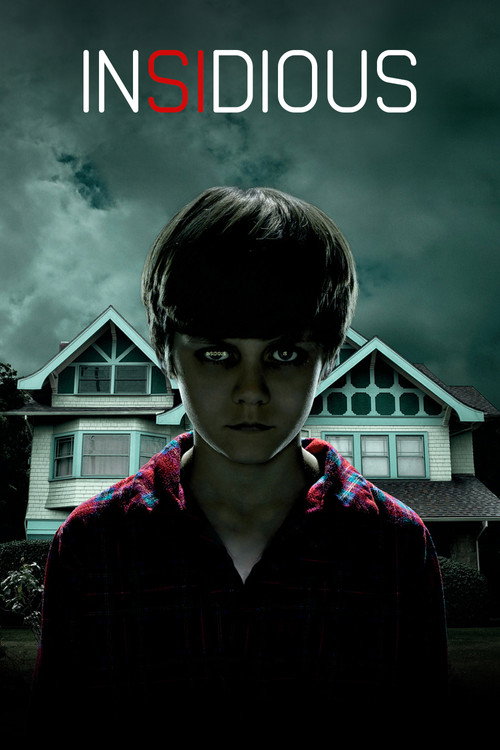
Insidious2011
James Wan's breakthrough channels genuine creepiness through minimalist design and committed performances. Builds dread methodically and delivers several of the scariest sequences in modern horror without relying on gore.
But The third act leans into more conventional spectacle, and some of the scares have been borrowed so often they've lost their edge if you've seen newer films.
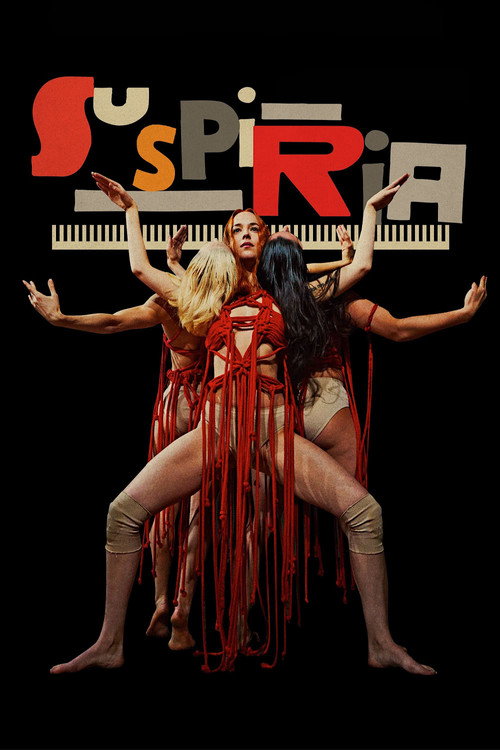
Suspiria2018
Luca Guadagnino's remake of the Argento classic is a sumptuously dark ballet of ambition and evil. Visually hypnotic, deliberately paced, anchored by Tilda Swinton doing extraordinary work in multiple roles. Pure cinema.
But The 152-minute runtime prioritizes atmosphere over plot momentum; the final chapter feels like a tonal shift some find jarring or cold.
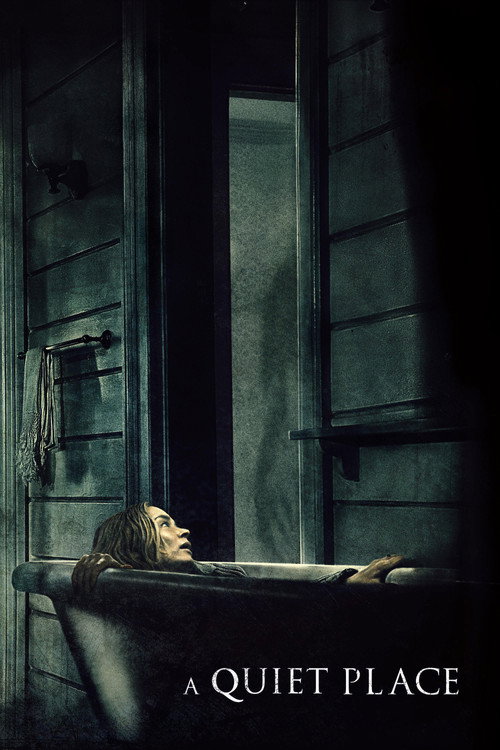
A Quiet Place2018
A high-concept thriller that executes its central premise—creatures hunt by sound—with control and ingenuity. Minimal dialogue, maximum tension, and it trusts the audience to follow the logic of survival.
But The concept can feel like a gimmick if it doesn't hook you early, and the family-drama undercarriage won't resonate if you're here only for the scares.
Under the Skin2014
Jonathan Glazel's haunting, cryptic film moves like a dream and lodges in the mind for weeks. Scarlett Johansson gives a performance of pure presence, and the film achieves genuine existential horror through restraint.
But It's deliberately oblique and slow, with minimal plot and dialogue. If you need narrative clarity and conventional pacing, this will feel pretentious and tedious.

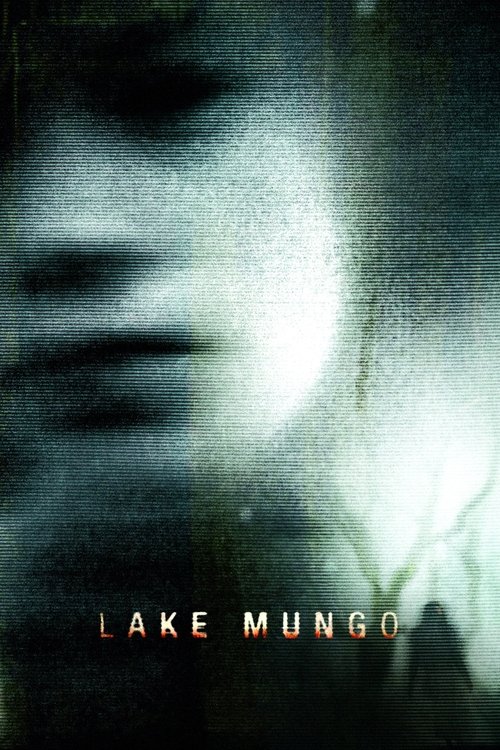
Lake Mungo2009
An Australian found-footage film that feels like real grief accidentally captured on video. Quietly devastating, genuinely creepy, structured as a kind of investigative documentary that builds to quiet, awful revelation.
But The found-footage format and unknown cast mean it starts with low momentum, and the horror is subtle enough that some mistake it for boring.
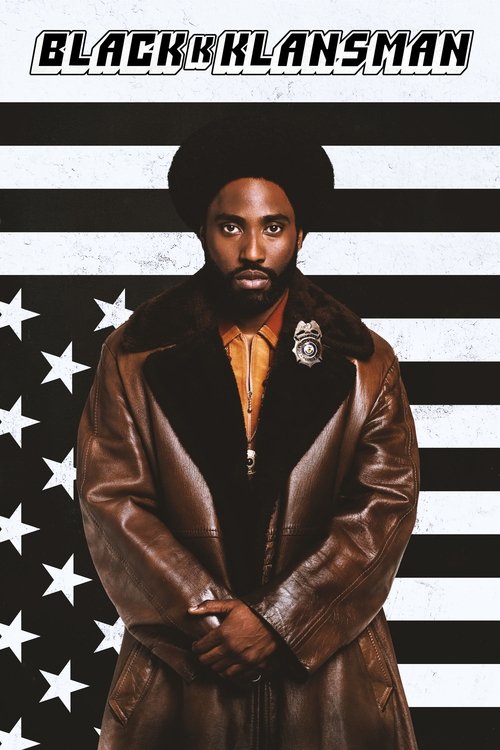
BlacKkKlansman2018
Where Horror Noire traces how Black bodies were positioned in genre cinema, Blackkklansman shows how to weaponize genre form itself against the systems that marginalized them.
Spike Lee's film treats white supremacy as a genre antagonist—part thriller, part dark comedy, part angry manifesto. It has the nerve to be both entertaining and unflinching about American racism as a structural horror.
But The tonal shifts between comedy and real violence are deliberate and abrasive; if you want consistency of mood, Lee's refusal to let you settle will feel aggressive.
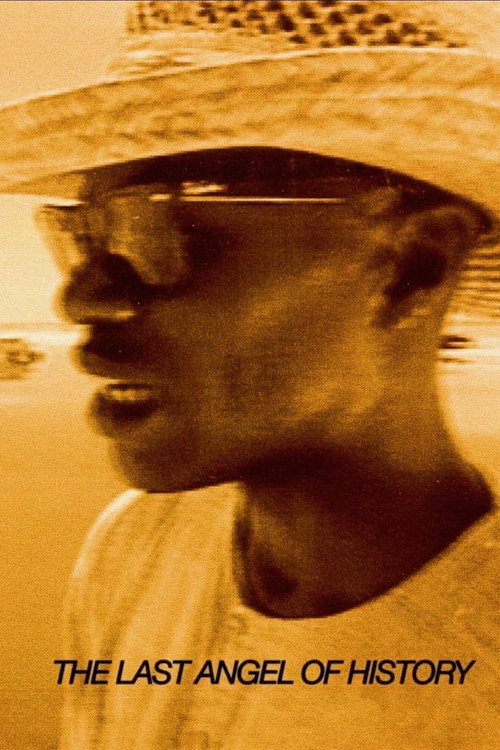
The Last Angel of History1996
Both use cinema as a form of historical reclamation, insisting that Black experiences and Black imagination belong in genres that had systematically excluded them.
John Akomfrah's essay-film fuses Afrofuturism, science fiction, and documentary into something utterly its own. It moves between archive footage, interviews, and speculative sequences to ask what futures were stolen from Black Americans. Visually poetic and intellectually fierce.
But It's experimental and fragmented; there's no plot, just connected ideas. If you need linear narrative or conventional documentary structure, this will seem formless and difficult.
People
Cast
 Meosha BeanSelf
- Ashlee BlackwellSelf
 William CrainSelf
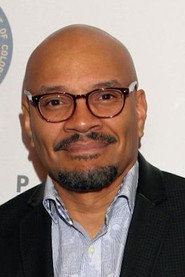 Rusty CundieffSelf
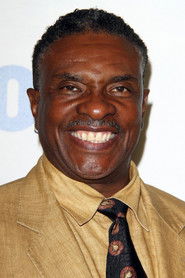 Keith DavidSelf
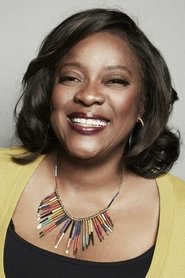 Loretta DevineSelf
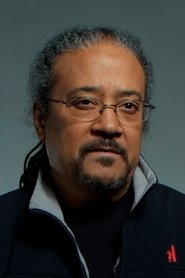
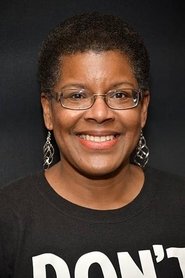 Tananarive DueSelf
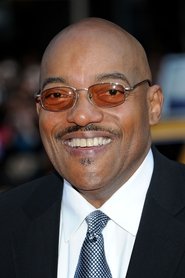 Ken ForeeSelf
- Mark H. HarrisSelf
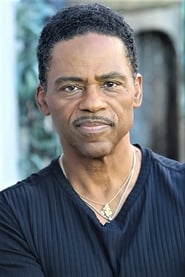 Richard LawsonSelf
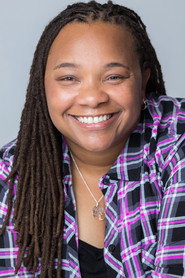 Tina MabrySelf
Directing
- Xavier BurginDirector
Writing
- Robin Means ColemanNovel
- Ashlee BlackwellWriter
- Danielle BurrowsWriter
Production
- Kelly RyanExecutive Producer
- Phil Nobile Jr.Executive Producer
- Robin Means ColemanExecutive Producer
- Tananarive DueExecutive Producer
- Ashlee BlackwellProducer
- Danielle BurrowsProducer