
Film
The Last Angel of History
- Science fiction
- Strange
A 45-minute essay-film that traces a revelation: Black futurism didn't arrive with hip-hop or the internet, but was always there in the margins of funk, Afrofuturism, and speculative thought. George Clinton, Derrick May, and DJ Spooky guide you through how techno emerged from Detroit's Black communities and how sci-fi has always been a tool of liberation. Strange, urgent, brilliant.
If you liked this
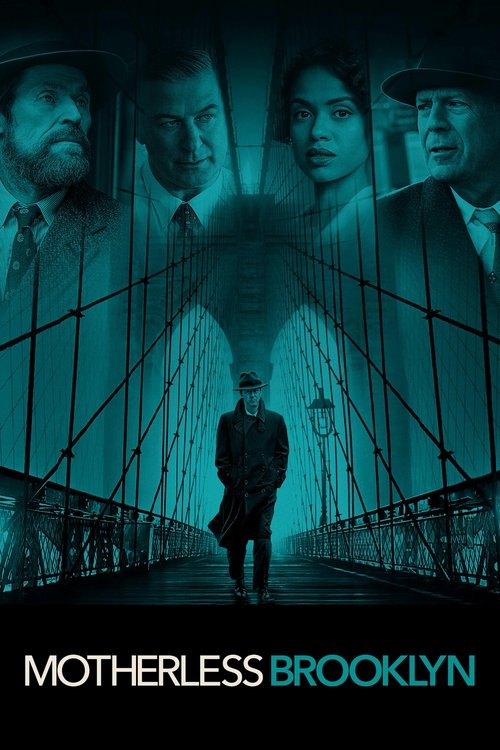
Motherless Brooklyn2019
Edward Norton directs and stars in this love letter to detective noir and Jewish New York, where the mystery matters less than the melancholic precision of the storytelling and the extraordinary supporting cast.
But It's deliberately mannered and overstuffed; the plot can feel secondary to the film's obvious love of its own construction.
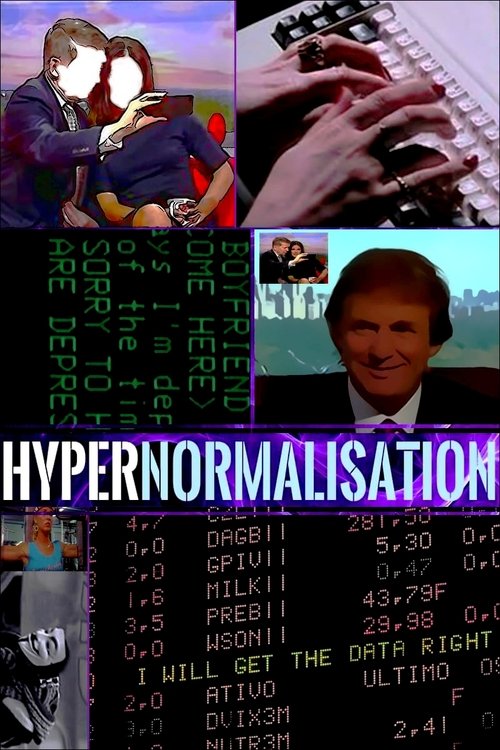
HyperNormalisation2016
Adam Curtis's essay-film argues that we've stopped believing change is possible and retreated into our own realities. Dizzying collage of archival footage, theory, and music that rewires how you see the present.
But It's deliberately disorienting and makes no effort to offer conclusions; some find it exhausting rather than enlightening.
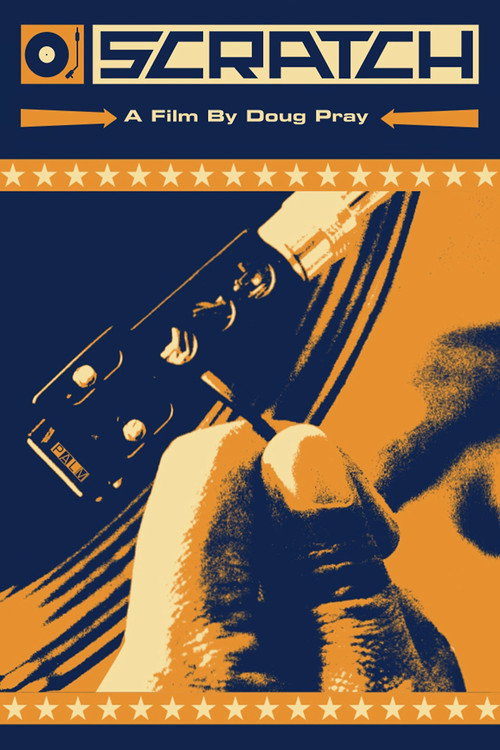
Scratch2001
A documentary about DJ culture as art form, craft, and lineage. Beautifully shot, funny, and genuinely reverent about the skill involved in scratching and beat-making.
But Long stretches assume you already understand turntable technique; casual viewers might find themselves lost in the weeds.
Not sure tonight? Get a pick in a minute, starting from The Last Angel of History
The wildcard
Something you would not have found on your own.
Synecdoche, New York2008
Both films operate as portable cosmologies—maps of consciousness disguised as documentaries. They don't explain the world; they show you the architecture of how one mind sees it.
Charlie Kaufman's fever dream about a theatre director building a miniature replica of New York inside a warehouse collapses reality, art, and obsession into each other. Formally audacious and emotionally catastrophic.
But It's wilfully confusing and sometimes pretentious; watching it requires surrendering to bewilderment rather than seeking resolution.

More like this (4)
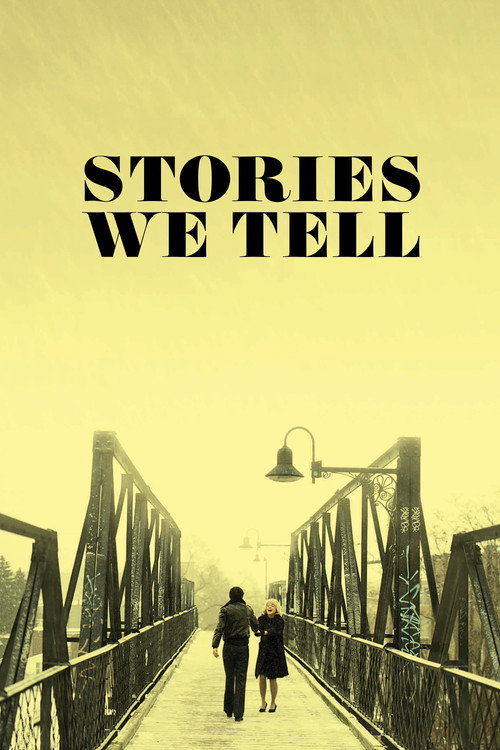
Stories We Tell2012
Michael Birks examines his own family's fractured history through film, deconstruction, and lies. A meditation on how we narrate ourselves that's tender without being sentimental.
But The formal experimentation can feel mannered, and the personal stakes might not land if you're watching for plot momentum.
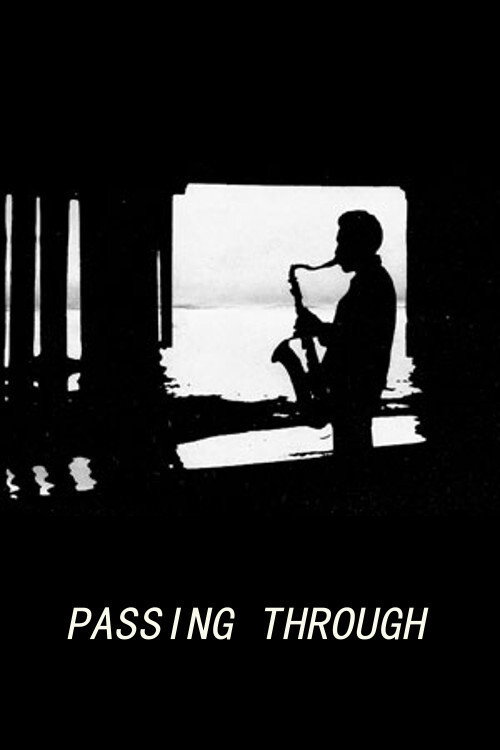
Passing Through1977
William Greaves's semi-autobiographical film about a Black artist in 1960s New York grapples with identity, desire, and the cost of survival. Radical formally and emotionally urgent.
But It's oblique and sometimes didactic; the experimental structure means clarity is often sacrificed for resonance.
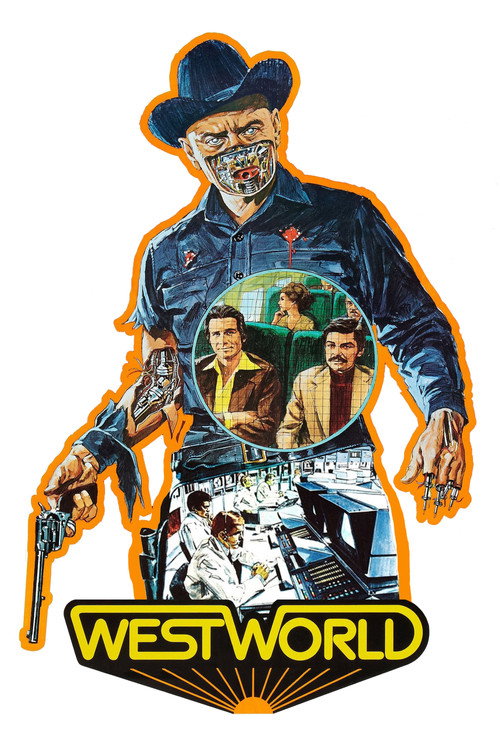
Westworld1973
Michael Crichton's sci-fi thriller imagines a Western theme park where android gunfighters malfunction. Prescient about technology, violence, and desire; holds up brilliantly as both thriller and parable.
But The pacing feels slow by modern standards and some of the dialogue is clunky; it's more idea-driven than action-driven.
Possession1981
Both films treat ideas—about technology, identity, liberation, dissolution—as bodily experiences. They don't theorize; they feel.
Andrzej Żuławski's mutant drama about a marriage collapsing in Cold War Berlin erupts into Lovecraftian horror and metaphysical anguish. Unhinged, sensual, and genuinely disturbing.
But It's baroque to the point of incoherence; the horror is conceptual and emotional rather than visceral, and some viewers find it melodramatic nonsense.

People
Cast
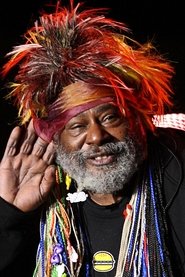 George ClintonSelf
- Kodwo EshunSelf
- Edward GeorgeSelf
- Derrick MaySelf
 Nichelle NicholsSelf
- DJ SpookySelf
 GoldieSelf
- Ishmael ReedSelf
- Greg TateSelf
- Samuel R. DelanySelf
- Juan AtkinsSelf
Directing
- John AkomfrahDirector
Writing
- Edward GeorgeWriter
Production
- Avril JohnsonProducer
- Lina GopaulProducer
- Edward GeorgeResearcher