
Film
The Gold of Naples
- Social drama
- Dip in and out
A 1954 Italian anthology of six interconnected stories set in Naples, each a sharp little comedy-drama of working people navigating small disasters, petty crime, and the narrow ways they find dignity. Episodic, warm, funny without being sentimental, and crackling with the particular energy of postwar Naples. For anyone who loves character-driven cinema and doesn't need a plot to tie things together.
Should you watch it?
Watch it if you like anthology films of bittersweet, sentimental comedy where a single city's street-level charm carries six small stories, and you enjoy seeing Totò and Loren at their most playful.
Skip it if you want one continuous story, since these are six separate vignettes that vary in tone and some feel slighter than others across a long runtime.
What it asks of you: Expect to sit through 131 minutes of short, shifting chapters, each with its own mood, so it rewards patience more than a fixed plot thread.
Not sure? Find tonight's pick in a minute.
If you liked this
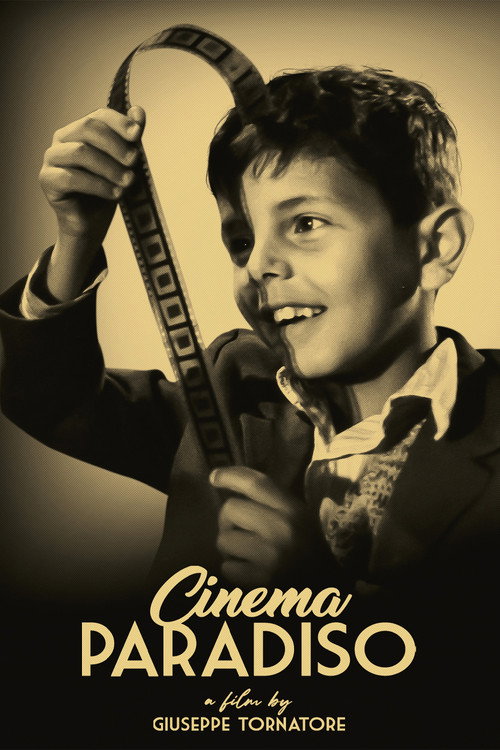
Cinema Paradiso1988
Another Italian love letter to a place and its people, built from small moments of connection and cinema itself as salvation. Emotionally generous without being manipulative, and genuinely moving about memory and loss.
But Slower-paced and considerably longer, with a framing story some find melodramatic. If you want plot momentum, this will test your patience.
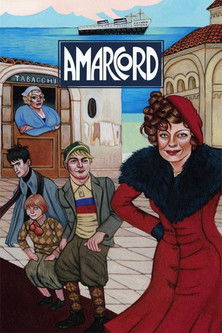
Amarcord1973
Fellini's episodic memory of fascist Italy—like this film but dreamier, more visually baroque, and funnier about small-town absurdity. Anthology structure, nostalgic without being naive, erotic without being crude.
But Heavily stylized and surreal. If you prefer naturalism and straightforward storytelling, the heightened theatricality can feel mannered or exhausting.
Bicycle Thieves1948
The DNA of Italian neorealism you're sampling here. A father and son navigating postwar Rome with nothing but a bicycle and dignity. Heartbreaking, unsentimental, and shows you where this sensibility comes from.
But Emotionally punishing and slow. Not a comfort watch. The ending will sit with you for days, and not always pleasantly.

Not sure tonight? Get a pick in a minute, starting from The Gold of Naples
The wildcard
Something you would not have found on your own.
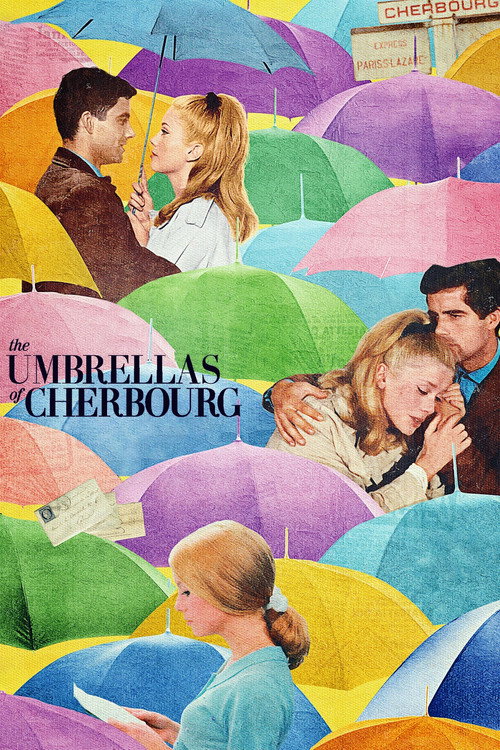
The Umbrellas of Cherbourg1964
Both use artifice—one episodic and neorealist, one sung and stylized—to make working-class desperation and class anxiety legible as cinema. Neither romanticizes, both make beauty and heartbreak inseparable.
A musical with Deneuve and Legrand where every word is sung, filmed in candy-coloured apartments, and devastatingly about class, money, and how love gets interrupted by circumstance. It shares *Gold of Naples*' secret: how to be formally gorgeous while discussing real poverty.
But Musical. People sing instead of speaking. If that registers as precious or false, the whole film collapses. The use of colour and artifice can read as evasive rather than poetic.
More like this (7)
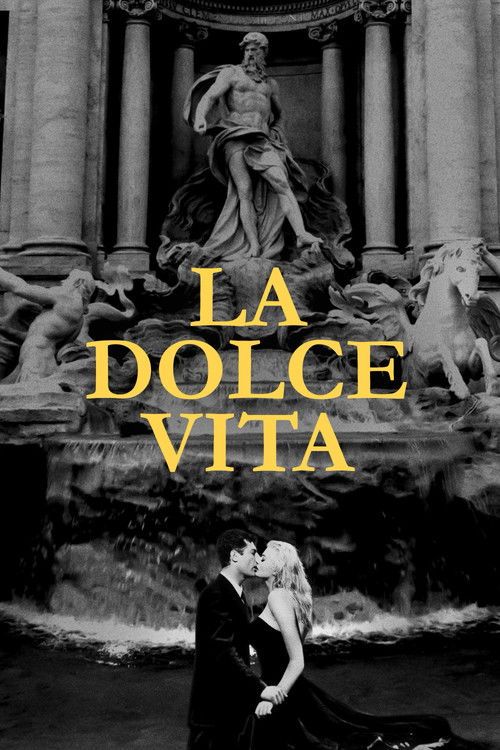
La Dolce Vita1960
Another Fellini, another Italian city symphony—Rome instead of Naples, glossy instead of working-class, but the same gift for capturing character through episodic vignettes and understanding how ordinary life becomes cinema.
But Nearly three hours and deliberately paced. The lifestyle it depicts is hedonistic in a way that can feel hollow, which is partly the point but still requires patience.
Umberto D.1952
Another neorealist gem about an old man, his pension, and the indignity of aging without money. Devastatingly honest and performed by a non-actor. Shows you what cinema could do when it stopped looking away from ordinary suffering.
But Bleak and repetitive by design. The relentlessness is the point, but it can feel like punishment rather than insight if you're not in the mood.

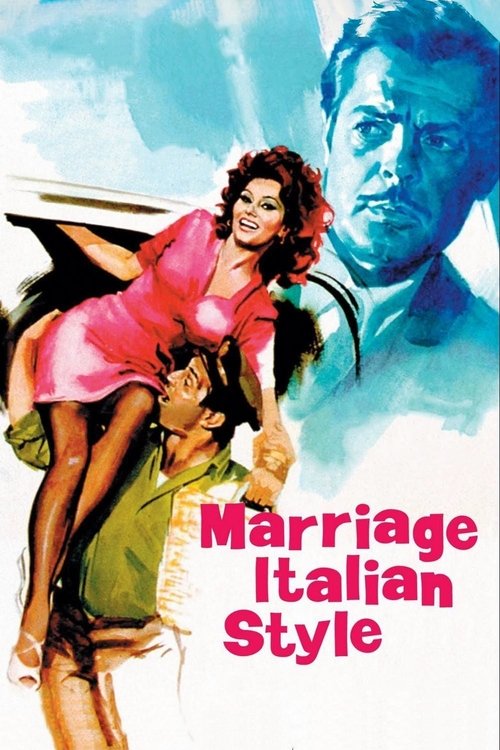
Marriage Italian Style1964
Sophia Loren (in this film) and Marcello Mastroianni in a comedy about class, marriage, and deception. Lighter and glossier than *Gold of Naples* but with the same sharp eye for how people navigate social obligation.
But The romantic comedy framework softens the social critique. If you want bite over charm, the softening will feel like a concession.
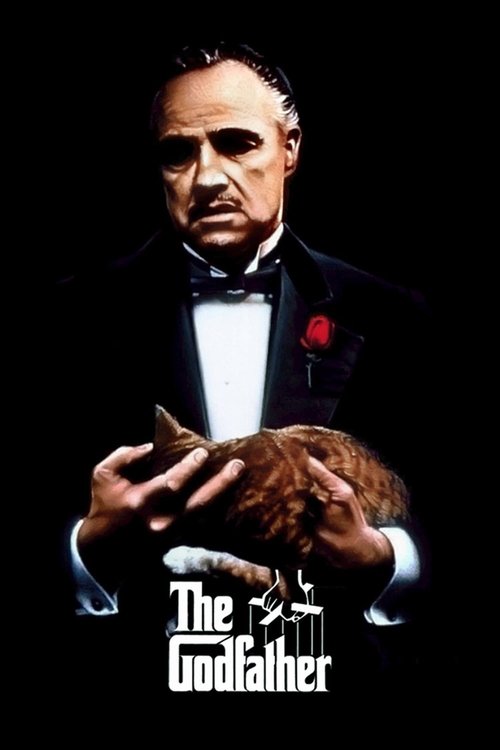
The Godfather1972
Not Italian cinema, but it learned from neorealism about how to make family drama feel epic without forgetting the small moments. Some of the same texture—family, honor, money, Naples via New York—but mythologized.
But Entirely different register. Three hours, plot-heavy, operatic where *Gold of Naples* is naturalistic. If you loved the episodic texture, this will frustrate you.
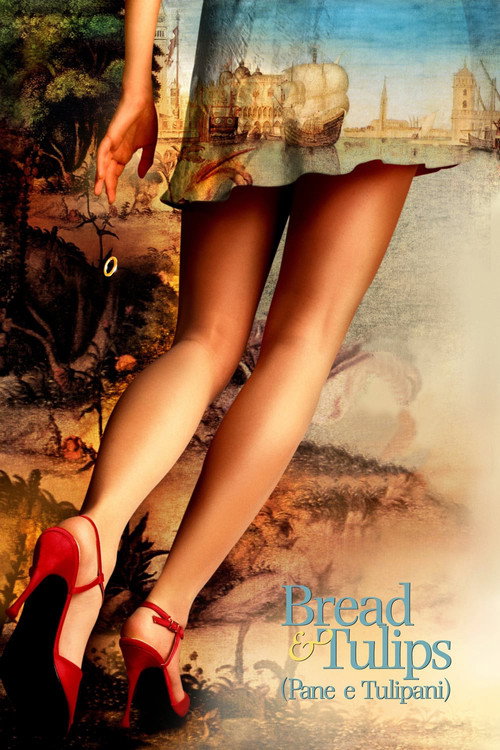
Bread and Tulips2000
A lighter Italian comedy about an unhappy wife, Venice, and unexpected second chances. Contemporary, funny, and warm about the specific rhythms of Italian life and how people survive their families.
But Considerably softer and more forgiving. The social edges are rounded, the tone is feel-good, and the stakes are domestic rather than economic.
Come and See1985
Both use linked episodes to show how ordinary people navigate systems that don't care about them. One is warm and comic, the other is hell—but both understand that structure as a way to show accumulation and consequence.
A Soviet film about a boy soldier in WWII that feels documentary-real. It shares the episodic texture and the focus on ordinary people surviving extraordinary circumstance, but registers as something much darker and more necessary.
But Extremely violent and genuinely traumatic. Not a watch for escapism. The film demands something of you and doesn't apologize for it.

Stalker1979
Both are structured as journeys where the pleasure is watching how people talk and think together, not what happens. Both trust that character and conversation are enough.
A Russian science-fiction film that's really a dialogue between three men on a philosophical journey. Slower than slow, formally hypnotic, and about desire and faith. It has the episodic, character-focused attention of *Gold of Naples* but in an entirely different register.
But Science fiction that refuses to explain itself. Nearly three hours of people talking and walking. If you want plot, excitement, or answers, this will seem incomprehensibly tedious.

People
Cast
 Silvana ManganoTeresa (segment "Teresa")
 Sophia LorenSofia (segment Pizza on Credit)
 Eduardo De FilippoDon Ersilio Miccio (segment "Il professore")
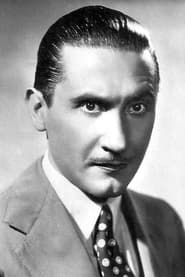 Paolo StoppaDon Peppino, the widower (segment Pizza on Credit)
 Erno CrisaDon Nicola (segment "Teresa")
 TotòDon Saverio Petrillo (segment "Il guappo")
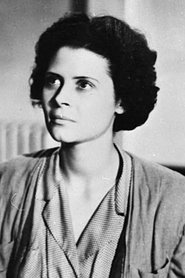 Lianella CarellCarolina Petrillo (segment "Il guappo")
 Giacomo FuriaRosario, Sofia's husband (segment Pizza on Credit)
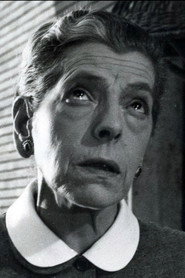 Tina PicaOld woman (segment "Il professore")
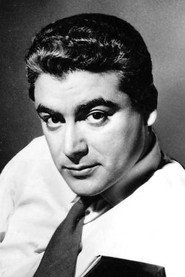 Alberto FarneseAlfredo, Sofia's lover (segment Pizza on a Credit)
 Tecla ScaranoDon Peppino's friend (segment Pizza on a Credit)
- Pasquale CennamoDon Carmine Savarone (segment "Il guappo")
Directing
- Vittorio De SicaDirector
- Franco MontemurroFirst Assistant Director
- Luisa AlessandriFirst Assistant Director
- Franca CarotenutoScript Supervisor
Writing
- Giuseppe MarottaNovel
- Cesare ZavattiniScreenplay
- Giuseppe MarottaScreenplay
- Vittorio De SicaScreenplay
Production
- Giuseppe BarbaroAdministration
- Marcello GirosiExecutive Producer
- Carlo PontiProducer
- Dino De LaurentiisProducer
- Nino MisianoProduction Manager
- Elmo De SicaProduction Secretary
- Mario AbussiProduction Secretary
- Roberto MorettiUnit Manager