
Film
In the Company of Men
- Social drama
- Very dark
Neil LaBute's debut is a brutalist comedy-drama about two men who devise a cruel scheme to seduce and discard a vulnerable woman to spite their romantic failures. Shot in stark black-and-white with razor-edged dialogue, it's a portrait of misogyny as pathology—funny in the way watching a car crash in slow motion is funny. For viewers ready to sit with ugliness and moral rot.
Should you watch it?
Watch it if you are drawn to talky, stage-like dialogue where cruelty is delivered in polite office small talk, and you want a film that makes you squirm at how ordinary the men sound.
Skip it if you need likable characters or any sense that the story will rescue someone; its cold, deliberate nastiness is the point and offers little warmth or relief.
What it asks of you: Long, unbroken conversations in bare offices with no easy exit from discomfort; at 97 minutes it stays brief yet airless, and it wants your full attention.
Not sure? Find tonight's pick in a minute.
If you liked this
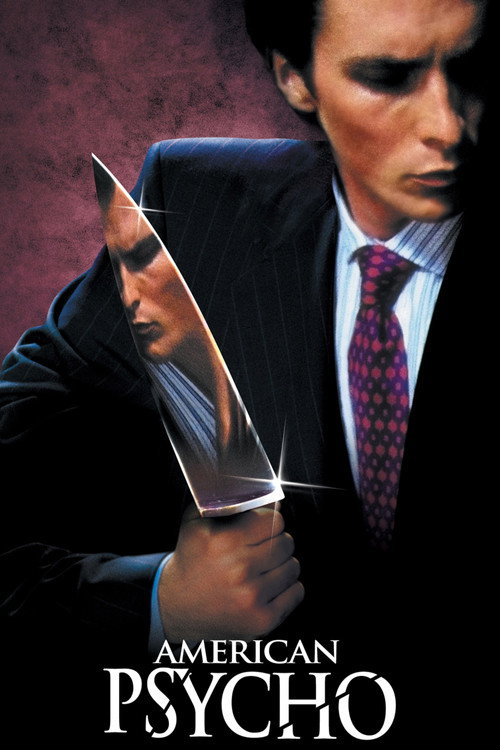
American Psycho2000
Bale's Patrick Bateman is another portrait of masculine entitlement and performance, equally ruthless but wrapped in expensive suits and Wall Street satire. Both dissect the void beneath the surface charm.
But It's deliberately repellent and the violence escalates in ways that can feel exploitative rather than revealing.
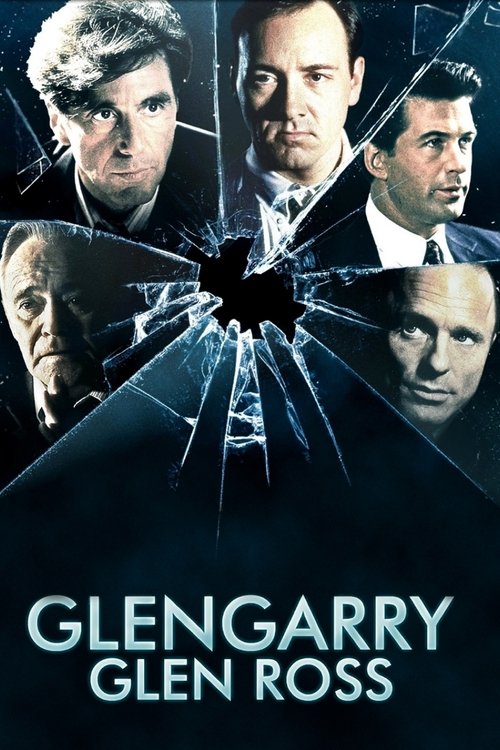
Glengarry Glen Ross1992
Mamet's all-male pressure cooker shares LaBute's ear for how men perform dominance through language. The cruelty here is systemic, the dialogue a weapon, the stakes devastating.
But It's relentlessly bleak and talky; if you're not engaged by language games and moral bankruptcy, you'll find it airless.
Notes on a Scandal2006
Similar architecture: the slow reveal of how a seemingly sympathetic character is actually manipulative and dangerous. Cate Blanchett gives a masterclass in performative friendship masking predation.
But The pacing is deliberately slow and the sympathies keep shifting, which some find frustrating rather than enlightening.

Not sure tonight? Get a pick in a minute, starting from In the Company of Men
The wildcard
Something you would not have found on your own.
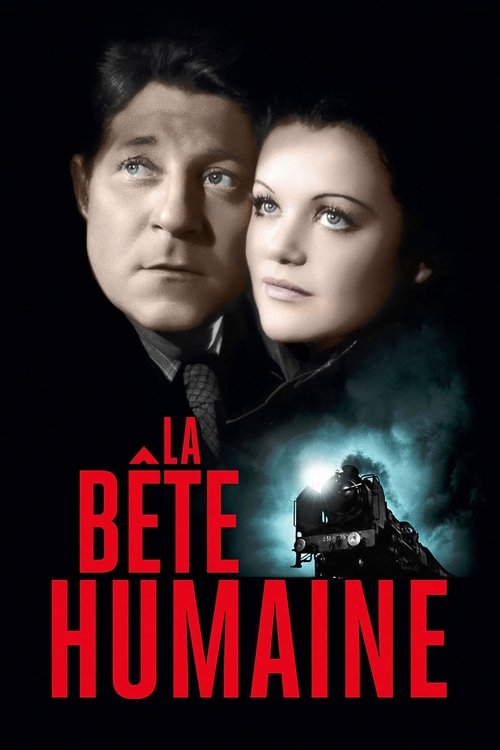
La Bête Humaine1938
Both use a tight male friendship as the crucible for exploring how shame and resentment can metastasize into cruelty. Both suggest this damage is generational, not individual.
Renoir's portrait of two men whose friendship curdles into violence and betrayal, rooted in masculine shame and desire. A 1930s French precursor to LaBute's anatomy—proof the poison is not new, just the suit.
But It's in French, it's nearly 100 years old, and the pacing assumes patience for mood over plot.
More like this (8)
Requiem for a Dream2000
Another story about people destroying someone out of their own damage and need. It's bleaker and more expressionistic, but the anatomy of harm and self-deception is equally unsettling.
But It's visually and emotionally overwhelming; the style can overshadow the story for some viewers.

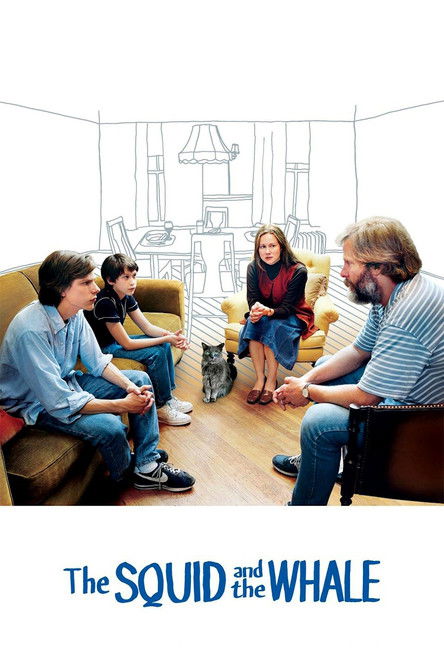
The Squid and the Whale2005
Baumbach's comedy-drama about male ego, betrayal and emotional cruelty within a family. Less schematic than LaBute but equally sharp about how men justify the damage they do.
But It's small-scale and neurotic; if you want narrative momentum or likeable characters, look elsewhere.
Disclosure1994
A 90s thriller that inverts the power dynamic—a man is sexually harassed by his female boss. It shares LaBute's interest in gender, desire, and how quickly seduction can become weaponized.
But It's a bit of a curiosity now, more interesting as a period piece about anxiety than as a thriller.
Shame2011
McQueen's portrait of a man whose sexual compulsion is inseparable from his emotional damage. Like LaBute, it treats dysfunction with aesthetic precision and refusal to explain or excuse.
But It's sexually graphic and deliberately tedious in stretches; the pacing is glacial and the catharsis ambiguous.

The Wolf of Wall Street2013
Scorsese and DiCaprio explore masculine excess and entitlement with darkly comic verve. Both films understand that charisma and monstrosity aren't opposites—they're tools of the same toolkit.
But At three hours it can feel self-impressed; the satire is sometimes blunt and the excess becomes its own spectacle.

Happiness1998
Solondz's ensemble portrait of suburban desperation and secret violence. It shares LaBute's refusal to separate comedy from moral horror, and its willingness to show how ordinary cruelty can be.
But It's deliberately provocative and includes material most viewers will find genuinely disturbing rather than entertaining.

Your Friends & Neighbors1998
Same director, same register, same question: what do people do when given permission to be selfish? The film is less controlled but more ambitious.
LaBute's own follow-up ensemble piece, where six people's sexual and emotional deception creates a kind of moral chaos. It's messier and more sprawling than his debut, but equally interested in how desire breeds cruelty.
But It's more narrative and less focused; some of the vignettes feel underbaked, and the impact is diffuse.
Tokyo Story1953
Both films understand that cruelty and kindness are often indistinguishable from performance—that we hurt people not out of malice but out of a kind of desperate self-preservation. Ozu just hides it in silence instead of in speech.
Ozu's masterpiece about an elderly couple visiting their son in the city. It seems unrelated until you realize both are about people performing roles they've convinced themselves are true—the gap between who we are and who we pretend to be is where both films live.
But It's extremely slow, formally austere, and operates on emotional frequencies so quiet you have to stop and listen. It requires a different kind of attention than LaBute's provocation.

People
Cast
 Aaron EckhartChad
 Stacy EdwardsChristine
 Matt MalloyHoward
- Michael MartinCo-worker #1
- Mark RectorJohn
- Chris HayesCo-worker #2
- Jason DixieIntern
 Emily ClineSuzanne
- Roxanne ButlerFlight attendant
- Tahirah EssixTraveler
- Julia HenkelTraveler
- Sara PauleyTraveler
Directing
- Neil LaButeDirector
Writing
- Neil LaButeScreenplay
- Neil LaButeTheatre Play
Production
- Joyce PierpolineAssociate Producer
- Mark HartExecutive Producer
- Matt MalloyExecutive Producer
- Toby GaffExecutive Producer
- Lisa BartelsLine Producer
- Mark ArcherProducer
- Stephen PevnerProducer
Recommended by
Children of a Lesser God, Happiness, The Caretaker, Oleanna, Ripley's Game, Kidnapped, The Shape of Things, The Ace of Cads, Straight On Till Morning, Suite 16