
Film
Oleanna
- Drama
- Very dark
David Mamet's adaptation of his own play about a professor and student whose private conversation becomes an escalating battle of language, power, and interpretation. Claustrophobic, deliberately unresolved, and designed to make you furious at whoever you blame. For people who love arguments about what was actually said.
Should you watch it?
Watch it if you love tightly wound two-hander plays where every line is a move in a fight, and you don't mind sitting uncomfortably while an argument sharpens into something you can't quite take sides on.
Skip it if you want visual energy or stories that leave their room, since nearly all of it is two people talking in one cramped office, and the stagey rhythm can feel airless.
What it asks of you: Eighty-seven minutes in a single room, with dialogue that rewards close listening and punishes drifting; it is brisk but never light, and it wants you to stay put.
Not sure? Find tonight's pick in a minute.
If you liked this
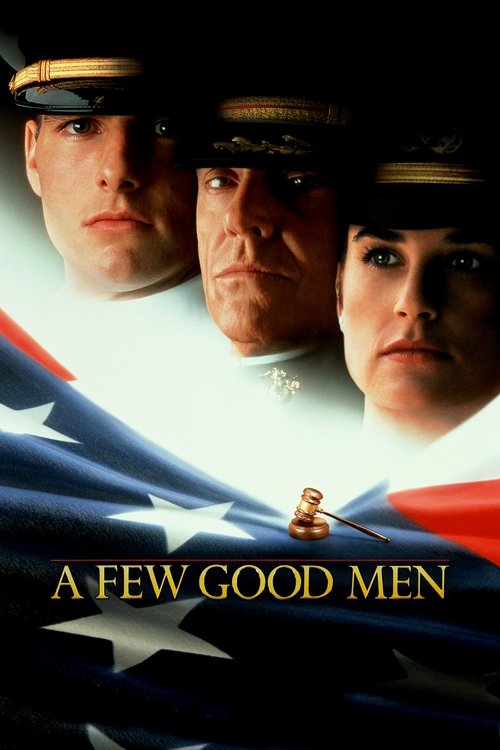
A Few Good Men1992
Courtroom showdown built on sharp dialogue and the clash between institutional power and individual morality. Both films use language as a weapon and leave you debating who's right.
But Considerably longer and more traditionally cathartic—you want answers, and this film mostly gives them to you.
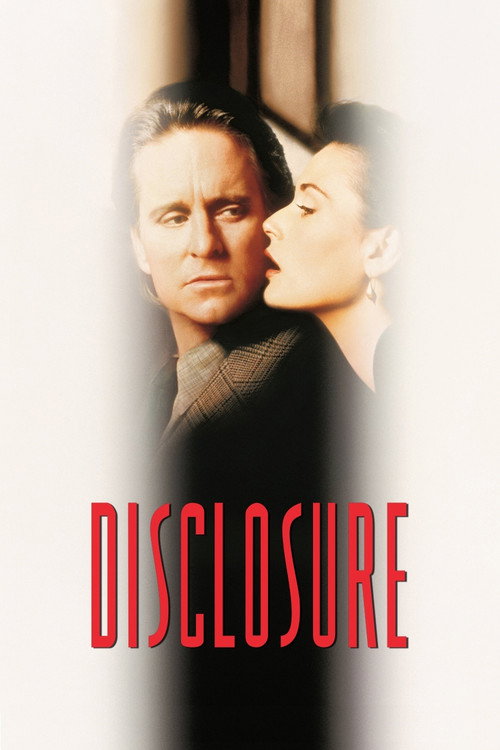
Disclosure1994
Sexual harassment accusation from the accused's perspective, told with Mamet's precise dialogue and paranoia. A companion piece that asks the same uncomfortable questions from the opposite angle.
But The gender dynamics read dated now, and it's slicker, less genuinely unsettling than Oleanna's raw constraint.
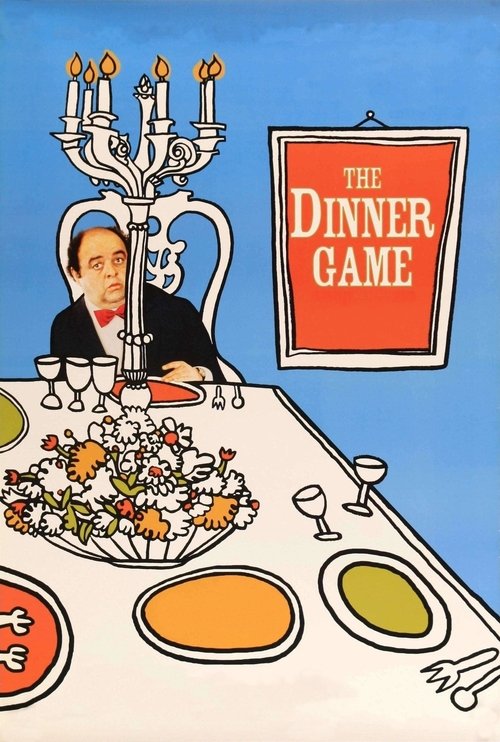
The Dinner Game1998
A conversation that spirals into misunderstanding and mutual humiliation, where neither party can escape or reset. Same claustrophobic two-hander energy, French precision.
But It's gentler and funnier—lacks the genuine menace and the stakes that make Oleanna burn.
Not sure tonight? Get a pick in a minute, starting from Oleanna
The wildcard
Something you would not have found on your own.
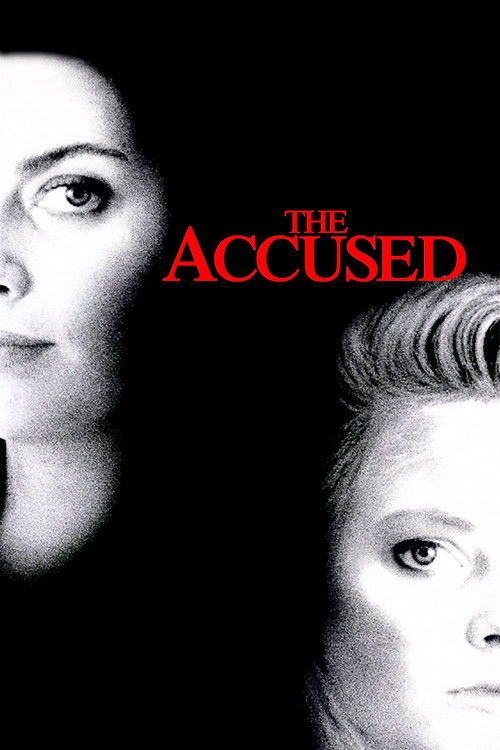
The Accused1988
Both ask: when does a conversation become a crime, and who gets believed?
A woman fights the legal system to prosecute men for rape; Jodie Foster's performance is the emotional opposite of Macy's controlled professor. Same question—what counts as truth, and who decides?—but witnessed from absolute vulnerability rather than threatened authority.
But A courtroom procedural with conventional narrative arc. Much more conventionally righteous. The pain is explicit rather than structural.
More like this (8)
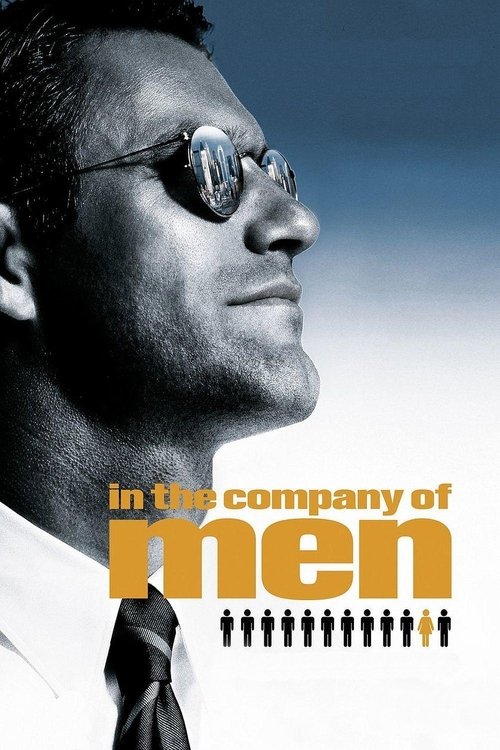
In the Company of Men1997
Aaron Eckhart's monologues about power, resentment, and entitlement. A film about language used to justify cruelty, with a similar unflinching eye for how argument becomes weapon.
But Even bleaker and more nihilistic. Harder to watch. Some find it repugnant rather than revealing.
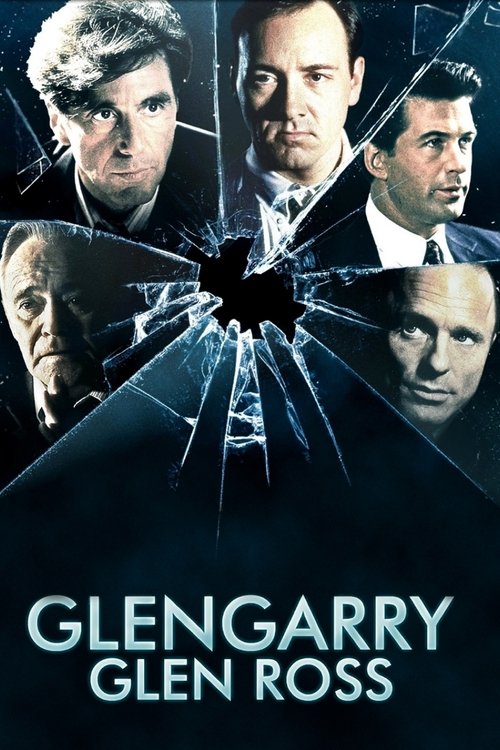
Glengarry Glen Ross1992
Mamet adaptation where conversation is survival and language is the only tool. Same verbal precision, same ruthless exposure of how people talk past each other under pressure.
But All men, all sales culture—different world, though the DNA is identical.
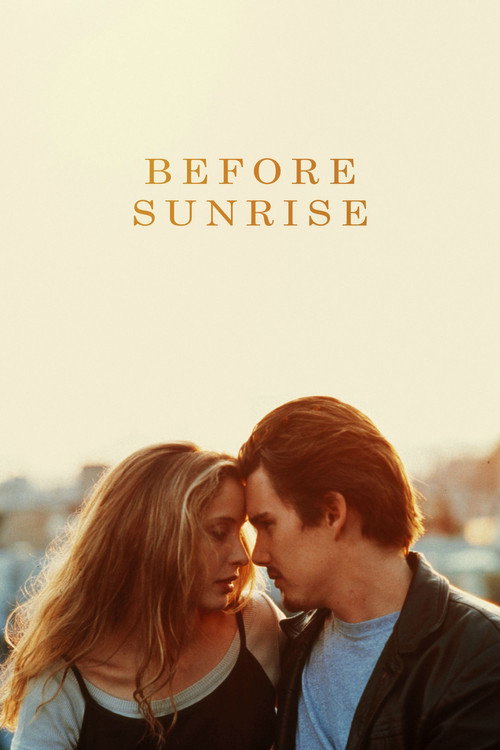
Before Sunrise1995
Two people talking in one location, ideas and feelings ricocheting off each other. The antidote: what happens when a conversation is genuine rather than a power struggle.
But Romantic and open where Oleanna is hostile and closed. Completely different emotional temperature.
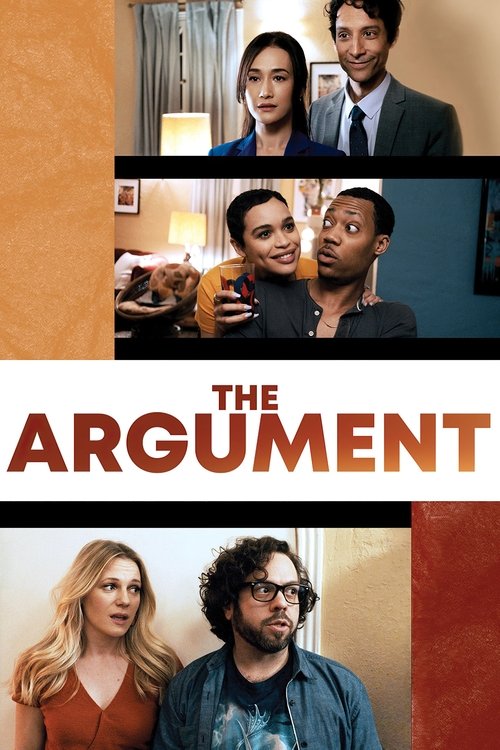
The Argument2020
A couple fights for 77 minutes, no cuts away, no external story. Raw observation of how quickly language becomes ammunition and understanding evaporates.
But Not a plot. If you need narrative momentum or resolution, this will feel like punishment.
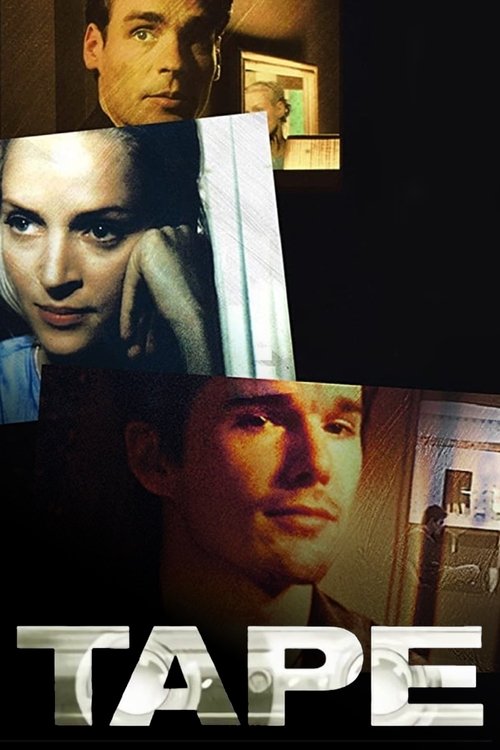
Tape2001
Three people in a motel room for 86 minutes, Linklater's adaptation of a play. Language as confession and accusation, accusation as language—the architecture of shame.
But Shot on video, deliberately unglamorous. Extremely talky. Some performances are uneven.
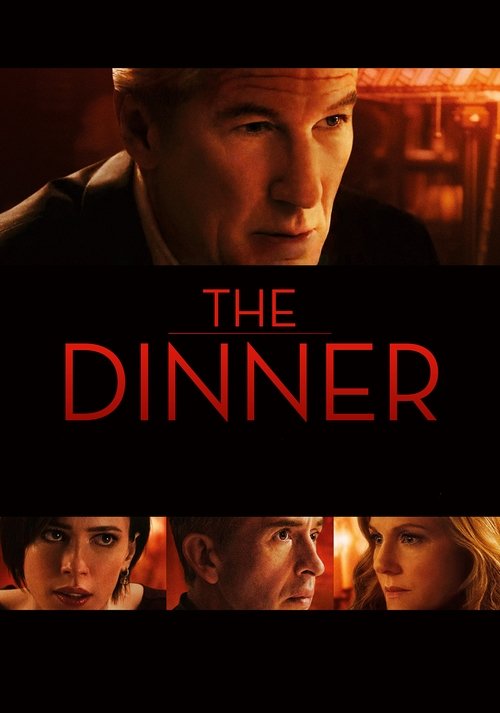
The Dinner2017
Two couples at a table where civility masks horror and judgment. A longer, more baroque version of Oleanna's thesis: how well do you know what someone meant?
But Overstuffed, sometimes clumsy. The twist doesn't land as cleanly as Oleanna's ambiguity.
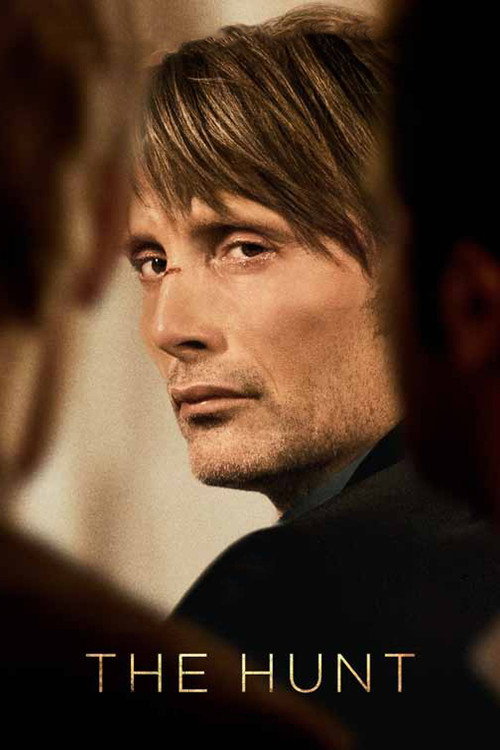
The Hunt2012
Both trap a man in a nightmare of language he cannot escape or adequately defend against.
Mads Mikkelsen as a man accused of child abuse by a girl's lie. A small community turns on him; his dignity cracks. Same interrogation of accusation and belief, but spread across a whole town and far more socially savage.
But Danish, subtitled, and genuinely distressing to watch. No ambiguity about who is suffering. Not provocative, just bleak.
Spotlight2015
Both examine how institutions and power corrupt the possibility of honest conversation.
Journalists interviewing survivors and officials about institutional abuse. Long scenes of people trying to extract truth from evasion, silence, and institutional power. Procedural rather than dramatic, but the same stakes: language that hides versus language that exposes.
But A feel-good movie about journalism. Optimistic. Proves that persistence and goodwill work. The opposite of Oleanna's despair.

People
Cast
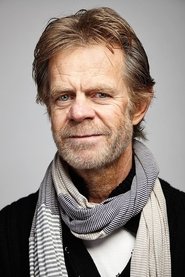 William H. MacyJohn
 Debra EisenstadtCarol
Directing
- David MametDirector
- Cara GiallanzaFirst Assistant Director
- Anne RappScript Supervisor
- Marge PianeSecond Assistant Director
Writing
- David MametLyricist
- David MametScreenplay
- David MametTheatre Play
Production
- Patricia WolffProducer
- Sarah GreenProducer
- Cara GiallanzaUnit Production Manager
Recommended by
Disclosure, The Riot Club, Double Jeopardy, An American Crime, Othello, London Road, The Shape of Things