
Film
The Sin of Madelon Claudet
- Social drama
- Crime
- Very dark
A 1931 melodrama about a woman who sacrifices everything—her freedom, her reputation, her body—to give her illegitimate son a chance at respectability. Helen Hayes delivers the kind of performance that made silent and early-talkie audiences weep. It's theatrical, unashamed, and deeply felt in a way modern drama rarely permits itself to be.
If you liked this
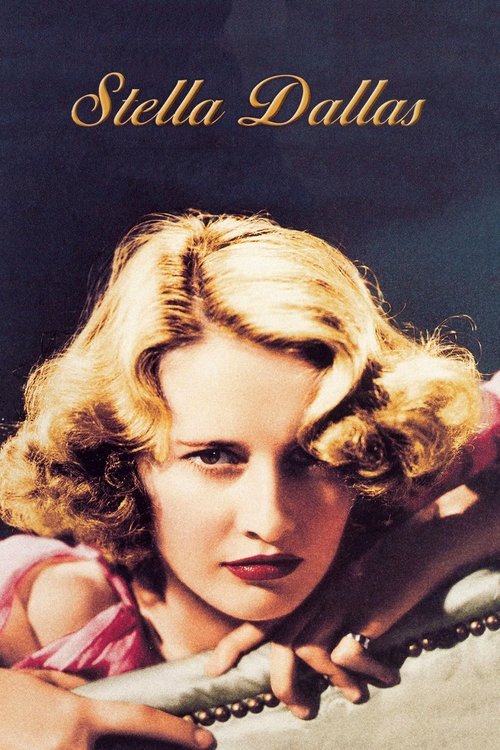
Stella Dallas1937
Another mother willing to destroy her own life for her child's future, told with the same melodramatic intensity and visual beauty. Bette Davis makes sacrifice look like tragedy and nobility at once.
But The emotional manipulation is deliberate and relentless. If you're allergic to being made to cry, this will feel heavy-handed.
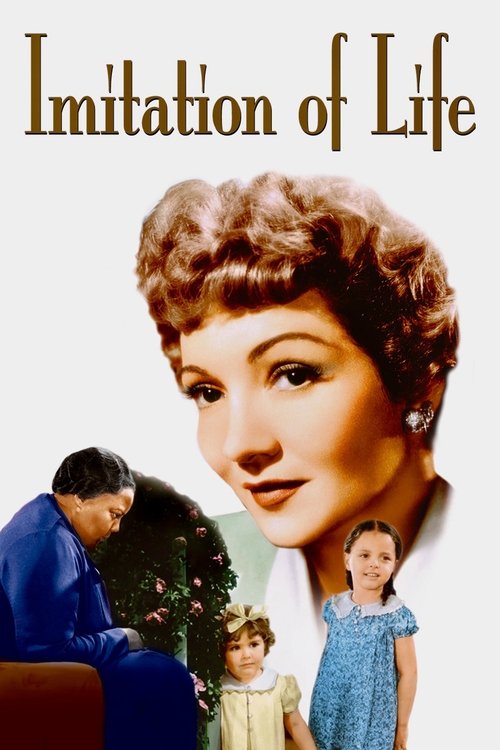
Imitation of Life1934
Claudette Colbert in a similar vein—a woman building a business empire while hiding a shameful secret from her daughter. Same era, same moral architecture, same commitment to the long cost of a lie.
But Slower paced than modern film. The race-related subplot, while genuine, is uncomfortable viewing now and reflects the period's limitations.
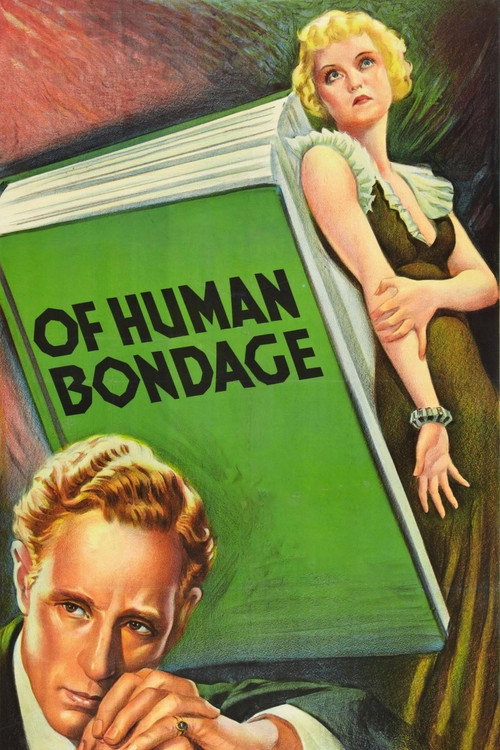
Of Human Bondage1934
Bette Davis as a woman who destroys men through manipulation rather than self-sacrifice, but the same intensity of suffering and consequence. Raw, unflinching, performed at full volume.
But Davis's character is actively cruel, not noble. The misogyny in how she's punished for her power might infuriate you more than move you.
Not sure tonight? Get a pick in a minute, starting from The Sin of Madelon Claudet
The wildcard
Something you would not have found on your own.
Jeanne Dielman, 23, quai du Commerce, 1080 Bruxelles1976
Both films are about women's invisible labour—the unseen sacrifice that keeps families alive. Madelon's melodrama and Jeanne's anti-drama are opposite formal approaches to the same economic reality.
Three hours of a woman's daily routine—cooking, cleaning, mothering, and sex work. No melodrama, no score, no editorializing. Just the weight of routine labour and the economics of being a woman. Shot by Chantal Akerman with hypnotic precision.
But It is a challenging watch. Nothing happens. The point IS that nothing happens, and the monotony is the point, and some viewers find that unbearable rather than revelatory.

More like this (8)
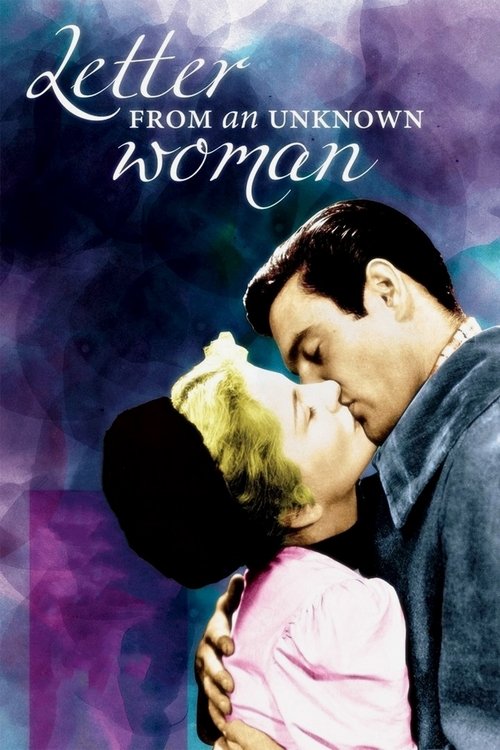
Letter from an Unknown Woman1948
A woman's entire life shaped by love and sacrifice for a man who barely remembers her. Ophüls shoots it like poetry, and Joan Fontaine's performance is devastation in miniature.
But It's a film that sides with the woman's self-destruction as romantic rather than tragic. Some viewers find that deeply frustrating.
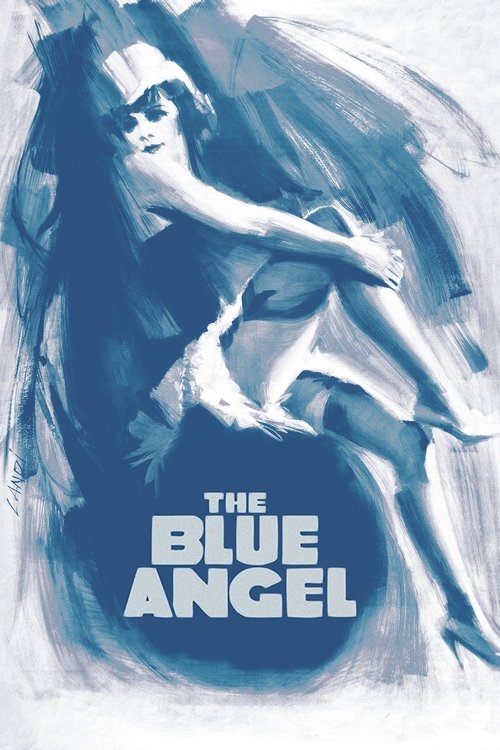
The Blue Angel1930
Emil Jannings as a dignified man ruined by desire for Marlene Dietrich's nightclub singer. The role reversal is instructive—here the man is the one whose respectability is sacrificed for love.
But Slow, visually static by modern standards. You're watching theatre filmed, not cinema yet fully realized.
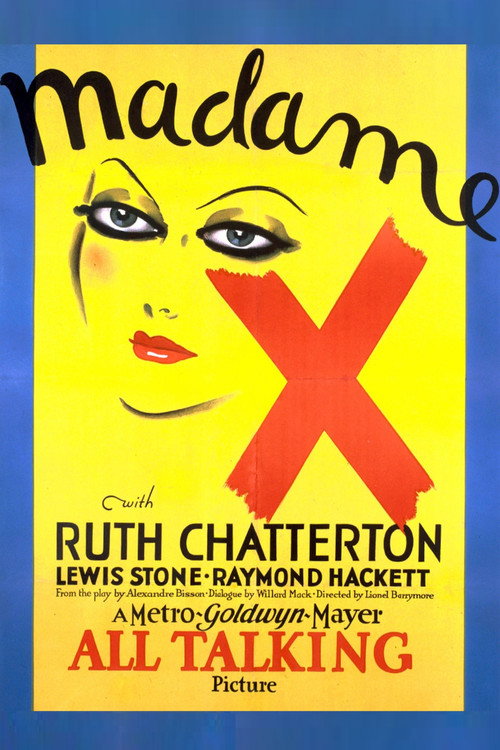
Madame X1929
Ruth Chatterton in the original version of this perennial weeper—another woman whose past returns to haunt her, played without apology or modern irony. Pure emotional authenticity.
But The plot mechanics are obvious even by 1929 standards. You'll see the ending coming from scene two.
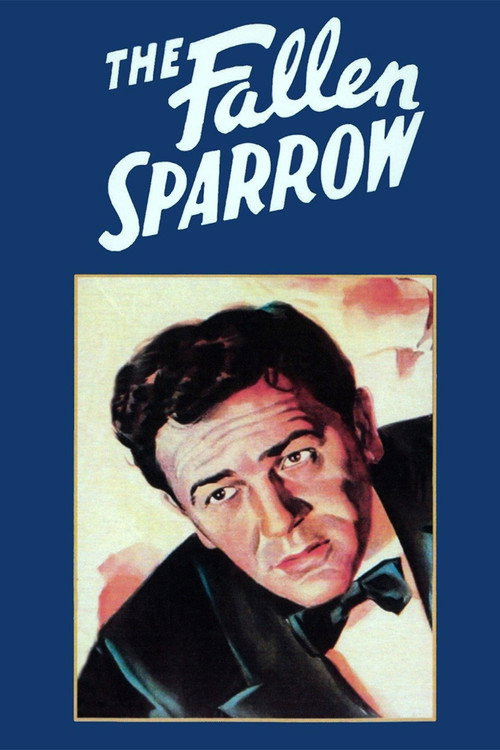
The Fallen Sparrow1943
John Garfield as a man carrying the weight of others' sacrifices. Not a mother story, but the same weight of obligation and debt, the same question of whether redemption is possible.
But It's a noir, so the mood is cynical where Madelon is earnest. The tonal shift might feel jarring.
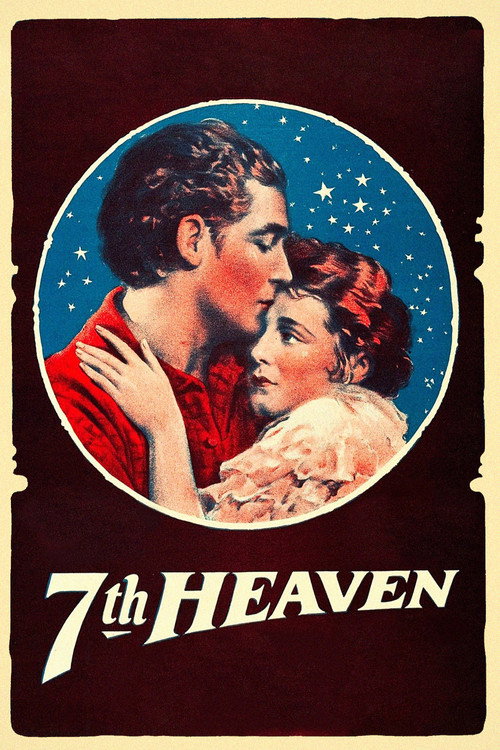
7th Heaven1927
The earlier generation's answer to this story—pure melodrama, unironic spirituality, Janet Gaynor as a woman finding salvation through love. The ancestors of Madelon's emotional register.
But A silent film. If you're not patient with the medium's rhythms, the intertitles and acting style will feel mannered.
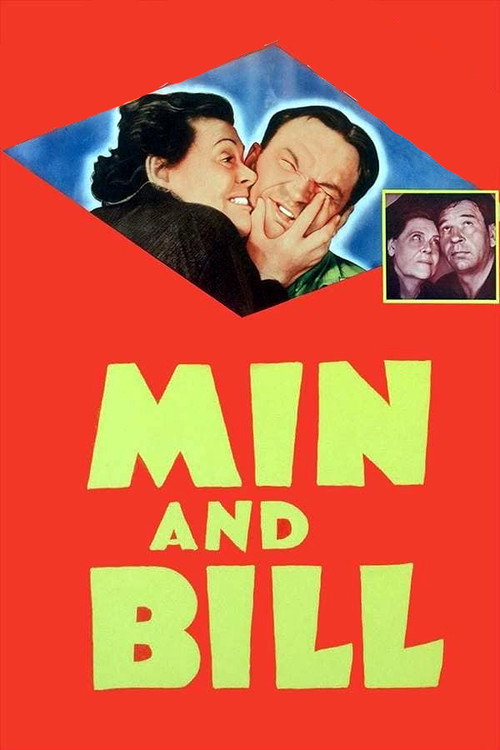
Min and Bill1930
Marie Dressler as a woman of the streets with a heart of gold, protecting a child from the world's cruelty. Similar moral universe, similar performance intensity, slightly less heavy.
But The sentimentality is so thick it borders on parody. If you have any resistance to being manipulated, this will break it or break you.
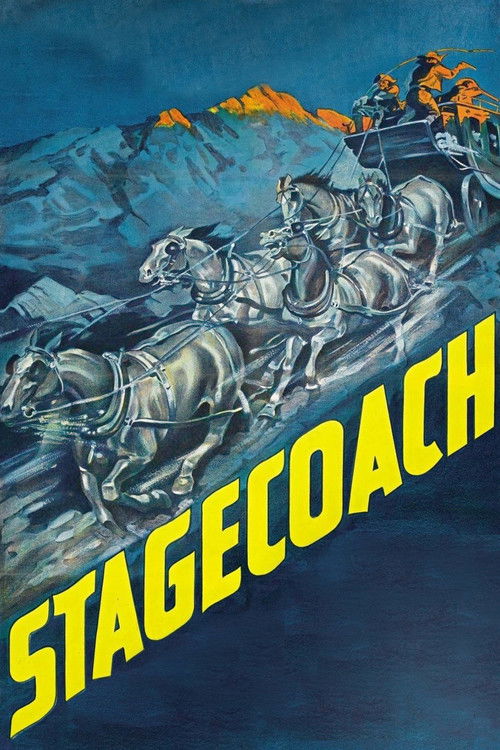
Stagecoach1939
Both ask whether society's moral judgments are worth anything. Madelon asks it through tears; Ford asks it through gunfire. Same question, opposite register.
John Ford's ensemble piece where a woman of questionable past (Claire Trevor) sits beside the 'respectable' people she's supposedly ruined. The film doesn't judge her; it judges the society that does. Sharp, vital, achingly human.
But It's a Western, which means gun violence and a male-centred adventure plot. If you're expecting another melodrama, the genre shift is disorienting.
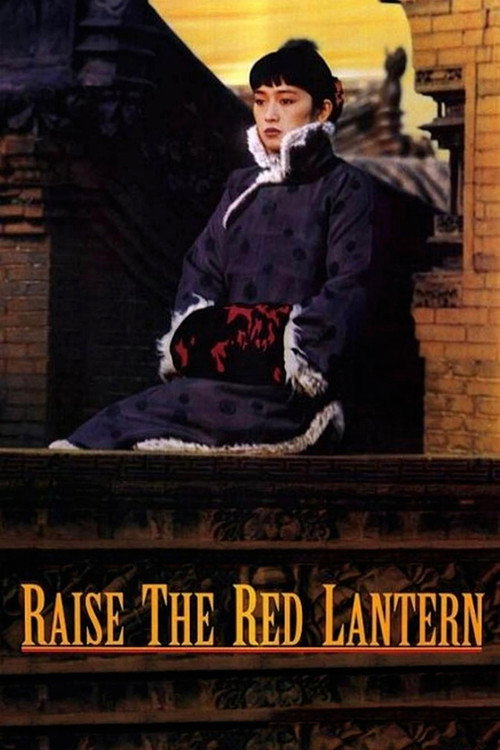
Raise the Red Lantern1991
Both films measure the cost of being a woman in a system designed to use her body. Madelon finds meaning in sacrifice; this film suggests meaning might not exist at all—the only difference is form.
Zhang Yimou's film about a woman forced into concubinage, trapped in a system where her sexuality is her only currency—just as Madelon's is. Shot in saturated colour so gorgeous it's almost unbearable, it explores the same cage from a different culture and era.
But It's in Mandarin. More importantly, it offers no redemption or nobility—just the slow erasure of self. Far grimmer than Madelon, and intentionally so.
People
Cast
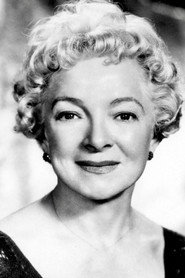 Helen HayesMadelon Claudet
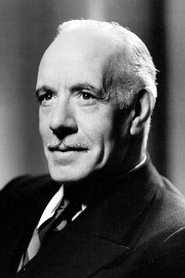 Lewis StoneCarlo Boretti
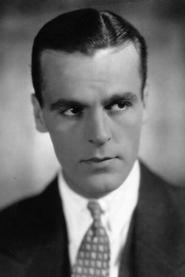 Neil HamiltonLarry Maynard
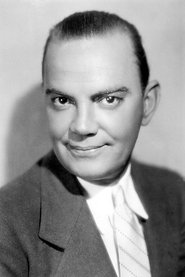 Cliff EdwardsVictor Lebeau
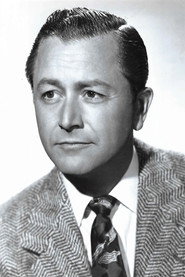 Robert YoungDr.Claudet
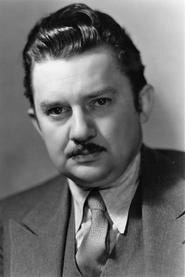 Jean HersholtDr. Dulac
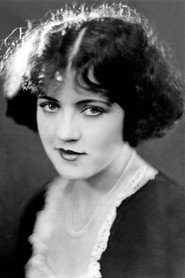 Marie PrevostRosalie
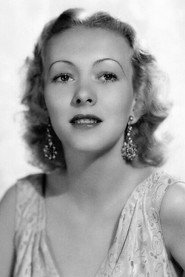 Karen MorleyAlice
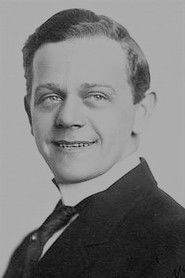 Charles WinningerPhotographer
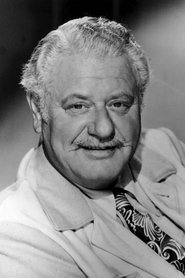 Alan HaleHubert
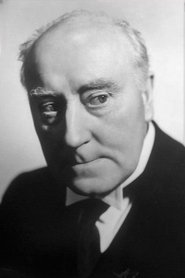 Halliwell HobbesRoget
- Lennox PawleSt. Jacques
Directing
- Edgar SelwynDirector
Writing
- Edward KnoblockTheatre Play
- Ben HechtWriter
- Charles MacArthurWriter
Production
- Irving ThalbergProducer