
Film
The Fallen Sparrow
A wartime thriller wrapped in fog and paranoia. John Garfield returns from Spanish Civil War imprisonment to find his friends dying in suspicious ways, and can't shake the feeling that everyone around him—beautiful women, mysterious doctors, faceless pursuers—is complicit in something he doesn't yet understand. It's all shadow and doubt, more interested in mood than clarity.
If you liked this
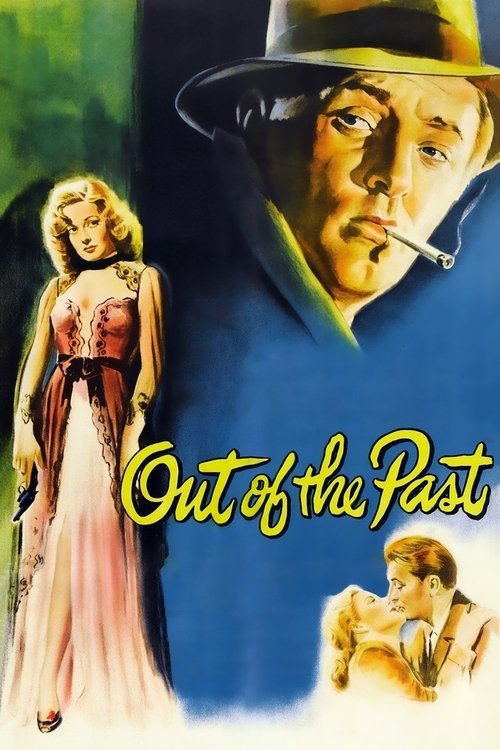
Out of the Past1947
The gold standard for this exact mood: a man caught between a dangerous past and women who may or may not be what they seem. Robert Mitchum drifts through a world of betrayal with the same weary knowingness Garfield brings here.
But It moves slowly and its resolution depends entirely on your patience with film noir's fatalism. If you need answers, you'll be frustrated.
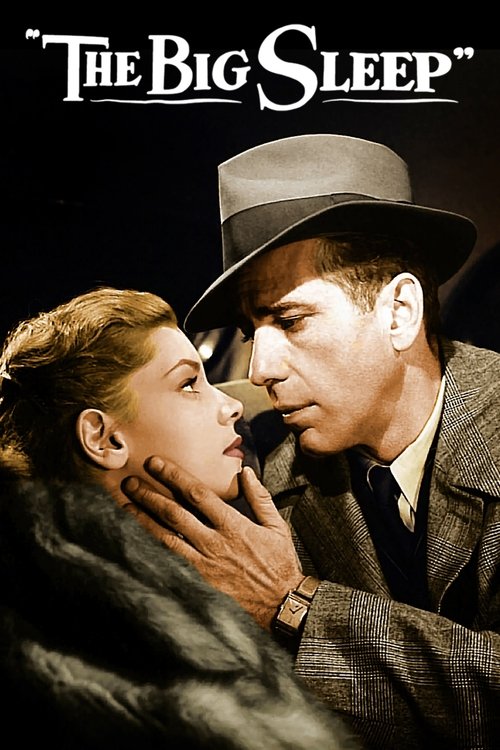
The Big Sleep1946
Bogart and Bacall in a plot so deliberately confusing that understanding it becomes beside the point. What matters is the chemistry, the shadows, and the sense that danger is always in the next room. Pure wartime atmosphere.
But The plot genuinely doesn't make sense—even Hawks admitted it. Some viewers find that liberating; others find it maddening.
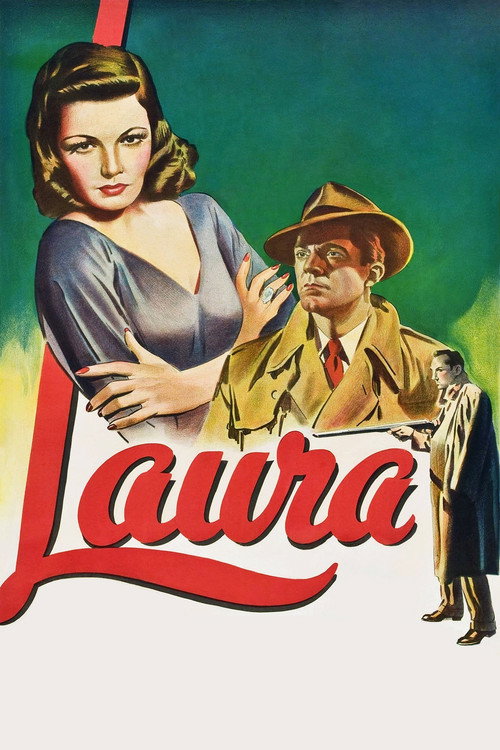
Laura1944
A detective investigation into a woman's murder where nothing is quite what it seems, and every suspect is beautiful and suspicious. It has the same architecture as *Fallen Sparrow*: mystery, doubt, and people you can't trust.
But It's more concerned with mood than plot mechanics. If you're looking for a solvable mystery, you'll miss what makes it work.
Not sure tonight? Get a pick in a minute, starting from The Fallen Sparrow
The wildcard
Something you would not have found on your own.
Rififi1955
Both films are about men caught in criminal worlds where loyalty is the only currency and it's always in short supply. The paranoia isn't about plot—it's about survival in a world with its own brutal rules.
A French heist film, but what connects it is the paranoia and the code among criminal men—that same sense that betrayal is always lurking, and that you can trust no one completely. It's the same emotional world, just expressed through a different plot.
But It's a heist film, not a thriller. If you're expecting the same kind of mystery-box structure, you'll be disappointed. Also, it's in French.

More like this (8)
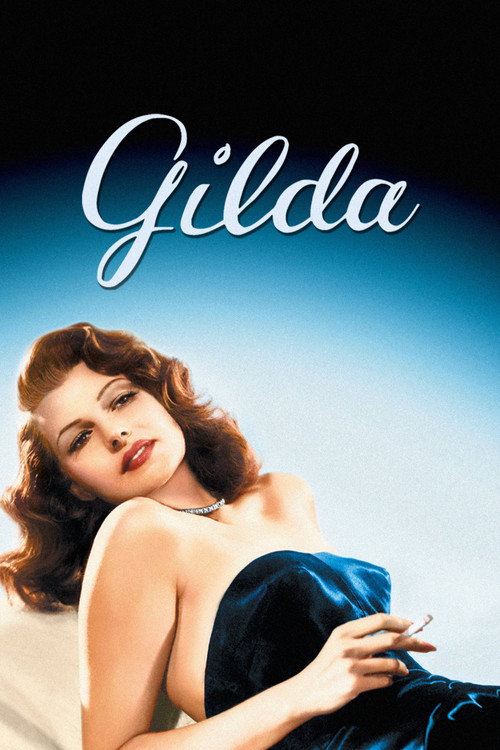
Gilda1946
Rita Hayworth as a woman of mystery and danger, caught in a web of intrigue and male paranoia. It shares *Fallen Sparrow*'s interest in how beautiful women can be weapons, and how perception warps everything.
But The gender politics are of their time—the film punishes Gilda for her sexuality in ways that feel dated and uncomfortable now.
The Killers1946
Burt Lancaster's debut, based on Hemingway. A man pursued by assassins, trying to understand why his past has caught up with him. The paranoia and the sense of being hunted is almost identical to McKittrick's experience.
But It's told in fragments and flashbacks. If you need a linear story, the structure will feel needlessly complicated.

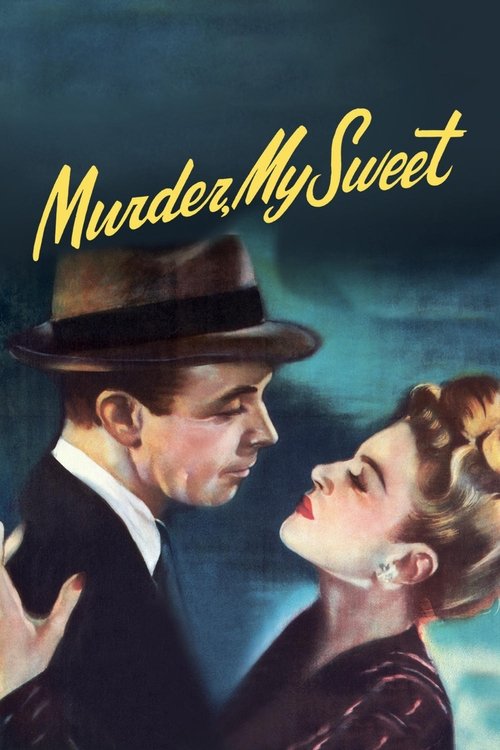
Murder, My Sweet1944
Dick Powell as a man spiraling through danger and deception, narrating his own descent. It has the same poisoned-well feeling: everyone is suspect, nothing is safe, and he's being played by forces he doesn't understand.
But Powell's voiceover can feel overly explanatory, and the plot becomes genuinely hard to follow in its final act.
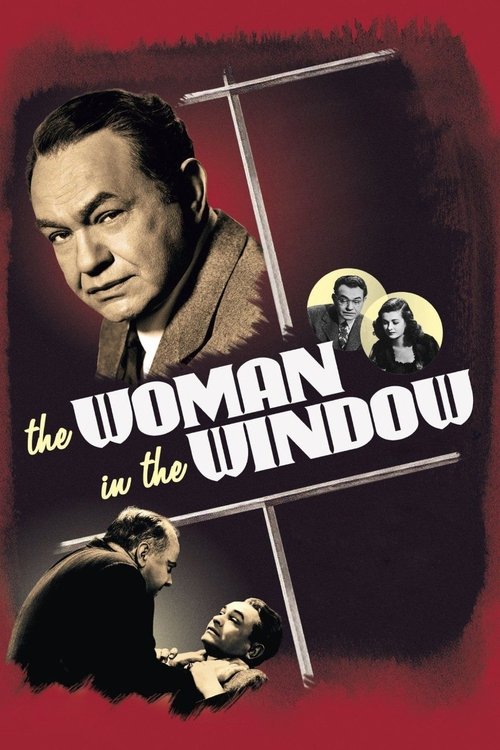
The Woman in the Window1944
Edward G. Robinson as a man whose life unravels after one chance encounter. Like McKittrick, he can't stop investigating something that keeps pulling him deeper into danger and moral compromise.
But It depends on a late-film twist that some viewers find cheap, and the pacing flags in the middle.
In a Lonely Place1950
Bogart as a man pursued by suspicion—not just from others, but from himself. The paranoia comes from within as much as from without, and Gloria Grahame is quietly devastating as the woman caught between him and the truth.
But It's bleaker and more intimate than *Fallen Sparrow*, which some find depressing rather than thrilling. The violence, when it comes, is disturbing.

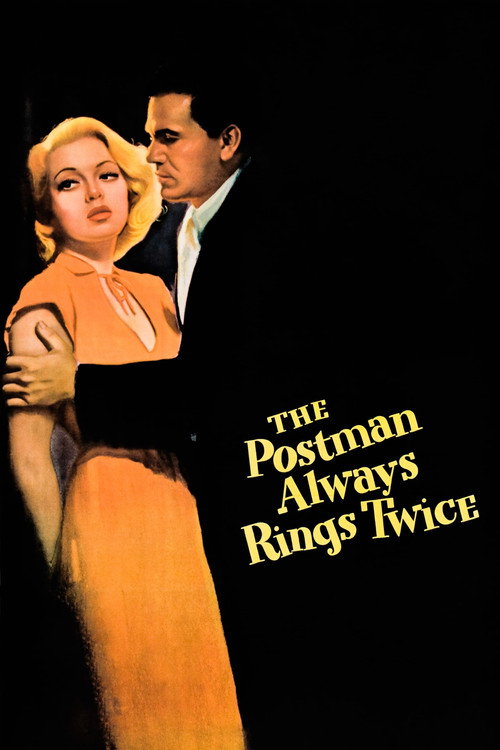
The Postman Always Rings Twice1946
Garfield himself, in a different paranoid entanglement: a drifter drawn into a scheme with a dangerous woman. If you liked him here, this shows a different side of his talent—crueler, sexier, more doomed.
But It's more explicitly about sexual attraction and moral corruption than about mystery. If you want a puzzle, this won't deliver one.
The Third Man1949
Both are about men returning from war to find that the people they knew are either dead or not who they seemed. Both use that confusion and loss as the engine of their narratives.
A man in postwar Vienna searching for an old friend, finding only lies and shadows. It has the same structure as *Fallen Sparrow*: a friend's death sets off a chain of investigations that reveal a world of deception underneath the surface.
But It's slower and more deliberate than you might expect. The famous zither score is haunting, which some find perfect and others find distracting.

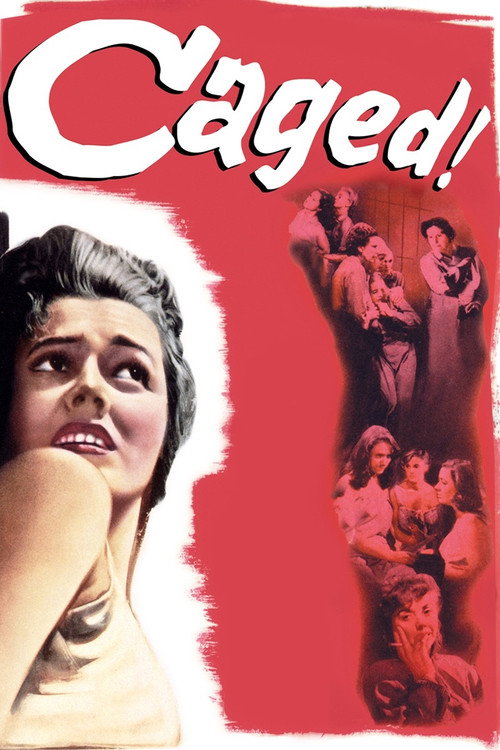
Caged1950
Where *Fallen Sparrow* asks what imprisonment does to a man's paranoia, *Caged* shows what it does to a woman's soul. Both understand that incarceration—literal or metaphorical—creates a particular kind of damaged thinking.
A brutal, unblinking look at a woman in prison—it's the spiritual opposite of *Fallen Sparrow*'s opening (imprisonment and release), but it shares the same machinery: entrapment, paranoia, the fear of corruption from within and without.
But It's far more violent and bleak than a 1943 thriller, and it's genuinely upsetting. The female perspective might feel like a detour if you're looking for more wartime mystery.
People
Cast
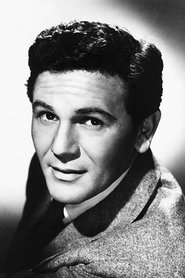 John GarfieldJohn 'Kit' McKittrick
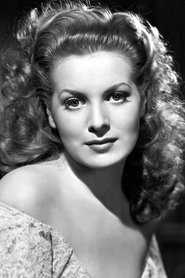 Maureen O'HaraToni Donne
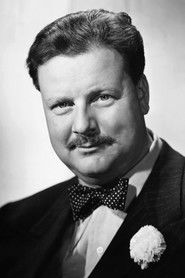 Walter SlezakDr. Christian Skaas
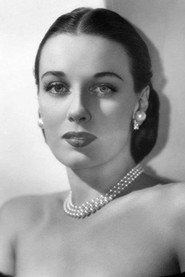 Patricia MorisonBarby Taviton
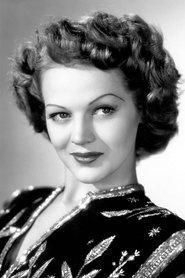 Martha O'DriscollWhitney 'The Imp' Parker
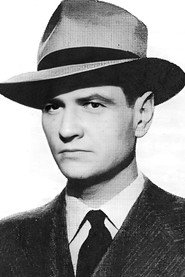 Bruce EdwardsAb Parker
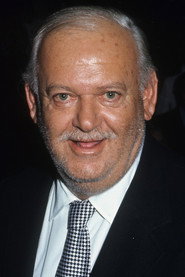 John BannerAnton
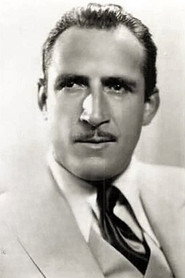 John MiljanInspector 'Toby' Tobin
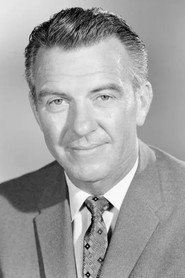 Hugh BeaumontOtto Skaas
- Jack CarrDanny, Cab Driver (uncredited)
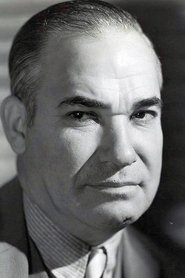 George LloydSergeant Moore (uncredited)
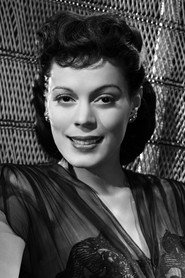 Fely FranquelliGypsy Dancer (uncredited)
Directing
- Sam RumanAssistant Director
- Richard WallaceDirector
Writing
- Dorothy B. HughesNovel
- Warren DuffScreenplay
Production
- Robert FellowsProducer