
Film
Winning of the West
A slick 1953 singing Western where Gene Autry plays a ranger who discovers his younger brother running with outlaws. It's a clean, straightforward family adventure—short enough to breeze through, anchored by Autry's easygoing charm and his horse Champion. Built for audiences who want their Westerns uncomplicated and their heroes dependable.
If you liked this
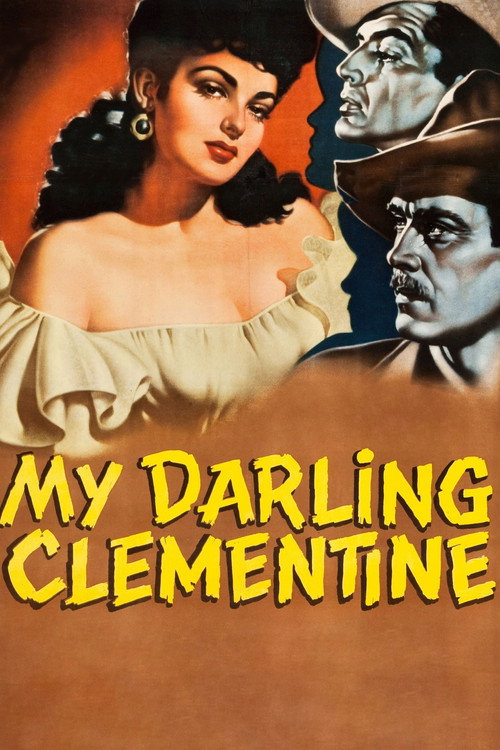
My Darling Clementine1946
John Ford's definitive Western: Wyatt Earp in Tombstone, iconic gunfight, Henry Fonda's gravity. It's the template that made Autry's era possible, told with real depth and visual poetry.
But Black and white, slower rhythm, Ford's elegiac tone. If you want action and song, this trades both for myth.
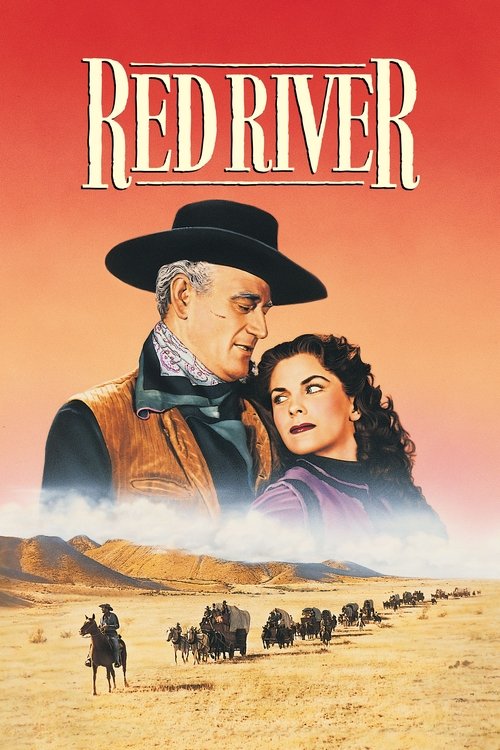
Red River1948
Hawks' masterwork about a cattle drive and the moral reckoning between John Wayne and Montgomery Clift. Tense, beautifully composed, a Western that's also a tragedy about ambition and stubbornness.
But Three-and-a-half hours, no musical numbers, and the emotional texture is grave. Wayne's character is not likeable.
Johnny Guitar1954
Nicholas Ray's fever dream: Joan Crawford owns a saloon, Sterling Hayden is a drifter in black, and nothing follows Western convention. Wildly stylized, endlessly weird, genuinely thrilling despite its strangeness.
But The plot is secondary to mood and visual eccentricity. If you need a straightforward story, this will frustrate you.

Not sure tonight? Get a pick in a minute, starting from Winning of the West
The wildcard
Something you would not have found on your own.
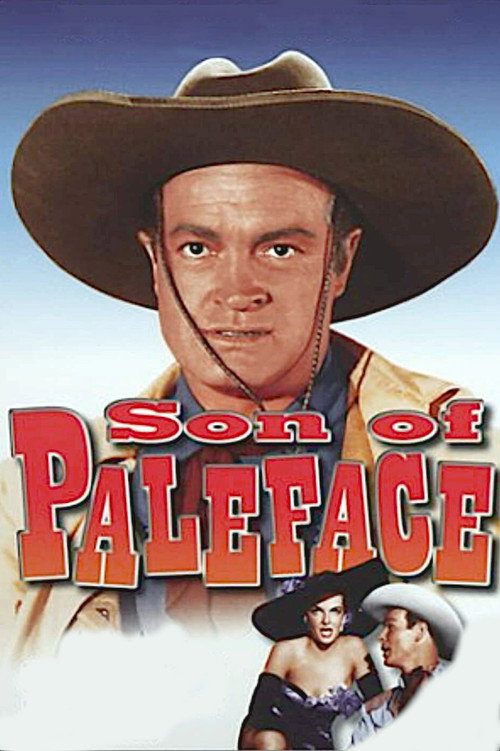
Son of Paleface1952
Like Autry's work, it uses the Western as a framework for entertainment rather than myth. Both films know the real pleasure isn't realism—it's speed, charm, and never taking themselves seriously.
Bob Hope as a tenderfoot inheriting his outlaw father's ranch, paired with Jane Russell and Roy Rogers' horse. It's a Western that openly mocks the genre while living inside it—comedy so fast it requires rewatch.
But Slapstick and double entendre date harder than action does. The humor is arch and sometimes feels at odds with the plot.
More like this (8)
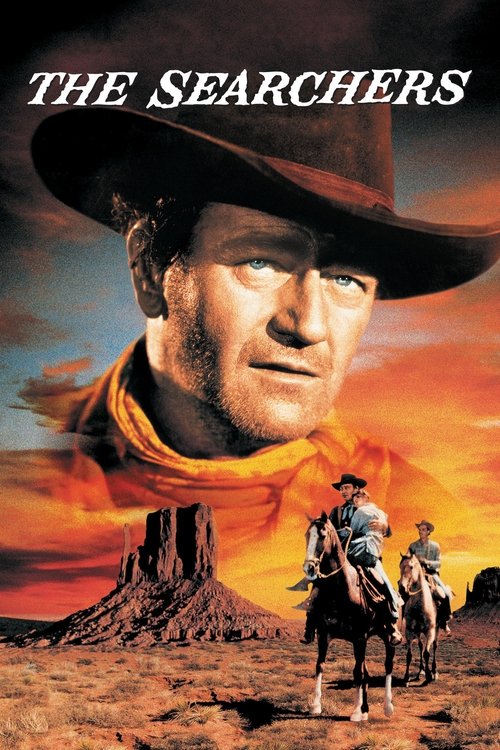
The Searchers1956
Ford's final masterpiece: Wayne as Ethan Edwards, obsessive and morally compromised. Vast Monument Valley cinematography, a story about obsession and prejudice, unforgettable in scope and shadow.
But Nearly two hours and philosophically bleak. The racism isn't condemned; it's woven into the fabric. That's the point, but it's demanding.
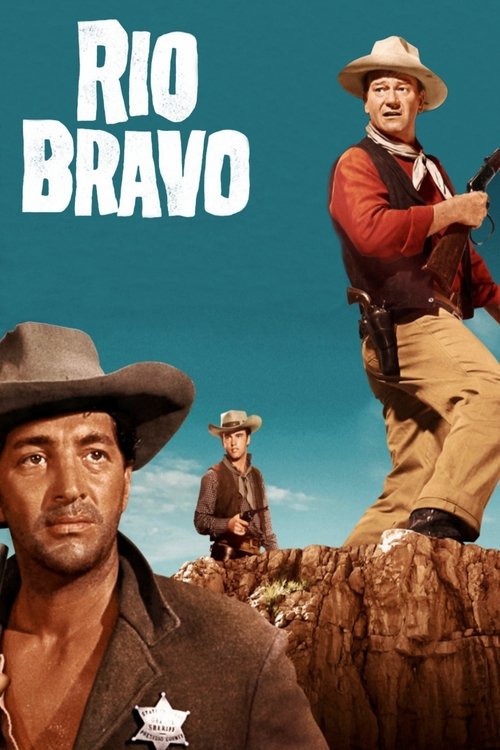
Rio Bravo1959
Hawks' answer to High Noon: Wayne and Dean Martin hold a town against impossible odds. Leisurely, character-driven, funny and suspenseful at once. The camaraderie between leads feels genuine.
But Long and talky by action standards. The plot is deliberately thin; if you need constant movement, it drags.
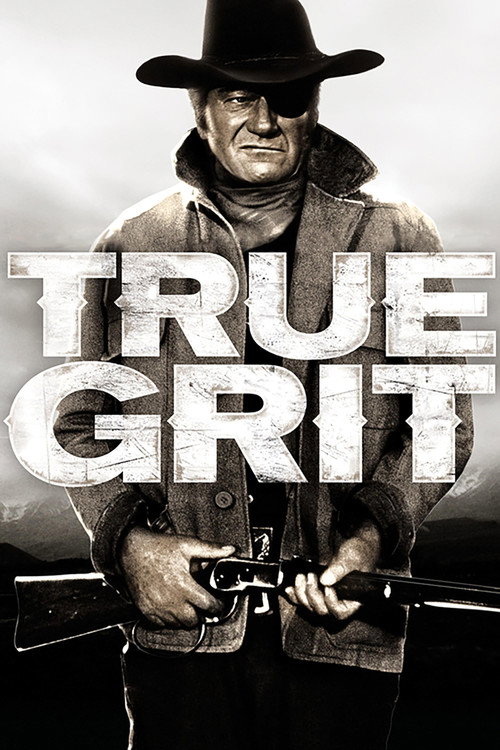
True Grit1969
John Wayne's Oscar-winning turn as Rooster Cogburn, hired by a 14-year-old girl to track her father's killer. Funny, touching, with real stakes and a young Coen Brothers sensibility waiting to happen.
But The Western is already nostalgic for itself. Some viewers find Wayne's late work mannered.
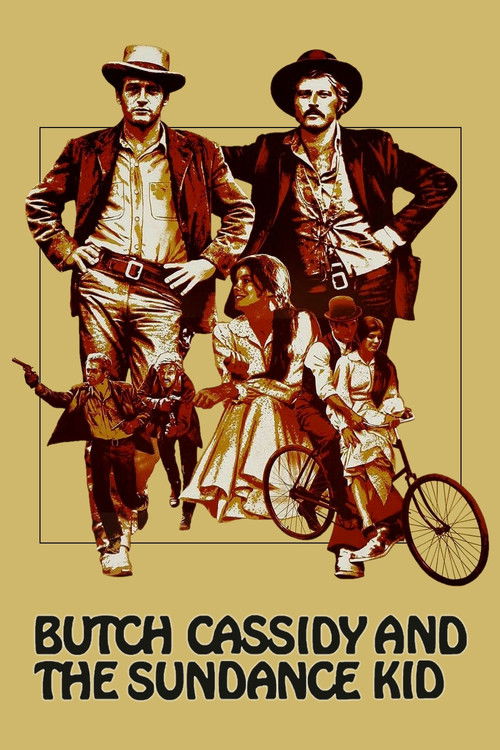
Butch Cassidy and the Sundance Kid1969
Newman and Redford as charming outlaws outrunning history. It's a Western that knows the genre is dying, funny and melancholic, with one of the greatest endings in cinema.
But Self-conscious and anachronistic in its humor. If you want your West played straight, the winking gets tiresome.
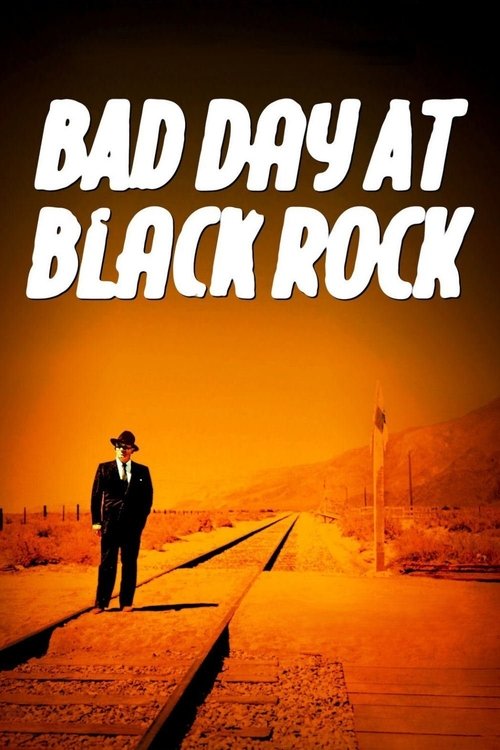
Bad Day at Black Rock1955
Spencer Tracy arrives in a hostile desert town with one arm and a secret. Tense, economical, morally sharp—a Western compressed into eighty-seven minutes that feels like a pressure cooker.
But More thriller than Western, more about racism and shame than frontier heroics. The setting is almost incidental to the social reckoning.
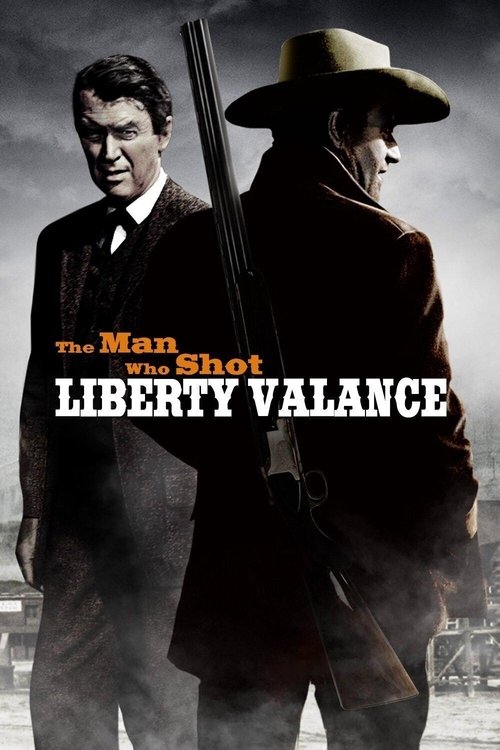
The Man Who Shot Liberty Valance1962
Ford's meditation on legend versus truth: Jimmy Stewart as the lawyer, John Wayne as the gunman, the complicated price of civilization. Black and white, melancholic, a Western for the moment when the West ends.
But Slow and reflective, heavy with regret. There are long silences and very little action. Some find it Ford indulgent.
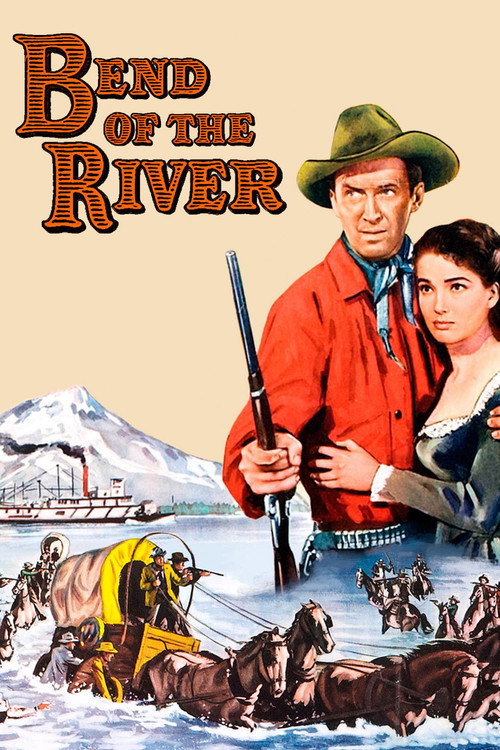
Bend of the River1952
Both feature a protagonist with a brother or brother figure whose moral standing is in question. Autry's straightforward resolution here meets Mann's sprawl and doubt—same emotional furniture, different conclusions about redemption.
James Stewart leads settlers to Oregon Territory in a Technicolor epic that's visually gorgeous but morally murky. Anthony Mann's Western is about community and betrayal, with Stewart as a complicated man trying to prove he's changed.
But The Technicolor is pristine but the story is deeply cynical. There are no white hats here, only degrees of damage.
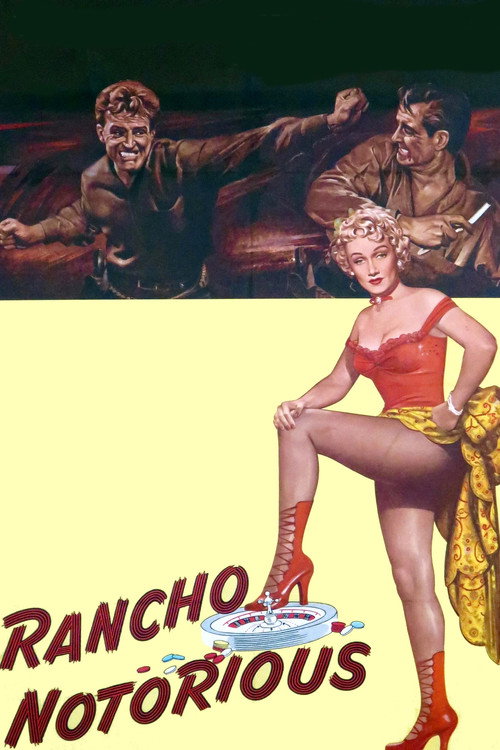
Rancho Notorious1952
A singing Western, but where Autry's songs affirm community and heroism, Dietrich's are ironic commentary. Both use music as emotional shorthand, but Lang uses it to undermine the genre's promises while Autry uses it to confirm them.
Fritz Lang's acid-tinged Western: a rancher hunts his wife's killer across desert and corruption. Marlene Dietrich runs an outlaw refuge in style. Cynical, stylized, with ballads that interrupt the narrative like reminders of lost ideals.
But German expressionism in the American West creates tonal whiplash. The moral universe is rotten. The songs feel like interruptions rather than part of the story.
People
Cast
 Gene AutryGene Autry
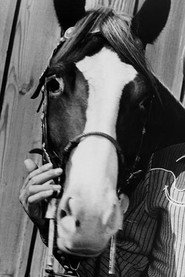 ChampionChamp
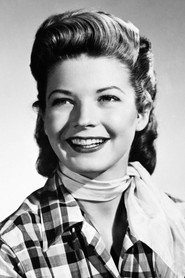 Gail DavisAnn Randolph
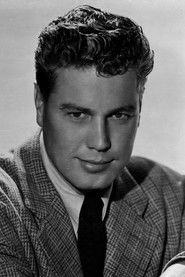 Richard CraneJack Autry
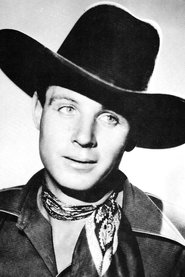 Robert LivingstonArt Selby
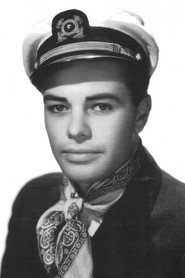 House Peters Jr.Jim Hackett
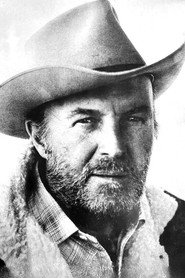 Gregg BartonClint Raybold
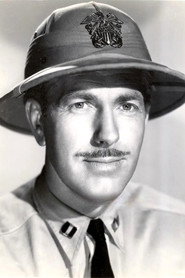 William ForrestJohn Randolph
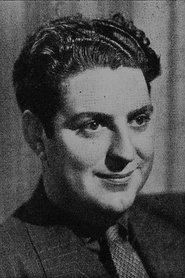 Smiley BurnetteSmiley
Directing
- George ArchainbaudDirector
Writing
- Norman S. HallScreenplay
- Norman S. HallStory
Production
- Armand SchaeferProducer