
Film
The Gay Caballero
Other titles called The Gay Caballero: the 1940 film.
A brisk 1932 Western where a football star inherits a ranch and stumbles into conflict with a cattle baron—complete with a masked avenger, competing love triangles, and the kind of swift, unpretentious storytelling that used to fill Saturday matinees. It's charming, unpretentious pulp: all action and no apology.
Should you watch it?
Watch it if you like early talkie westerns with a light, swaggering tone, where a masked hero, a cattle feud and a romantic tangle get played with cheerful old-Hollywood charm.
Skip it if the stagey early-sound staging and stilted dialogue of a 1932 picture can feel dated, and you want slow, atmospheric landscapes like modern westerns offer.
What it asks of you: Sixty minutes, mostly light and brisk, with a few slower romantic stretches and early-talkie conventions you will need to accept as they come.
Not sure? Find tonight's pick in a minute.
If you liked this
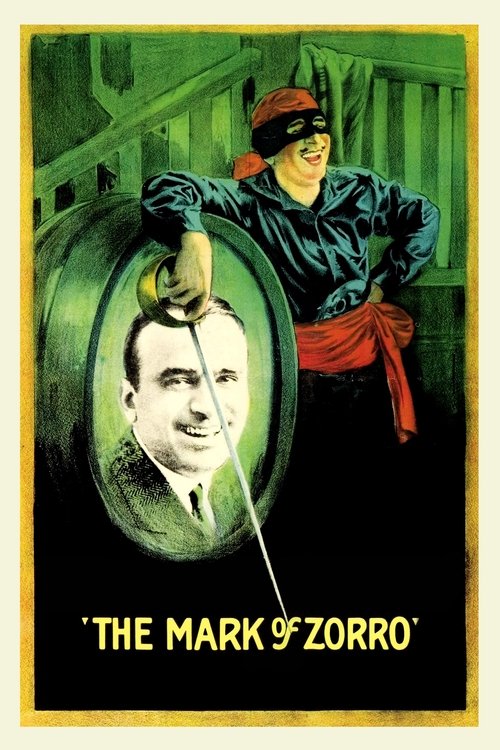
The Mark of Zorro1920
Fairbanks defined the masked avenger archetype with acrobatic flair and romantic swagger. It's the template that *The Gay Caballero* echoes—fast, fun, and built on the same wish-fulfillment fantasy of justice and daring.
But Silent film pacing can feel glacial compared to talkies; the plot is thin by design, and Fairbanks' heroics depend entirely on your tolerance for earnest derring-do.
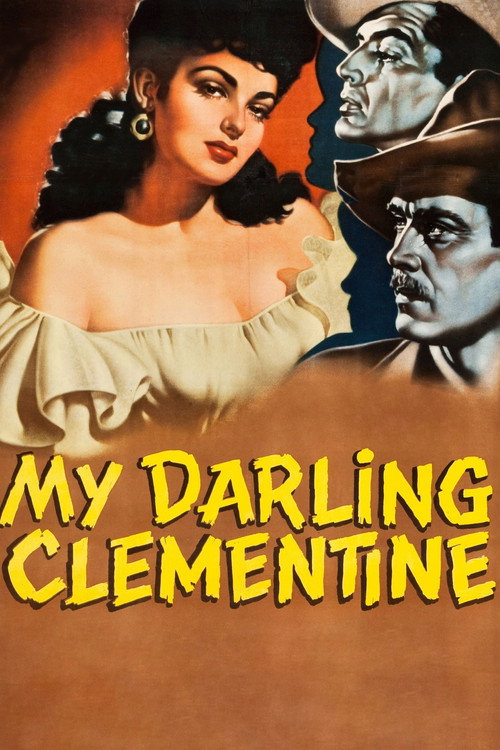
My Darling Clementine1946
Ford's masterpiece about frontier settlement and moral order. It has the same Western DNA as *Gay Caballero*—cattle, land, law, and love—but transforms it into something mythic. Essential viewing.
But It's slower, more reflective, and the romance is secondary. If you want action and lightness, this will feel like being asked to sit still for a lecture.
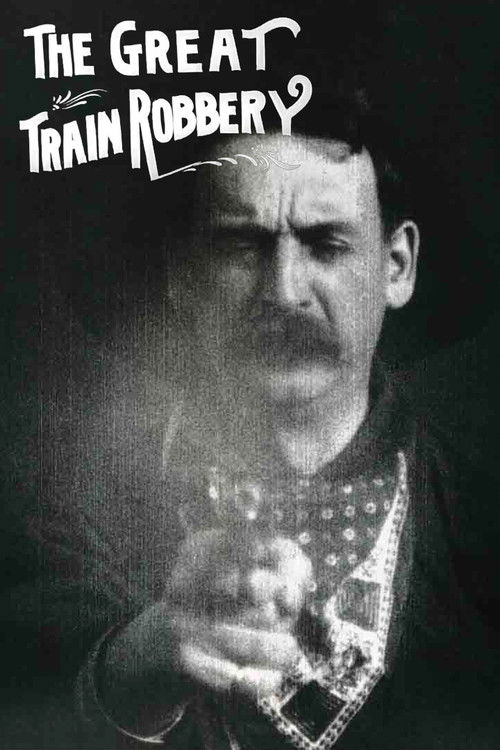
The Great Train Robbery1903
The film that invented the action Western. Eleven minutes of pure narrative momentum—outlaws, pursuit, moral clarity, no waste. *Gay Caballero* inherits its DNA directly: get in, tell the story, get out.
But It's a novelty by modern standards. No dialogue, no character development, just visual storytelling. Historically crucial; entertainingly thin.
Not sure tonight? Get a pick in a minute, starting from The Gay Caballero
The wildcard
Something you would not have found on your own.
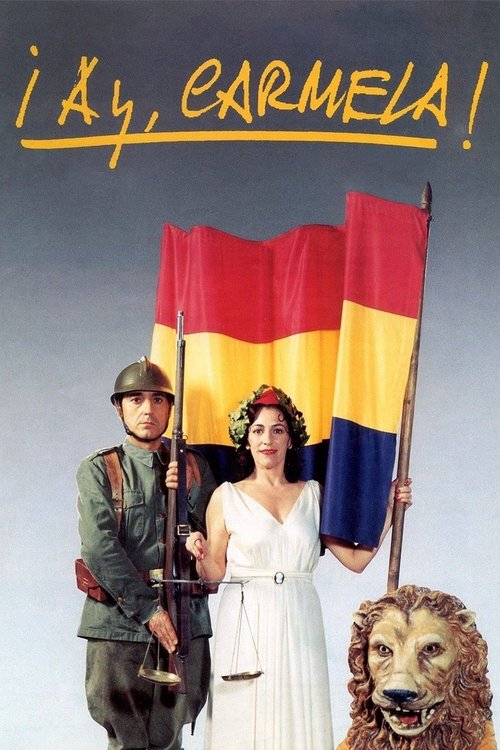
Ay, Carmela!1990
Both are high-spirited adventure stories built on performance and role-play, with romance and justice as their motors. But *¡Ay, Carmela!* takes that same machinery and runs it through political violence and historical reckoning—showing what happens when the masquerade meets real stakes.
A Spanish Civil War film about two vaudeville performers caught between armies. It has the same energy as *Gay Caballero*—fast, theatrical, sentimental—but deploying it against historical atrocity. Heartbreaking and exhilarating in equal measure.
But It's in Spanish, and it uses levity as a lens on tragedy. The tonal whiplash disturbs some viewers; others find the mix manipulative rather than moving.
More like this (7)
Johnny Guitar1954
Joan Crawford and Mercedes McCambridge face off in the desert. It's a Western that inverts every expectation—queer-coded, female-centered, morally murky. Genuinely strange and unforgettable.
But The gender dynamics that make it fascinating now feel intentionally provocative in ways that alienate some viewers. It's also slow-burn and cryptic.

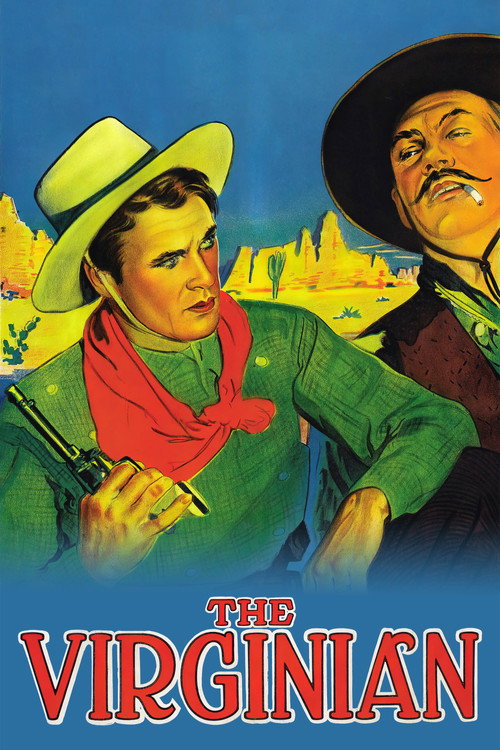
The Virginian1929
Gary Cooper in the sound Western that proved the genre could survive talking pictures. It has the same elements as *Gay Caballero*—ranch life, code of honor, romance—but with deeper moral weight.
But It's earnest to the point of heaviness. The love story feels obligatory, and the pacing is stately rather than swift.
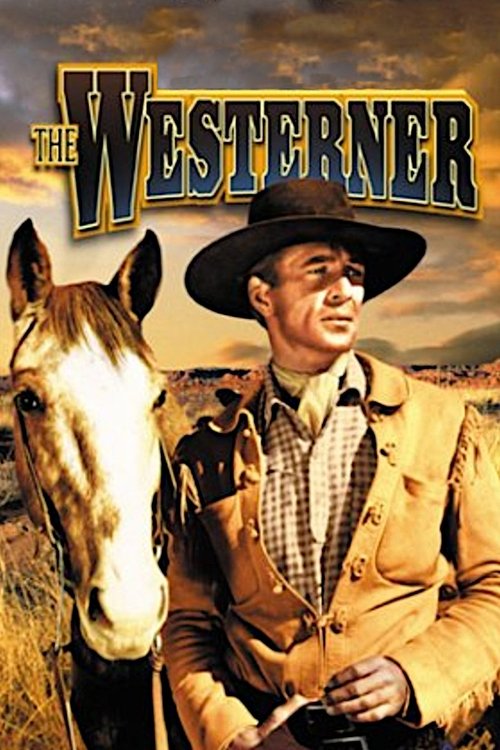
The Westerner1940
Gary Cooper and Walter Huston in a beautifully shot film about law and disorder on the frontier. It captures the same mythology of justice and land that motivates *Gay Caballero*, but with real psychological depth.
But It's a prestige picture, which means it takes itself seriously. If you're after quick thrills, this will feel like homework.
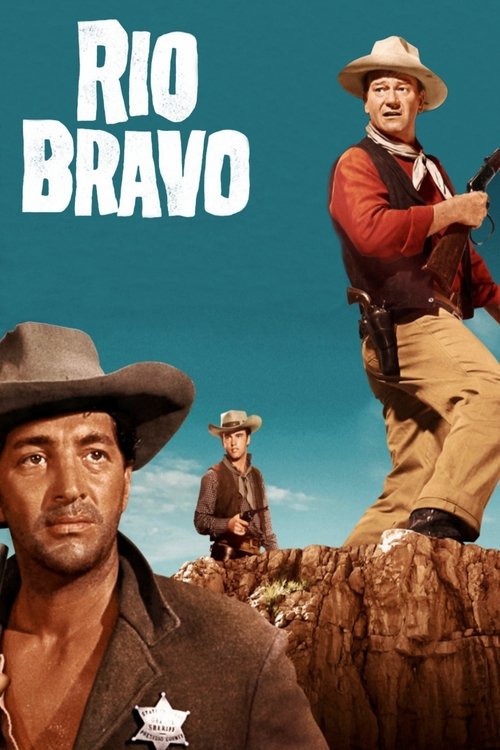
Rio Bravo1959
Hawks' masterpiece about a sheriff and his ragtag defenders. It has the same love of competence and quick wit, plus brilliant ensemble work. Dean Martin and John Wayne together—electrifying.
But It's long, talky, and the action is sparse. The pleasure is in character and conversation, not spectacle. Patience required.
The Ballad of Little Jo1993
A revisionist Western about a woman passing as a man to survive the frontier. It's intelligent, melancholic, and genuinely moving. Shows what happens when Westerns examine power and survival seriously.
But It's deliberately unglamorous and downbeat. There's no satisfaction in the way *Gay Caballero* delivers it—only hard choices and compromise.

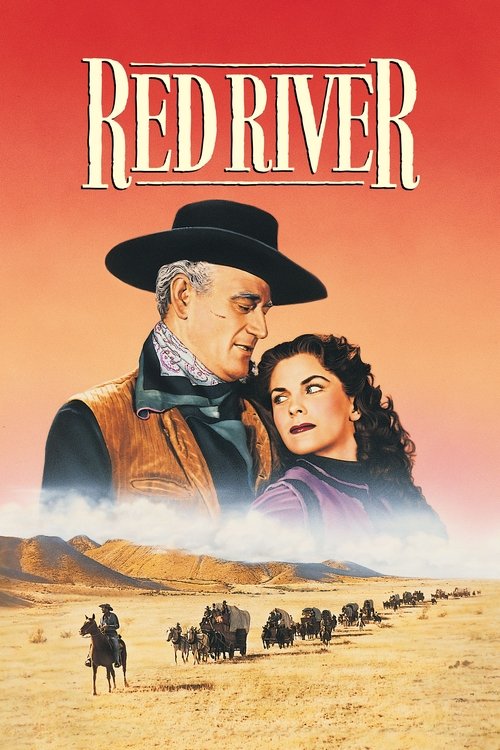
Red River1948
Hawks' epic about a cattle drive and the toxic bond between two men. Montgomery Clift and John Wayne. Visually stunning, thematically rich, and a gateway into how Westerns can dig deep.
But It's slow, serious, and the central relationship is suffocating rather than exhilarating. You need patience and a taste for moral complexity.
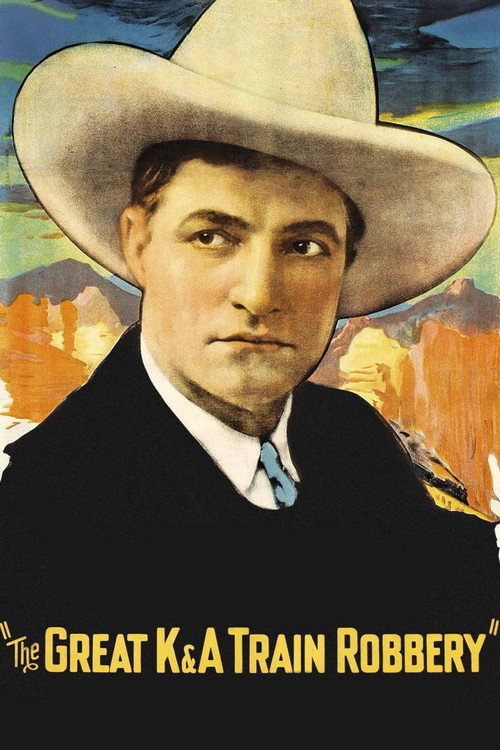
The Great K&A Train Robbery1926
Both are economical, plot-light adventure films where action sequences are the real narrative. *Gay Caballero* has dialogue; this one doesn't. But they share the same belief that spectacle and movement are enough to carry an evening, and that a story is just an excuse to string moments together.
Tom Mix in a silent Western that makes *Gay Caballero* look modern. It's got everything: bandits, justice, romance, a horse that's treated as a character. Pure action storytelling from before plot became a consideration.
But It's extremely old, and the action—while genuinely thrilling—is shot in long take. You're watching stunts, not editing. That commitment to showing the full action can feel tedious to viewers raised on cuts.
People
Cast
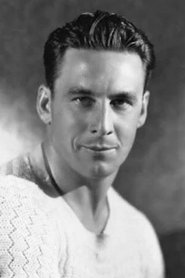 George O'BrienTed Radcliffe
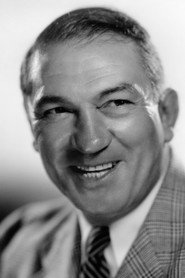 Victor McLaglenDon Bob Harkness / El Coyote
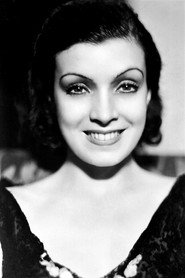 Conchita MontenegroAdela O'Brien Morales
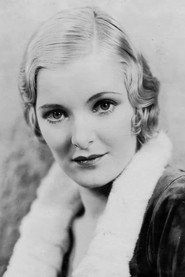 Linda WatkinsAnn Grey
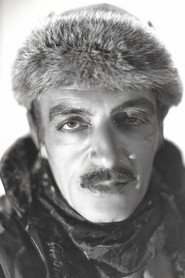 C. Henry GordonDon Paco Morales
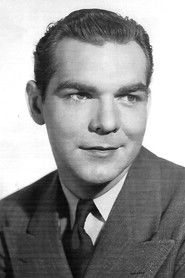 Weldon HeyburnJito
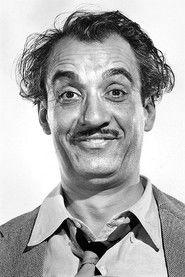 Martín GarralagaManuel
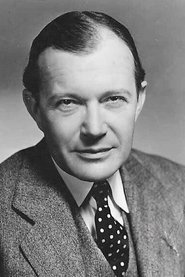 Willard RobertsonMajor Lawrence Blount
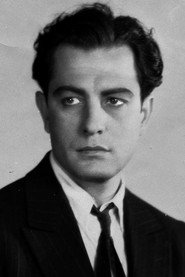 Juan TorenaJuan Rodrigues
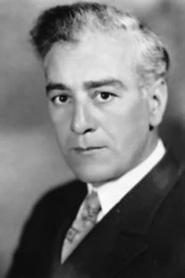 Al Ernest GarciaBandit
Directing
- Alfred L. WerkerDirector
Writing
- Tom GillNovel
- Barry ConnersScreenplay
- Philip KleinScreenplay