
Film
Ay, Carmela!
A Spanish Civil War film that finds comedy and humanity in the darkest place: a troupe of performers imprisoned by fascist forces. Funny and heartbreaking in quick succession, it refuses to make suffering noble or war comprehensible. For anyone who believes laughter matters most when things matter most.
Should you watch it?
Watch it if you like wry, bittersweet war stories where the jokes keep running even as the ground gives way beneath the characters, and a sharp eye for performance and what an audience needs.
Skip it if you want the war on screen, since this keeps its distance and its humour is gentle and theatrical, so the laughs can feel thin when the story turns grave.
What it asks of you: Settle into a roughly 100-minute ride of long, quiet stretches of talk and staging, with a mood that swings between broad play and sudden unease.
Not sure? Find tonight's pick in a minute.
If you liked this
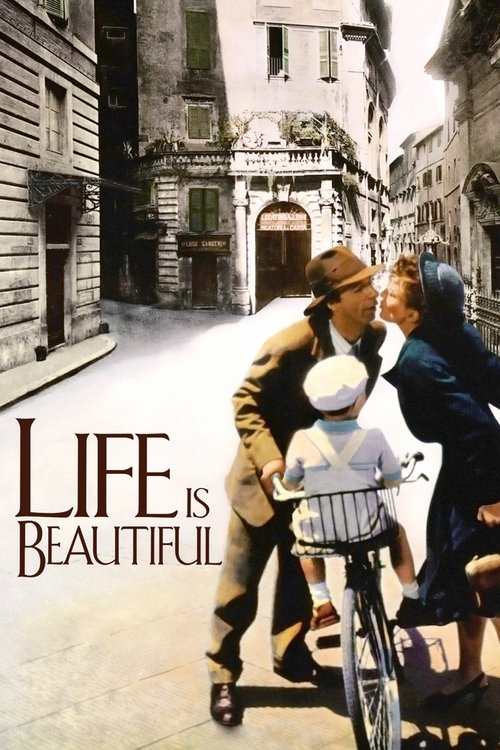
Life Is Beautiful1997
Benigni's father uses imagination and comedy to shield his son from the Holocaust. Like Carmela, it locates the human spirit's refusal to surrender in the smallest acts—a joke, a song, a game.
But The tonal shifts between whimsy and atrocity can feel manipulative if you're not ready for it. Some find the lightness grating given the subject.
Come and See1985
A Soviet film about childhood destroyed by invasion. It has the same moral engine as Carmela: the obscenity of war lies not in battles but in what it does to ordinary people trying to live.
But Relentlessly bleak and brutal. There are no jokes here, and the suffering is never softened. Not cathartic—genuinely difficult to watch.

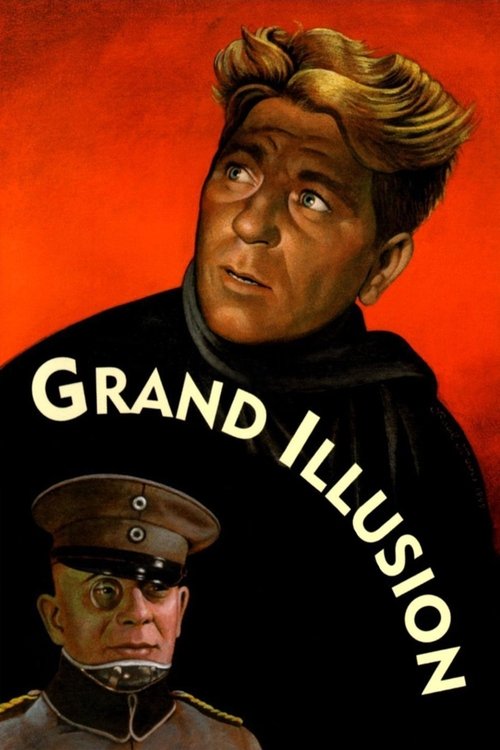
Grand Illusion1937
Renoir's masterpiece about POWs finding dignity and connection across enemy lines. It understands that war's real tragedy is how it corrodes the bonds between people.
But Formally distant by modern standards. The pacing is deliberate, almost stately. Requires patience and attention.
Not sure tonight? Get a pick in a minute, starting from Ay, Carmela!
The wildcard
Something you would not have found on your own.
A Prophet2009
Both trap their characters in systems they cannot escape and ask what people become when survival requires compromise. Both find moments of connection and grace in bleak settings without using them to redeem the system.
Jacques Audiard's film about a young man in prison learning to survive. It shares Carmela's understanding that imprisonment—literal or by circumstance—reveals character. A stunning, brutal film about systems that grind people down.
But French, subtitled, nearly 2.5 hours long, and morally murky. No character is sympathetic. The violence is sudden and casual.

More like this (8)
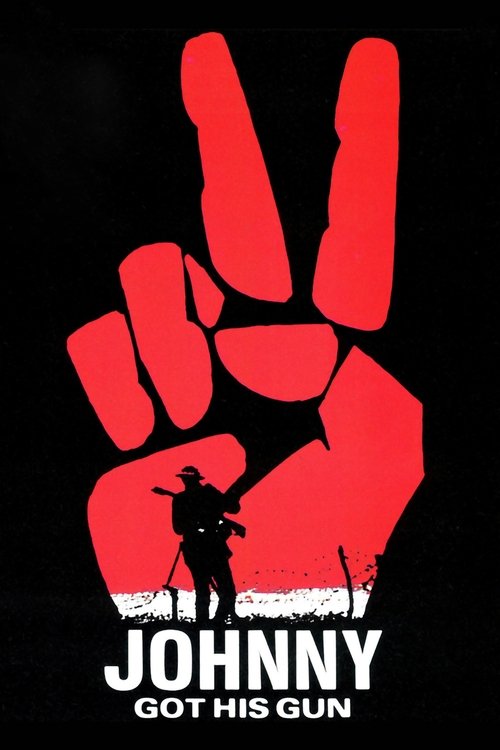
Johnny Got His Gun1971
Dalton Trumbo's anti-war nightmare about a soldier stripped of everything. It shares Carmela's rage at the absurdity of war and its refusal to look away from human cost.
But Formally experimental and disorienting. The premise is so horrifying that many find it difficult to sit with for two hours.
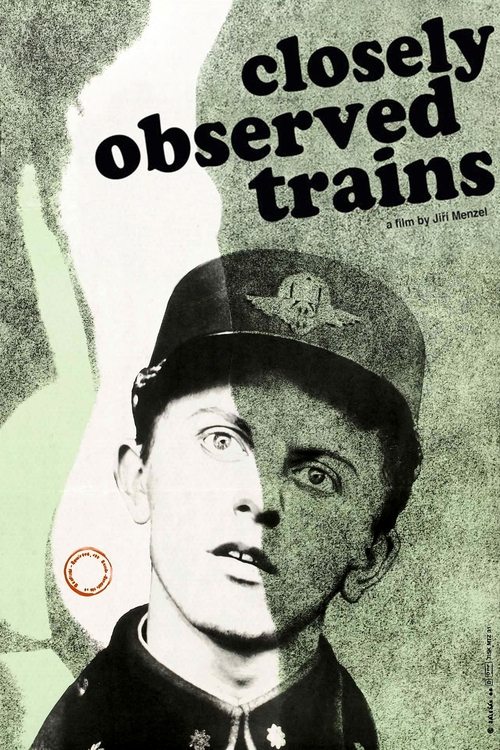
Closely Watched Trains1966
A Czech New Wave film about occupation and resistance. It finds gallows humor and humanity in impossible circumstances, mixing comedy with the weight of historical moment.
But Subtitled. The tone is elliptical and the pacing meandering. It's not obvious what it's about until it is.
The Battle of Algiers1966
Pontecorvo's revolutionary film about colonialism and resistance. It shares Carmela's refusal to simplify war into heroism or villainy—everyone is trapped in systems larger than themselves.
But Formally austere and propagandistic in tone. It can feel more like a document than a drama. Politically urgent in ways that might feel dated or didactic.

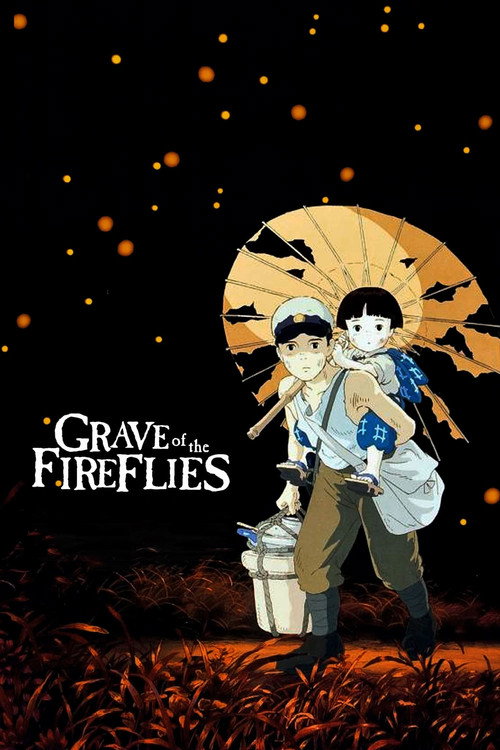
Grave of the Fireflies1988
An animated film about two children orphaned by war in Japan. It locates tragedy not in battle but in the everyday choices people make to survive, and the cost of those choices.
But Animated, which some mistake for lighter fare. It is not. The ending is foregone from the start, making it harder to watch rather than easier.
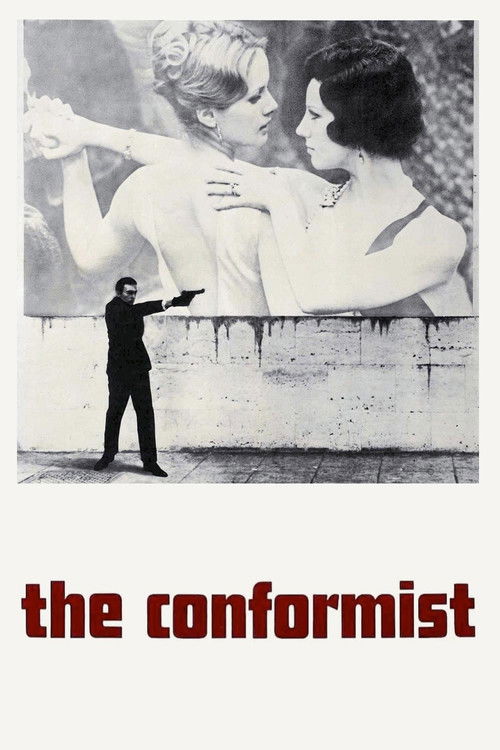
The Conformist1971
Bertolucci's film about fascism from the inside—a man compromised by the system he serves. It understands how ordinary people become complicit, which Carmela never lets us forget.
But Visually dense and psychologically complex. The narrative is fragmented. It requires active viewing and isn't interested in making its themes obvious.
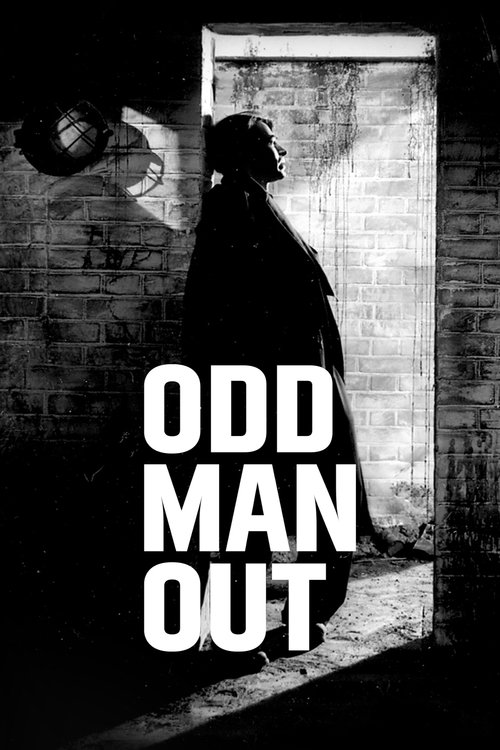
Odd Man Out1947
Carol Reed's film about an Irish Republican on the run, hunted through a single night. It has Carmela's interest in how the powerless become trapped by history's machinery.
But Dated in its political assumptions. The style is expressionist and theatrical in ways that may feel mannered now. And it is bleak.
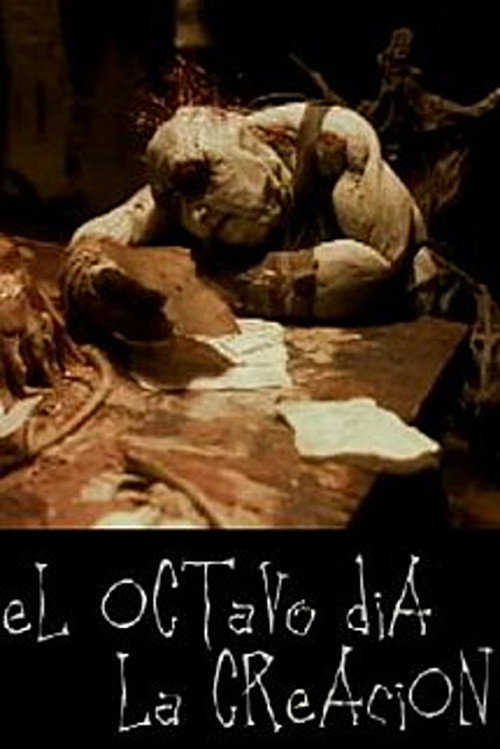
The Eighth Day of Creation2003
Both use comedy as a weapon against institutions that dehumanize people. Both treat war as absurd rather than tragic, and find that clarity more powerful than sentiment.
Jeunet's deadpan black comedy about a man conscripted into the Algerian War. It uses absurdist humor to examine how bureaucracy and military logic destroy human beings. Lighter in touch than Carmela but sharing its moral fury.
But Very French in sensibility. The humor is cool and detached, not warm. If you want emotional catharsis, you won't find it. It's more interested in making you uncomfortable than moved.
The Ballad of Little Jo1993
Both center performers—people who survive through wit, costume, and the ability to control how others see them. Both understand that survival sometimes means hiding your true self, and that this is both necessary and tragic.
Maggie Greenwald's revisionist Western about a woman who survives on the frontier by pretending to be a man. Like Carmela, it's about performance as survival, about people adapting to impossible situations with wit and resilience.
But A Western, which may feel like the wrong register entirely. Formally modest. The story doesn't build toward spectacle or conventional resolution. Jo's victory is quiet and partial.

People
Cast
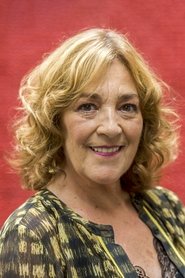 Carmen MauraCarmela
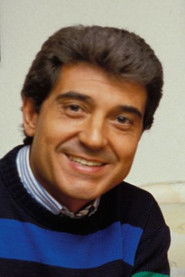 Andrés PajaresPaulino
 Gabino DiegoGustavete
 Armando De RazzaTeniente Ripamonte (as Maurizio de Razza)
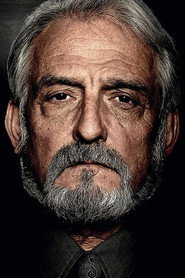 José SanchoCapitán
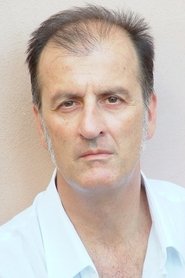 Mario De CandiaBruno CTV 1º
 Miguel RellánTeniente interrogador (as Miguel Angel Rellan)
 Edward ŻentaraSoldado polaco
- Rafael DíazCentinela
- Chema MazoAlcalde
- Antonio FuentesAlférez artillero
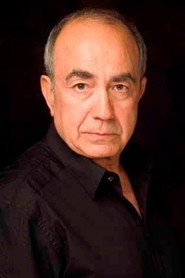 Mario MartínCacique
Directing
- Carlos SauraDirector
- Salvador PonsFirst Assistant Director
- Carmen SorianoScript Supervisor
- Ina LüdersSecond Assistant Director
- Arantxa AguirreThird Assistant Director
Writing
- Carlos SauraScreenplay
- Rafael AzconaScreenplay
- José Sanchis SinisterraTheatre Play
Production
- Andrés Vicente GómezExecutive Producer
- Víctor AlbarránProduction Manager