
Film
They Died with Their Boots On
A 1941 Warner Bros. epic that casts Errol Flynn as Custer in a romantic, action-heavy sweep through West Point, the Civil War, and the frontier. It's vivid, melodramatic, and utterly committed to its own mythology—part military adventure, part love story, part revisionist Western. A window into how Hollywood saw American conquest when it was still selling it without irony.
Should you watch it?
Watch it if you love big, handsome studio epics where a dashing hero, a sparring romance and cheerful, rousing set pieces matter more than historical accuracy.
Skip it if you dislike long, sentimental period pieces, since at 140 minutes the romance and gallantry linger and the portrayal of Native characters feels dated.
What it asks of you: Settle in for a little over two hours that move unhurriedly, swinging from jaunty romantic comedy to heavier wartime drama without much warning.
Not sure? Find tonight's pick in a minute.
If you liked this
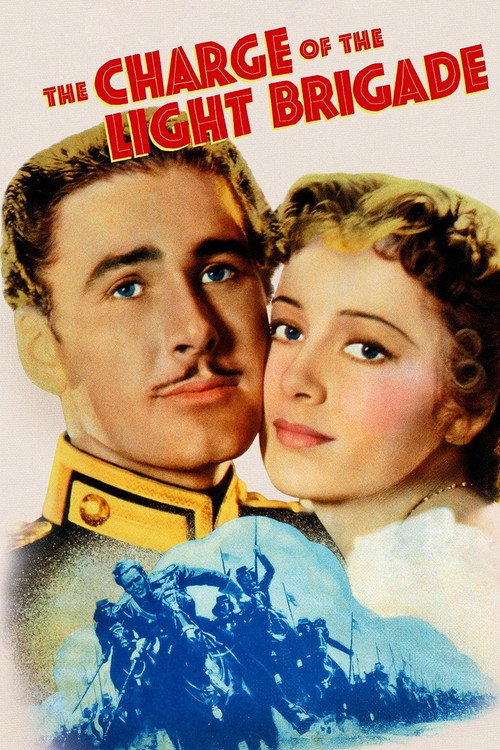
The Charge of the Light Brigade1936
The same studio, director, and Flynn-de Havilland chemistry, but set during the Crimean War. If you loved the spectacle and romance here, this earlier film has even more swashbuckling momentum and visual splendor.
But It's 116 minutes of 1930s action filmmaking—dialogue-heavy, theatrical, and entirely unconcerned with historical accuracy. Patience required.
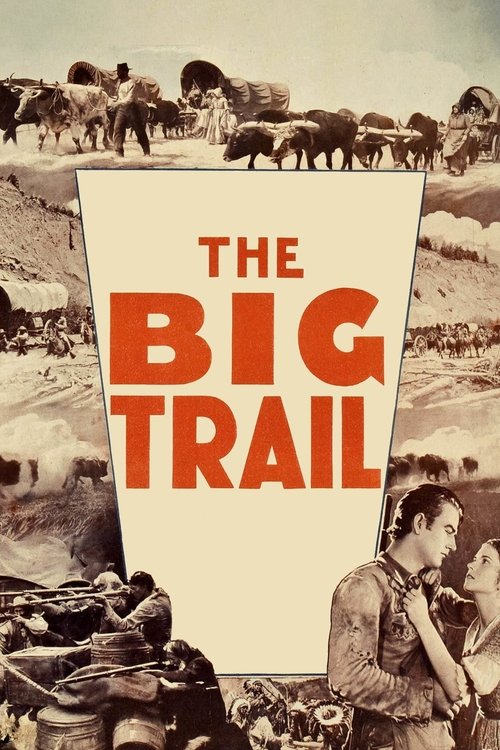
The Big Trail1930
John Ford's early epic about westward expansion, shot in widescreen to capture genuine landscape. It has the same mythmaking impulse as Boots On, but grittier and more interested in the land itself than the uniforms.
But John Wayne is the lead, and he's stiff and uncertain in ways that make the film harder to settle into than his later work. The pacing drags in places.
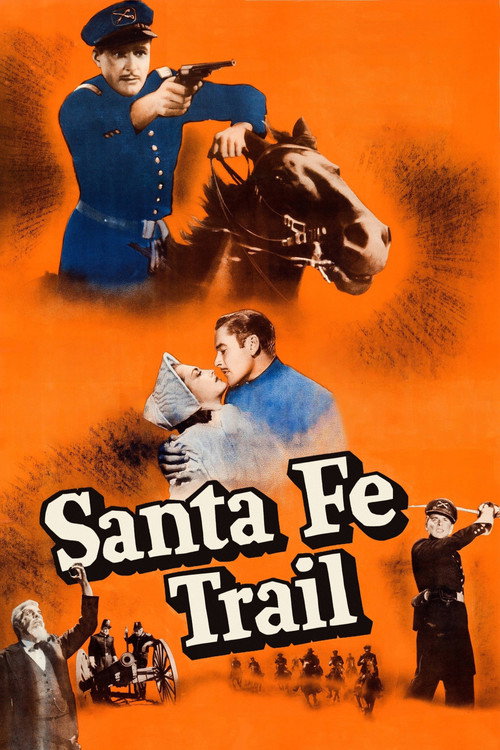
Santa Fe Trail1940
Released the year before Boots On, this pairs Flynn with Olivia de Havilland again in another military romance, this time around the John Brown raid. Same studio polish, same commitment to making cavalry officers look like movie stars.
But It's a Hollywood fantasy about history that's even thinner than this one. If you want authenticity, keep walking.
Not sure tonight? Get a pick in a minute, starting from They Died with Their Boots On
The wildcard
Something you would not have found on your own.
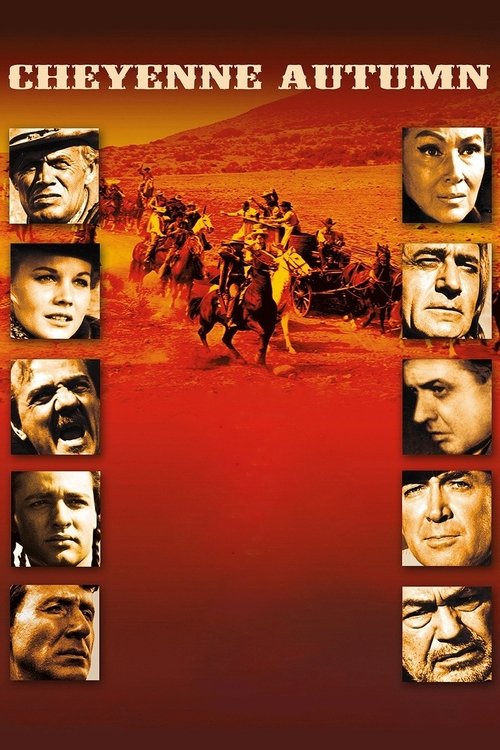
Cheyenne Autumn1964
Both films use the frontier myth as their engine, but Cheyenne Autumn is what Boots On would look like if someone decided to tell the story of conquest from the side that was being conquered.
John Ford's late epic about the Cheyenne exodus, told largely from the Native American perspective. It's a direct answer to films like Boots On—the same historical landscape, but with the moral weight reversed and the mythology dismantled. Stunning, angry, and heartbreaking.
But It's 3 hours and 44 minutes long, deliberately paced, and Ford spends entire sequences letting landscape and silence do the talking. It's the opposite of a spectacle film.
More like this (8)
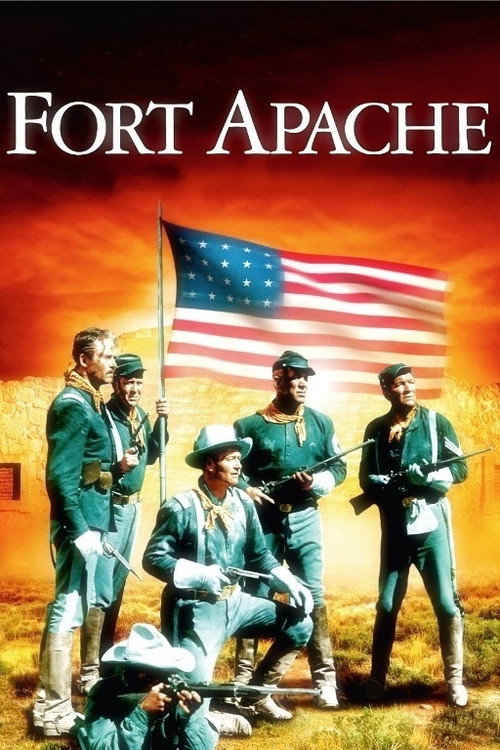
Fort Apache1948
John Ford's cavalry drama with Henry Fonda as an obsessive commander and James Stewart as his conscience. It critiques military hubris without sacrificing adventure, asking smarter questions about duty and honor.
But It's more ambiguous and morally complicated than Boots On. If you want clear heroes and clear victories, this will frustrate you.
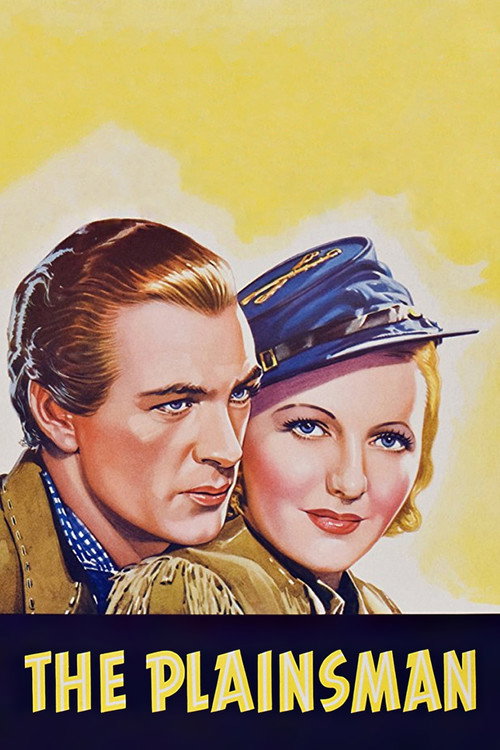
The Plainsman1936
Cecil B. DeMille's sprawling Western with Gary Cooper, covering similar ground—frontier politics, cavalry action, and the collision of civilizations. Genuinely epic, with DeMille's gift for spectacle.
But It's a sprawl of a film, and the plot threads compete for your attention rather than weaving together. You'll feel the 115 minutes.
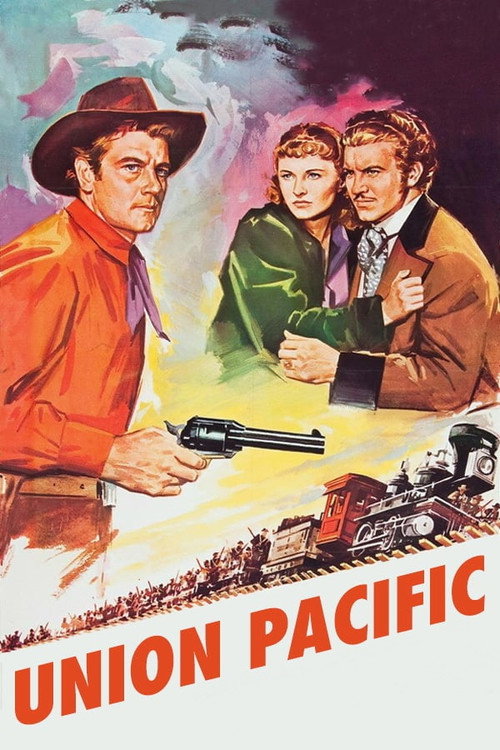
Union Pacific1939
Another DeMille Western epic from the same era, full of romance, action, and trains. If you liked the romance-amid-history angle, this delivers on that score with genuine stakes.
But It's baggy and often clumsy in its storytelling. The railroad plot and the love plot never quite align into anything coherent.
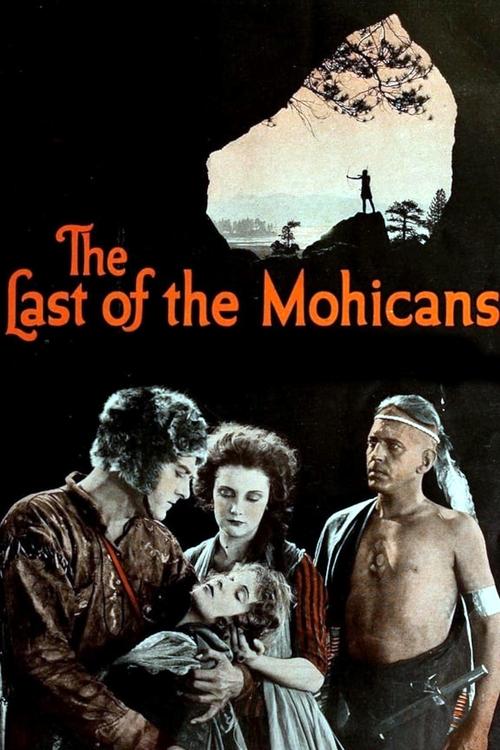
The Last of the Mohicans1920
Maurice Tourneur's silent epic from two decades earlier uses similar machinery—colonial conflict, noble savages, doomed honor—but with a directness and visual poetry that predates the talk-heavy melodrama of Boots On.
But It's a silent film from 1920. That's not a bug, but if you need dialogue and clear plot beats, the elliptical storytelling will lose you.
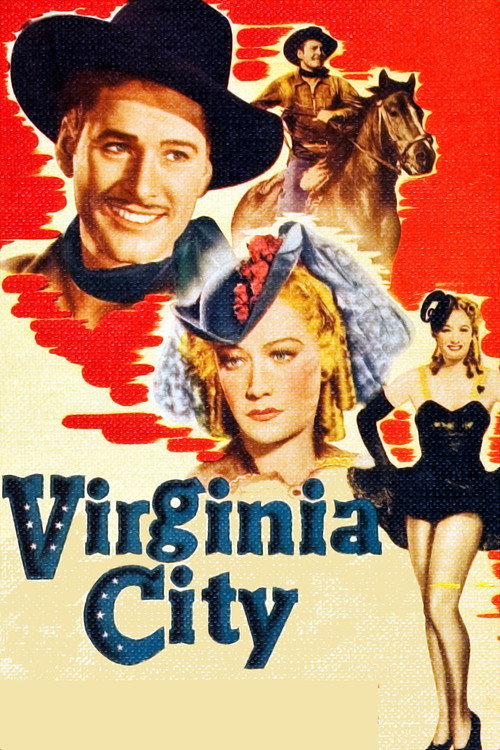
Virginia City1940
Flynn in a Civil War adventure the year before Boots On, mixing action, romance, and espionage. Same star, same studio energy, slightly lower stakes but often more fun.
But It's minor Warner Bros.—entertaining but slight, and it shows how much more carefully Boots On was constructed and mounted.
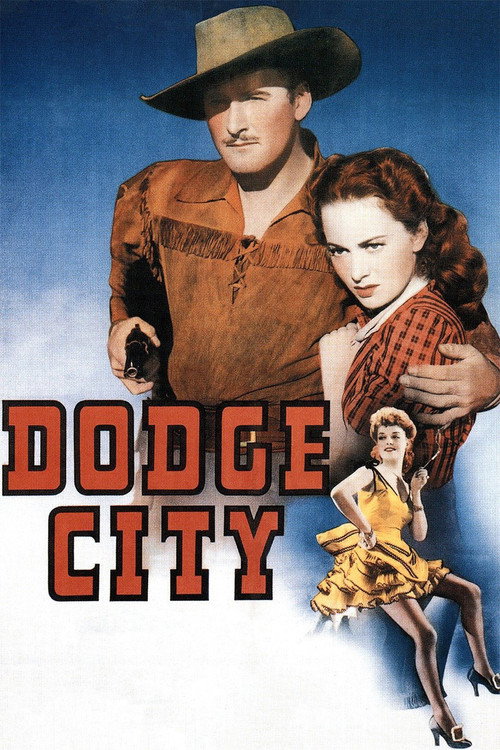
Dodge City1939
Errol Flynn in Technicolor, playing a lawman building civilization in the West. It has the same energy as Boots On—spectacle, romance, confidence—but in a cleaner, simpler frame.
But It's thinner than Boots On, less ambitious, and if you want moral weight or historical scope, you won't find it here.
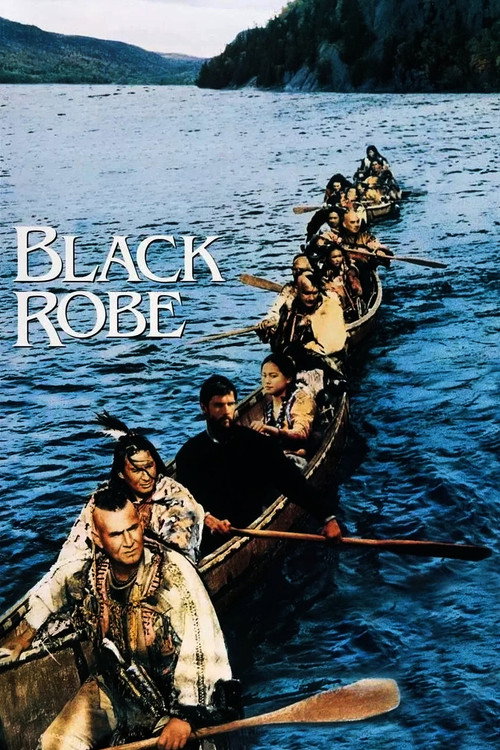
Black Robe1991
Where Boots On celebrates Custer and cavalry civilization, Black Robe interrogates the entire project of colonization. Same historical moment, opposite conclusions.
A film about collision between European and Indigenous cultures in the colonial period, but austere, unsettling, and morally serious in ways Boots On never attempts. It's a Western that treats its setting as tragic rather than triumphant.
But It's bleak, sexually explicit in places, and refuses easy answers. Religious colonialism is its subject, not a backdrop. It will not comfort you.
The Ballad of Little Jo1993
Both films take the frontier West as their setting, but Little Jo deconstructs the masculine heroism that Boots On takes for granted, using the same historical moment to tell an opposite story.
A revisionist Western starring Suzy Amis as a woman who passes as a man on the frontier. It's roughly contemporary with Boots On's era, same landscape, but it's asking entirely different questions about identity, survival, and who gets to belong in the myth.
But It's a small, quiet film on a modest scale. After Boots On's spectacle, it may feel undernourished. It's also deliberately ambiguous about its own moral conclusions.

People
Cast
 Errol FlynnGeorge Armstrong Custer
 Olivia de HavillandElizabeth Bacon
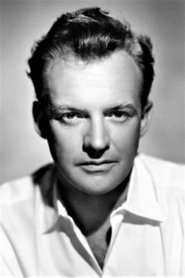 Arthur KennedyNed Sharp
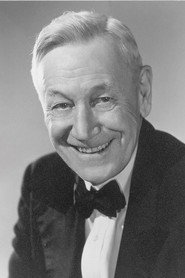 Charley GrapewinCalifornia Joe
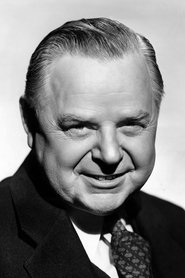 Gene LockhartSamuel Bacon, Esq.
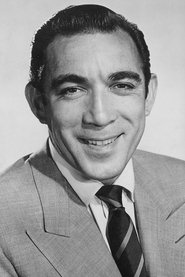 Anthony QuinnCrazy Horse
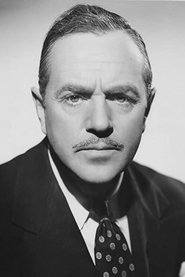 Stanley RidgesMaj. Romulus Taipe
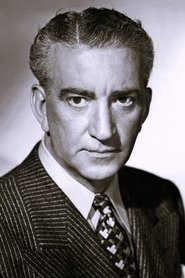 John LitelGen. Phil Sheridan
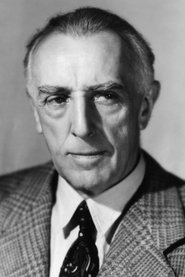 Walter HampdenWilliam Sharp
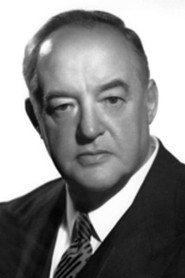 Sydney GreenstreetLt. Gen. Winfield Scott
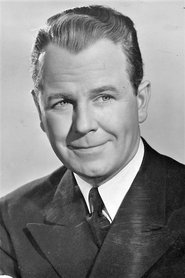 Regis ToomeyFitzhugh Lee
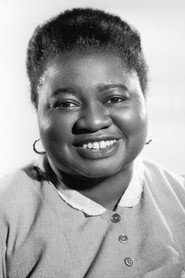 Hattie McDanielCallie
Directing
- Russell SaundersAssistant Director
- Raoul WalshDirector
- Arthur LuekerFirst Assistant Director
- Claude ArcherSecond Assistant Director
- B. Reeves EasonSecond Unit Director
Writing
- Aeneas MacKenzieScreenplay
- Wally KlineScreenplay
Production
- Robert FellowsAssociate Producer
- Hal B. WallisExecutive Producer