
Film
Eneida
- Parody
- Light-hearted
A 1991 Ukrainian animated feature that reimagines Virgil's Aeneid through the rollicking adventures of Zaporozhian Cossacks. Based on Ivan Kotliarevsky's foundational 19th-century poem, it's irreverent, visually playful, and saturated with Ukrainian folk culture. A genuinely strange film that feels both ancient and anarchic—perfect for anyone curious about animation outside the Western canon or hungry for stories that upend classical authority with humour and swagger.
If you liked this
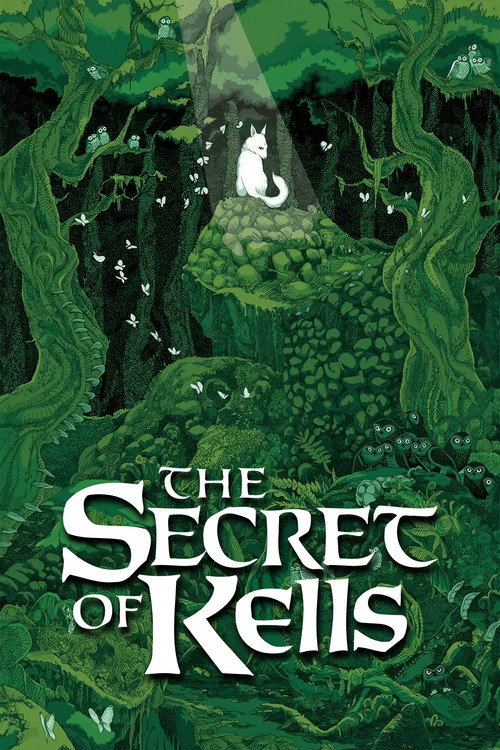
The Secret of Kells2009
Gorgeously hand-drawn animation that brings Celtic mythology and folklore to vivid life. Like Eneida, it's a love letter to pre-modern cultural heritage told with visual imagination and without a trace of reverence.
But The pacing is deliberately languid and the emotional register quiet. If you want action-packed entertainment, this meditative approach may feel slow.
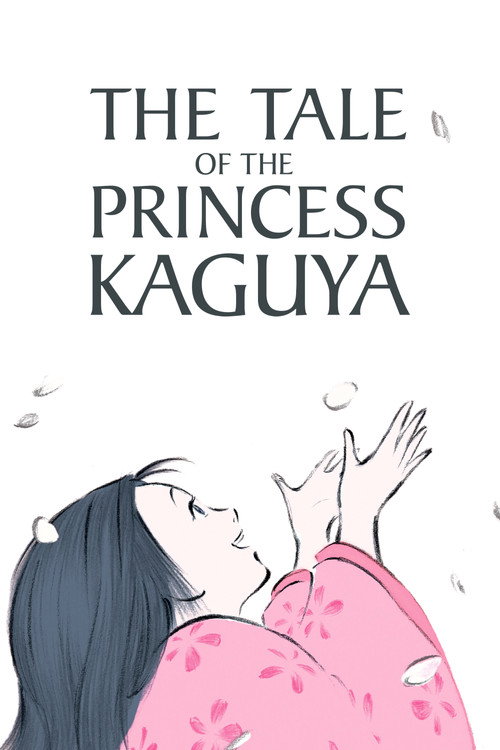
The Tale of The Princess Kaguya2013
Takahata's masterpiece animates a Japanese folk tale with brushstroke fluidity and genuine wildness. It shares Eneida's commitment to adapting ancient material through a distinctive visual language rooted in its culture.
But It's 2 hours 17 minutes of deliberate, poetic cinema. Impatience is the enemy here; it demands your full attention and offers no shortcuts.
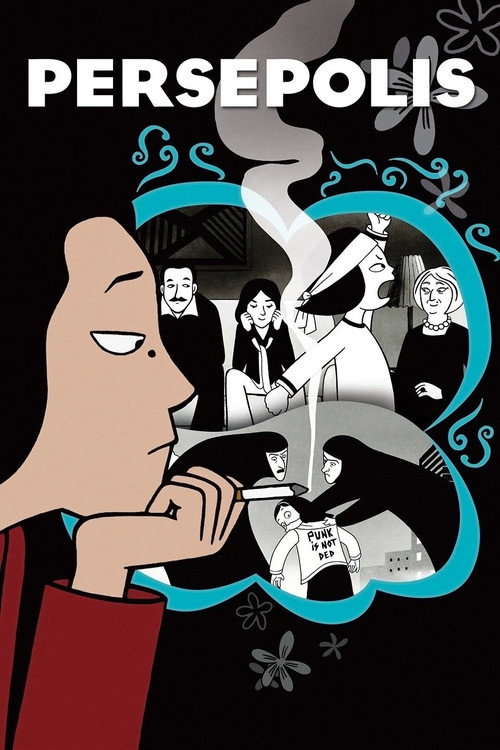
Persepolis2007
A black-and-white animated memoir that uses classical form to tell a story of revolution, exile, and identity. Sharp, political, funny—animation as a tool for serious storytelling about cultural collision and survival.
But It's autobiographical and heavy with historical trauma. Not comfort viewing, and the animation style is deliberately austere rather than decorative.
Not sure tonight? Get a pick in a minute, starting from Eneida
The wildcard
Something you would not have found on your own.
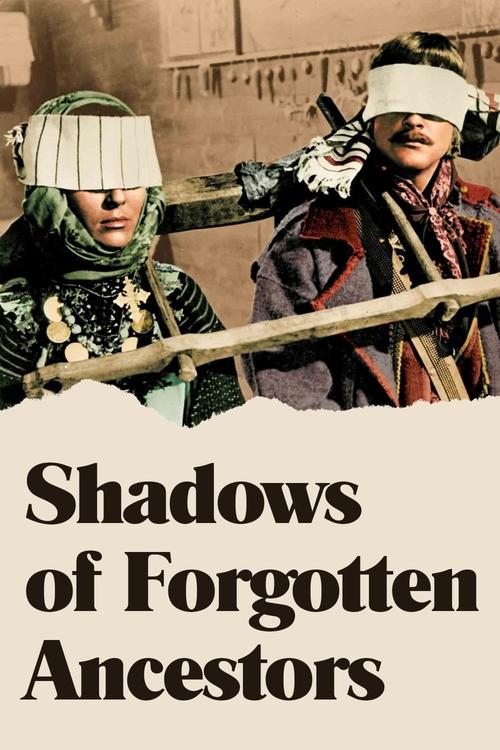
Shadows of Forgotten Ancestors1965
Both resurrect pre-modern Ukrainian culture and refuse to make it palatable to outsiders. Both are visual feasts that prioritize folk memory and visual language over conventional storytelling.
Sergei Parajanov's visually intoxicating film about Hutsul mountain culture in pre-modern Ukraine. Baroque, poetic, steeped in folklore and ritual. Like Eneida, it treats Ukrainian cultural material as epic and precious, with a visual language that's deliberately archaic and sumptuous.
But Parajanov's style is painterly and obscure—narrative comes second to image. If you need plot momentum, this will feel like you're drowning in beauty with no shore in sight.
More like this (8)
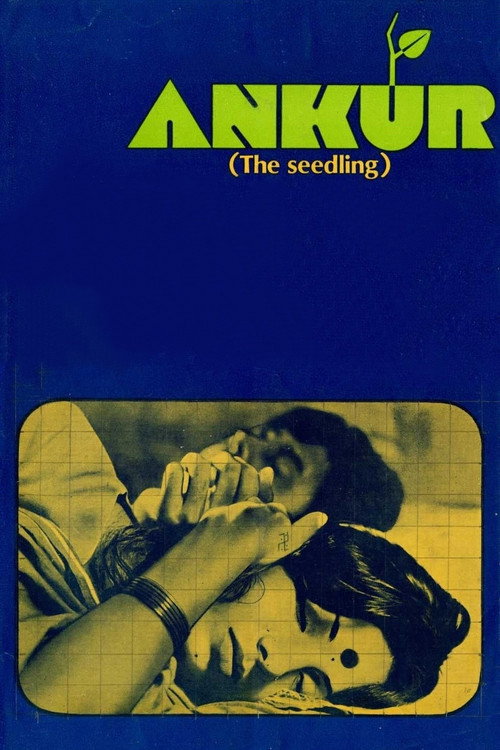
Ankur1974
Shyam Benegal's realist drama about rural class struggle in India. Like Eneida, it's a film from outside the Western mainstream that challenges viewers to see stories in a different cultural context with clarity and dignity.
But Dialogue-heavy, slow-burn social realism from the 1970s. There's no score to guide your emotions, and the narrative payoff is ambiguous rather than cathartic.
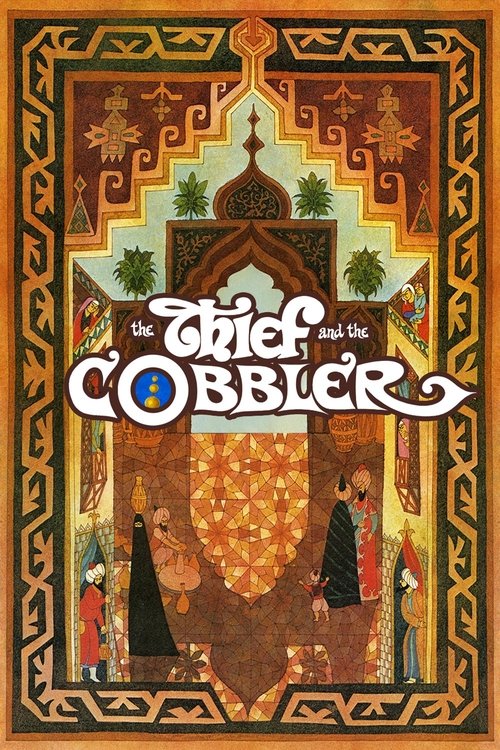
The Thief and the Cobbler1993
Richard Williams' visually dazzling feat of animation featuring intricate hand-drawn work and an anarchic sensibility. It's a fairy tale that doesn't take itself seriously and celebrates craft and absurdity in equal measure.
But It's deeply uneven—released in multiple versions with different endings. The narrative is deliberately loose, and some will find it frustratingly incomplete.
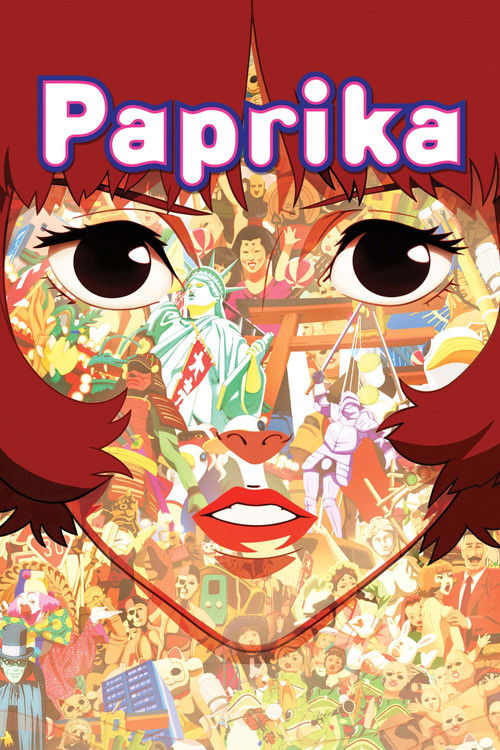
Paprika2006
Satoshi Kon's mind-bending anime blurs dreams and reality with kaleidoscopic colour and wild invention. Shares Eneida's refusal to stay still, mixing cultural references and visual excess into something hypnotic and strange.
But The plot becomes deliberately incomprehensible by design. If you need narrative clarity and linear logic, this will feel like chaos masquerading as art.
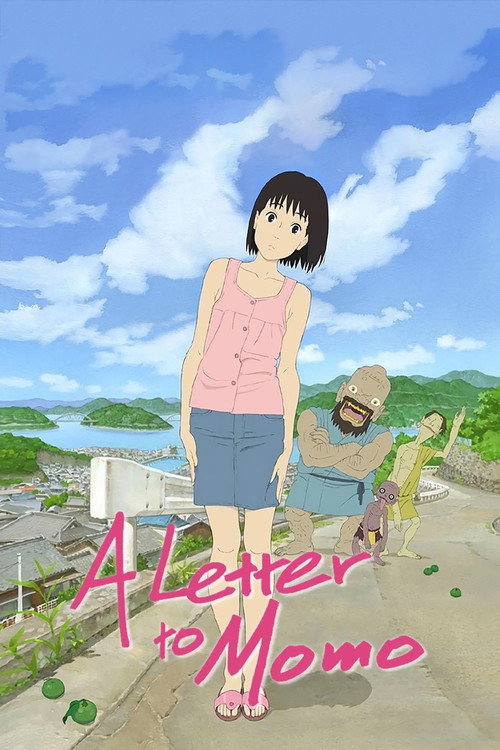
A Letter to Momo2012
A Japanese animated fantasy grounded in Shinto tradition and family grief. Visually sumptuous and emotionally genuine, it values cultural specificity and mythic imagination over global accessibility.
But Quiet and meditative to the point of stillness. The emotional core is subdued, and nothing exciting happens in the conventional sense.
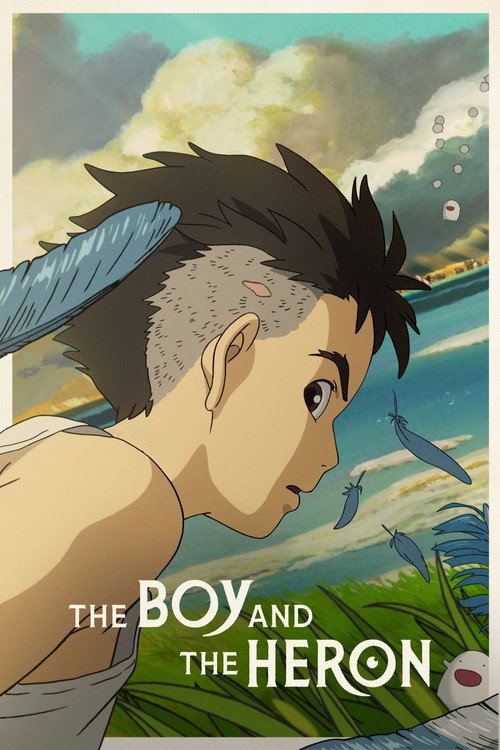
The Boy and the Heron2023
Miyazaki's latest is a meditation on war, memory, and art wrapped in magical animation. Like Eneida, it's a work rooted in its creator's cultural moment that uses fantasy to explore serious historical wounds.
But Dense with Japanese cultural and historical references that may require research. The pacing is unhurried and the tone shifts unexpectedly, which some find pretentious.
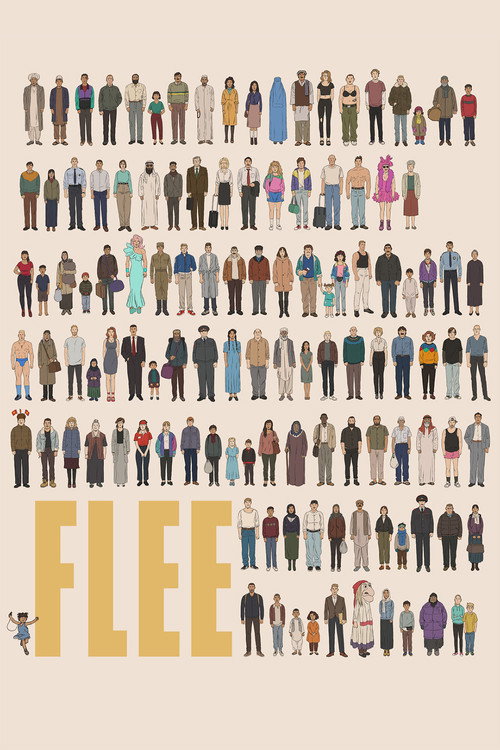
Flee2021
An animated documentary about an Afghan refugee's journey to Denmark. Rotoscope animation brings intimacy to a true story of displacement and survival, proving animation can handle trauma and complexity with absolute seriousness.
But It's heavy subject matter rendered in a style some find disturbing or overwrought. The emotional weight is considerable and unrelenting.
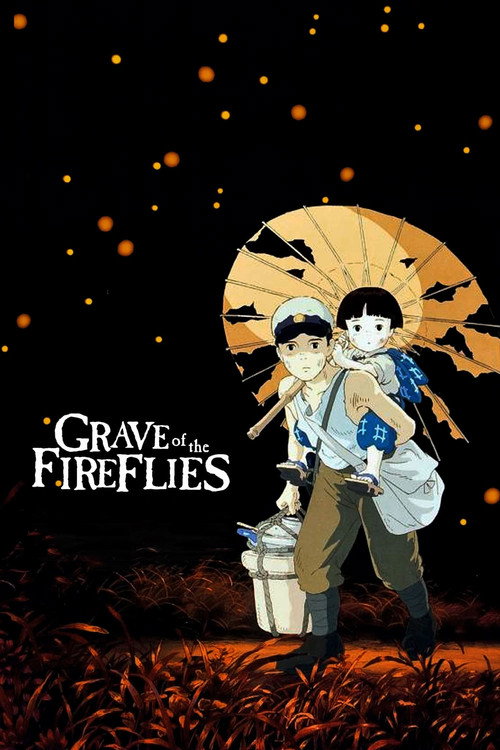
Grave of the Fireflies1988
Both use animation as a medium for serious storytelling about cultural memory. Both treat historical trauma and folk identity with the gravity they deserve, rejecting the notion that animation is inherently escapist.
Isao Takahata's animated tragedy about two siblings in wartime Japan is devastating without sentiment, precise without cruelty. Proof that animation excels at conveying loss and grace—very different tonally from Eneida, but sharing its refusal to simplify culture or suffering.
But It is profoundly, relentlessly sad. Not a film you watch for pleasure; you watch it because it matters. Some find animation inappropriate for grief this raw.
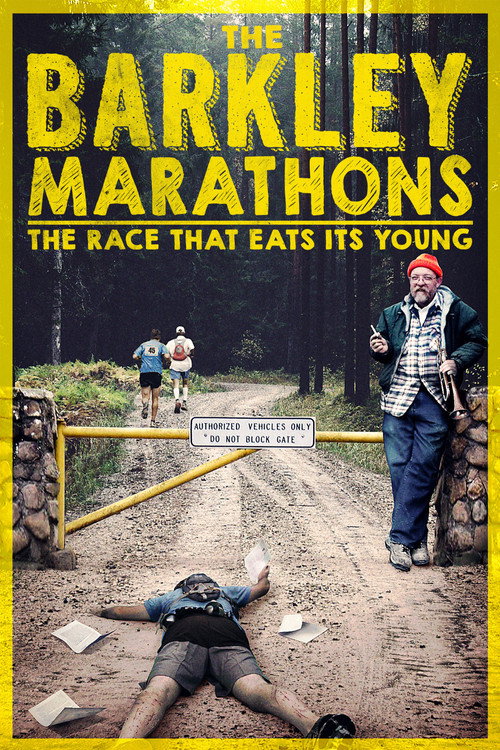
The Barkley Marathons: The Race That Eats Its Young2014
Both celebrate chaos, individual will, and the absurdity of heroic aspiration. Both find epic grandeur in uncompromising, difficult subjects that refuse to make things easy for the audience.
A documentary about an insanely brutal ultramarathon where most competitors fail. It's hilarious, absurd, and deeply human—a portrait of people motivated by pointless difficulty. Like Eneida's Cossacks, it celebrates stubborn, ungovernable individuals doing impossible things for glory and madness.
But It's shot on consumer-grade video and has the ramshackle energy of a YouTube upload. No conventional production value, and the humour is dark and specific—easy to find it tedious rather than funny.
People
Cast
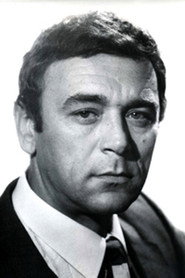 Andrii PodubynskyiNarrator (voice)
Directing
- Volodymyr DakhnoDirector
Writing
- Ivan KotliarevskyAuthor
- Yurii AlikovScreenplay
- Svitlana KutsenkoScript Editor