
Film
Silent Night, Deadly Night
- Slasher
- Serial killer
- Very dark
A reimagining of the infamous '84 slasher, this 2025 version follows Billy, a traumatized man who became a killer Santa after witnessing his parents' murder. It's a raw, brutal meditation on violence, trauma, and whether love can redeem someone steeped in darkness. Expect visceral horror and genuine unease rather than camp.
Should you watch it?
Watch it if you want a holiday slasher that takes its grim premise seriously, with a wounded protagonist whose violence is more brooding than gleeful, and you enjoy horror that lingers on the damage done.
Skip it if you need your festive horror loud and jokey, since this one plays its carnage cold and sombre, and its long talky stretches can feel slow between the kills.
What it asks of you: A lean ninety-six minutes, with most attention on a damaged man's brooding and a few sharp, bloody set pieces rather than a steady stream of scares.
Not sure? Find tonight's pick in a minute.
If you liked this
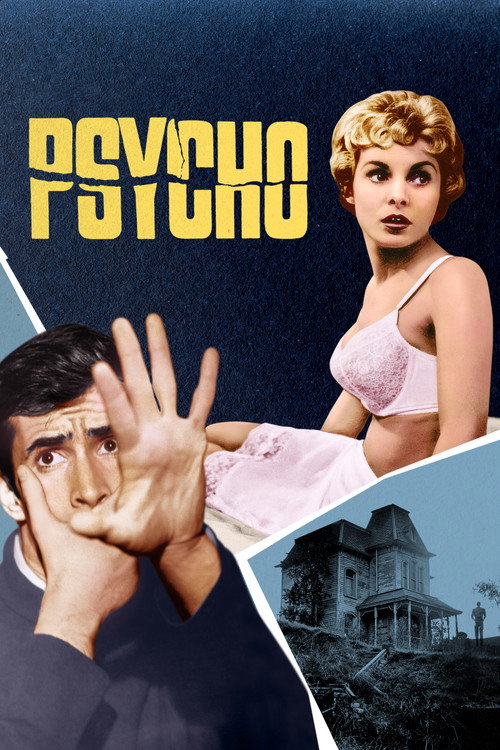
Psycho1960
Hitchcock's prototype for the damaged killer origin story. Sees trauma not as excuse but as inexorable engine. The shower scene remains untouchable, and the final psychological insight cuts deeper than any gore.
But Shot in black-and-white on a tight studio budget, so its power is psychological rather than visceral. Some find the pacing slow by modern standards.
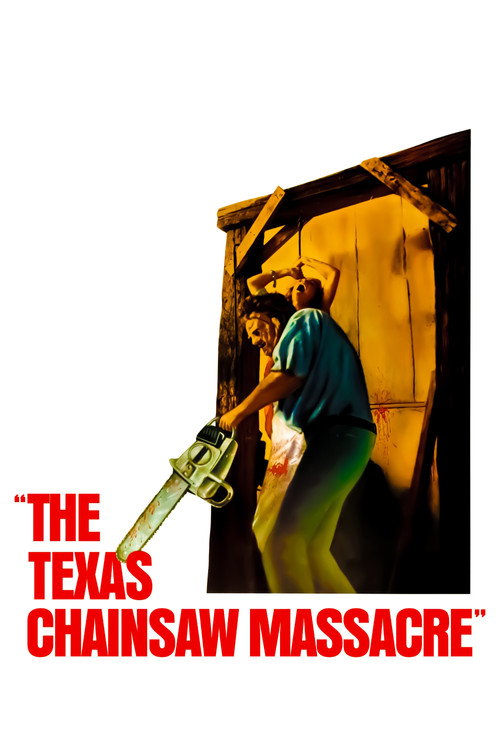
The Texas Chain Saw Massacre1974
Brutal, lean, unflinching look at violence as an inescapable fact rather than spectacle. Shot like a nightmare. Influenced every slasher that followed, including this one. Raw filmmaking at its most effective.
But Deliberately ugly and relentless. No comfort, no humor, no pause. The violence is implied as much as shown, which some find more disturbing than explicit gore.
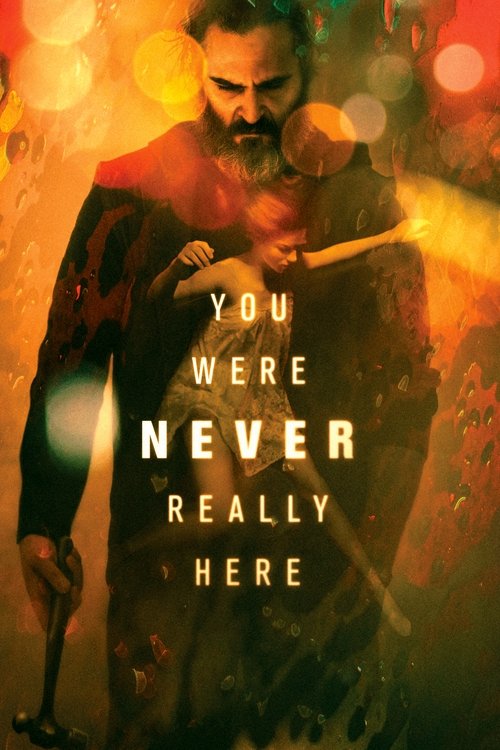
You Were Never Really Here2017
Lynne Ramsay's ravaged portrait of a traumatized man who becomes a weapon. Fractured, poetic, and genuinely distressing. Joaquin Phoenix gives perhaps his rawest performance. About healing and its impossibility.
But Experimental structure and heavy sound design can feel punishing. Some sequences are deliberately hard to parse. Not cathartic; it ends in sorrow.
Not sure tonight? Get a pick in a minute, starting from Silent Night, Deadly Night
The wildcard
Something you would not have found on your own.
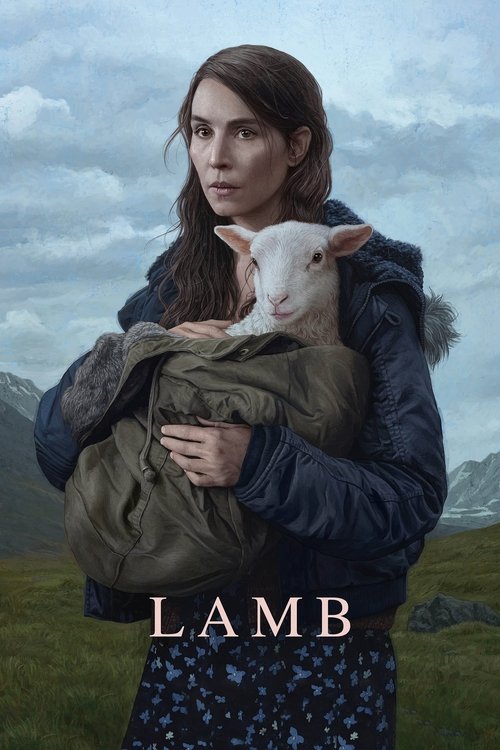
Lamb2021
Both use the Christmas/holy-day setting to probe what happens when parental love becomes toxic or impossible. Both ask whether someone broken by trauma can ever love cleanly.
Icelandic surrealist nightmare about grief, loss, and what we do to fill the void. A couple adopts something that shouldn't exist. Quiet, strange, and heartbreaking. Uses horror grammar to explore love's desperation.
But Deliberately oblique. Not a plot you can summarize. Atmosphere and dread over explanation. Fans of conventional narrative will be frustrated.
More like this (8)
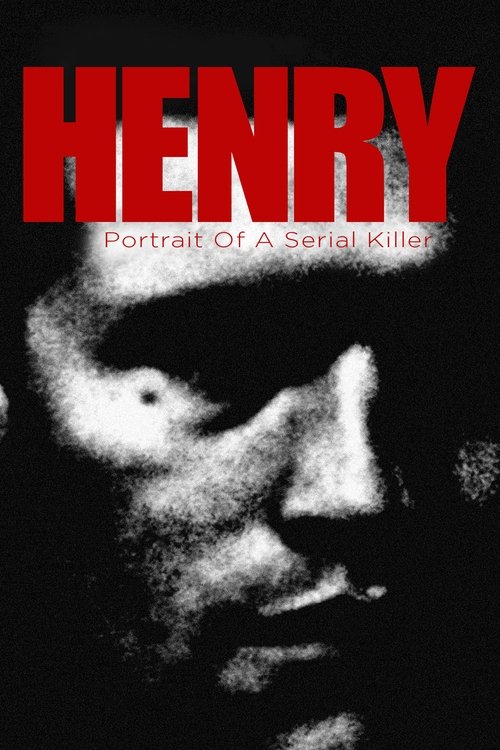
Henry: Portrait of a Serial Killer1986
Dexter before Dexter, but uglier and less forgiving. Shot like a true-crime documentary. Doesn't ask you to root for its protagonist or find meaning in his violence. Unforgettably bleak.
But No narrative comfort. It simply observes. Some viewers find it nihilistic and punishing rather than illuminating. The VHS aesthetic isn't for everyone.
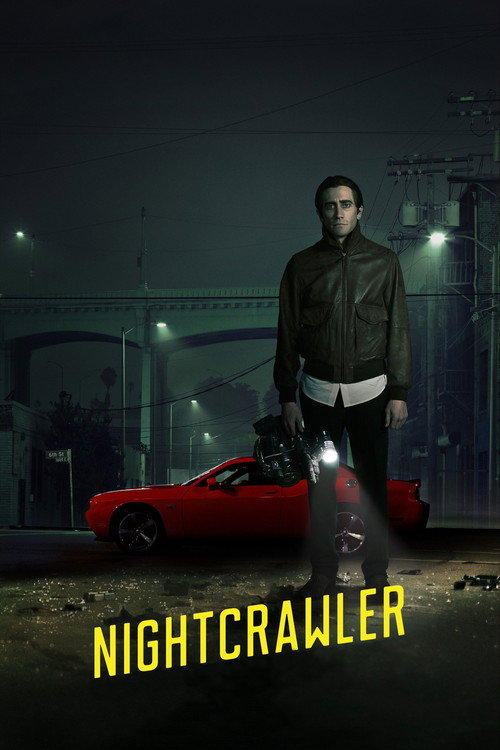
Nightcrawler2014
A man consumed by compulsion and entitlement, documenting violence he creates. Jake Gyllenhaal is magnetic and repellent. Moral rot dressed in ambition. The LA night cinematography is hypnotic.
But It's a slow-burn character study first, thriller second. Some find the protagonist so contemptible that empathy is impossible. Very of-the-moment 2014 Los Angeles.
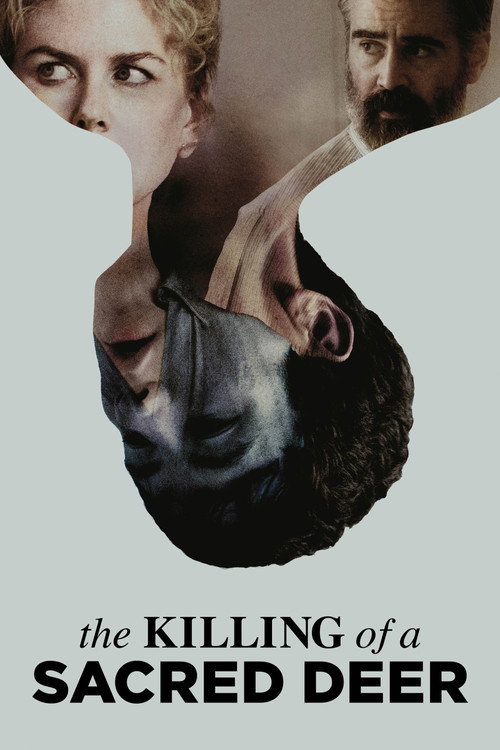
The Killing of a Sacred Deer2017
Yorgos Lanthimos asks: what does a man owe someone he's harmed? Existential dread wrapped in deliberate artifice. Unsettling moral algebra. Colin Farrell trapped in an impossible geometry.
But Formally cold and distancing by design. The dialogue sounds unnatural (it is intentionally). Some find this alienating rather than provocative.
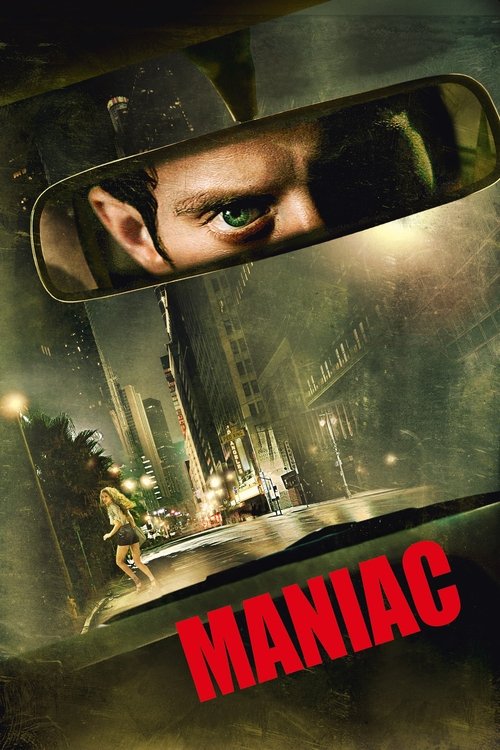
Maniac2012
Elijah Wood in a found-footage descent into the mind of someone broken beyond repair. Visceral and claustrophobic. Doesn't judge or psychoanalyze; it just lets you inhabit horror.
But Shot almost entirely in first-person POV. Relentlessly grim with no relief valve. Gore is extreme and personal. Not a 'watch with friends' experience.
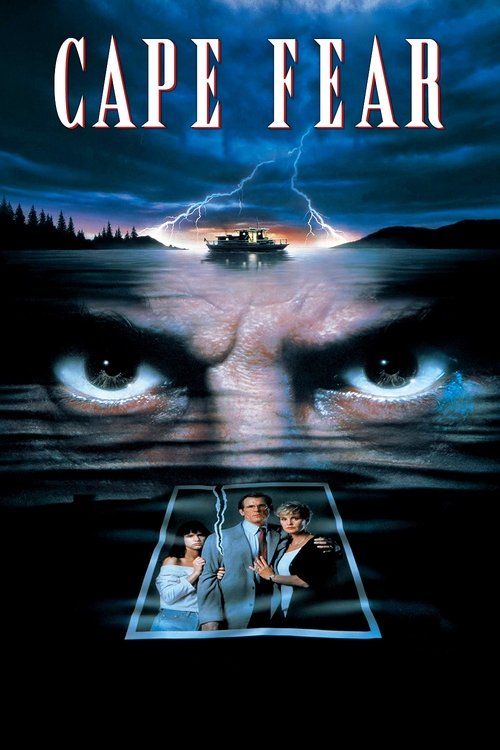
Cape Fear1991
Scorsese's remake explores trauma as contagion. Robert De Niro as barely-contained violence. The film asks whether protection and punishment ever actually protect. Operatic and deeply unsettling.
But Melodramatic at times; a few moments feel dated. The sexual violence is explicit and unpleasant. Some find its gender politics troubling by design.
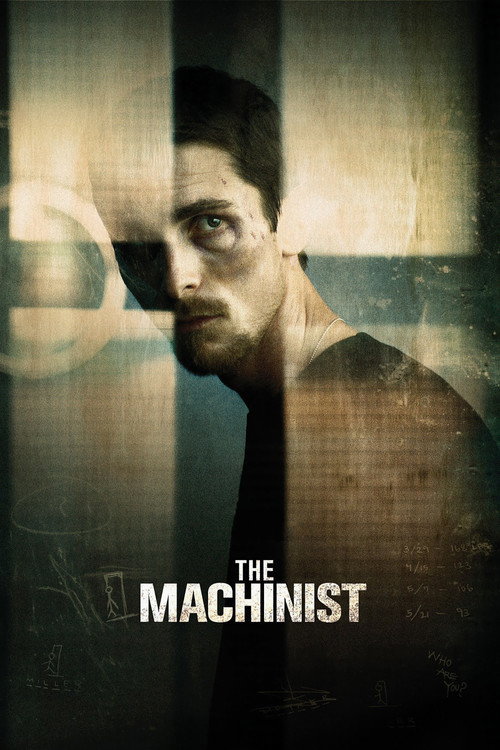
The Machinist2004
Christian Bale's skeletal performance as a man unraveling. Insomnia as gateway to moral breakdown. The twist recontextualizes everything. Grimy, industrial atmosphere that feels like a bad dream.
But Deliberately ugly and repetitive. The protagonist's arc is relentlessly downward. Some find it exploitative rather than tragic.
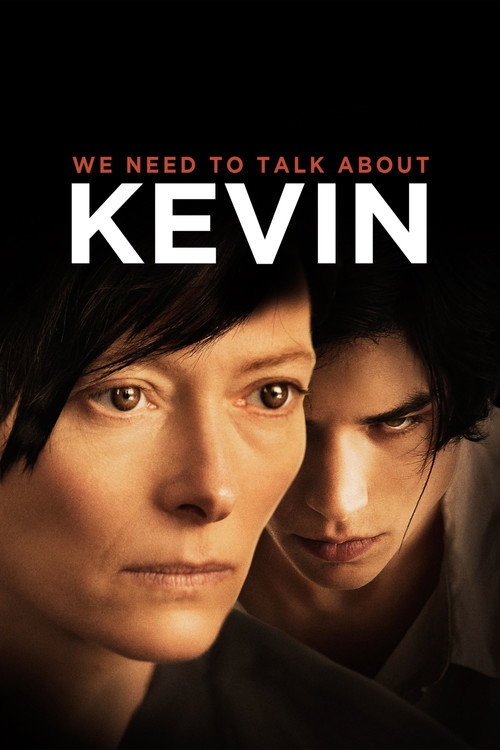
We Need to Talk About Kevin2011
Both are about people shaped by violence into killers, but this one asks: what did the people who loved them do? The Ramsay DNA is powerful — both prioritize emotional truth over catharsis.
Lynne Ramsay again, but this time about the mother of a killer. Fragmented, haunting, and it refuses easy answers about nature vs. nurture. Tilda Swinton delivering a masterclass in contained anguish.
But Extremely distressing. The crime itself is kept off-screen but the aftermath is everywhere. Slow and deliberately difficult. Will sit with you for days.
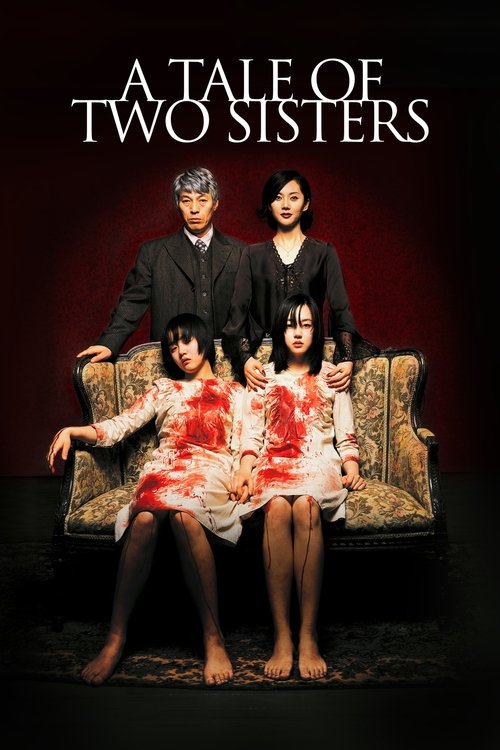
A Tale of Two Sisters2003
Both explore how childhood trauma reshapes you into someone unrecognizable. Both use the domestic space as a site of horror. Both refuse the comfort of explanation.
South Korean horror-fairytale about siblings returning home after trauma. Gorgeous, dread-soaked, and genuinely unsettling. The twist reframes everything you've seen. Proves horror can be both beautiful and cruel.
But Deliberately paced. The logic is dream-logic, not plot-logic. Relies on your willingness to sit in uncertainty. Some viewers find it too slow to be scary.
People
Cast
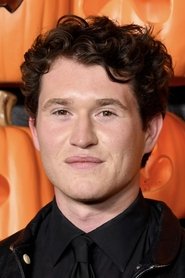 Rohan CampbellBilly Chapman
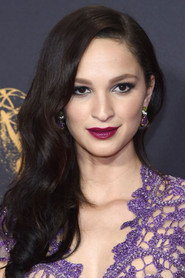 Ruby ModinePamela Sims
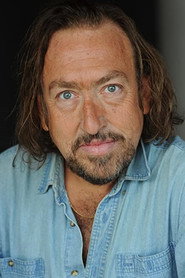 Mark AchesonCharlie (Shotgun Santa)
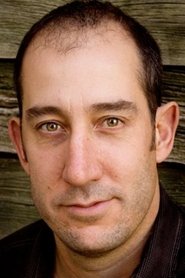 David Lawrence BrownDean Sims
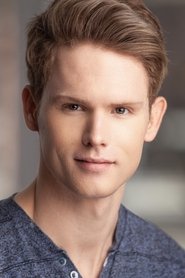 David TomlinsonMax Benedict
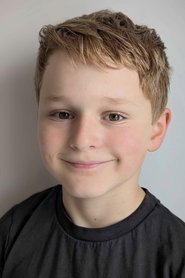 Logan SawyerYoung Billy
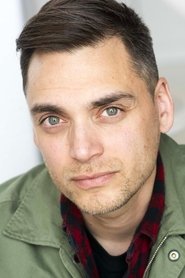 Erik AthavaleGeoffrey Chapman
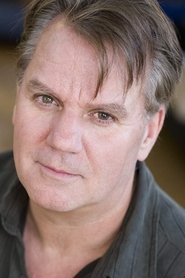 Rick SkeneElroy (The Snatcher)
- James DurhamHarold
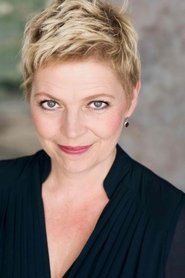 Sharon BajerDelphine Anderson
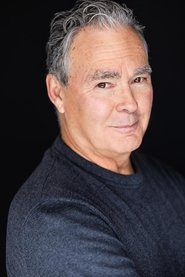 Tom YoungGeorge Vilmo
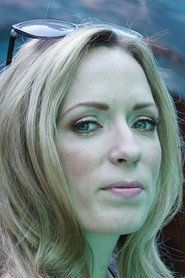 Krystle SnowTara Chapman
Directing
- Mike P. NelsonDirector
- Reed MakayevFirst Assistant Director
- Colton UnruhScript Supervisor
- Cody McCulloughSecond Assistant Director
- Lisa Nelson-FriesThird Assistant Director
Writing
- Michael HickeyOriginal Film Writer
- Paul CaimiOriginal Story
- Mike P. NelsonWriter
Production
- Edlin MarieAssistant Production Coordinator
- Jim HeberCasting
- Carter MalegusCo-Executive Producer
- Eric HandlerCo-Executive Producer
- Garrett RatcliffCo-Executive Producer
- Ibrahim MohammedCo-Executive Producer
- Anthony MasiExecutive Producer
- Brad MiskaExecutive Producer
- Brandon HillExecutive Producer
- Erick OpekaExecutive Producer
- Grady CraigExecutive Producer
- Jed BenedictExecutive Producer
- Luke TaylorExecutive Producer
- Matthew HeldermanExecutive Producer
- Sarah EiltsExecutive Producer
- Steven SchneiderExecutive Producer
- Victor ZimmermanExecutive Producer
- Yolanda MaciasExecutive Producer
- Carly LaneFirst Assistant Accountant
- Tanya BrunelLine Producer
- Karen TusaLocation Manager
- Twylla VerwymerenLocation Production Assistant
- Dennis WhiteheadProducer
- Erik BernardProducer
- Jamie R. ThompsonProducer
- Jeremy TorrieProducer
- Scott J. SchneidProducer
- Tanya BrunelProducer
- Samantha WoodleyProduction Accountant
- Cam HallasProduction Coordinator
- Laura NeufeldProduction Manager