
Film
The Zodiac Killer
- Serial killer
- Mystery
- Crime thriller
- Very dark
A 1971 exploitation thriller capitalizing on the real Zodiac murders terrorizing San Francisco. It's grimy, paranoid, and aggressively cheap-looking—think documentary urgency filtered through drive-in sensationalism. For viewers interested in how Hollywood immediately sensationalizes true crime, and who don't mind low-budget '70s filmmaking as an aesthetic choice.
If you liked this
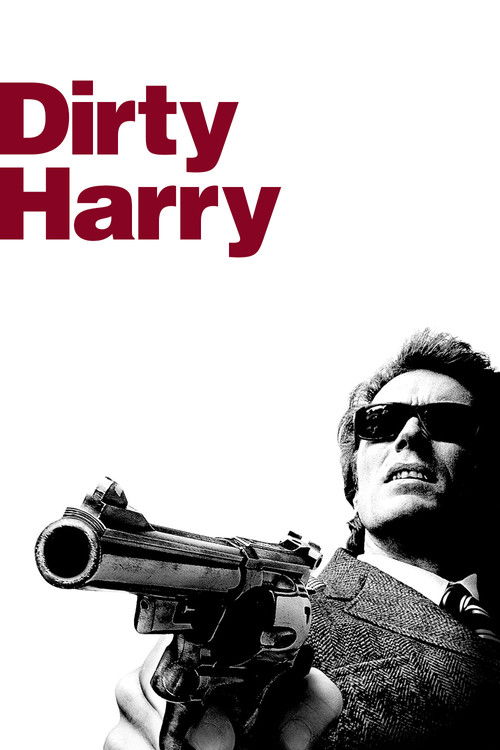
Dirty Harry1971
Released the same year, it's the prestige version of the San Francisco serial killer story. Clint Eastwood's methodical cop versus a taunting killer. This is what happens when you have a real budget and Siegel directing.
But The film has aged into something different from what it was—its politics are thornier than they initially seem, and some viewers find Eastwood's righteousness suffocating.
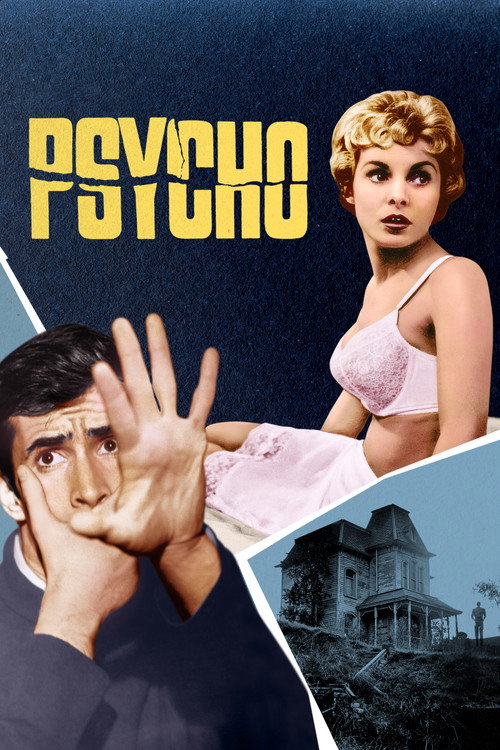
Psycho1960
The template for the modern psycho-thriller. Hitchcock's control over suspense and his casual revelation of the killer's identity halfway through rewrote what audiences expected from the genre.
But It's been imitated so thoroughly that the originals can feel familiar. Also, Hitchcock's famous shower scene gets repeated in every discussion, which might oversell the film's actual content.
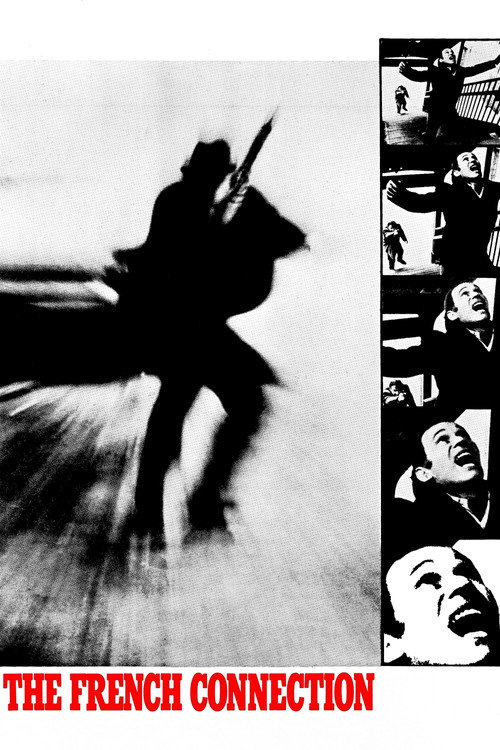
The French Connection1971
Another 1971 crime procedural, but one that won Best Picture. Gritty, documentary-like, and genuinely interested in how police work actually happens—the waiting, the paperwork, the frustration.
But Gene Hackman's obsessiveness can read as performative to modern eyes. The film is methodical in ways that require patience from viewers used to faster cutting.
Not sure tonight? Get a pick in a minute, starting from The Zodiac Killer
The wildcard
Something you would not have found on your own.
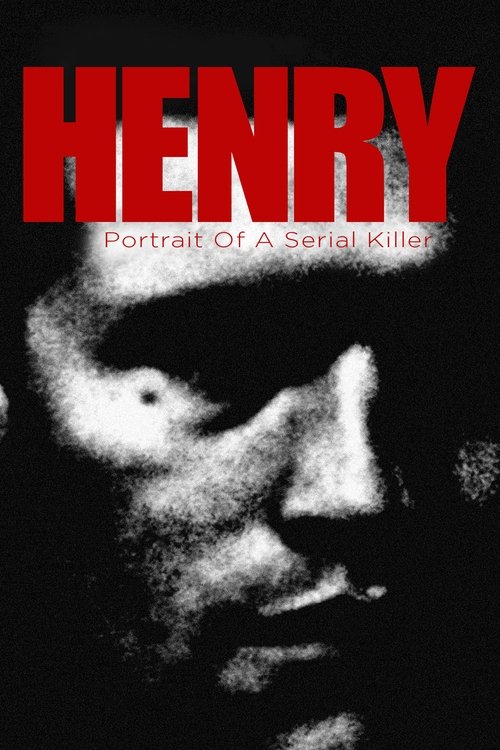
Henry: Portrait of a Serial Killer1986
Both films exploit true crime for entertainment, but Henry inverts the dynamic entirely. Instead of the police hunting a mysterious killer, you live inside the killer's crushing ennui. One sensationalizes; the other deadens.
Shot in '86 but set in the immediate present, it documents the daily life of a real serial killer with horrifying matter-of-factness. No score, no dramatization, no camera manipulation. The horror is the ordinariness. It's what you get when you refuse to make the killer interesting.
But It's genuinely difficult to watch—not because of gore but because it denies you the psychological distance exploitation usually provides. Some viewers feel complicit. It's bleak beyond recovery.
More like this (8)
M1931
Lang's German masterpiece about the hunt for a child murderer. It invented the language of the police procedural and introduced the idea that the killer might be sympathetic. Everything descends from this.
But Black-and-white 1931 pacing. Some viewers find the ending's moral ambiguity more interesting than its execution, and the film doesn't deliver conventional justice.

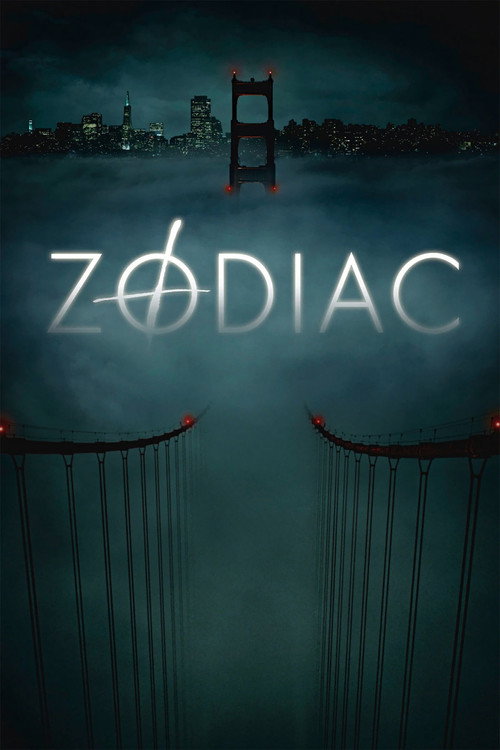
Zodiac2007
Fincher's obsessive reconstruction of the Zodiac case itself. Methodical, visually precise, and more interested in the psychology of obsession than in catching the killer. A masterclass in procedural filmmaking.
But Nearly three hours long and deliberately circular—the case is never solved. If you want closure or action, this will frustrate you. Some find it cold.
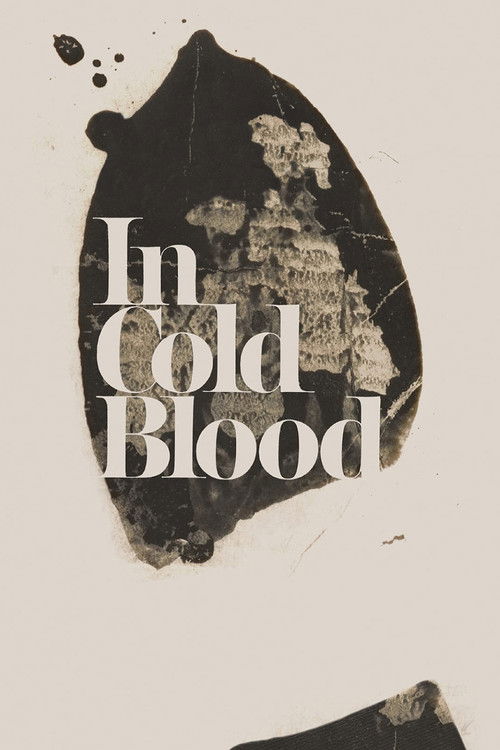
In Cold Blood1967
Based on Capote's nonfiction novel about the Clutter family murders. Black-and-white, severe, genuinely haunting. It treats the crime with gravity and the criminals with humanity in ways that exploitation films can't match.
But Slow and meditative rather than thrilling. The documentary approach means long passages of quiet observation rather than constructed suspense.
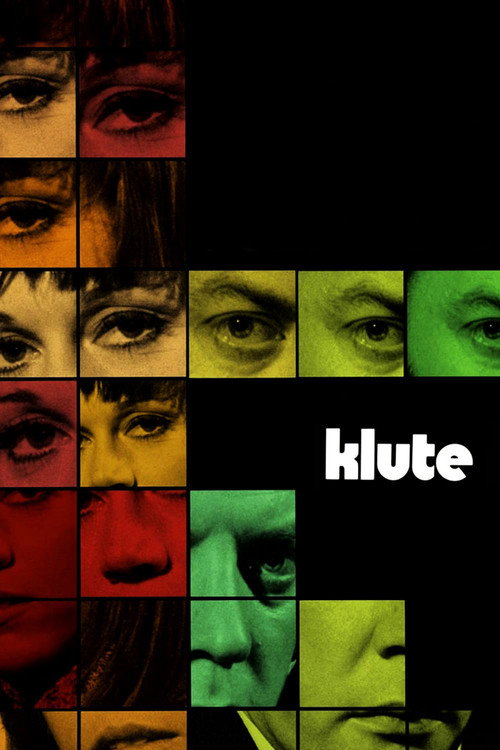
Klute1971
Jane Fonda as a call girl entangled in a serial killer investigation. Paranoid, atmospheric, and genuinely unsettling. It understands that the real horror is the vulnerability of being watched.
But The plot is secondary to mood, which some viewers find frustrating. Pakula's direction is deliberately slow-building, not immediately gratifying.
The Killing1956
Kubrick's debut: a heist film told in fractured time about criminals and police circling each other. Lean, smart, and visually inventive in ways that feel modern even now.
But The structure demands attention—it's told out of order and you have to track multiple timelines. Viewers wanting straightforward storytelling may lose patience.

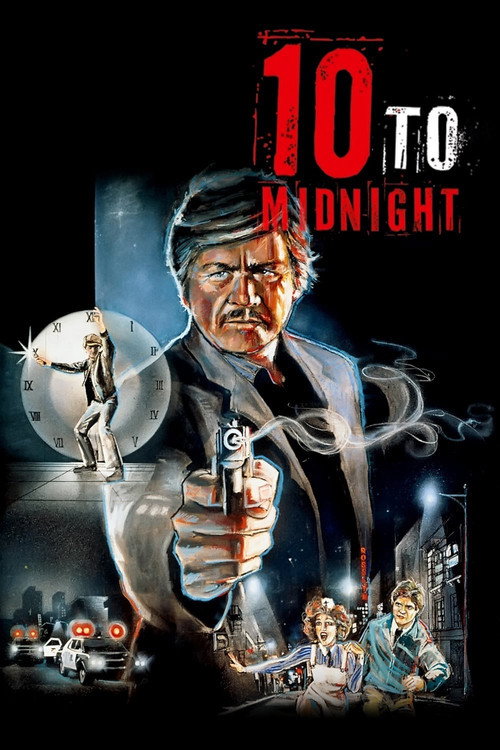
10 to Midnight1983
Charles Bronson as an aging cop hunting a serial killer who believes clothes are evil. It's lurid, competent, and unapologetic about what it is—a police procedural that doesn't pretend to be anything grander.
But It's purely a B-movie. If you need the prestige of a 'significant' film, this won't provide it. The killer's psychosis is treated as backdrop rather than explored with depth.
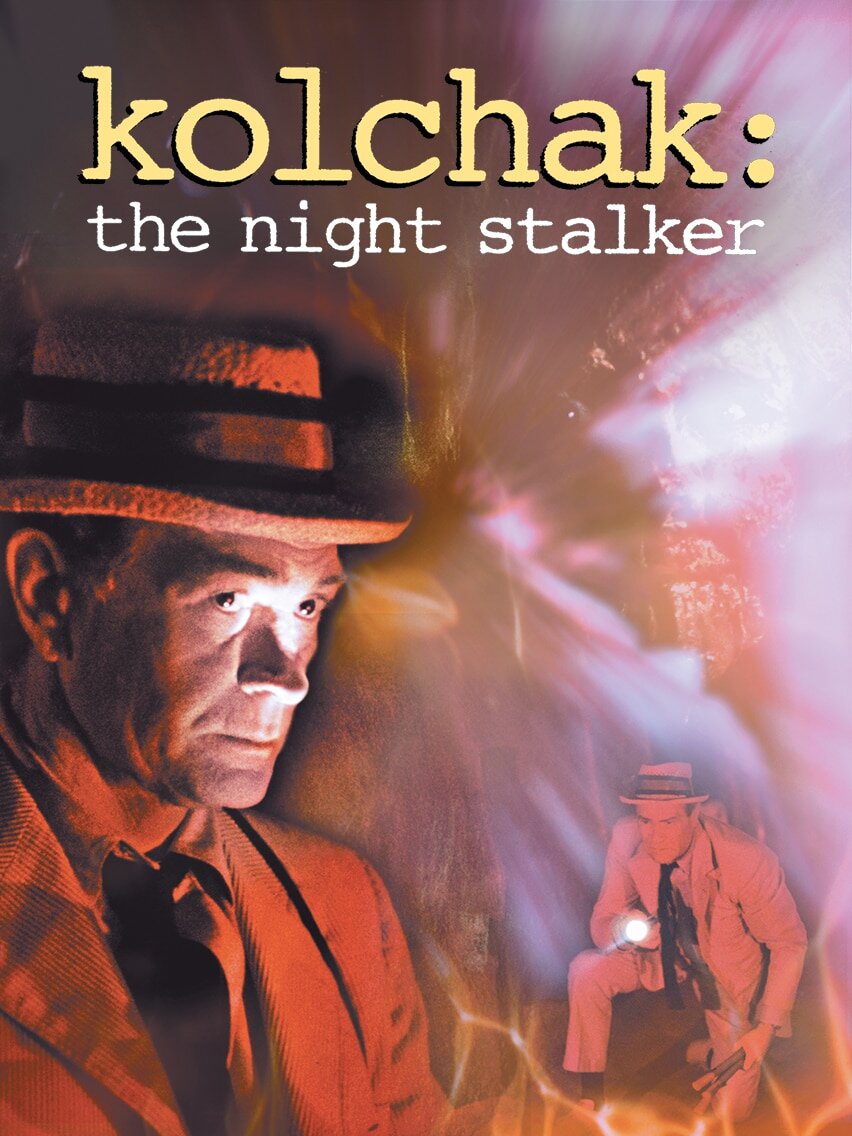
Kolchak: The Night Stalker1972
Same era, same paranoid tone, same sense that the establishment is either incompetent or complicit. But this one adds the supernatural—a wildcard move that suggests the real horror isn't a man but something the rational world can't process.
Darren McGavin as a crime reporter investigating supernatural occurrences the police dismiss. Weekly episodes of excellent paranoia and mood. It looks cheap but it's smart, and McGavin is excellent—a precursor to The X-Files that nobody mentions anymore.
But It's a 1970s TV series, so the pacing is glacial by modern standards. Each episode is 50 minutes but structured as if it's 25. You need patience and a willingness to let atmosphere build slowly.
Possession1981
The Zodiac film treats serial murder as procedural mystery. Possession treats obsession and violence as the inevitable product of intimate damage. Both are about people who kill, but one asks 'Who?' and the other asks 'What does it mean?' Different questions, entirely different films.
Andrzej Żuławski's apocalyptic horror-thriller about a marriage collapsing into violence and obsession in divided Berlin. It's visually stunning, genuinely disturbing, and utterly singular. The killer here isn't a mystery but a consequence of psychological damage made visible.
But It's a Polish-French art-horror film that treats narrative as a secondary concern. The dialogue is sometimes impenetrable, the structure is deliberately chaotic, and it has no interest in conventional thrills or resolution.

People
Cast
- Hal ReedJerry
- Bob JonesGrover
- Ray LynchSgt. Pittman
- Mary DarringtonFirst Murder
- Ed QuigleyTony
- Bertha DahlMrs. Crocker
- Dion MarinkovichHelen
- Gloria GunnMarilyn
- Richard StylesJudd
- Manny CardozaHippy
Directing
- Manny CardozaAssistant Director
- Tom HansonDirector
Writing
- Manny CardozaScreenplay
- Ray CantrellScreenplay
Production
- Matt MarinkovichAssociate Producer
- Werner MaahsAssociate Producer
- Tom HansonProducer
- Emanuel NedwickProduction Manager