
Film
The Body Snatcher
A taut 1945 horror-thriller set in 1831 Edinburgh, where a cab driver and former grave robber blackmails the doctor who betrayed him into a ghoulish partnership. Karloff and Lugosi crackle with malice in tightly wound scenes of moral decay and escalating dread. It's a character study wrapped in gothic menace—intimate, claustrophobic, deeply unsettling.
Should you watch it?
Watch it if you like period horror that builds its dread through cold talk and moral rot rather than jump scares, and you enjoy watching two old-school actors circle each other in a tense, grubby Edinburgh.
Skip it if you need fast pacing or gore, since this is a stately, talky 1940s studio piece with modest scares and shadows doing most of the work.
What it asks of you: A short seventy-eight minutes, unfolding at an unhurried clip, with dread that accumulates slowly and rewards attention paid to the quieter scenes.
Not sure? Find tonight's pick in a minute.
If you liked this
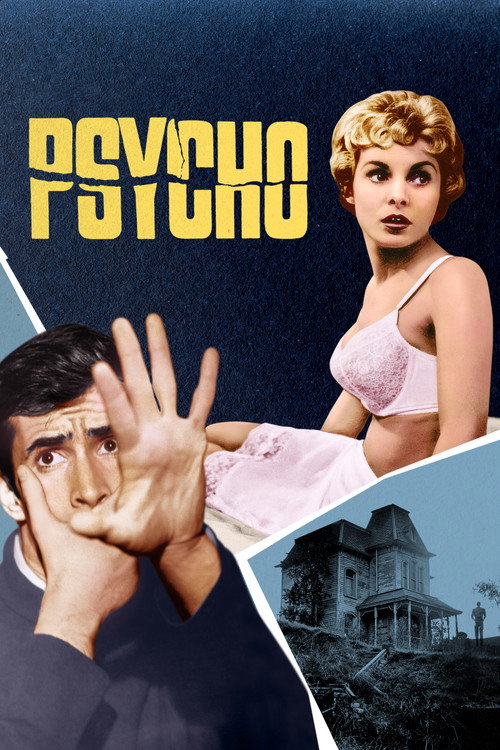
Psycho1960
Hitchcock's masterpiece of psychological horror, where a motel owner's fractured mind and a missing woman collide in a shower scene that rewrote cinema. The paranoia and moral ambiguity echo Body Snatcher's exploration of corruption.
But The pacing feels deliberate by modern standards, and the psychiatrist's explanation at the end deflates some of the mystery.
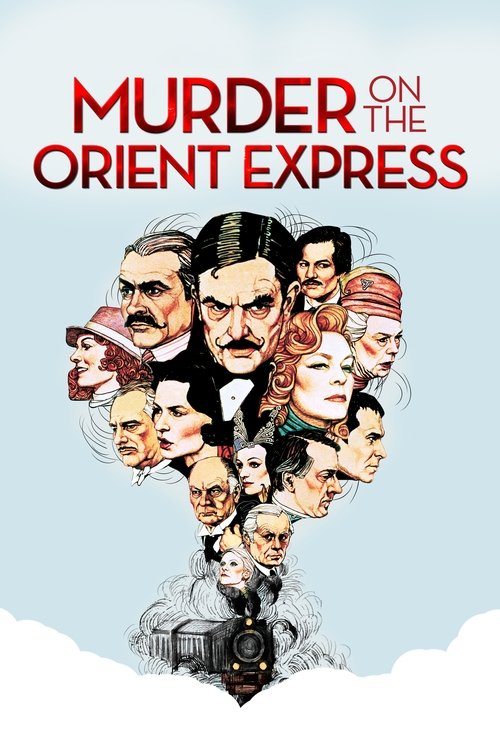
Murder on the Orient Express1974
Poirot assembles suspects on a snowbound train to untangle a web of guilt and complicity. Like Body Snatcher, it's fascinated by how ordinary people justify terrible acts and hide behind respectability.
But It's a puzzle-box mystery, not a thriller—if you hate Agatha Christie's solution-dependent plotting, this won't convert you.
In a Lonely Place1950
Bogart as a volatile screenwriter suspected of murder, his reputation crumbling in the eyes of those who love him. A chamber piece about accusation, suspicion, and the ease with which you can be damned by circumstance.
But The fatalism is unrelenting, and the ending won't satisfy anyone hoping for redemption or answers.

Not sure tonight? Get a pick in a minute, starting from The Body Snatcher
The wildcard
Something you would not have found on your own.
M1931
Both are obsessed with how guilt spreads through a community, how the guilty and innocent blur, and how desperation justifies unspeakable compromises.
Fritz Lang's masterpiece about a city hunting a child murderer: the police, the underworld, and ordinary citizens all closing in. It's Body Snatcher's moral twin—a meditation on guilt, complicity, and who gets to judge whom, with a monster at the center that we almost understand.
But The climactic kangaroo court is disturbing and morally unresolved in ways that feel bleak rather than cathartic.
More like this (8)
The Killers1946
Two contract killers track a boxer who doesn't bother running from them. Siodmak's direction is luminous noir; the moral universe is rotten top to bottom, and everyone knows it.
But The narrative jumps around in time, which can feel choppy if you're not settling into its rhythm.

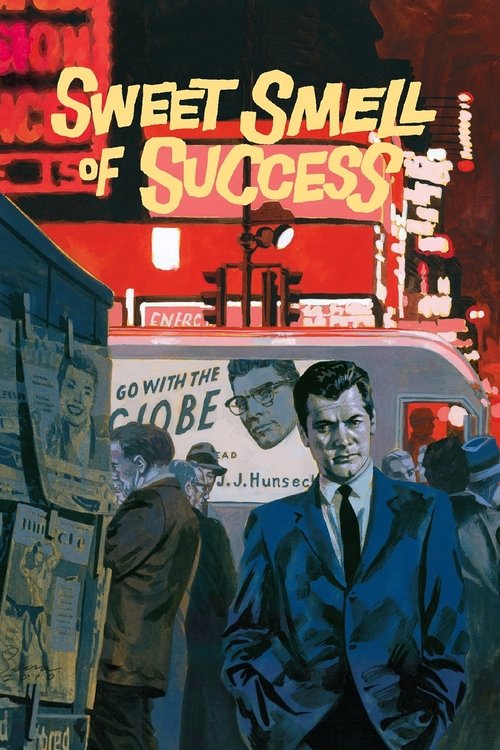
Sweet Smell of Success1957
A press agent and a gossip columnist wage psychological warfare in Manhattan's theater district. Corrosive, quotable, brilliantly nasty—two men locked in a toxic dance of exploitation and spite.
But The cynicism is total and unearned-feeling if you don't connect with the characters' motivations or the New York milieu.
Rope1948
Hitchcock's real-time chamber play about two murderers hosting a dinner party with the corpse hidden in a chest nearby. Claustrophobic and verbal, it's all performance and hidden guilt, like watching a play tighten around your throat.
But The gimmick of continuous takes can feel theatrical rather than cinematic, and the confined setting isn't for anyone needing spectacle.

The Third Man1949
In post-war Vienna, an American writer uncovers a web of black-market intrigue and betrayal while searching for his old friend. Magnificent cinematography and a moral maze where no one is innocent.
But It's deliberate and atmospheric rather than plot-driven; if you need clarity and forward momentum, it will frustrate you.

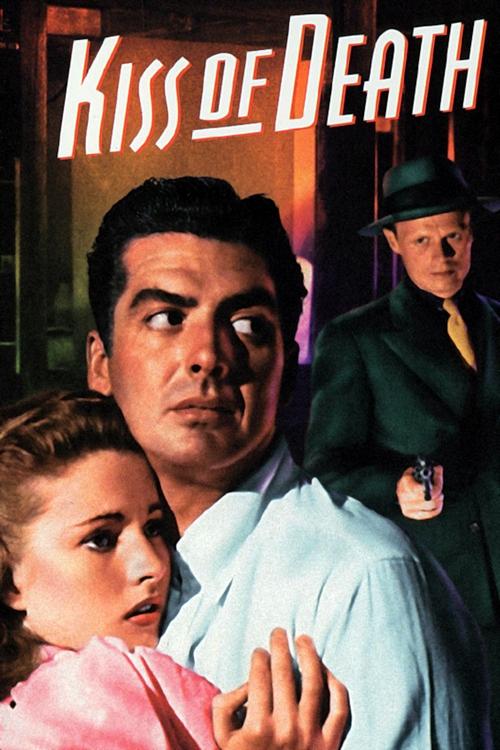
Kiss of Death1947
An ex-con forced to inform on his underworld associates must navigate between the mob and the cops. Gritty, tense, and genuinely morally murky—everyone has something to lose.
But The print quality is often poor, and some of the pacing feels dated; it's a film that requires patience and goodwill.
The Lodger: A Story of the London Fog1927
Hitchcock's silent debut about a mysterious tenant suspected of being a serial killer. A purely visual suspense film where every shadow and glance matters, and paranoia spreads like contagion through a household.
But It's silent with intertitles, which is a genuine barrier; the social anxiety at its core won't resonate with everyone.

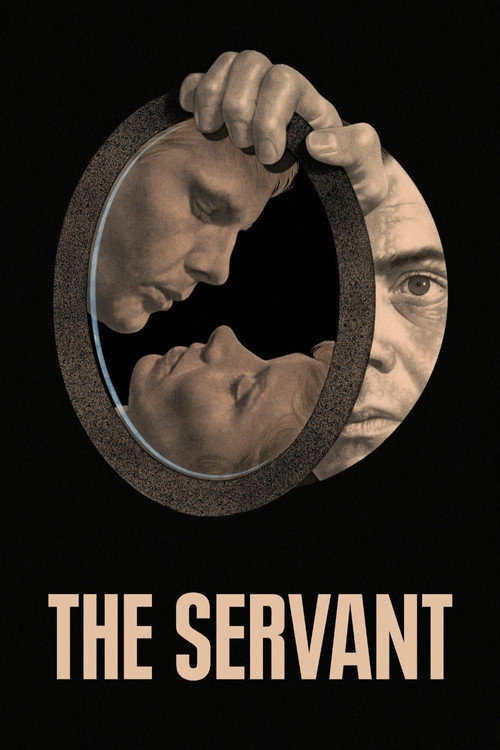
The Servant1963
Like Body Snatcher, it's a two-hander about blackmail, corruption, and one man's ability to hold another hostage through knowledge and proximity. Both watch power drain away through small, poisonous moments.
A wealthy man hires a charming valet who slowly inverts their power dynamic through psychological manipulation and sexual intrigue. British, elegant, and deeply nasty—a salon piece about dominance and servitude that becomes genuinely sinister.
But It's sexually charged and morally provocative in ways that can feel dated or provocative for the wrong reasons; the class dynamics require active engagement.
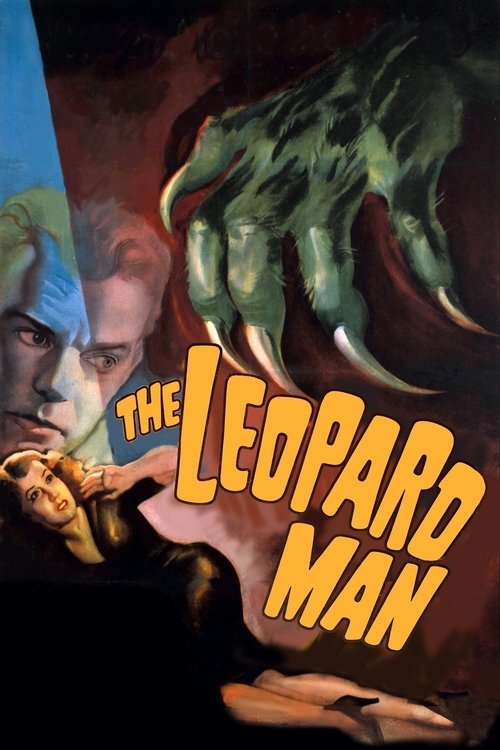
The Leopard Man1943
Both explore how a lie or a scheme metastasizes into something real and uncontrollable, and how men rationalize complicity. Tourneur shares Wise's interest in moral ambiguity wearing the mask of normal life.
A publicity stunt—releasing a leopard in New Mexico—spirals into real murders. Jacques Tourneur directs a strange, atmospheric film that's barely a thriller, more a study in paranoia and the thin line between spectacle and catastrophe.
But It's oblique and atmospheric rather than narrative-driven; the plot meanders, and there's no traditional climax or resolution.
People
Cast
 Boris KarloffJohn Gray
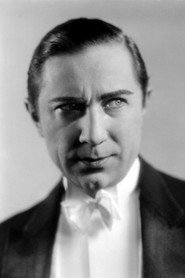 Bela LugosiJoseph
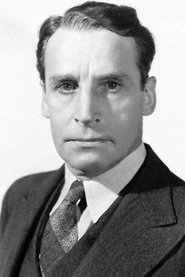 Henry DaniellDr. Wolfe 'Toddy' MacFarlane
 Edith AtwaterMeg Camden
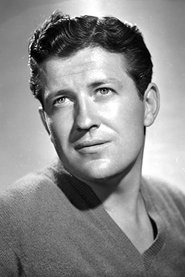 Russell WadeDonald Fettes
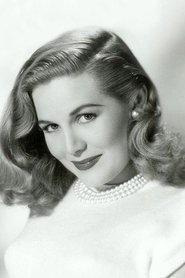 Rita CordayMrs. Marsh
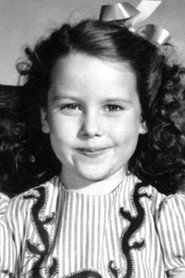 Sharyn MoffettGeorgina Marsh
 Donna LeeStreet Singer
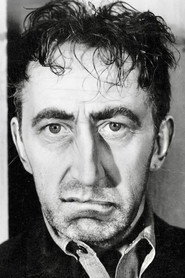 Ted BillingsTownsman (uncredited)
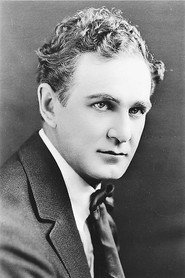 Bobby BurnsMourner (uncredited)
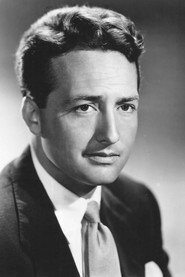 Robert ClarkeRichardson - Medical Student (uncredited)
- Aina ConstantMaidservant (uncredited)
Directing
- Harry ScottAssistant Director
- Robert WiseDirector
Writing
- Philip MacDonaldScreenplay
- Val LewtonScreenplay
- Robert Louis StevensonShort Story
Production
- Jack J. GrossExecutive Producer
- Val LewtonProducer