
Film
Aalavandhan
- Psychological thriller
- Crime
- Very dark
A Tamil psychological thriller about two brothers fractured by childhood trauma, one spiralling into violent delusion. Kamal Haasan in a dual role anchors a dark, grimy exploration of how abuse echoes through generations. Visually audacious and genuinely unsettling—this is art-house thriller territory dressed in mainstream clothes.
Should you watch it?
Watch it if you like psychological thrillers that stay with a disturbed mind, where the menace comes from a character's fractured logic and a performer carrying two very different halves of one story.
Skip it if you want a lean, brisk thriller, since at nearly three hours and with a melodramatic streak it lingers and can feel overwrought.
What it asks of you: Expect nearly three hours of patience, a slow-building unease that gathers before it breaks open, and a willingness to sit with a mind coming apart.
Not sure? Find tonight's pick in a minute.
If you liked this
Memories of Murder2003
A Korean masterpiece about a serial killer investigation that uses genre mechanics to examine systemic failure and moral corruption. Like Aalavandhan, it's a thriller that trusts you to sit with dread and ambiguity rather than resolve it neatly.
But Methodical and bleak, with a three-hour runtime that doesn't rush. The mystery isn't there to be solved cleanly—it's there to haunt you.

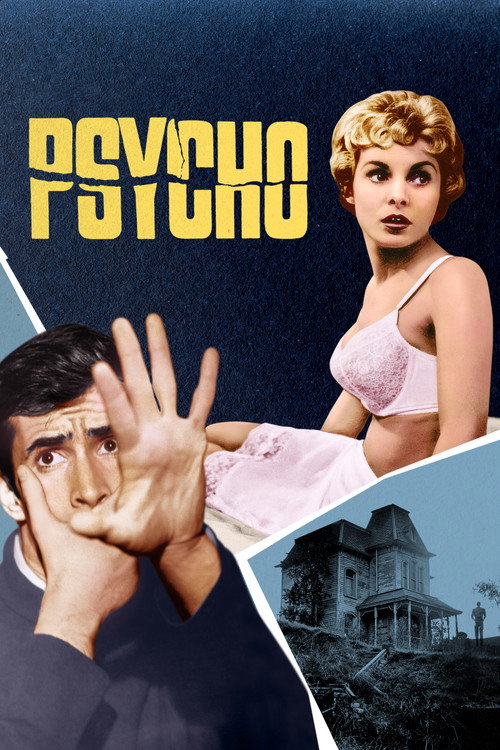
Psycho1960
Hitchcock's dissection of how trauma creates monsters, told with surgical precision and genuine terror. Both films pivot on the revelation that the killer is someone fractured by what was done to them, not born evil.
But The black-and-white cinematography and 1960s pacing will feel remote to some. The shower scene has been homaged to death, which dulls its initial impact.
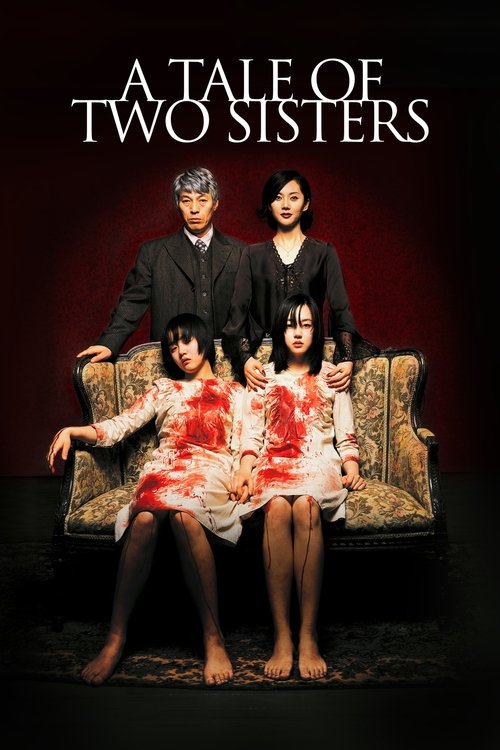
A Tale of Two Sisters2003
A South Korean horror-thriller about sisters haunted by family violence and warped memory. Like Aalavandhan, it uses visual language and subjective perspective to make you doubt what you're actually seeing.
But Deliberately cryptic in its narrative logic. If you need the film to explain itself clearly, you'll leave frustrated.
Not sure tonight? Get a pick in a minute, starting from Aalavandhan
The wildcard
Something you would not have found on your own.
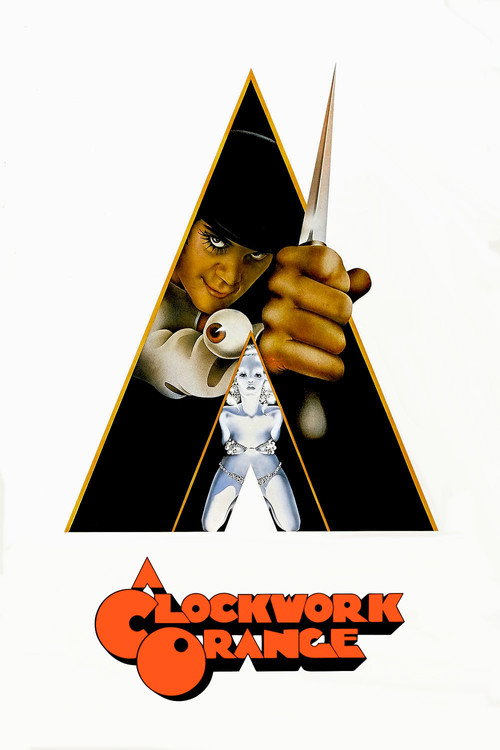
A Clockwork Orange1971
Both films use visual virtuosity and moral discomfort as tools to examine how trauma and cruelty propagate through systems—family, state, society. Neither offers catharsis or clean redemption.
Kubrick's uncompromising study of violence, free will, and state brutality. Like Aalavandhan, it's a film that refuses to make violence digestible or morally tidy—it's interested in the systems that create monsters, not excusing them.
But Genuinely difficult to watch: rape, assault, and degradation are depicted with a detachment that some experience as obscene rather than artistic. It's a provocation by design.
More like this (8)
Black Swan2010
Darren Aronofsky's descent into a dancer's fractured psyche—claustrophobic, gorgeous, and genuinely disturbing. It shares Aalavandhan's willingness to blur reality and madness without apology.
But Heavy on body horror and obsessive repetition. It can feel self-consciously artful in a way that distances rather than draws you in.

Requiem for a Dream2000
An unflinching portrait of addiction and psychological unraveling across four lives. Like Aalavandhan, it's visually inventive in service of genuine psychological pain, not showiness.
But It's punishing to watch. The film wants you to feel trapped and broken by the end, and it succeeds—which some see as the whole point and others see as exhausting.

Raging Bull1980
Scorsese's black-and-white study of a violent man destroying everyone around him through jealousy and rage. The portrait of male aggression rooted in insecurity and self-loathing is unforgettable.
But The brutality is relentless and often ugly. The boxing sequences blur together, and the protagonist is deeply unlikeable—the film asks a lot of patience.

Come True2020
A low-budget sci-fi thriller about a sleep study that descends into nightmare logic. It shares Aalavandhan's commitment to visual strangeness and the idea that consciousness itself can become a trap.
But Deliberately vague about what's actually happening. Some will find it pretentious; others will find it poetic. There's little middle ground.

Under the Skin2014
Jonathan Glazer's alien-predator study of seduction and consumption. Hypnotic and deeply strange, it trusts you to sit with its logic rather than explain it in dialogue.
But Glacial pacing and minimal plot. Long stretches ask you to feel mood and dread without conventional narrative momentum to push you forward.

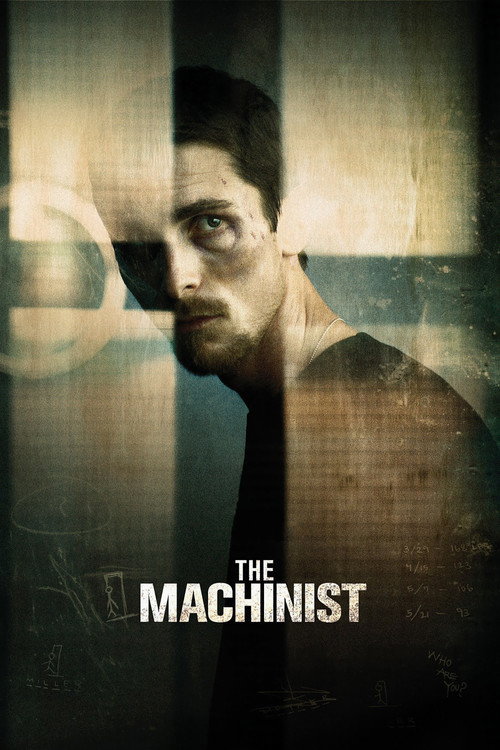
The Machinist2004
Christian Bale's skeletal descent into guilt-induced paranoia and self-destruction. A compact, efficient thriller about how conscience can hollow a man from the inside.
But Its brevity (101 minutes) can feel rushed, and the twist relies on you buying into fairly contrived psychology.
Tokyo Story1953
Both films are essentially about how the past lives in the present body—how what happened to us as children determines who we become. Aalavandhan explores this through violence; Tokyo Story through resignation. Same wound, different register.
Ozu's meditation on family fracture and the quiet devastation of distance and time. Nothing happens, and everything changes. It's perhaps cinema's greatest portrait of how childhood shapes us irreversibly.
But Deceptively slow. No plot, no music, no dramatic arc. If you're expecting narrative momentum, you'll be bored before the twenty-minute mark.

Possession1981
Both films use visual distortion and subjective cinematography to put you inside a fractured mind. Both treat mental illness not as a plot problem to be solved but as a state to be inhabited and endured.
Andrzej Żuławski's hallucinogenic nightmare about a marriage collapsing into madness and metaphysical horror. Shot like a fever dream, it treats psychological breakdown as literally grotesque and beautiful.
But Deliberately incomprehensible in places. The allegory is intentionally obscure, and some sequences exist purely to unsettle rather than clarify. Isabelle Adjani's performance is extraordinary and exhausting.

People
Cast
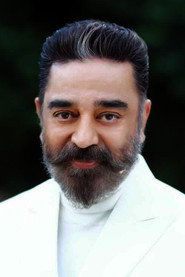 Kamal HaasanNandu / Vijay
 Raveena TandonTejaswini
 Anu HasanPriya
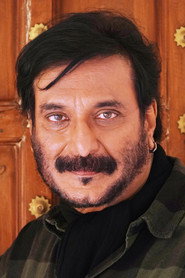 Milind GunajiLt. Col. Santhosh Kumar
 Kitu GidwaniJayanthi
 Manisha KoiralaSharmilee
 Gollapudi Maruti RaoPsychiatrist
 Shri Vallabh VyasDr. Srinivasa Rao (Hindi)
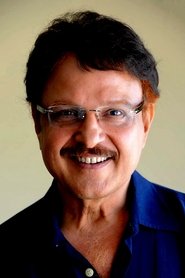 Sarath BabuTejaswini's Father
 Navin NischolRavinder (Hindi)
 Fathima BabuTejaswini's mother
 Smita JaykarGeeta (Hindi)
Directing
- A. R. RajasekarAssistant Director
- Suresh KrissnaDirector
Writing
- Kamal HaasanDialogue
- Javed AkhtarLyricist
- VairamuthuLyricist
- Kamal HaasanNovel
- Kamal HaasanScreenplay
- Kamal HaasanStory
Production
- S. ThanuProducer