
Television series
Ratched
- Drama
- Very dark
A stylish, unsettling origin story of nursing's most notorious villain. Sarah Paulson commands every frame as Mildred Ratched, a woman whose competence masks something far darker. Visually stunning and morally ambiguous, it's a descent into corruption that's as elegant as it is disturbing. For fans of antiheroes and psychological manipulation.
Should you watch it?
Watch it if you enjoy handsomely mounted period dramas that lean into lurid melodrama, with rich colour, a sinister score and a lead performance that keeps you guessing about her motives.
Skip it if you want a faithful, restrained take on the novel; this is a stylised prequel that runs hot, often gleefully, and its gore and camp can feel like a lot for a quiet evening.
What it asks of you: Eight episodes of roughly under an hour each, with a deliberate, layered build and a steady tolerance for graphic cruelty and dark, unsettling imagery.
Not sure? Find tonight's pick in a minute.
If you liked this
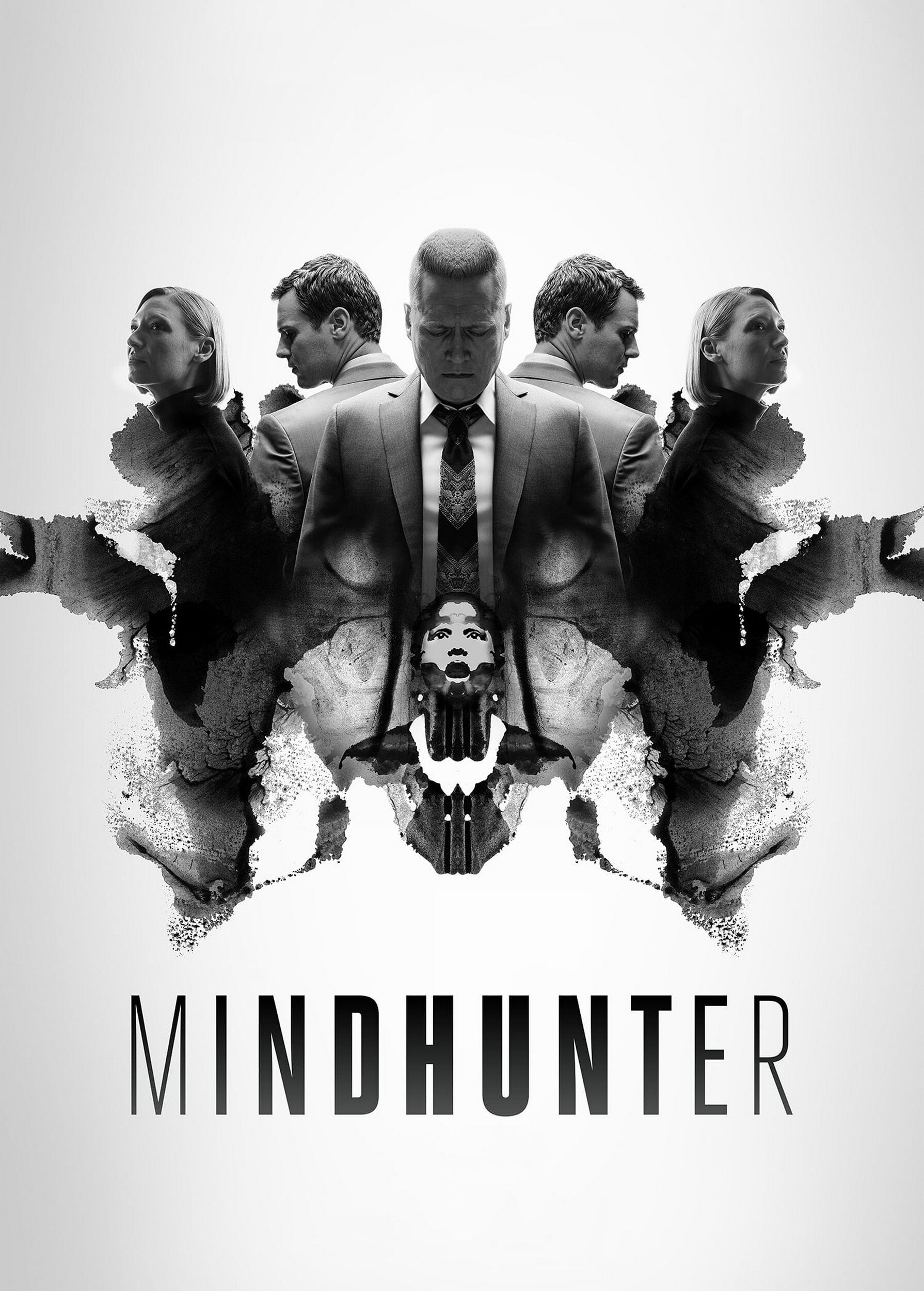
MINDHUNTER2017
Another prestige thriller about brilliant people studying criminal psychology, with the same deliberate pacing and attention to period detail. Explores how obsession with understanding evil can warp those doing the studying.
But Slow-burn procedural that requires patience; some viewers find the second season meandering. Demands your full attention.
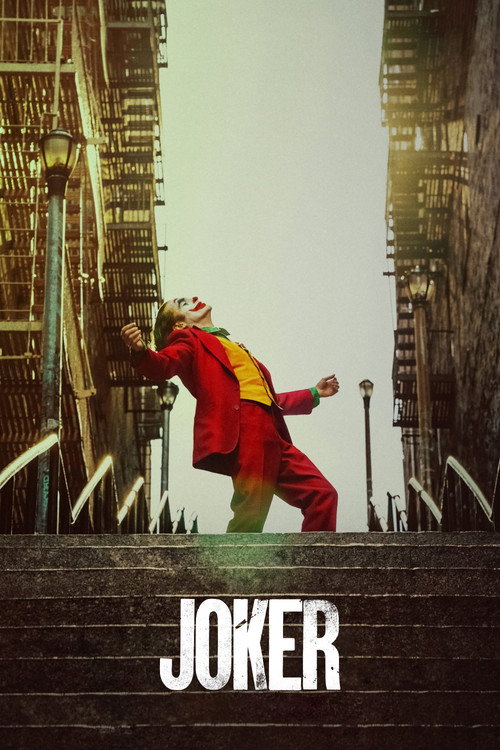
Joker2019
Similar elegant descent into villainy, with Todd Phillips crafting a sympathetic monster. Phoenix's performance is as controlled and chilling as Paulson's, examining how circumstance and cruelty birth something irredeemable.
But Deliberately bleak and punishing. The sympathetic framing of a violent character unsettles some viewers, and that's the point.
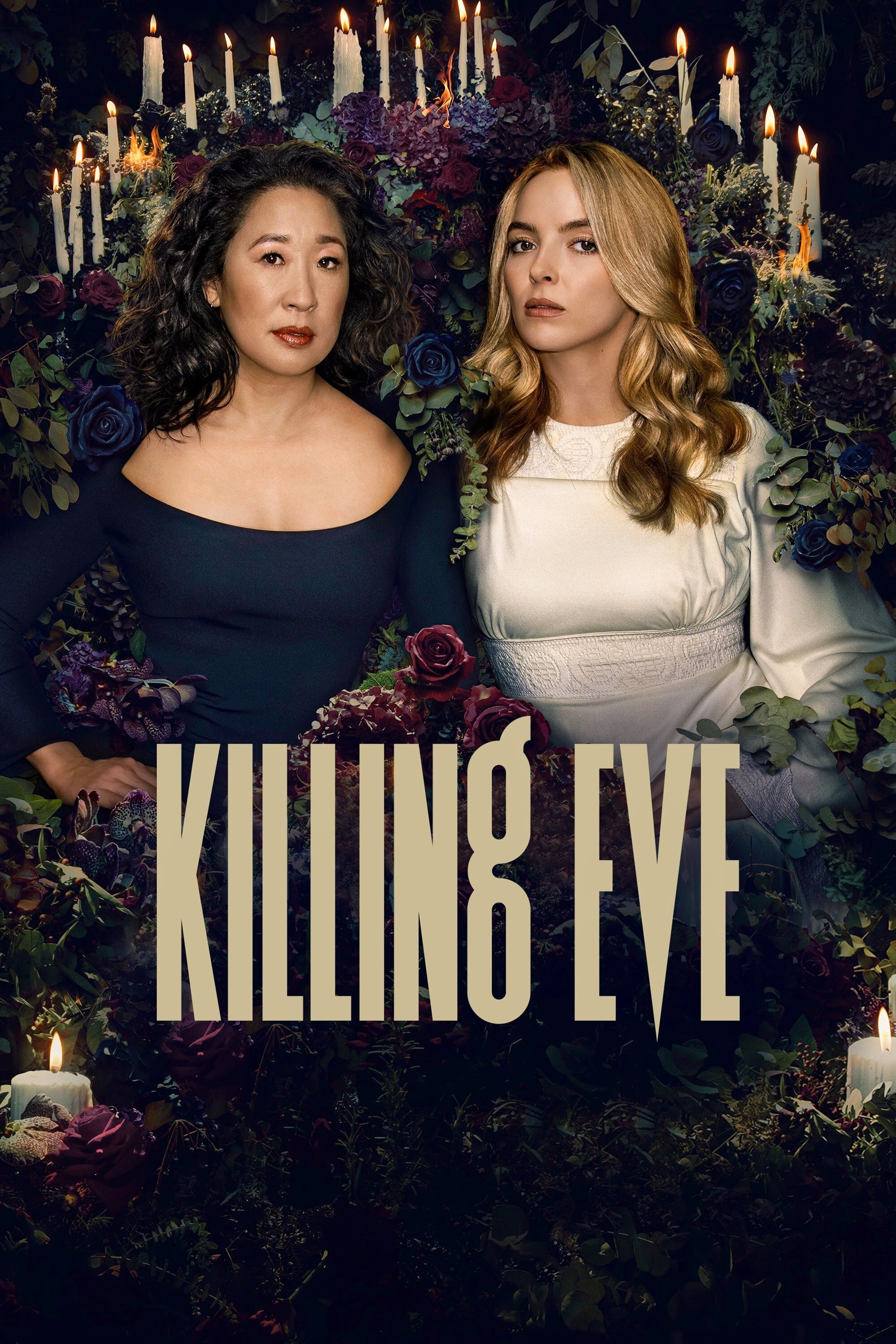
Killing Eve2018
Equally stylish cat-and-mouse thriller with a charismatic sociopath at its centre. Jodie Comer's Eve is magnetic and terrifying, playing someone for whom violence is an art form. Darkly funny where Ratched is ice-cold.
But Tonal shifts between comedy and horror can feel jarring. Later seasons lose momentum as the show struggled to sustain its premise.
Not sure tonight? Get a pick in a minute, starting from Ratched
The wildcard
Something you would not have found on your own.
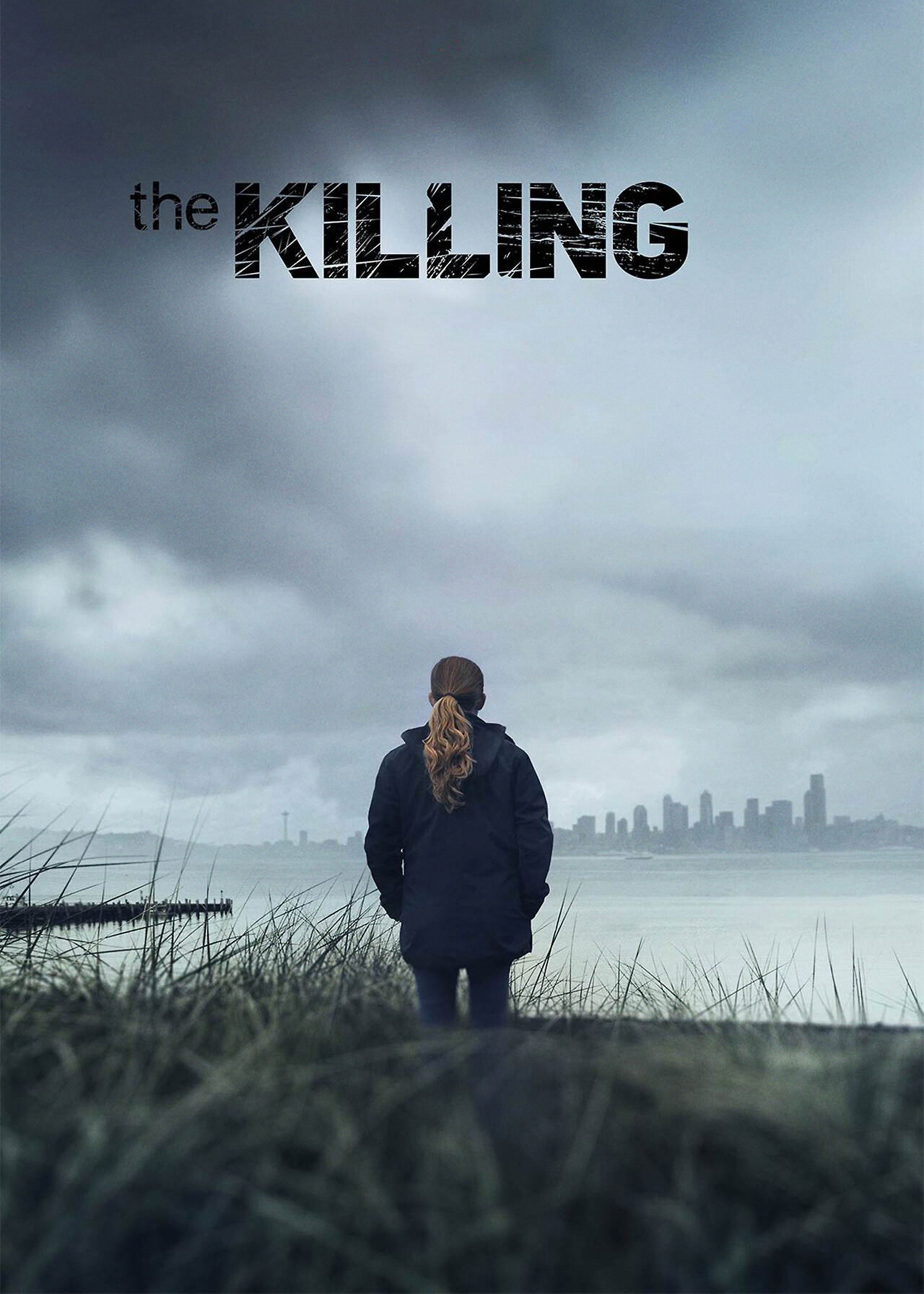
The Killing2011
Both treat institutional environments as characters that shape their protagonists; both ask how complicity spreads through systems.
Danish noir that shares Ratched's commitment to aesthetic precision and slow institutional decay. But unlike Ratched's stylized descent, this is brutalist and exhausting—it's about systems that crush everyone, not individuals who choose darkness. Sarah Lund isn't a villain origin; she's collateral damage.
But Four seasons of relentless grey Copenhagen and incremental despair. The pacing prioritises mood over plot satisfaction. Demands commitment without payoff.
More like this (8)
The Crown2016
Shares Ratched's sumptuous 1940s-50s aesthetic and interest in power dynamics within institutions. Both explore how image and duty can calcify into something inhuman.
But Assumes you're invested in British royal history. Some seasons prioritise spectacle over substance; pacing varies wildly.
Zodiac2007
Fincher's methodical exploration of obsession has Ratched's clinical precision and dread. About smart people drawn into darkness by their own brilliance, with the same gorgeous, muted colour palette.
But Nearly three hours of slow-burn investigation with no cathartic resolution. Some find it frustratingly cold rather than thrilling.
Psycho1960
The original twisted caregiver. Hitchcock pioneered what Ratched explores: how normalcy can mask monstrosity, and how we're seduced by plausibility. Still shocking and unnervingly intimate.
But Black and white and quite old now; the pacing feels glacial by modern standards. Depends on your tolerance for vintage thriller conventions.
The Curse2023
Real documentary examining nursing culture, institutional power, and the pressures that shape caregivers. Grounds Ratched's fictional corruption in actual systemic truth about healthcare hierarchies.
But Documentary form is deliberately unglamorous and repetitive. Lacks the narrative satisfaction of drama; it's observation, not story.
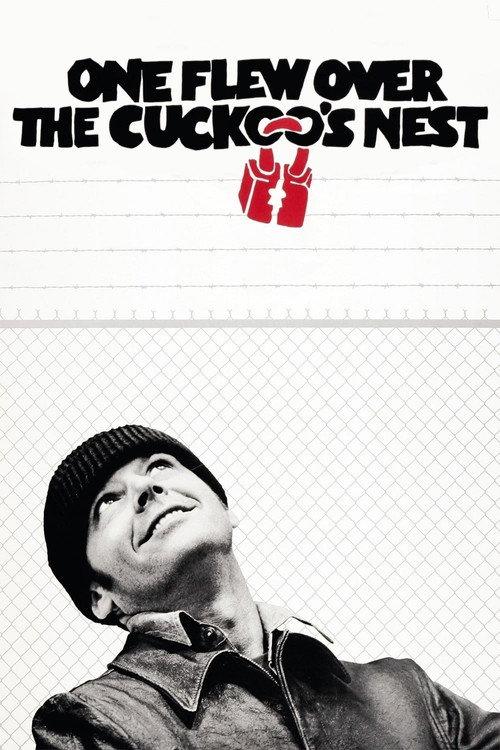
One Flew Over the Cuckoo's Nest1975
Ratched's literary ancestor, with Milos Forman's masterclass in institutional horror. Jack Nicholson against Louise Fletcher's Nurse Ratched—the character study that made this archetype legendary.
But Dated in some ways; its portrait of mental illness feels reductive now. Some find the ending schematic rather than earned.
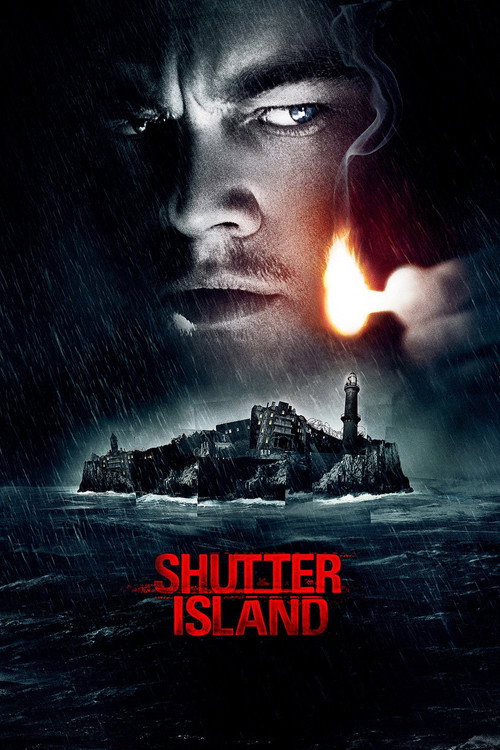
Shutter Island2010
Another psychiatric institution thriller with paranoia at its core. Scorsese's visual control and ambiguous ending about perception versus reality echo Ratched's unreliable moral landscape.
But Twist ending feels more engineered than organic. Some view it as style over substance, a genre exercise rather than genuine exploration.
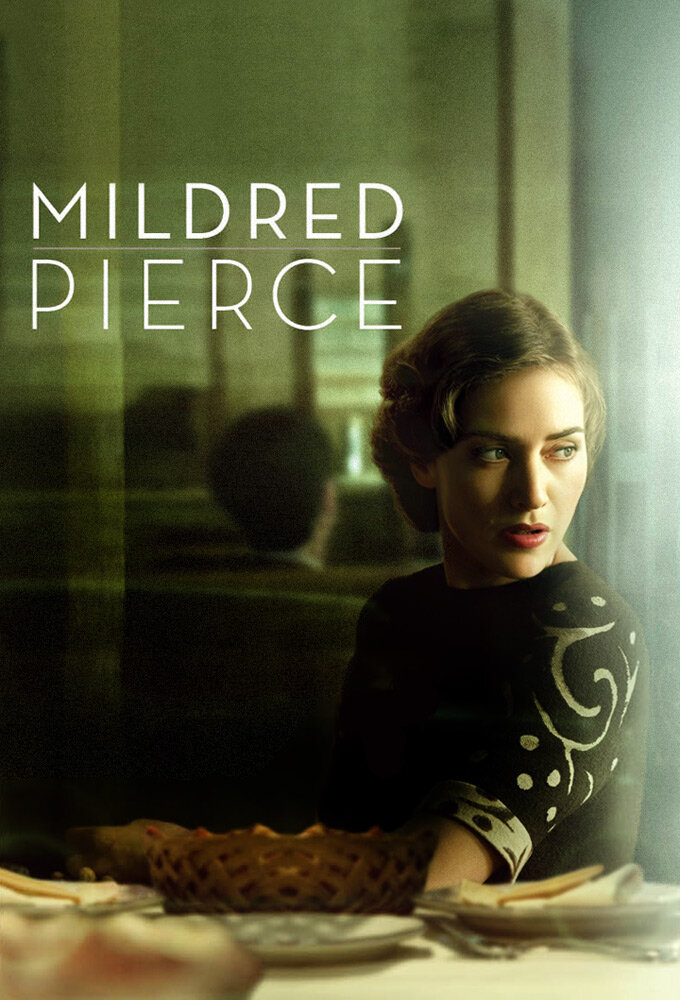
Mildred Pierce2011
Both are character studies of complex women in mid-century America, gorgeously shot, but while Ratched asks 'what made her a monster?', Mildred Pierce asks 'what did the world force her to become?'
Todd Haynes' five-hour HBO miniseries with Kate Winslet in a role that deconstructs the working woman trapped by circumstance. Like Ratched, it's visually immaculate 1940s Americana, but instead of corruption, it's tragedy—the corruption comes from others. Winslet's Mildred survives through adaptation, never transformation.
But Melodrama that requires patience for emotional nuance. If you want plot momentum, the introspective pacing frustrates. It's about feeling, not action.
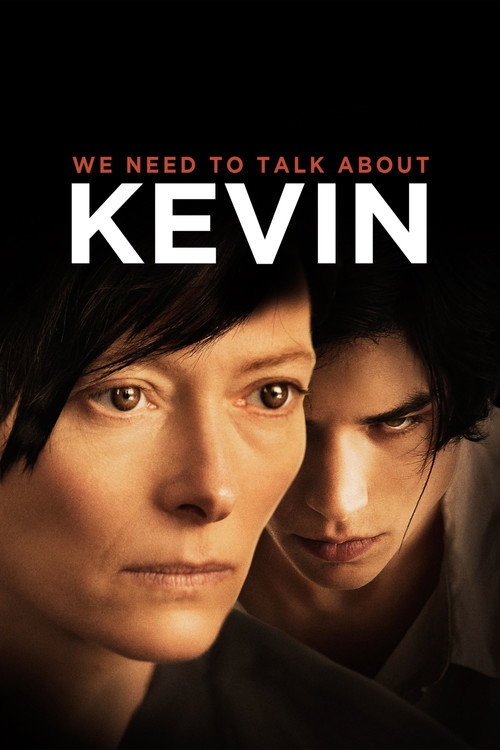
We Need to Talk About Kevin2011
Both examine how caregiving relationships can harbour something poisonous; both use visual elegance to make the horrifying palatable, then force you to sit with that complicity.
Lynne Ramsay's non-linear nightmare about motherhood and monstrosity. Like Ratched, it's visually ravishing and morally vertiginous, but told from the opposite angle—not an evil caregiver, but a mother who may have birthed evil. Uses colour and editing to make beauty itself feel corrupted.
But Deliberately fragmented; the non-linear structure alienates many viewers. Deeply uncomfortable about motherhood in ways some find exploitative rather than insightful.
People
Cast
Writing
- Evan RomanskyCreator
Production
- Evan RomanskyCo-Executive Producer
- Aleen KeshishianExecutive Producer
- Alexis Martin WoodallExecutive Producer
- Ian BrennanExecutive Producer
- Jacob EpsteinExecutive Producer
- Margaret RileyExecutive Producer
- Michael DouglasExecutive Producer
- Robert MitasExecutive Producer
- Ryan MurphyExecutive Producer
- Tim MinearExecutive Producer
- Eric KovtunProducer
- Eryn Krueger MekashProducer
- Lou EyrichProducer
- Paul ZaentzProducer
- Sara StelwagenProducer
- Sarah PaulsonProducer
- Tanase PopaProducer
- Todd NenningerProducer