
Film
Pyewacket
- Horror
- Dark fantasy
- Very dark
Pyewacket is a lean occult horror film about a furious teenager who performs a backwoods ritual to curse her mother, then watches with growing dread as something genuinely seems to answer. It's tense and uncomfortable rather than jumpy—a slow-burn film about the gap between what we want and what we deserve. For fans of intimate, character-driven horror that takes its premise seriously.
Should you watch it?
Watch it if you like slow-building dread that turns a bleak family standoff into something claustrophobic, and you would rather be unsettled by atmosphere than rescued by jump scares.
Skip it if you want a brisk plot or a lighter night in, because the pace is deliberate and the mood is relentlessly grim.
What it asks of you: Settle in for a compact 88 minutes that builds dread slowly through silence and cramped domestic spaces, so patience and a tolerance for bleakness count for more than quick scares.
Not sure? Find tonight's pick in a minute.
If you liked this
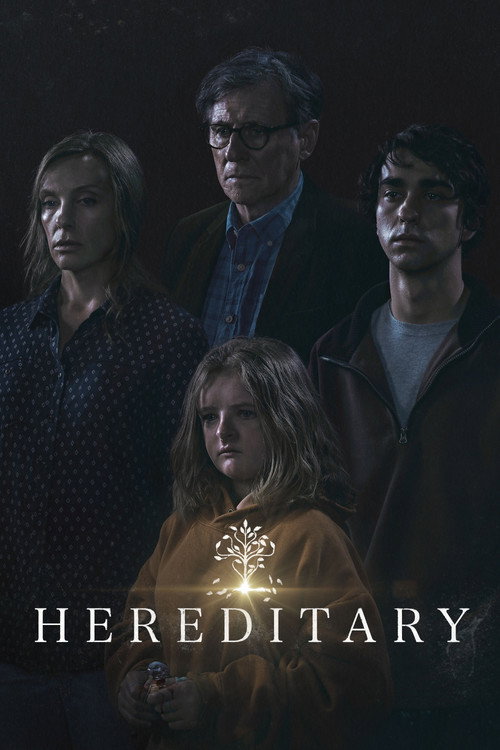
Hereditary2018
A family is systematically destroyed by supernatural forces tied to their own choices. Like Pyewacket, it uses horror to explore how rage and resentment can poison a household, building to something genuinely catastrophic.
But It's a three-hour endurance test of unrelenting misery with one of the most disturbing final acts in recent horror. Not cathartic. Not fun.
The Witch2016
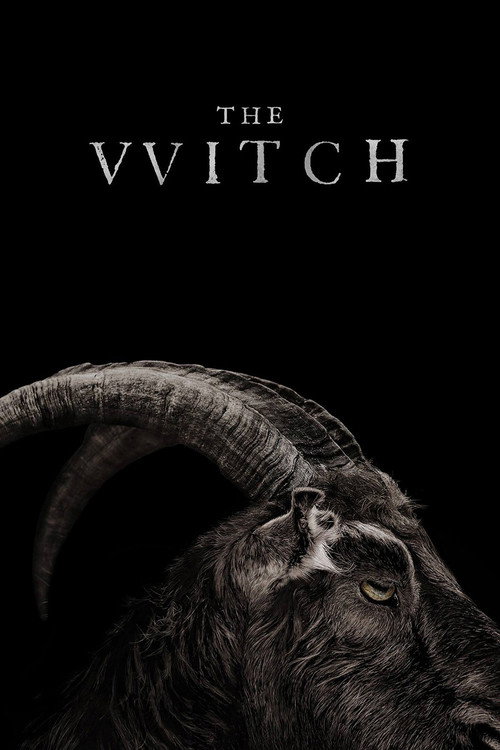
Puritanical paranoia meets actual witchcraft in colonial New England. Shares Pyewacket's commitment to period-appropriate dread and its willingness to let ambiguity sit uncomfortably—you're never quite sure what's real.
But The dialogue is deliberately archaic and the pacing glacial. If you need clear plot momentum or jump scares, this will feel like watching paint dry while something watches you.
It Comes at Night2017
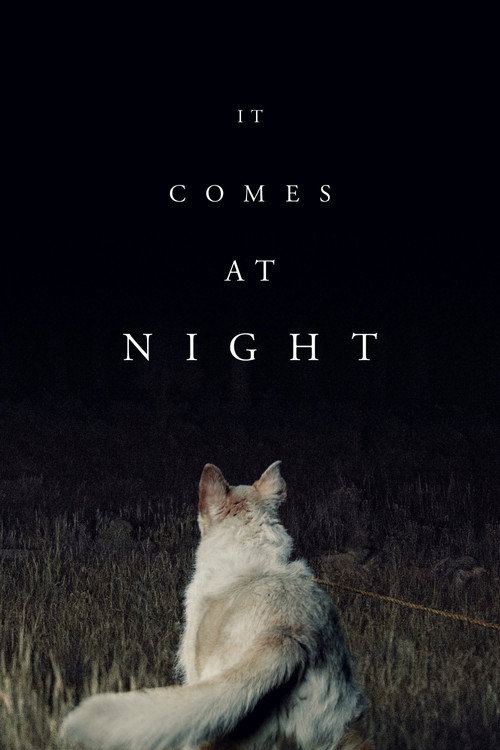
A family sheltering in a house as plague spreads outside. Like Pyewacket, it's about paranoia metastasizing into violence, and whether the real threat is always external or sometimes terrifyingly internal.
But Almost nothing explicitly happens. The horror is philosophical and atmospheric. If you want a concrete monster or a clear resolution, you'll leave frustrated.
Not sure tonight? Get a pick in a minute, starting from Pyewacket
The wildcard
Something you would not have found on your own.
The Babadook2014
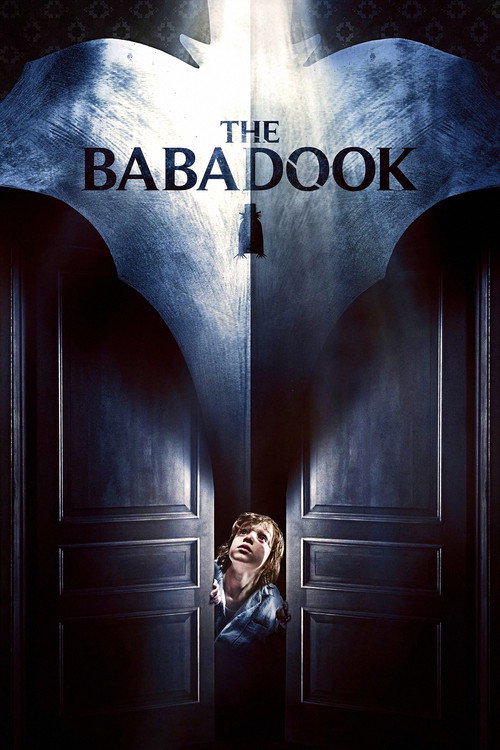
Both films understand that the most dangerous curses are the ones we place on ourselves and those closest to us, and both use supernatural elements to literalize emotional violence.
An Australian film about grief, anger and motherhood manifesting as a monster in the house. Shares Pyewacket's insight that the most powerful horror comes from unprocessed rage and the ways families wound each other. Formally brilliant and heartbreaking.
But It's not a creature feature—the actual horror is psychological and relentless. Some find it too bleak and depressing, and it offers no catharsis or victory.
More like this (7)
The Autopsy of Jane Doe2016
Two coroners and a mysterious corpse in a basement, everything going wrong. Compulsively watchable and genuinely unsettling, with the same claustrophobic sense that curiosity and transgression have consequences.
But The premise is grotesque and the film doesn't look away from it. Graphically dealing with a dead body isn't for everyone, and the ending feels deliberately bleak.
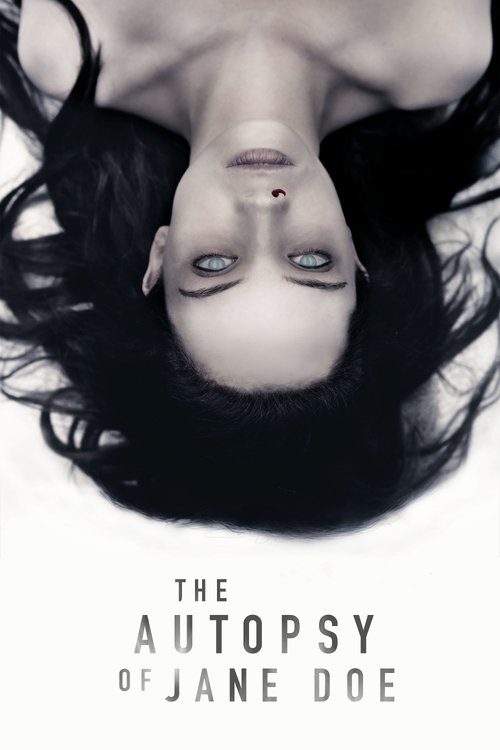
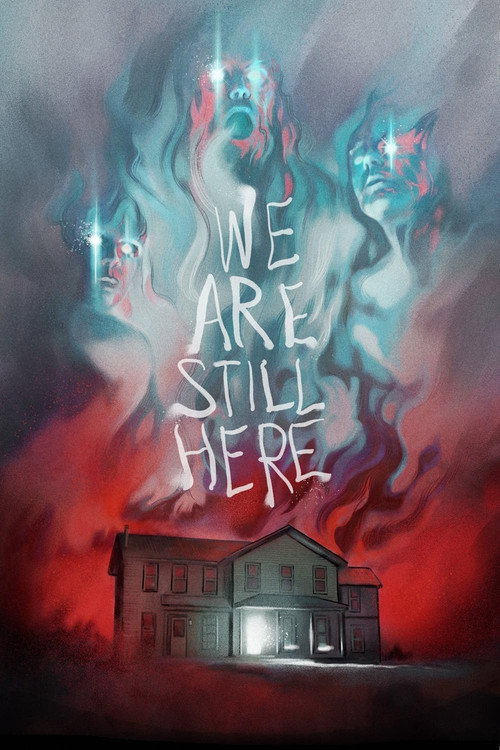
We Are Still Here2015
Grieving parents in a haunted house confront a malevolent force. Takes its supernatural rules seriously, builds genuine menace, and commits fully to the conviction that some doors shouldn't be opened.
But It's deliberately slow-paced and visually austere. The payoff is more thematically resonant than action-packed, which some find cold rather than cathartic.
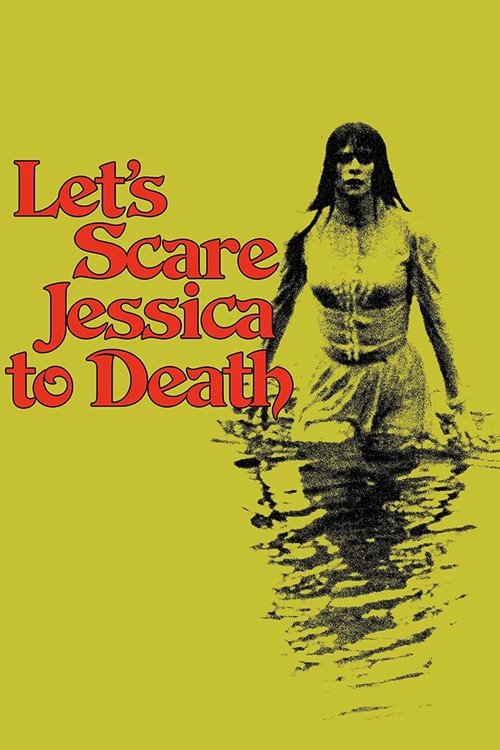
Let's Scare Jessica to Death1971
A fragile woman, her husband, and friends at a cottage where something goes very wrong. A cult classic that pioneered the ambiguity Pyewacket uses—is the threat supernatural or psychological? The film refuses to decide.
But It's deliberately hazy and its plot barely moves. The 1970s pacing and aesthetic will feel forbiddingly slow if you're used to modern horror rhythm.
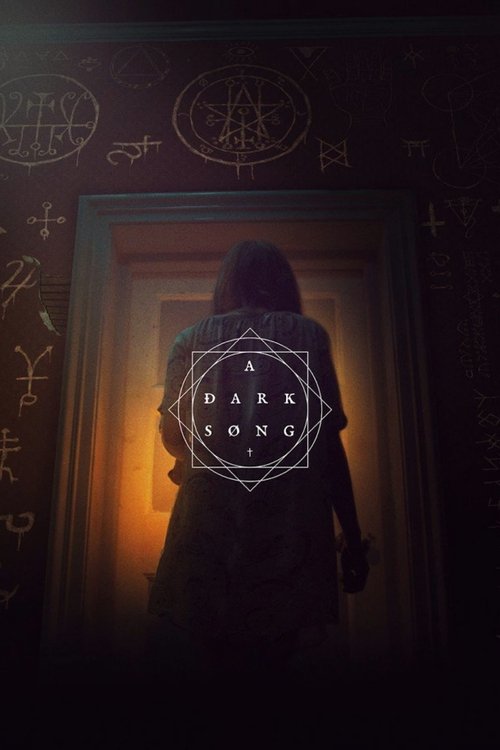
A Dark Song2016
A grieving woman hires an occultist to perform a ceremony in an isolated house. Like Pyewacket, it takes ritual seriously, explores desperation as a catalyst, and ends somewhere genuinely unexpected and earned.
But It's meditative and emotionally demanding. There are no scares or spectacle—just two people in a room with unbearable amounts of grief and hope.
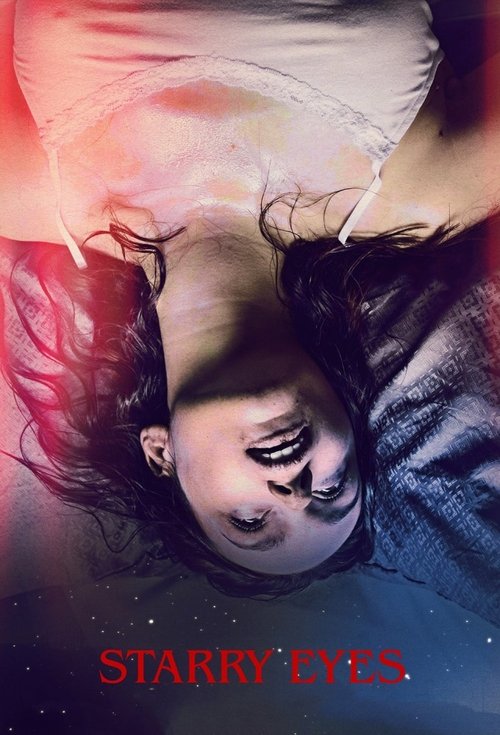
Starry Eyes2014
A struggling actress makes a Faustian deal with powerful people. Shares Pyewacket's exploration of how we rationalize transgression and the cost of getting exactly what we asked for. Genuinely transgressive and well-made.
But The second half leans harder into body horror and exploitation than pure horror, which feels exploitative rather than earned in places. Some viewers find it distasteful.
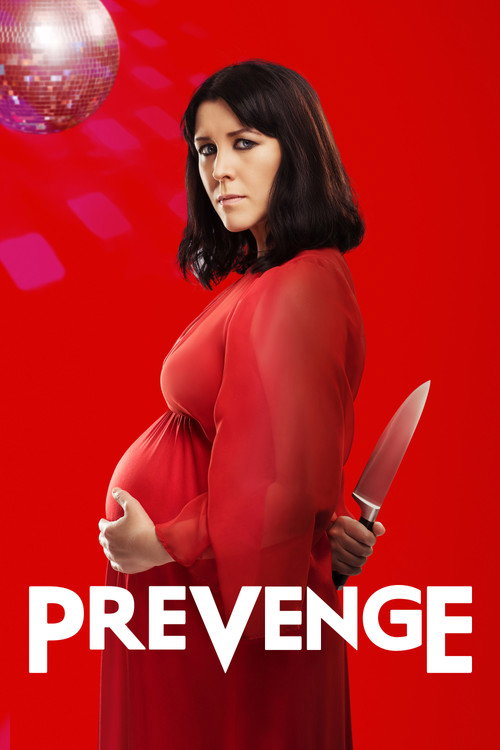
Prevenge2017
Both center a young female character whose rage is dismissed until that rage becomes literally supernatural and monstrous, and both refuse to make that easy to forgive.
A pregnant woman commits murders at the behest of her unborn child. A provocative, darkly comic British horror film that inverts the maternal imperative entirely. Surreal, disturbing, and weirdly funny in a way Pyewacket almost reaches for.
But It's shocking for the sake of provocation in places. The tone is unstable—sometimes horror, sometimes comedy—which makes it feel incomplete. Also genuinely disturbing.
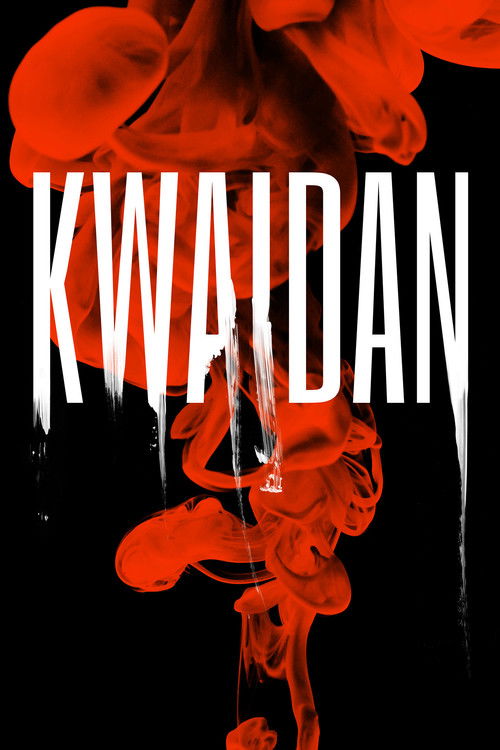
Kwaidan1965
Both films operate from the belief that the supernatural world follows consistent, irrevocable rules, and that violating those rules—even innocently—has weight and consequence.
An exquisitely shot Japanese collection of ghost stories about transgression, obligation, and the supernatural enforcement of cosmic law. Like Pyewacket, it treats ritual and the occult as systems with real rules and real consequences, but with a visual beauty that's almost meditative.
But It's an anthology from 1964, so there's no through-line and the pacing is unhurried. It's also entirely in Japanese with subtitles, which some find a barrier. Expect aesthetic distance rather than emotional immediacy.
People
Cast
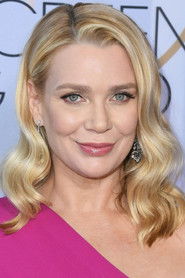 Laurie HoldenMrs. Reyes
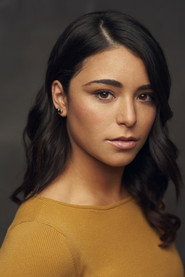 Nicole MuñozLeah Reyes
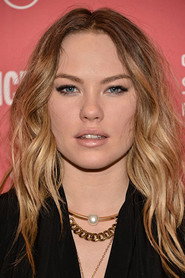 Chloe RoseJanice
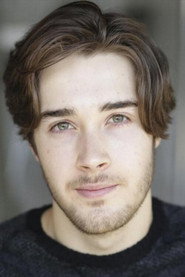 Eric OsborneAaron
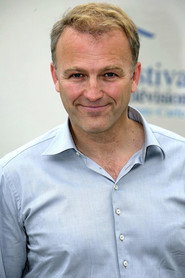 James McGowanRowen Dove
 Victoria SanchezTeacher
 Neil WhitelyDetective
 Missy Peregrym911 Operator (voice)
 Bianca MelchiorPyewacket
- Romeo CarereRob
 Tanner ZipchenStudent
Directing
- Adam MacDonaldDirector
- Aurèle GaudetFirst Assistant Director
- Jenny MacScript Supervisor
- Francisco BermudezSecond Assistant Director
- Patrick McFaddenThird Assistant Director
Writing
- Adam MacDonaldWriter
Production
- Andrew BronfmanAssociate Producer
- Stephanie GorinCasting
- Anne-Claire VilleneuveExecutive Producer
- Jeff SackmanExecutive Producer
- Joe SistoExecutive Producer
- Patrick RoyExecutive Producer
- Lori FischburgLine Producer
- Jonathan BronfmanProducer
- Victoria SanchezProducer
- Christine SolaProduction Coordinator
- Heather YoungProduction Manager