
Film
The Enchanting Shadow
A 1960 Chinese supernatural romance where a sceptical scholar encounters a ghostly woman in a haunted temple. It's visually gorgeous and melancholy—part ghost story, part love story, entirely bittersweet. For anyone who finds beauty in the uncanny and wants to feel something rather than jump.
Should you watch it?
Watch it if you love old-school Chinese ghost stories where romance, folklore and eerie atmosphere share the same candlelit frame, and you don't mind a 1960 film moving at its own unhurried pace.
Skip it if you want modern scares or fast cuts, since this is a slow, gentle supernatural romance with its chills played softly rather than shocking you.
What it asks of you: About eighty-three minutes, and a patient eye for mood: the pleasure comes from lingering on shadows, costume and atmosphere rather than from plot momentum.
Not sure? Find tonight's pick in a minute.
If you liked this
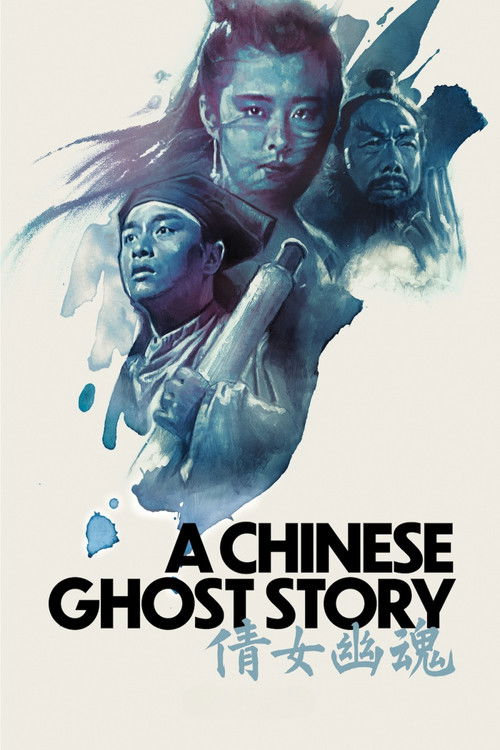
A Chinese Ghost Story1987
The spiritual successor to *The Enchanting Shadow*: a young scholar, a ghost lover, and supernatural intrigue, but turbocharged with action and charm. Tsui Hark's direction is operatic and alive, the romance genuinely affecting.
But The tonal shifts are wild—it lurches between slapstick comedy and genuine peril in ways that jar if you want consistency. Also very much a product of 1987 Hong Kong action cinema, which demands a taste for its rhythms.
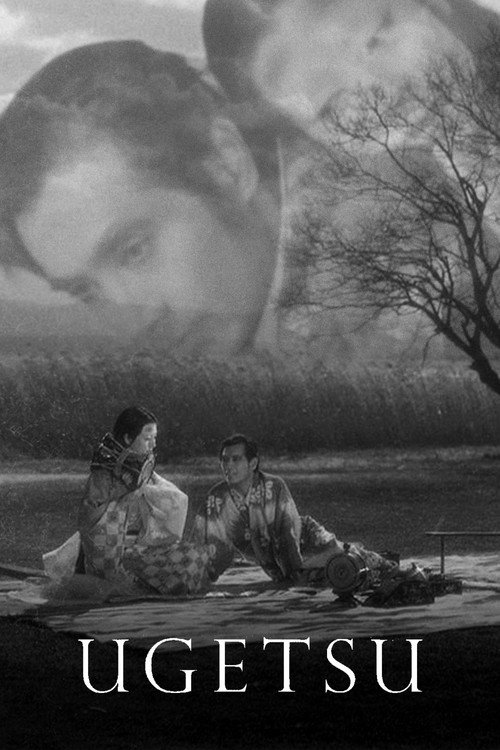
Ugetsu1953
Mizoguchi's masterpiece shares the same DNA: a man tempted by a beautiful phantom, stunning compositional framing, a meditation on desire and consequence. It's hypnotic and will stay with you for years.
But Deliberately paced in a way that reads as slow even by art-film standards. There's no plot momentum; it's all mood and implication. Requires patience and the right headspace.
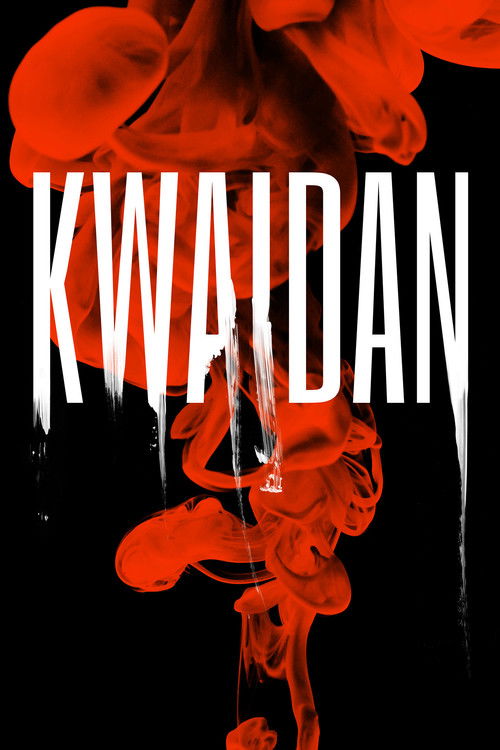
Kwaidan1965
Four Japanese ghost stories in gorgeous colour, each one a jewel. *The Enchanting Shadow* fans will recognise the sensibility—supernatural melancholy, visual poetry, the ghost as tragic rather than evil. Masaki Kobayashi is a formal master.
But It's an anthology, so no single throughline; each story is only 20-30 minutes. The deliberate, painterly style won't appeal if you want momentum or modern pacing.
Not sure tonight? Get a pick in a minute, starting from The Enchanting Shadow
The wildcard
Something you would not have found on your own.
Stalker1979
Both are about the allure of the impossible, rendered in visual poetry rather than plot mechanics. The ghost and the Zone are equally unreachable.
Andrei Tarkovsky's meditation on desire and the unknowable presented as science fiction: a guide leading men into a mysterious zone to find a room that grants wishes. Like *The Enchanting Shadow*, it's about longing for something you can't possess, and what that costs. Hypnotic and glacial.
But It's 163 minutes of people walking through landscapes and talking philosophy. There is no plot, no climax, no resolution—only contemplation. Many find it tedious; its admirers find it transcendent. There is no middle ground.

More like this (7)
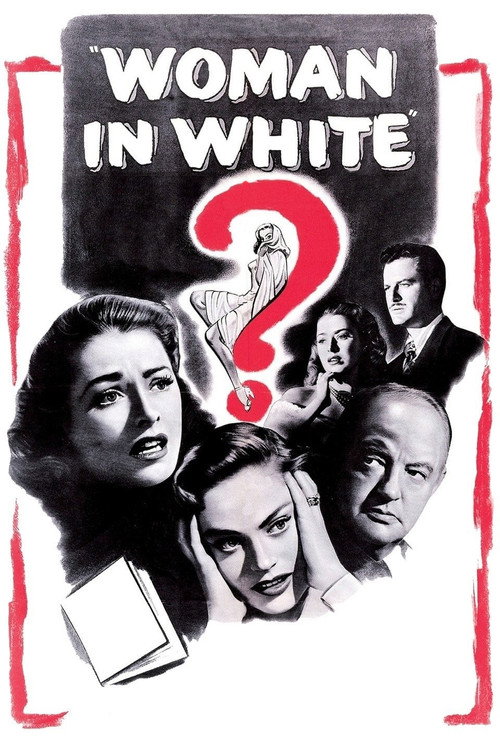
The Woman in White1948
A melodramatic classic about a ghostly woman and the man haunted by her. Eleanor Parker is magnificent, and there's that same melancholic supernatural romance, though filtered through Hollywood's particular brand of elegance.
But It's deeply of its moment—post-war Hollywood in full romantic excess mode. The psychoanalysis subplot hasn't aged well, and the pacing is slow even by 1948 standards.
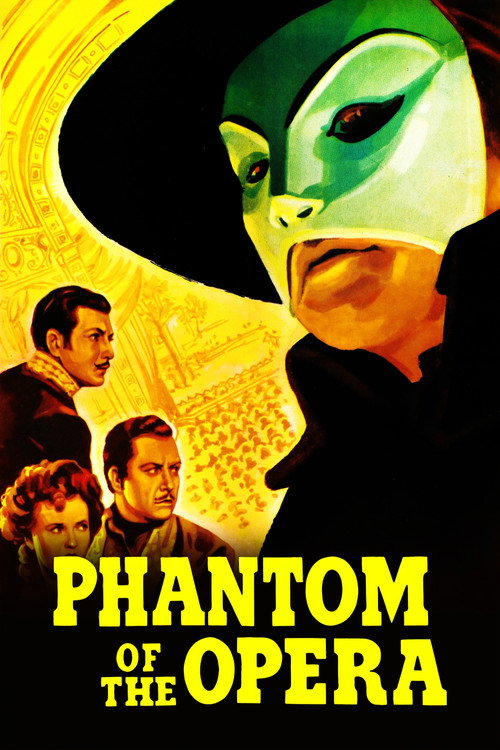
Phantom of the Opera1943
Technicolor melodrama with Lon Chaney Jr. and Claude Rains. It has the same gothic supernatural atmosphere and tragic beauty, plus the sheer visual pleasure of seeing 1940s Technicolor lavished on a horror story.
But The ending is a Hollywood compromise that undercuts the tragedy. If you want something darker and less resolved, this will frustrate you.
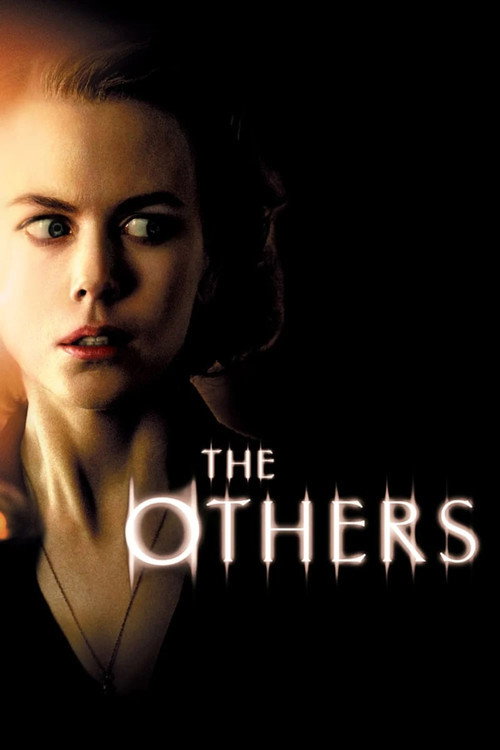
The Others2001
A film that understands what *The Enchanting Shadow* knows: that the most effective hauntings are intimate, beautiful, and rooted in loss. Amenábar's direction is controlled and masterful. The twist genuinely earns itself.
But It's become a cultural reference point for the twist ending, so if you've heard people discuss it, surprise is gone. Some find it clever rather than moving.
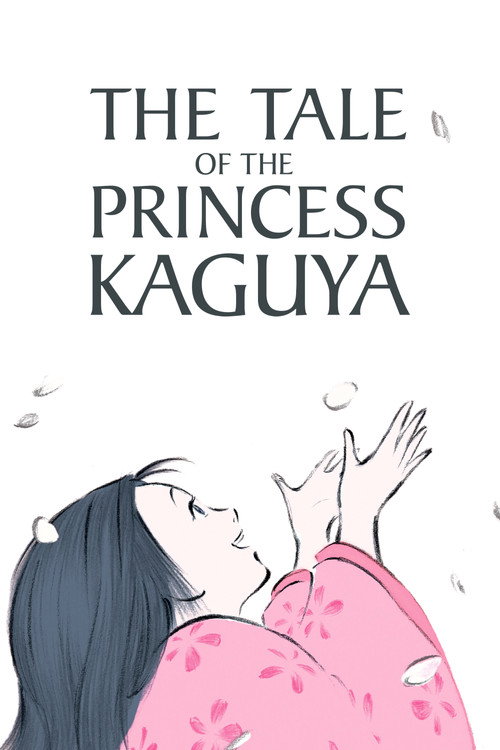
The Tale of The Princess Kaguya2013
Takahata's animation tells a Japanese legend of a mysterious woman who arrives from nowhere—same alienation, same tragic inevitability. Visually unlike anything else, and devastatingly beautiful.
But It's three hours long and deliberately slow, built for immersion rather than entertainment. The animation style is watercolour-like, which some find washed-out instead of ethereal.
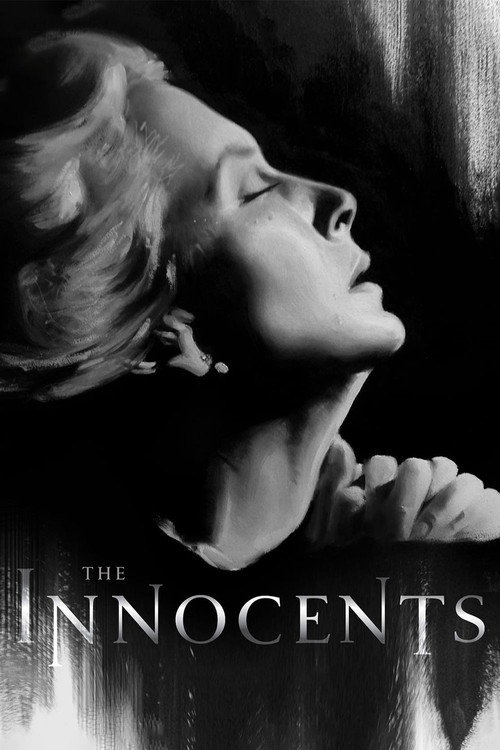
The Innocents1961
A haunted house story more interested in psychological ambiguity than scares. Jack Clayton's direction is ice-cold and perfect; Deborah Kerr gives one of cinema's great paranoid performances. Subtle and sophisticated.
But Nothing overtly supernatural ever happens—it's all suggestion and gaslighting. If you want confirmation that the hauntings are real, you'll leave frustrated and angry.
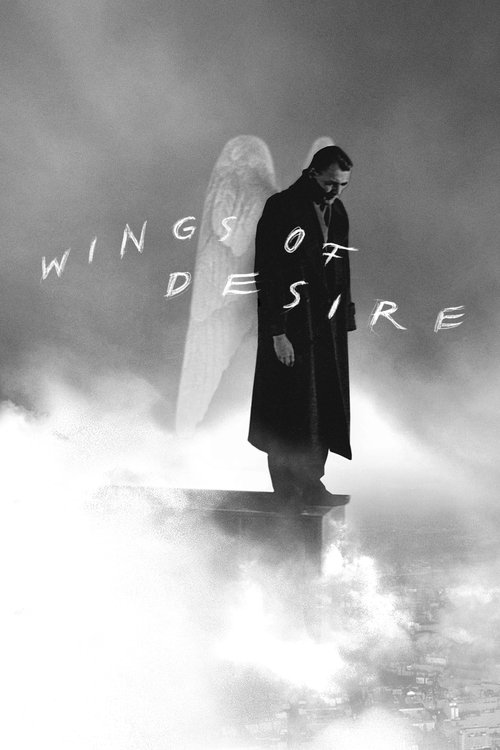
Wings of Desire1987
Both centre on an impossible love between the earthly and the otherworldly, treated with reverence rather than horror.
Wim Wenders' film about angels watching over Berlin, one of whom falls in love with a mortal. It's *The Enchanting Shadow* inverted—instead of the mortal reaching for the ghost, the supernatural being reaches for human life. Sublime, melancholic, gorgeous.
But The plotting is minimal and philosophical rather than narrative. Long passages of visual poetry with minimal dialogue. If you want story, not mood, keep walking.
Come and See1985
Both use supernatural or dreamlike framing to explore how the past refuses to release the living. Here the ghost is history itself, and it is merciless.
Elem Klimov's Soviet war film about a boy's journey through apocalypse—told with the same dreamlike, supernatural atmosphere as a ghost story, though what haunts here is human evil rather than spirits. It's visually and morally devastating.
But It's one of the most difficult watches in cinema: graphic violence, child suffering, and nihilistic despair. Not cathartic, not comforting. You will not feel better afterwards.

People
Cast
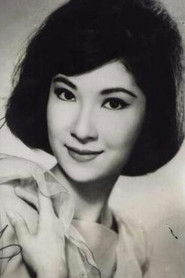 Betty Loh TiNieh Hsiao Chien
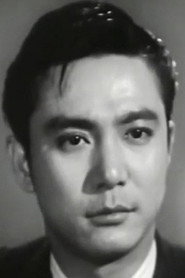 Zhao LeiNing Caichen
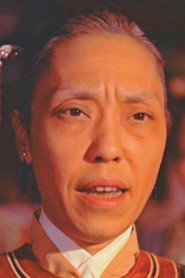 Tong Yeuk-ChingLao Lao / Granny
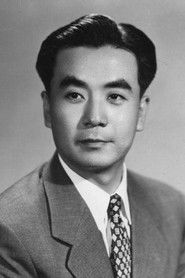 Yang Chi-ChingYan Chixia
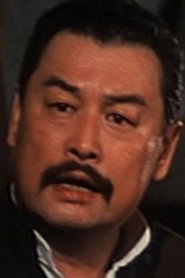 Su HsiangScholar #2
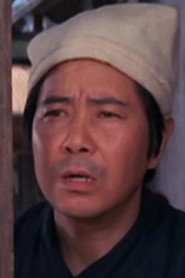 Li KunServant of Scholar #2
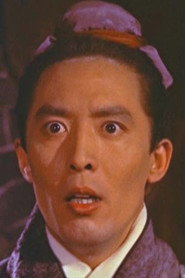 Li Kuo-HuaScholar #1
 Gam Tin-ChueAngry inn customer
 Lok KeiServant of scholar #1
 Hao Li-JenOwner of portrait shop
 Wong Yuet-TingCarriage driver #1
 Fung NgaiCarriage driver #2