
Film
Isle of the Dead
- Horror
- Very dark
A 1945 horror-mystery where Karloff commands a Greek island quarantined for plague during the 1912 war. Trapped together, paranoia and superstition metastasize faster than the disease itself. It's atmospheric and claustrophobic—less about jump scares than the slow decay of reason when fear takes hold. For fans of psychological horror and wartime gothic.
If you liked this
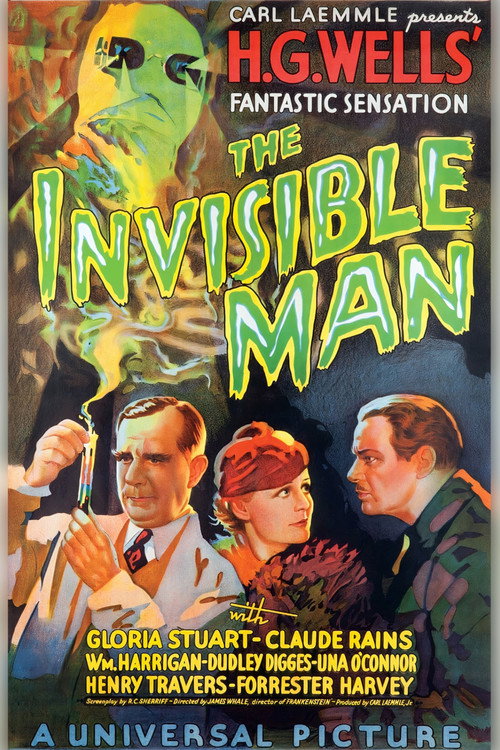
The Invisible Man1933
Karloff's contemporary showman, James Whale, masters the same alchemy: confined spaces, invisible threat, ordinary people fracturing under pressure. Visually inventive and genuinely unsettling.
But It's nearly a century old and the special effects, while clever, show their age. The pacing can feel deliberate if you're used to modern thrillers.
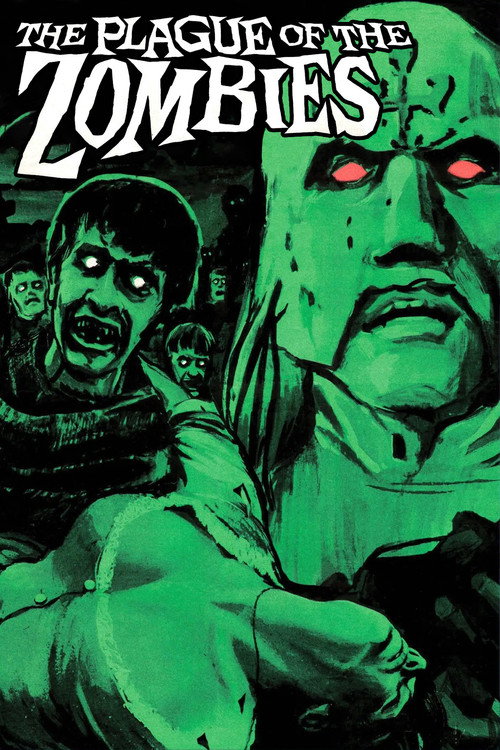
The Plague of the Zombies1966
British horror that mines the same colonial dread and folk-horror anxiety. A village gripped by supernatural terror, social order dissolving, the same creeping sense that belief itself is infectious.
But The zombie makeup is genuinely cheap, and the film doesn't always know whether it's serious or campy. Some scenes drag badly.
The Seventh Seal1957
Bergman's masterpiece: plague, death, isolation, a small group of people forced into existential reckoning. If you want the weight of *Isle of the Dead* deepened into genuine philosophy and art.
But It's bleak, slow, and completely humourless. Not a comfort watch. Requires patience and mood.

Not sure tonight? Get a pick in a minute, starting from Isle of the Dead
The wildcard
Something you would not have found on your own.
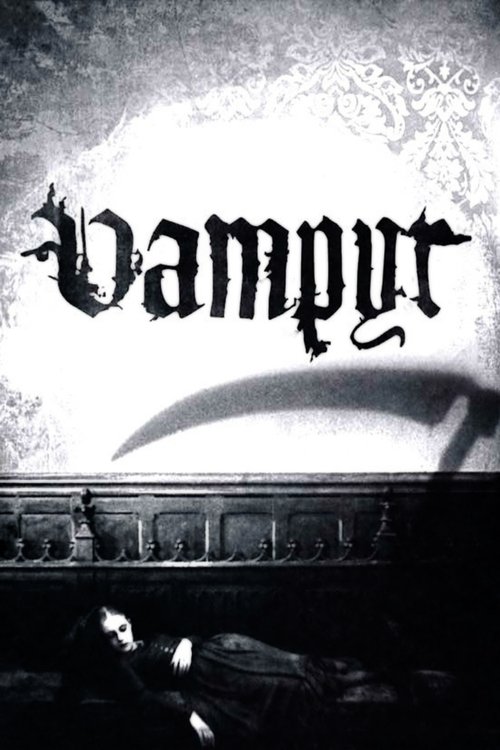
Vampyr1932
Both films blur the line between genuine supernatural threat and mass hysteria. Both ask: if enough people believe something, does it become real? Both see superstition not as ignorance but as a form of truth.
Dreyer's dreamlike masterpiece predates *Isle* by thirteen years and shares its obsession with superstition, faith, and the impossibility of certainty. A young man in a plague-stricken village discovers that vampirism might be real—or might be delusion. It's visually haunting in ways that still stun.
But It's silent-era pacing in the talkie era. The logic is deliberately dreamlike and irrational. You must surrender to it rather than follow it.
More like this (8)
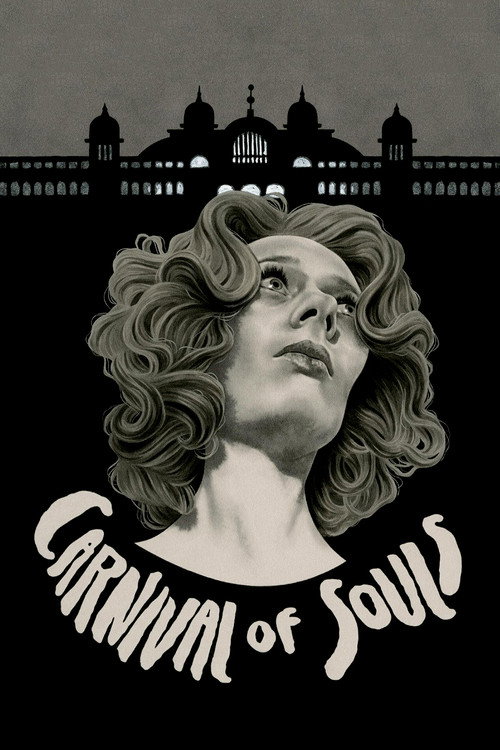
Carnival of Souls1962
Cheap, eerie, hypnotic—a woman isolated amid a world that feels wrong. The atmosphere matters more than logic or budget. Pure dread generated from almost nothing.
But The low budget shows everywhere. The acting is uneven. By conventional standards, it's rough around the edges.
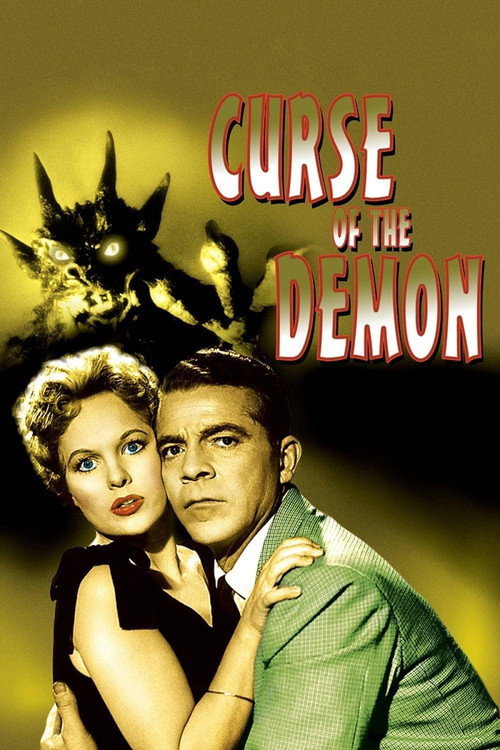
Night of the Demon1957
British occult horror with the same paranoia: rational man trapped in a world where superstition might be real. Supernatural terror in a confined, civilized setting.
But The demon itself, when fully revealed, looks slightly ridiculous. The ending divides viewers on whether it works or breaks the mood.
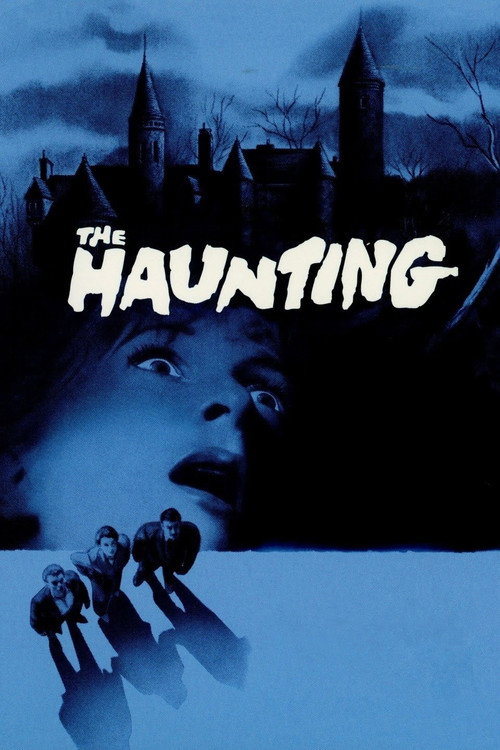
The Haunting1963
Wise's masterpiece of psychological horror. A house haunted by atmosphere and suggestion rather than gore. Humans fragmenting under pressure and fear, just like *Isle*.
But There are no jump scares and almost no gore. If you need explicit horror to feel frightened, this will seem slow.
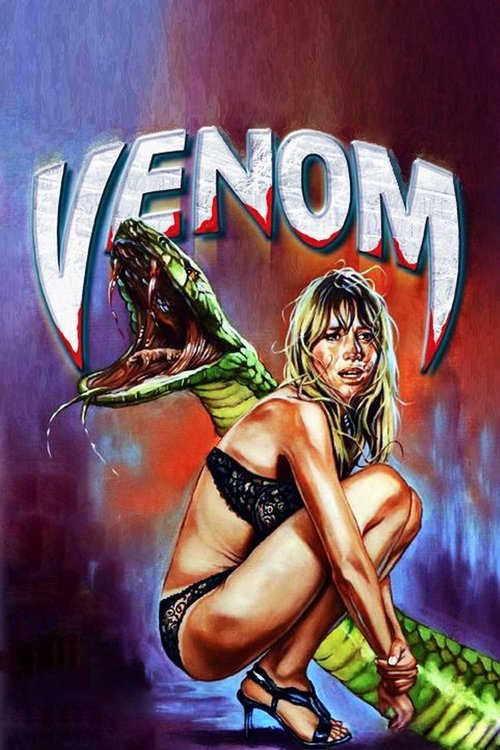
Venom1981
A snake loose in a London townhouse, people trapped and terrified—the same claustrophobic dread, the same social order breaking down under siege. Tense, well-acted, genuinely sweaty.
But It's a 1980s thriller with Sterling Hayden and Klaus Kinski, which means it plays very differently from the gothic horror you expect. The premise is almost absurd.
The Wailing2016
A Korean village gripped by supernatural panic and suspicion. Superstition, faith, paranoia, and the question of whether evil is real or imagined. Gorgeously made and genuinely disorienting.
But It's nearly two hours and structurally complex. The ending is deliberately ambiguous in a way that frustrates some viewers. Non-English language.

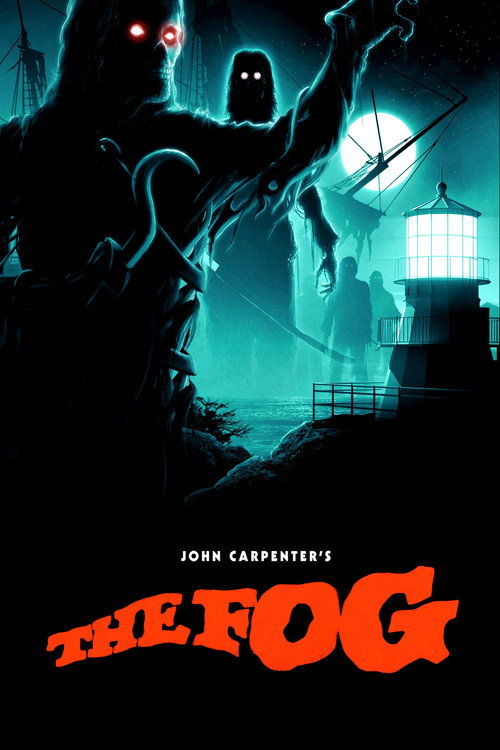
The Fog1980
Carpenter's tense ensemble piece: a coastal town besieged by supernatural threat, ordinary people trying not to panic. Same trapped-together energy, good execution.
But The effects look dated and occasionally cheap. It prioritizes mood over scares, which some find slow rather than scary.
Stalker1979
Both trap characters in spaces where the external threat becomes secondary to the internal collapse. In *Isle*, it's plague; in *Stalker*, it's the weight of hope itself. Both believe atmosphere and psychology are the real horror.
Tarkovsky's science-fiction masterpiece about a group confined in a mysterious zone, waiting, doubting, psychologically unraveling. The plague is replaced by existential dread and the impossibility of desire. Hypnotic, meditative, profoundly strange.
But It's 163 minutes of slow cinema with almost no plot. If you need things to happen, you will be bored into anger. It demands surrender, not entertainment.

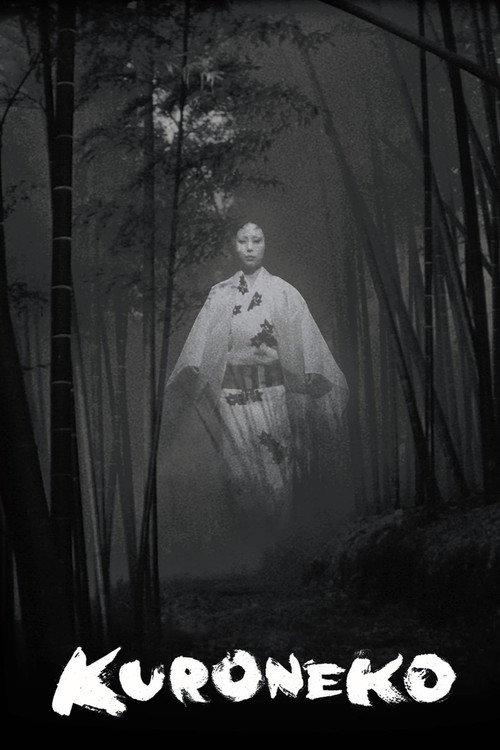
Kuroneko1968
Both explore how superstition and mass panic create monsters. Where *Isle* shows the witch-hunt from the persecutors' perspective, *Kuroneko* shows it from the condemned woman's point of view. Both understand that fear doesn't need proof—it needs an audience.
A Japanese ghost story about two women returning as vengeful demons after a plague kills them. Gorgeous, ritualistic, heartbreaking—it's *Isle of the Dead* told from the perspective of those accused of being monsters. Black-and-white, hypnotic, genuinely otherworldly.
But It's in Japanese with subtitles, in black-and-white, and moves at a pace entirely indifferent to Western expectations. The horror is poetic, not visceral.
People
Cast
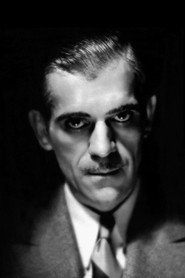 Boris KarloffGen. Nikolas Pherides
 Ellen DrewThea
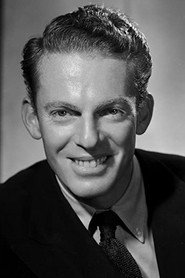 Marc CramerOliver Davis
 Katherine EmeryMary St. Aubyn
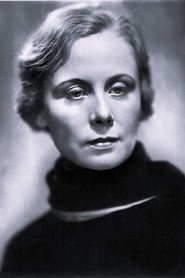 Helene ThimigMadame Kyra
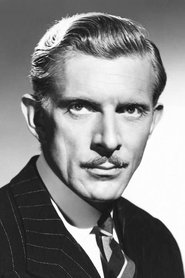 Alan NapierSt. Aubyn
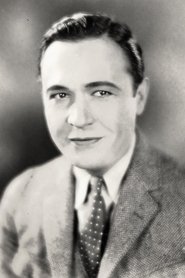 Jason Robards Sr.Albrecht
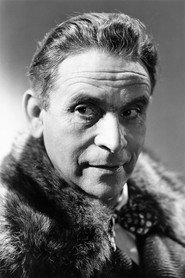 Ernst DeutschDr. Drossos
 Skelton KnaggsAndrew Robbins (uncredited)
- Sherry HallCol. Kobestes (uncredited)
- Erick HansonOfficer (uncredited)
 Rose HobartMary St. Aubyn (in long shot; uncredited)
Directing
- Mark RobsonDirector
Writing
- Ardel WrayScreenplay
Production
- Jack J. GrossExecutive Producer
- Val LewtonProducer