
Film
Symptoms
A slow-burn psychological horror about a woman invited to stay at a decaying English country estate, where nothing is stable and no one can be trusted. It moves at its own pace, building dread through atmosphere and ambiguity rather than scares. For viewers who prize mood over gore, and who don't need everything explained.
Should you watch it?
Watch it if you crave slow-burn psychological horror where dread gathers through silence, sun-bleached languor and unsettling small details, and you trust a film to withhold its explanations.
Skip it if you want brisk scares or a clear plot, since this drifts, repeats its images and leaves a great deal unexplained, and its 1970s pacing can feel stagnant.
What it asks of you: Ninety-one minutes that move at a drowsy, deliberate tempo, with long stretches of quiet and stares in a sprawling house, so your patience does most of the work.
Not sure? Find tonight's pick in a minute.
If you liked this
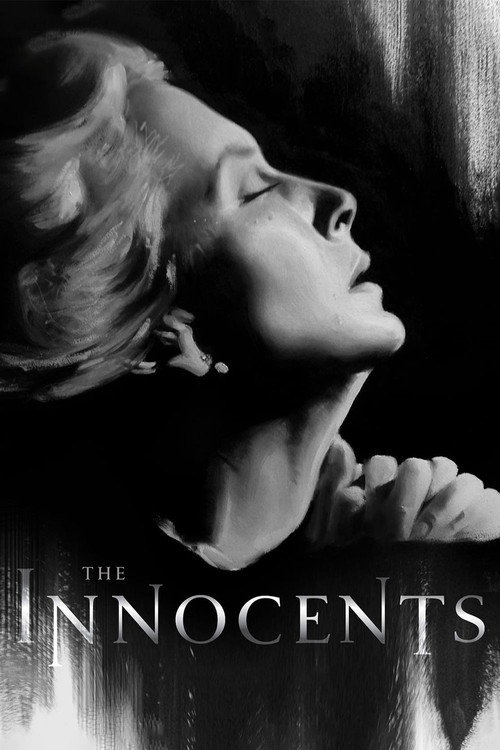
The Innocents1961
Ghosts may or may not be haunting a grand English house. The film itself seems uncertain, which makes it far more unsettling than any jump scare. Deborah Kerr is magnificent.
But It's patient to the point of glacial. If you need plot to move, this will test your patience.
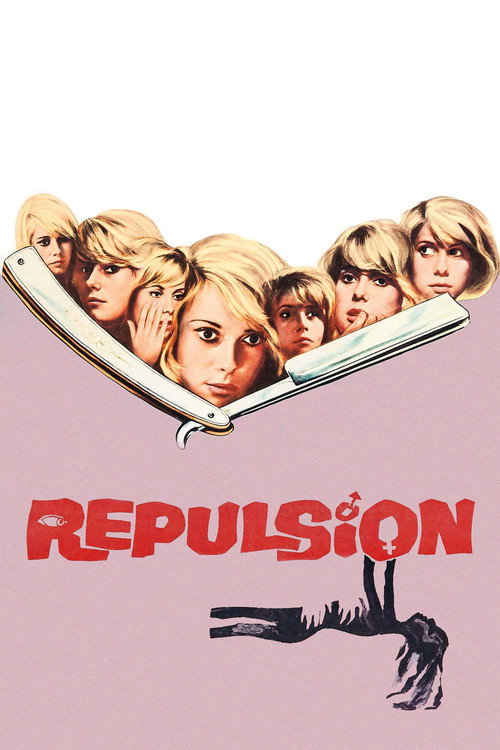
Repulsion1965
Catharine Deneuve's unraveling sanity in a London apartment is captured with the same suffocating precision Symptoms brings to its mansion. Polanski's control over space and sound is masterful.
But It's deeply uncomfortable and relies on body horror and sexual dread. Not a comfortable watch, by design.
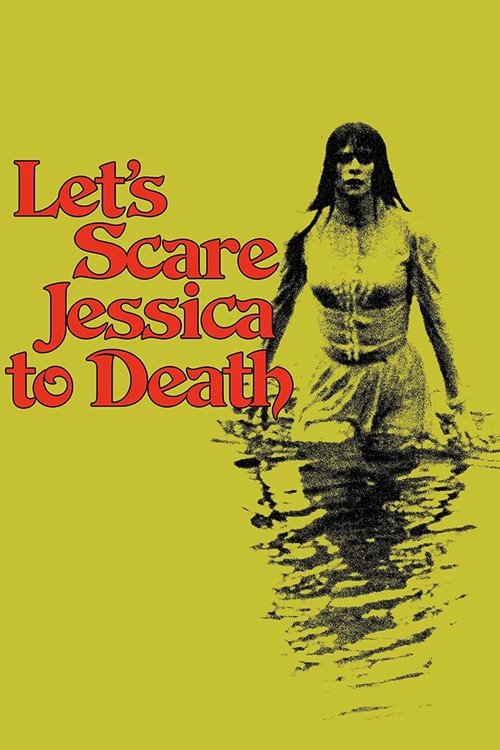
Let's Scare Jessica to Death1971
Another '70s gem about a woman whose grip on reality fractures while staying in an isolated house with people who may or may not have sinister intent. Beautifully shot and genuinely eerie.
But The pacing is deliberate and the ending resists easy answers. Some will find it frustratingly vague.
Not sure tonight? Get a pick in a minute, starting from Symptoms
The wildcard
Something you would not have found on your own.
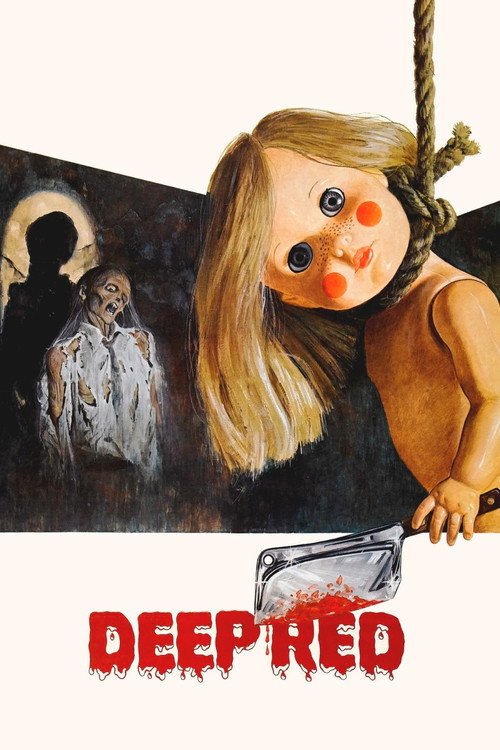
Deep Red1975
Both films use European aesthetics and fractured subjectivity to suggest that reality itself is unstable. Neither trusts the viewer or the protagonist to know what's actually happening.
An Italian giallo that shares 1974's commitment to style-as-narrative and truth-as-unreliable. It's a murder mystery where the visual language matters more than plot consistency, and atmosphere drowns out logic.
But It's nearly 2.5 hours, gory, occasionally absurd, and uses women's bodies as visual spectacle in ways that haven't aged well. Some will find the misogyny intolerable.
More like this (7)
The Wailing2016
A South Korean masterpiece that slowly poisons your certainty about what's happening and who to trust. It has Symptoms' commitment to ambiguity and psychological dread over conventional horror beats.
But It's 156 minutes long and demands active attention. Distraction and this film do not mix.

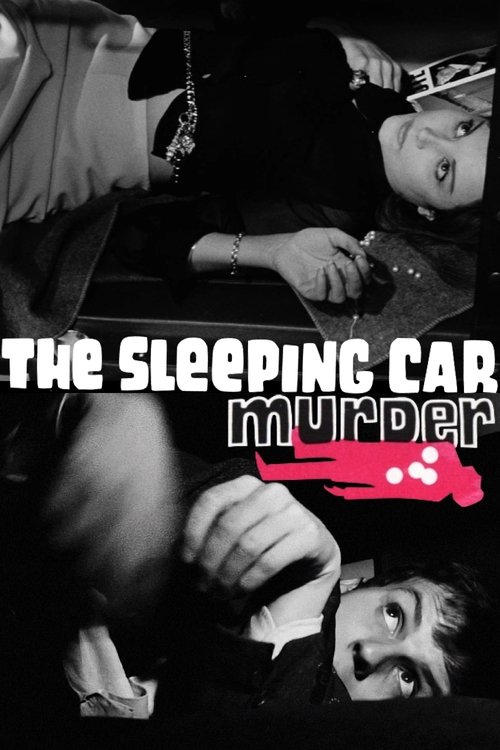
The Sleeping Car Murders1965
French thriller with a similar sense of paranoia and unreliable perception. Stylish, tense, and genuinely clever about what you think you've seen versus what actually happened.
But The plot is intricate enough to lose people who aren't focused. Subtitles required, of course.
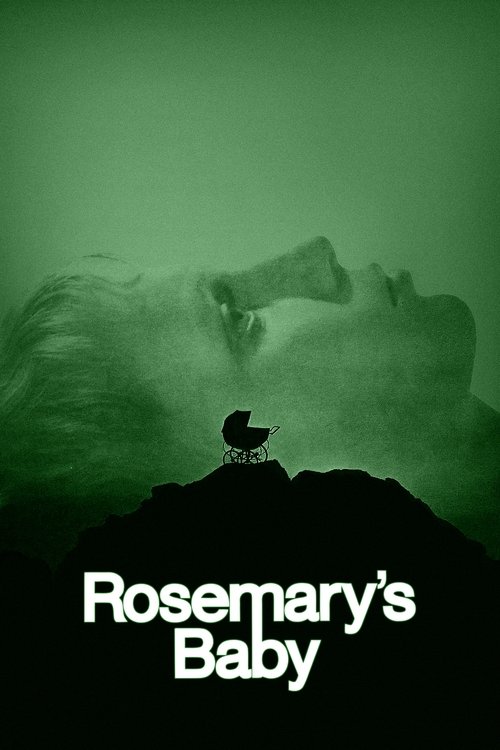
Rosemary's Baby1968
Mia Farrow's slow-motion descent into the possibility that everyone around her is conspiring against her captures that same claustrophobic psychological terror. Paranoia as atmosphere.
But It's a product of its era in ways some find dated. The second half divides audiences on whether it delivers.
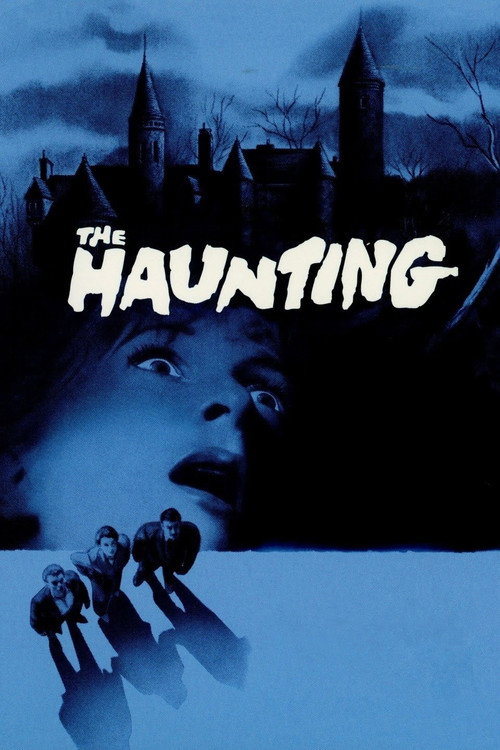
The Haunting1963
Robert Wise's adaptation of Shirley Jackson proves that horror lives in suggestion and sound design. A house that may or may not be genuinely haunted; a woman whose sanity may or may not be failing. The uncertainty is the point.
But There are no gore effects or modern scares. If you need visceral thrills, look elsewhere.
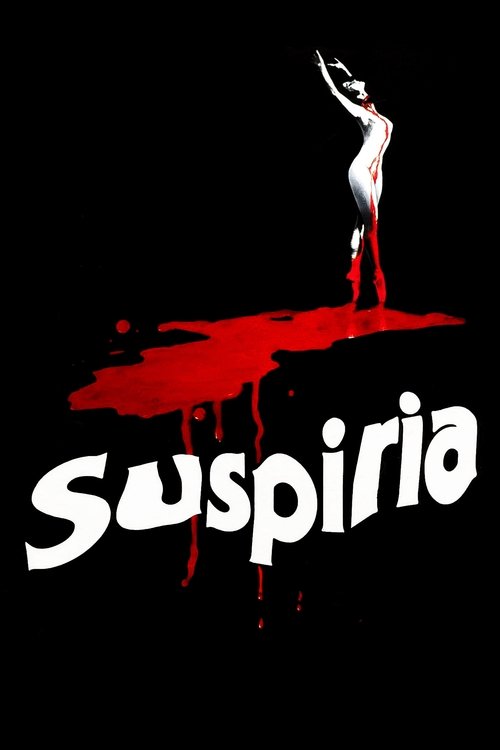
Suspiria1977
Dario Argento's Italian masterpiece prioritizes pure atmosphere—color, sound, geography—over plot coherence. Watching it is an experience more than following a story.
But The narrative is genuinely thin and occasionally makes no sense. That's deliberate, but it alienates viewers who want plot clarity.
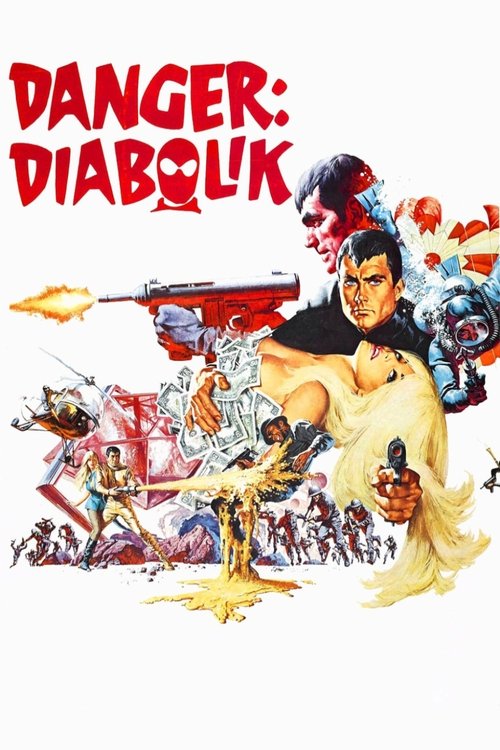
Danger: Diabolik1968
Both are more interested in *how* the camera sees than in what it sees. Character psychology matters less than the space itself—what rooms mean, how light functions, how bodies move through architecture.
A pulp crime caper that's really an exercise in visual control and narrative pleasure—almost like watching someone manipulate a dollhouse. Symptoms has similar DNA: reality is secondary to mood and design.
But It's campy, brightly colored, and operates in a heightened register that's utterly opposed to psychological realism. Pure artifice, which some will find trivial.
Under the Skin2014
Both films weaponize slowness and refuse to explain themselves. They trust dread and strangeness more than plot. Both make you work to understand what you're watching, and that work *is* the experience.
Jonathan Glazer's science-fiction nightmare is almost entirely mood and implication. Long scenes of ambiguous threat, performances that withhold emotion, a Scotland that feels alien. Symptoms is the closest 1974 equivalent to this approach.
But Nothing is explained. The narrative is fractured. Some viewers will find it pretentious or incomprehensible. It will feel like nothing happens for long stretches.

People
Cast
 Angela PleasenceHelen
 Peter VaughanBrady
 Lorna HeilbronAnne
 Nancy NevinsonHannah
- Ronald O'NeilJohn
 Mike GradyNick
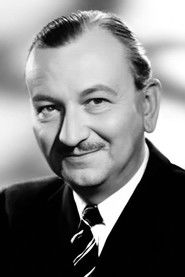 Raymond HuntleyBurke
Directing
- José Ramón LarrazDirector
Writing
- José Ramón LarrazScreenplay
- Stanley MillerScreenplay
- Thomas OwenStory
Production
- Jean L. DupuisProducer