
Film
The Sleeping Car Murders
A locked-room mystery on rails: six strangers share an overnight train from Marseilles to Paris, and when they arrive, one is dead. The investigation spirals into a serpentine thriller where the survivors become suspects and targets. Stylishly assembled, genuinely tense, and endlessly inventive in how it unspools its secrets. A masterclass in plot architecture from Costa-Gavras.
Should you watch it?
Watch it if you enjoy a whodunit built on a tight, claustrophobic setup and a sly, jaunty tone, the kind of French genre film where the pleasure is in the bickering suspects and the cool-headed sleuthing rather than gore.
Skip it if you need a fast, relentless thriller; this is a brisk 89 minutes but it takes its time over interviews and small talk, and its sense of humour may feel slight if you want pure suspense.
What it asks of you: It asks for steady attention in a compact runtime, with a lot of talking and a slow accumulation of clues, and it rewards you for keeping track of who was where and when.
Not sure? Find tonight's pick in a minute.
If you liked this
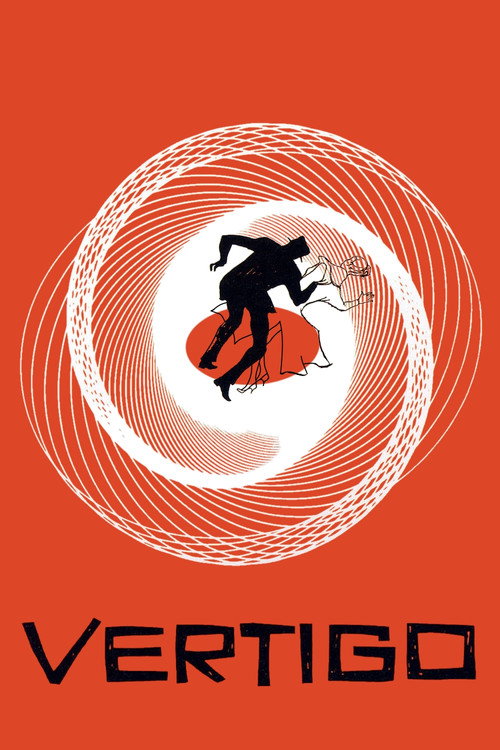
Vertigo1958
A masterwork of suspense built on misdirection and obsession. Hitchcock creates a hypnotic atmosphere where nothing is what it seems and the protagonist—and you—are systematically deceived. Essential cinema.
But It's glacially paced by modern standards, and if you're not patient with psychological slow-burns, you'll fidget through stretches.
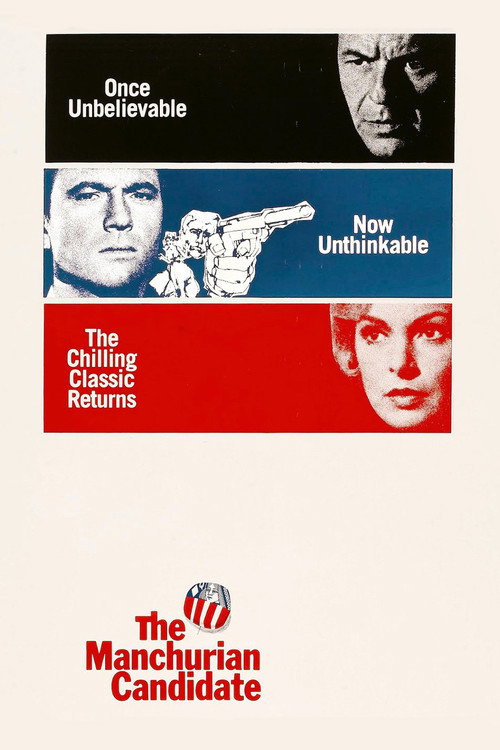
The Manchurian Candidate1962
Paranoid, brilliantly constructed political thriller that unpicks identity and manipulation. Sharp performances, especially Laurence Harvey's chilling turn, and a narrative engine that keeps rewinding to show you what you missed.
But The conspiracy-thriller template has been used to death since; the shock has worn smooth. Some Cold War politics feel dated.
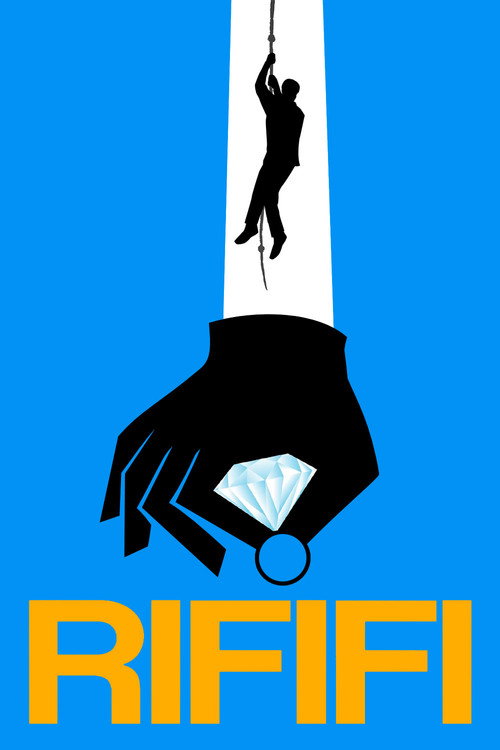
Rififi1955
The heist film that set the mold. A jewel-theft procedural with such precise craftsmanship and visual intelligence that you feel the weight of every decision. A silent, ten-minute robbery sequence that remains stunning.
But It's French film noir—meaning it's austere and morally grey. If you want heroes or resolution that feels clean, you won't find it.
Not sure tonight? Get a pick in a minute, starting from The Sleeping Car Murders
The wildcard
Something you would not have found on your own.
Contempt1963
Both are formal experiments in cinema language deployed to examine how much you can trust what you're shown. Both use the locked space—train or film set—to compress and intensify moral confusion.
Godard's film about a marriage collapsing during the making of a Ulysses adaptation. It's meta and fleshly at once—about how cinema itself betrays or preserves truth. The relationship deterioration is as harrowing as any thriller's body count.
But It's a Godard film: deliberately difficult, full of long takes and essay-like digressions. If you want plot momentum, you'll hate it. Brigitte Bardot spends the film in her underwear as metaphor.

More like this (8)
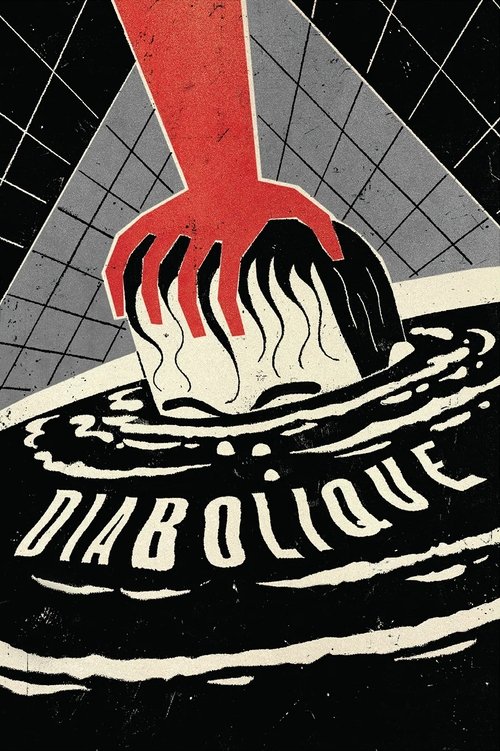
Diabolique1955
An invention of the psychological thriller. Two women conspire to murder the sadistic man they share; the plot twists keep spinning long after you think it's done. Genuinely unsettling, visually inventive, endlessly imitated and rarely matched.
But It relies on shock and body horror that some may find gratuitously nasty. Not a film that invites comfort.
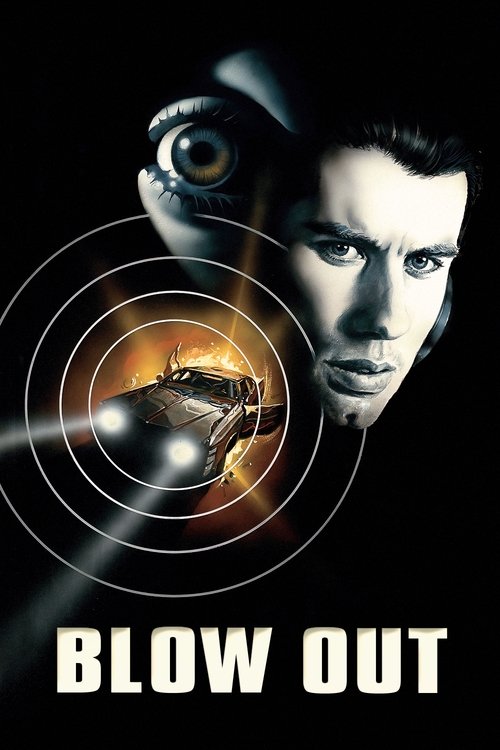
Blow Out1981
De Palma's love letter to Michelangelo Antonioni wrapped in a conspiracy thriller. A sound engineer becomes convinced a politician's car crash was murder. Ravishing cinematography and a protagonist slowly buried by knowledge.
But It's self-consciously stylish in a way that can feel arch. The politics are sketched rather than examined. Some find it more interested in form than justice.
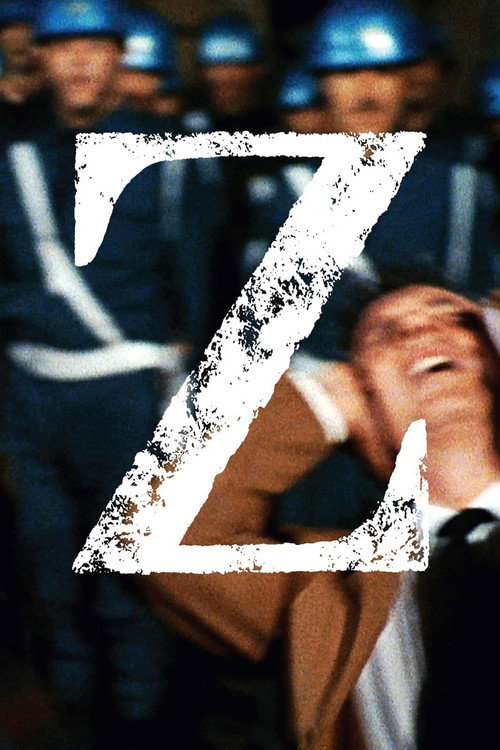
Z1969
Also directed by Costa-Gavras. A political assassination becomes a labyrinthine cover-up. Cut like a bullet, driven by Yves Montand's investigation, and incandescent with righteous anger. Thrilling and furious in equal measure.
But It's overtly political and doesn't hide its sympathies. The allegory to Greece's junta can feel dated if you don't know the history.
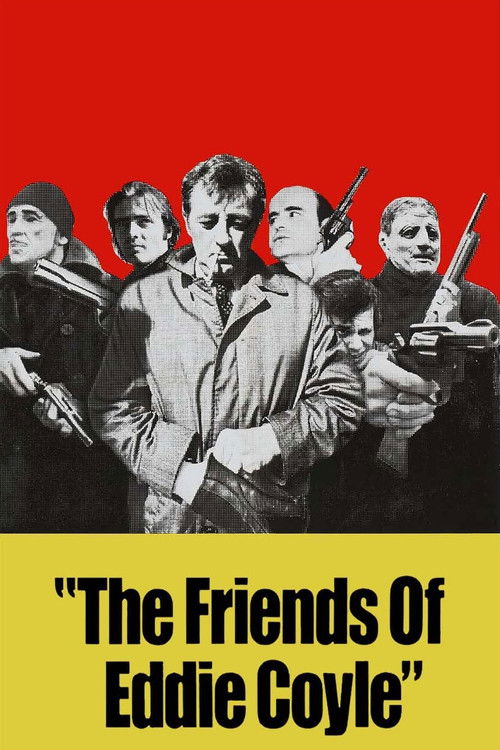
The Friends of Eddie Coyle1973
Robert Mitchum as a small-time criminal caught between the law and the mob. It's a slow-burn procedural about betrayal and desperation, shot with noir restraint and felt deeply. Unglamorous and real.
But It has no heroes and no catharsis. The pace is deliberate to the point of sadness. It's for people who like their thrillers unhappy.
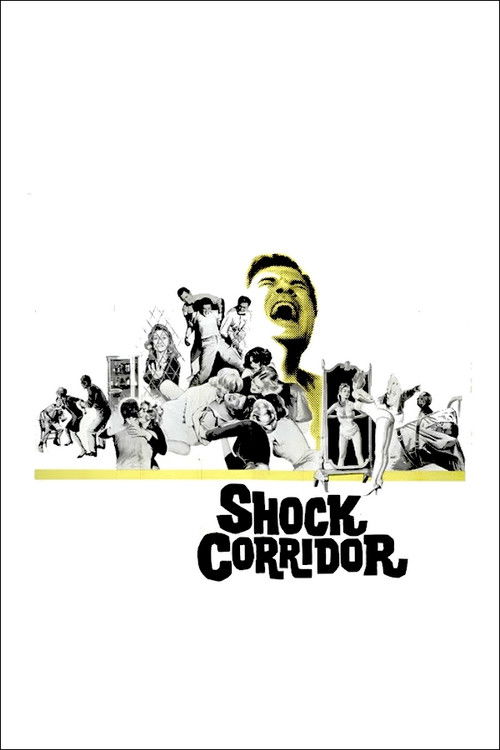
Shock Corridor1963
Samuel Fuller's delirious thriller about a journalist faking insanity to solve a murder inside an asylum. It's feverish, visually wild, and morally reckless in the best way. Absolutely unhinged.
But The depiction of mental illness is exploitative and crude by any standard. It's a fever dream, not a serious engagement with its subject.
The Third Man1949
Post-war Vienna, a murder mystery, and the most seductive cinematography ever committed to film. Orson Welles as a ghost haunting the frame. The zither score is inseparable from its mood.
But It's methodical rather than fast-paced, and the moral ambiguity extends to the ending in ways that frustrate those seeking closure.

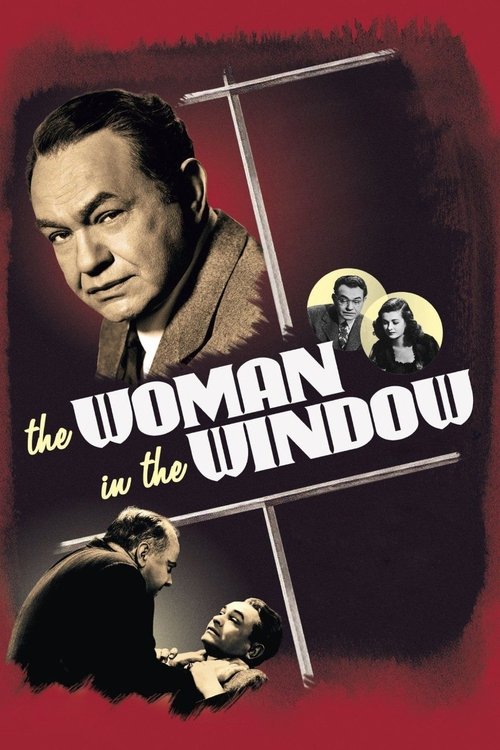
The Woman in the Window1944
Like *Sleeping Car Murders*, it's constructed around watching—the professor observes, misinterprets, and becomes guilty by knowledge alone. Both films make passivity into a trap.
Fritz Lang's noir masterpiece: a law professor witnesses a crime, becomes entangled with the criminals, and spirals into a nightmare of his own making. Shot through with paranoia and the logic of obsession. Visually hypnotic.
But The ending is famously divisive—some see it as genius, others as a cop-out. The pacing is patient to the point of slowness.
La Haine1995
Both films trap you in a shrinking circle of suspects and revelations. But where *Sleeping Car Murders* is a locked-room puzzle, *La Haine* is a ticking clock: you're watching toward inevitability, not away from deception.
Three young men in a Paris banlieue spend 24 hours circling toward violence. Shot in black-and-white with a roving, nearly documentary realism. It's urgent and alive in a way that feels dangerous. Mathieu Kassovitz's direction is kinetic and unflinching.
But It's raw and occasionally brutal, with no reassurance that things will improve. The socioeconomic rage it channels might feel remote or, conversely, too immediate depending on your life. No mystery to solve—only decline to watch.

People
Cast
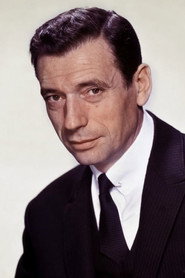 Yves MontandL'inspecteur Grazzi
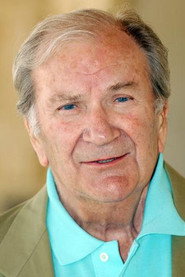 Pierre MondyLe commissaire Tarquin
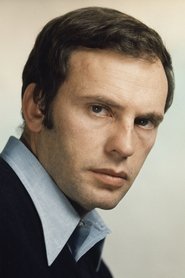 Jean-Louis TrintignantÉric Grandin, étudiant vétérinaire
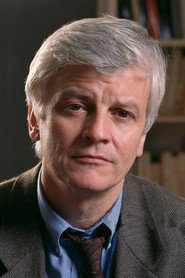 Jacques PerrinDaniel
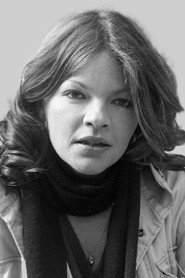 Catherine AllégretBambi
 Simone SignoretEliane Darès, l'actrice éventée (Victime #4)
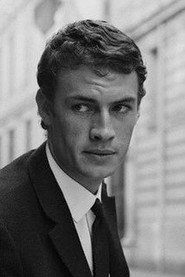 Claude MannJean-Loup Gabert, inspecteur stagière de Grazzi
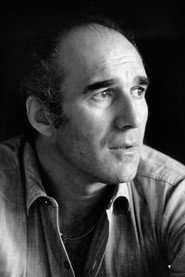 Michel PiccoliRené Cabourg, l'employé besogneux (Victime #2)
 Pascale RobertsGeorgette Thomas, assassinée (Victime #1)
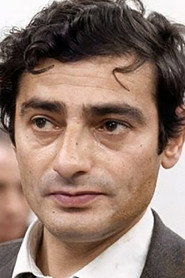 Charles DennerBob, l'amant sincère de Georgette Thomas
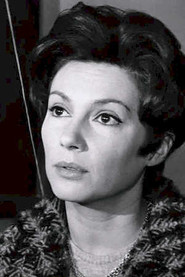 Nadine AlariMme Grazzi
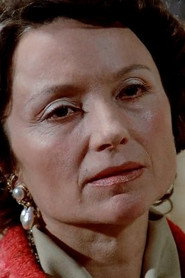 Monique ChaumetteMme Rivolani
Directing
- Jean-Pierre Périer-PilluAssistant Director
- Costa-GavrasDirector
- Bernard PaulFirst Assistant Director
- Annie MaurelScript Supervisor
Writing
- Sébastien JaprisotNovel
- Costa-GavrasWriter
Production
- Julien DerodeProducer
- Jean Paul DelamotteProduction Manager
- Serge LebeauProduction Manager