
Film
The Monkey's Paw
Other titles called The Monkey's Paw: the 2013 film.
A 1933 horror film where a grieving mother uses a cursed monkey's paw to resurrect her dead son, only to confront the horrifying cost of defying death. Atmospherically taut despite its age, it's genuinely unsettling—less about jump scares than the creeping dread of wishes answered wrongly. For anyone drawn to elegant, economical horror that trusts the audience's imagination.
Should you watch it?
Watch it if you like slow-burning fables where dread grows out of a family's quiet bargaining and a single unsettling object, and you don't need modern effects to be unnerved.
Skip it if you want jump scares or a brisk plot, since this is a short, talky piece of period horror that lingers on conversation and waiting rather than shocks.
What it asks of you: Patience first: under an hour, it lets scenes of ordinary domestic talk stretch out, so the unease has to be earned by attention rather than spectacle.
Not sure? Find tonight's pick in a minute.
If you liked this
The Cabinet of Dr. Caligari1920
Expressionist German horror that builds terror through warped sets and psychological unease rather than gore. If you loved the dread in Monkey's Paw, this is its visual cousin—nightmare logic made visible.
But Silent, black and white, and the pacing feels glacial by modern standards. Requires patience and active viewing.

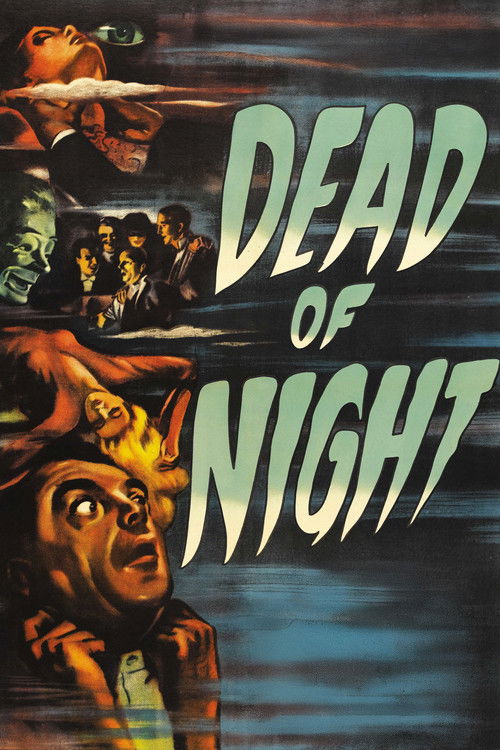
Dead of Night1945
British portmanteau horror where reality fractures through a series of interlocking supernatural tales. Same restraint and intelligence as Monkey's Paw, but with multiple stories that burrow under your skin differently.
But The episodic structure means some segments land better than others. The famous ventriloquist dummy bit overshadows the rest in memory.
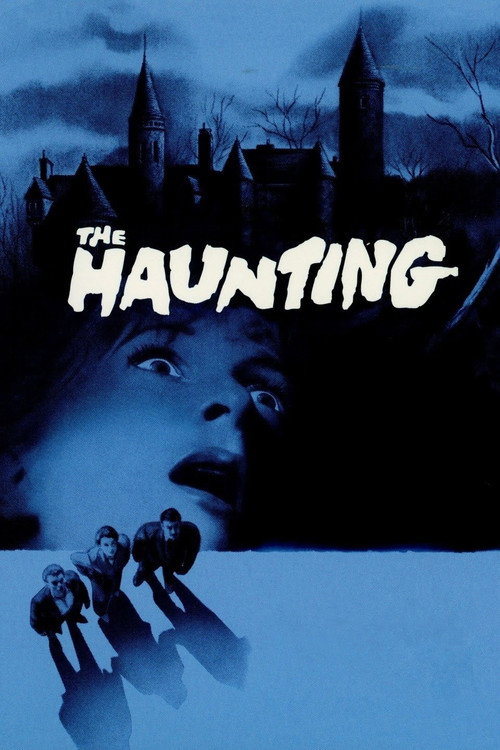
The Haunting1963
Robert Wise's masterpiece about a house that may or may not be genuinely haunted. Builds dread from ambiguity and suggestion, never showing you the full picture—the real horror lives in what you don't see.
But Slow-burn psychological horror won't satisfy anyone wanting action. Some find the protagonist's mental state more unsettling than any ghost.
Not sure tonight? Get a pick in a minute, starting from The Monkey's Paw
The wildcard
Something you would not have found on your own.
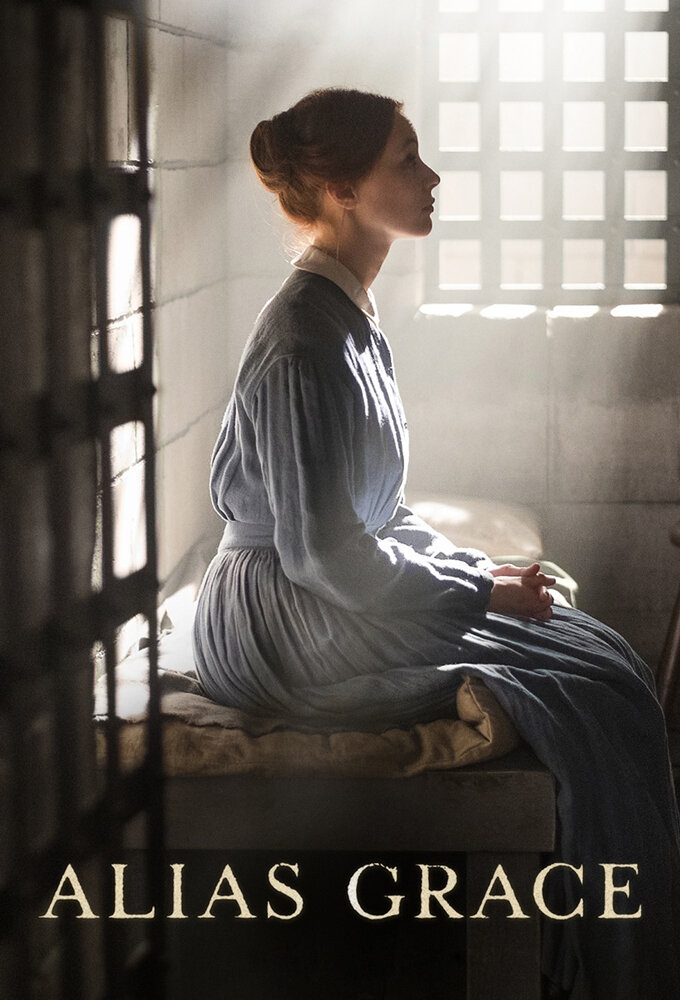
Alias Grace2017
Both explore how desperately we reshape reality to accommodate our desires, and what we lose in that refusal to accept what's done.
Atwood miniseries about a woman imprisoned for murder, slowly revealing what actually happened. Like Monkey's Paw, it's about the distance between what we want to believe and what is true, told with tremendous atmospheric care.
But Six hours is a significant commitment. The pacing is glacial by intention, and the ending resists clarity—some viewers will feel the slowness isn't earned.
More like this (7)
The Wailing2016
Korean horror that spirals outward from a central curse, layering doubt and moral ambiguity with each revelation. It shares Monkey's Paw's fascination with wishes and consequences, but makes you question everything you've seen.
But Two and a half hours with an ending that deliberately refuses to resolve. Some see it as profound; others feel cheated.

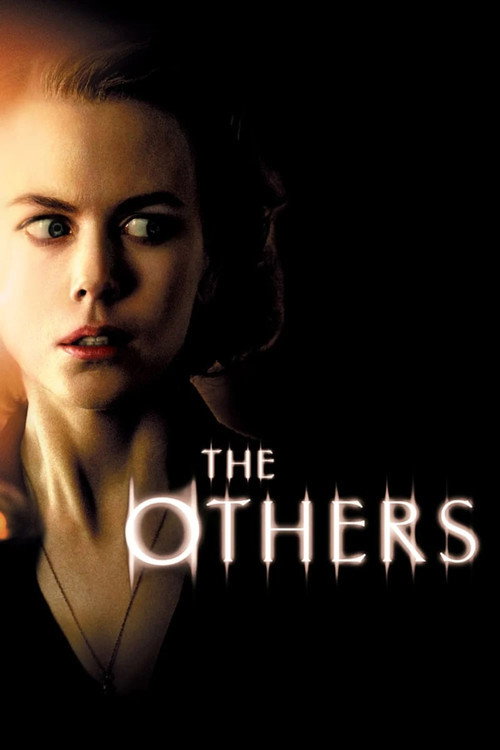
The Others2001
A woman and her children in an isolated mansion begin experiencing supernatural disturbances. The atmosphere is suffocating and elegant, and the twist genuinely recontextualizes everything that came before it.
But If you know the ending going in, it loses its power entirely. The slow pacing tests patience in ways that feel dated now.
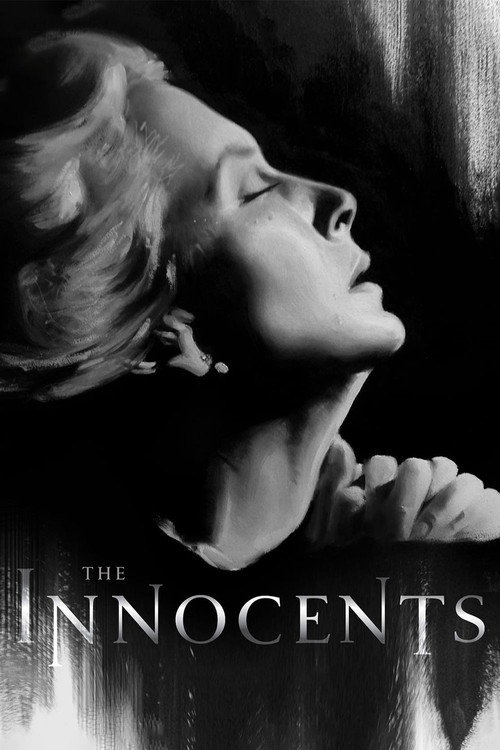
The Innocents1961
Adaptation of The Turn of the Screw that thrives on the question of whether the governess is protecting children or imagining horrors. Cinematography is stunning, and the psychological horror is more disturbing than any apparition.
But Deliberately ambiguous in ways that frustrate viewers wanting clarity. Some will find it pretentious rather than profound.
Mulholland Drive2001
Lynch's fever dream about Hollywood is essentially Monkey's Paw as a two-hour descent into a woman's bargain with fate. If you want surreal, sophisticated horror-adjacent cinema that haunts you for days.
But It's deliberately obscure and resists explanation. Not horror in the traditional sense, and the narrative structure actively confuses on first viewing.

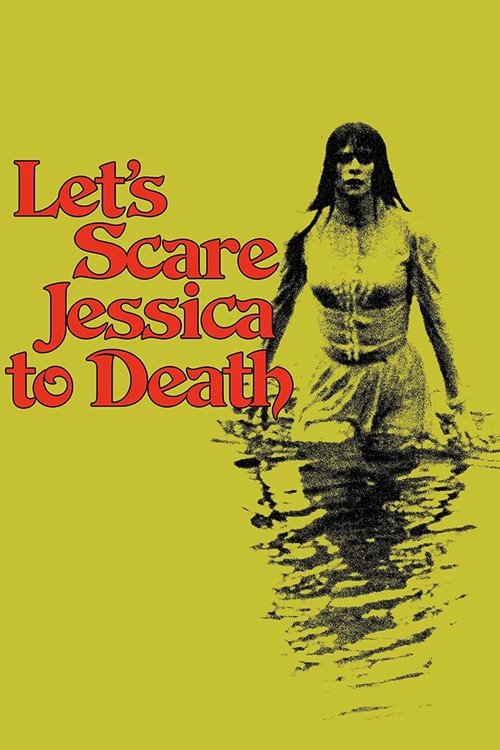
Let's Scare Jessica to Death1971
A woman recovering from a breakdown moves into a house that may contain something far worse than her illness. Low budget but tremendously atmospheric—folk-horror that feels genuinely wrong in ways hard to articulate.
But Very much a product of the 1970s, which means loose plotting and a meandering pace. The climax is deliberately anticlimactic.
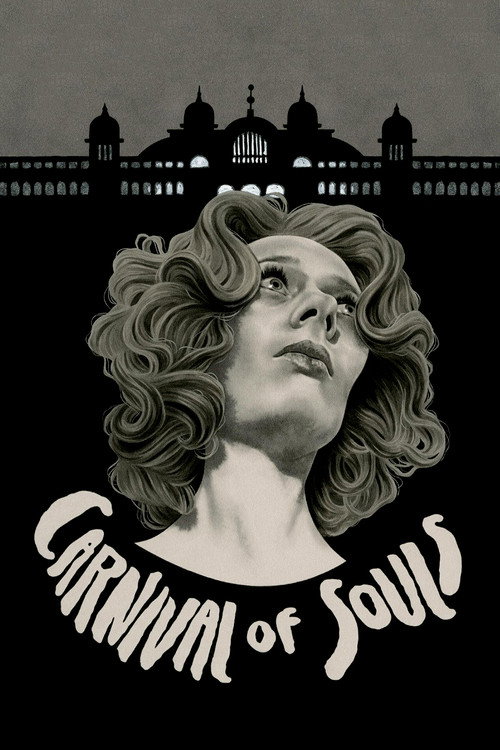
Carnival of Souls1962
Eerie American horror about a woman haunted after a car accident, with a soundtrack and cinematography that feel deliberately detached from reality. Builds a mood of profound isolation and wrongness with minimal resources.
But Genuinely cheap-looking in ways that don't always serve the atmosphere. The acting is stiff, though that sometimes adds to the uncanniness.
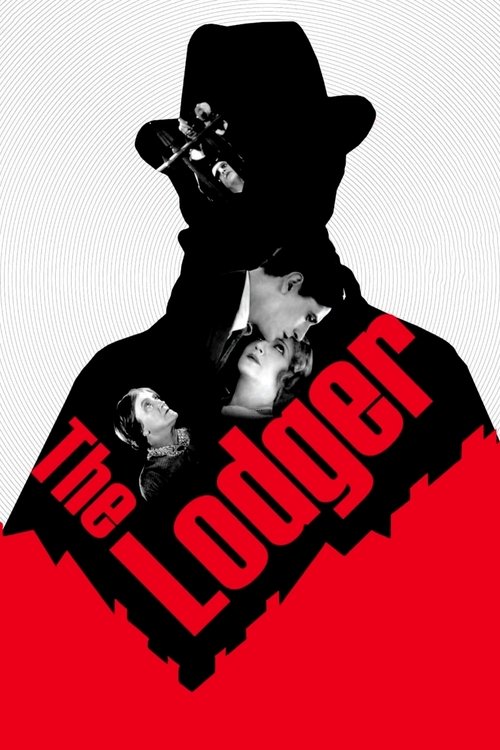
The Lodger: A Story of the London Fog1927
Both are about the horror of living in close quarters with the unknown, and the terrible gap between assumption and knowledge. Both make the domestic space itself feel dangerous.
Hitchcock's silent thriller about suspicion and paranoia in a London boarding house. It's expressionist like Caligari but grounded in everyday domestic space—neighbors become strangers, and safety becomes illusory.
But Silent film from 1927, so no dialogue and intertitles. Requires active engagement that many viewers no longer have patience for.
People
Cast
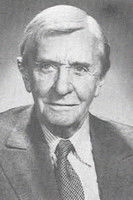 Ivan F. SimpsonMr. White
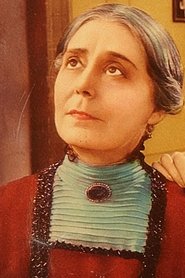 Louise CarterMrs. White
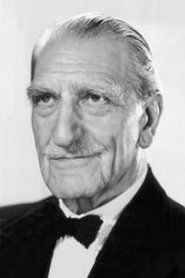 C. Aubrey SmithSergeant Major Morris
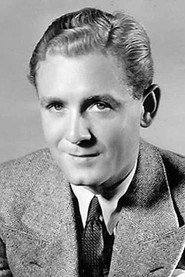 Bramwell FletcherHerbert
 Betty LawfordRose
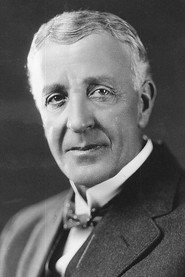 Winter HallMr. Hartigan
 Herbert BunstonSampson
 Nina QuarteroNura
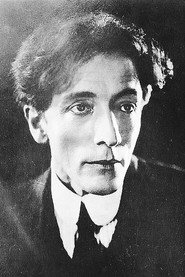 Nigel De BrulierHindu Fakir (uncredited)
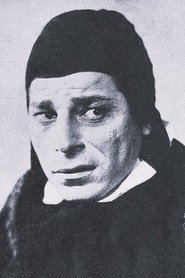 John GeorgeHindu (uncredited)
Directing
- Wesley RugglesDirector
Writing
- W.W. JacobsStory
- Louis N. ParkerTheatre Play
- Graham JohnWriter
Production
- Merian C. CooperProducer
- Pandro S. BermanProducer