
Television series
Alias Grace
- Crime
- Period drama
- Mystery
- Very dark
A haunting psychological drama based on Margaret Atwood's novel about Grace Marks, a 19th-century Irish servant convicted of murder in Canada. Oscillating between her prison interrogation and fragmented memories, it's a meticulous exploration of trauma, unreliable testimony, and whether we can ever truly know another person's guilt. Beautifully crafted, morally complex, and utterly absorbing.
Should you watch it?
Watch it if you want a slow, patient period mystery where the central question is what really happened, and the reliability of the teller matters as much as the crime.
Skip it if you need propulsion from a crime drama, since much of the running time is spent in conversation, reflection and a slow unpicking of the past rather than action.
What it asks of you: Six hour-long episodes that ask for patience and sustained attention; it moves at the pace of testimony, with a bleak, cold atmosphere rather than shocks.
Not sure? Find tonight's pick in a minute.
If you liked this
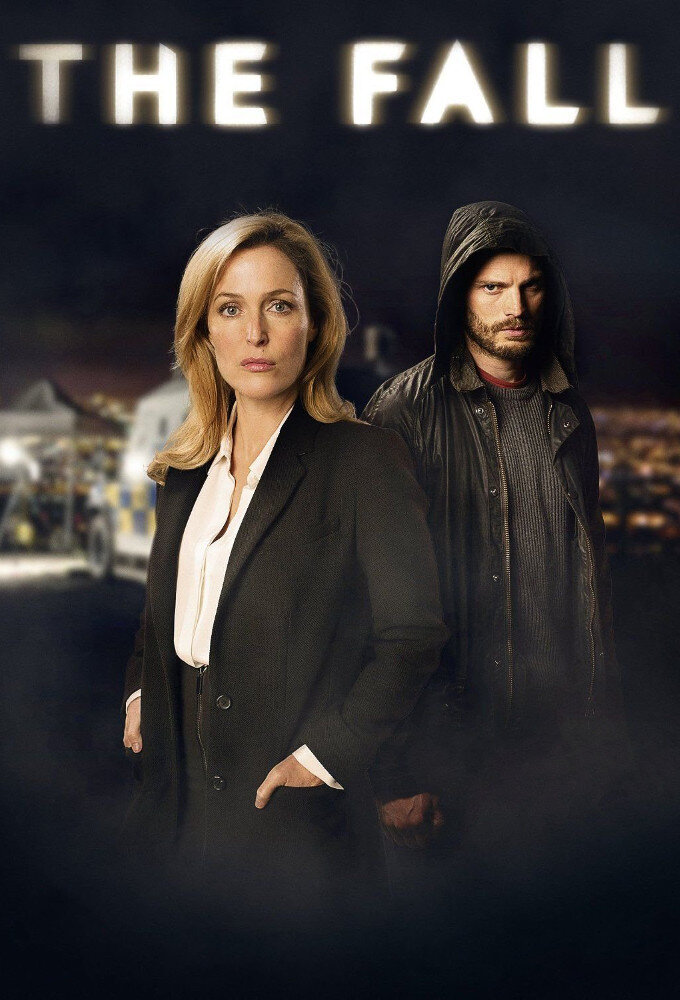
The Fall2013
A detective pursues a serial killer through Belfast's streets in this taut psychological thriller. Like Alias Grace, it's anchored by mesmerizing performances and refuses easy answers about the criminal mind and justice.
But Darker and more violent than Alias Grace, with less period atmosphere and more contemporary brutality. The ending divides viewers.
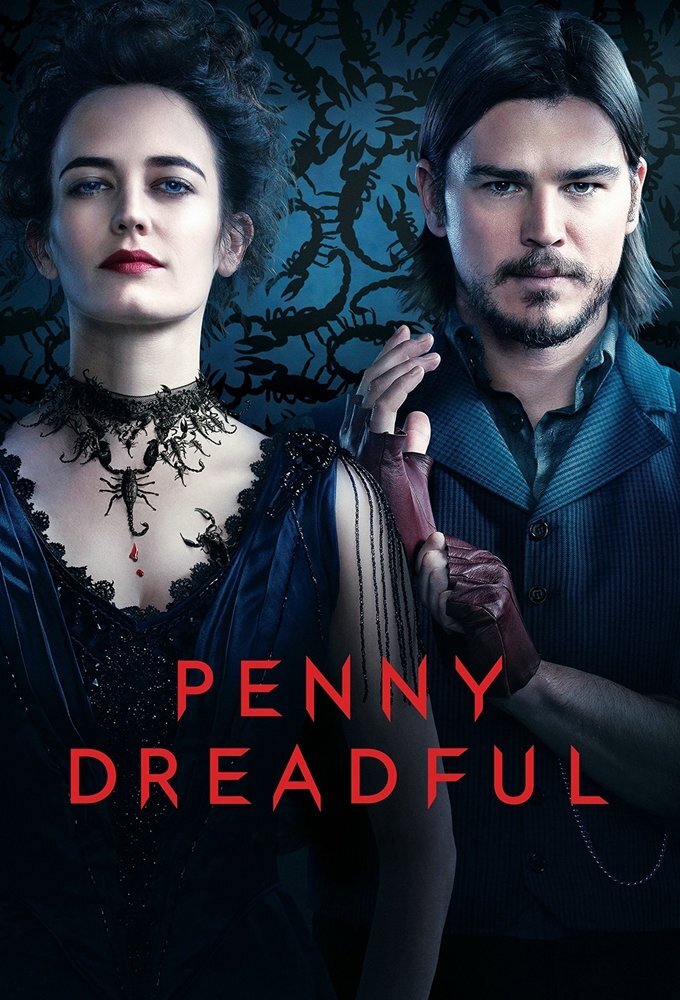
Penny Dreadful2014
Gothic horror that treats its characters with the same psychological depth and period authenticity Alias Grace brings to its heroine. Gorgeously shot, morally ambiguous, structured around interrogation and revelation.
But Much more overtly supernatural and horror-focused. Jumps between timelines and characters rather than centering on one consciousness. Slower burn than some expect.
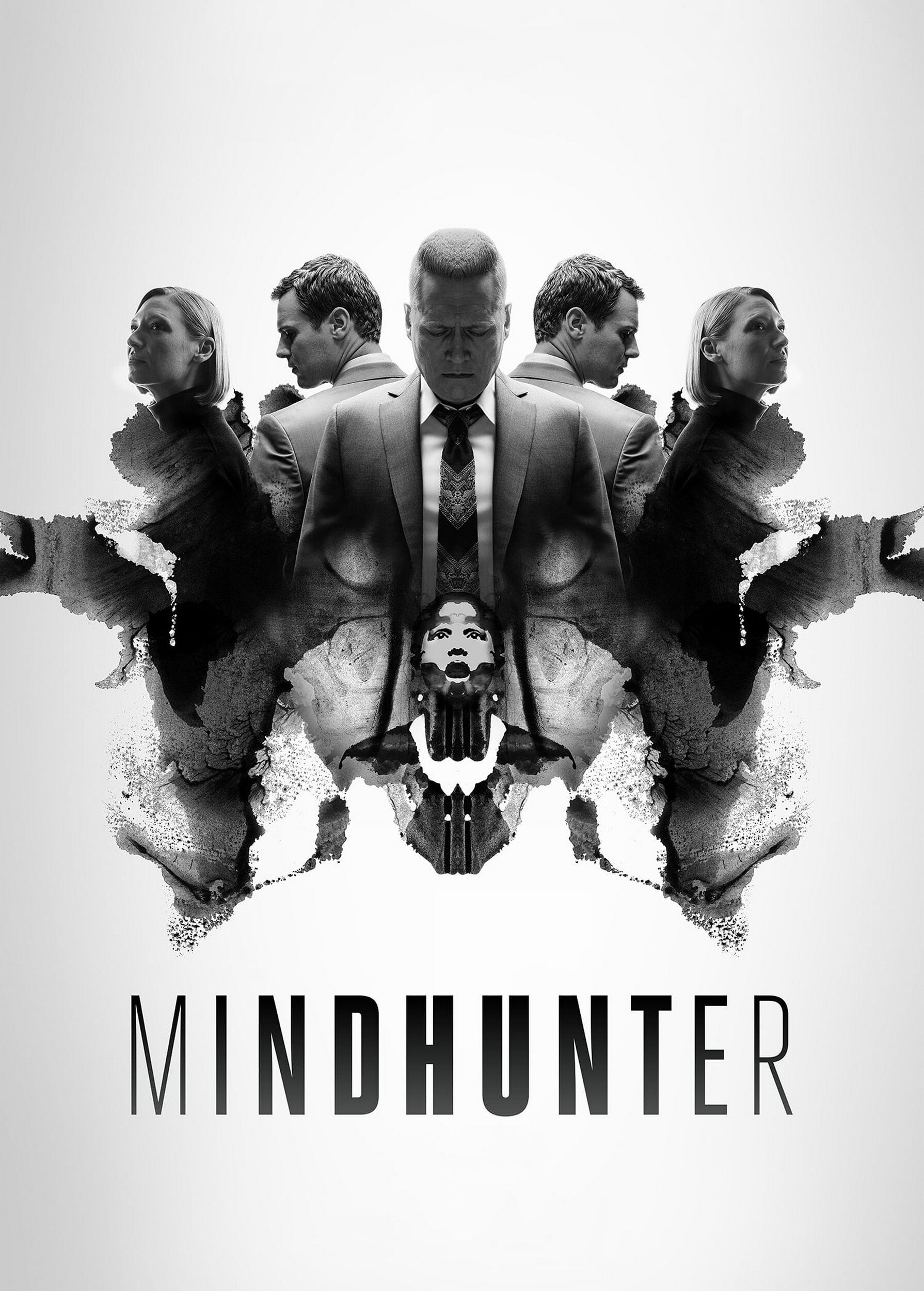
MINDHUNTER2017
A meticulous drama about the birth of criminal psychology, built on conversations between investigators and killers. It shares Alias Grace's fascination with what lies beneath confession, and the unreliability of the human narrative.
But Less interested in period detail than Alias Grace. The second season loses momentum, and it was cancelled before its intended endpoint.
Not sure tonight? Get a pick in a minute, starting from Alias Grace
The wildcard
Something you would not have found on your own.
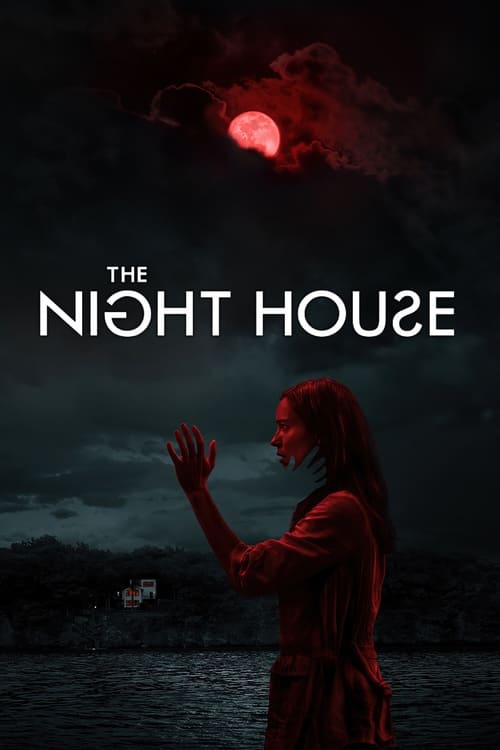
The Night House2021
Both are about women trying to construct truth from fragments of memory and competing interpretations of events. Both ask whether understanding is even possible.
A widow tries to understand her dead husband through the house he left her. Like Alias Grace, it's a chamber piece about narrative reconstruction—what story do we tell about the people we loved? What do we choose to believe? Rebecca Hall's performance carries you into genuine ambiguity.
But Essentially a one-woman show with horror elements. Some will find it slow or too interior. It's about mood and dread rather than plot.
More like this (8)
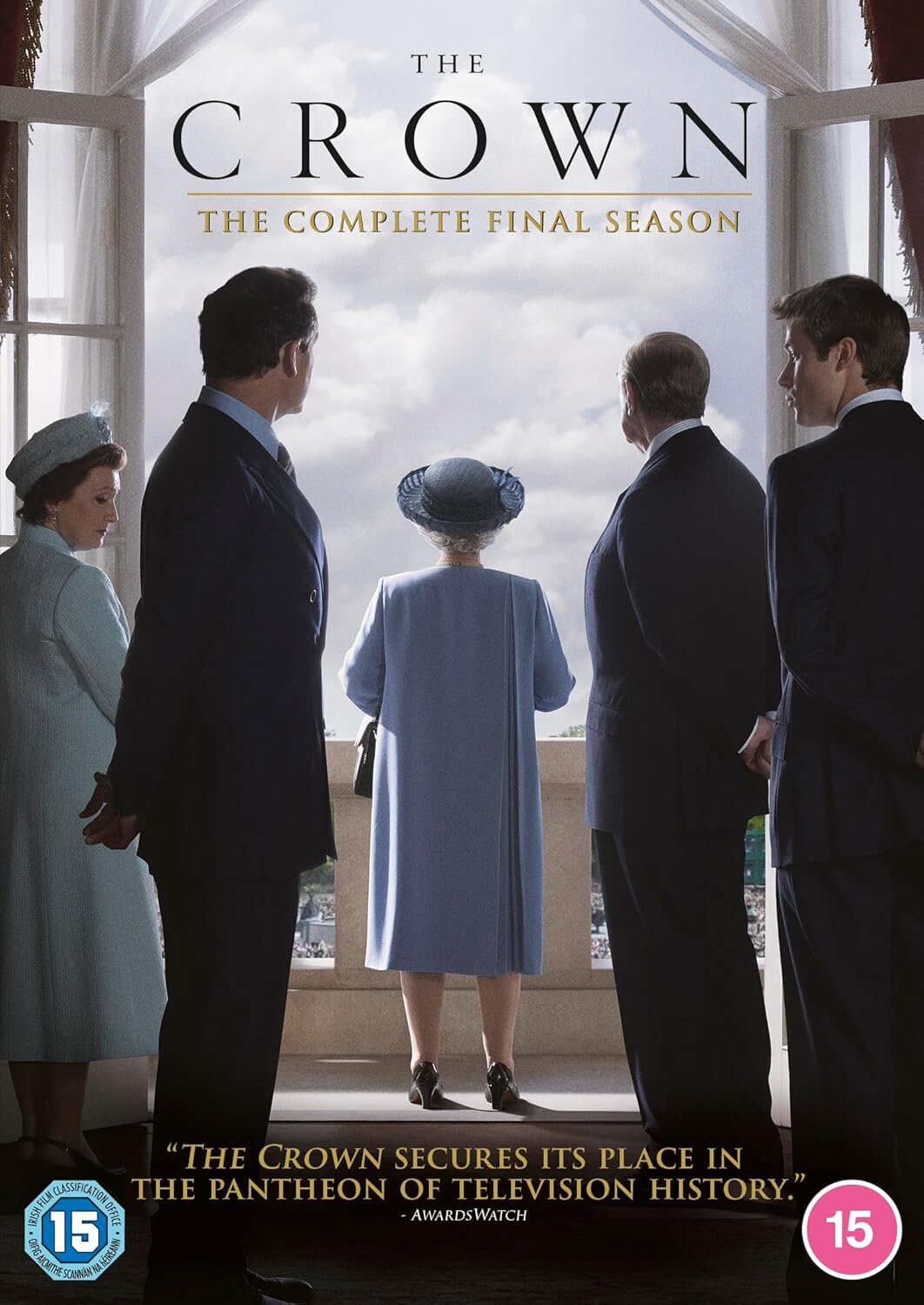
The Crown2016
Like Alias Grace, it interrogates historical events through character psychology rather than just plot. Both are about power, public perception, and the gap between what people believe and what's true.
But Ten times the budget and scope means it lacks Alias Grace's intimate intensity. More courtly drama than psychological thriller.
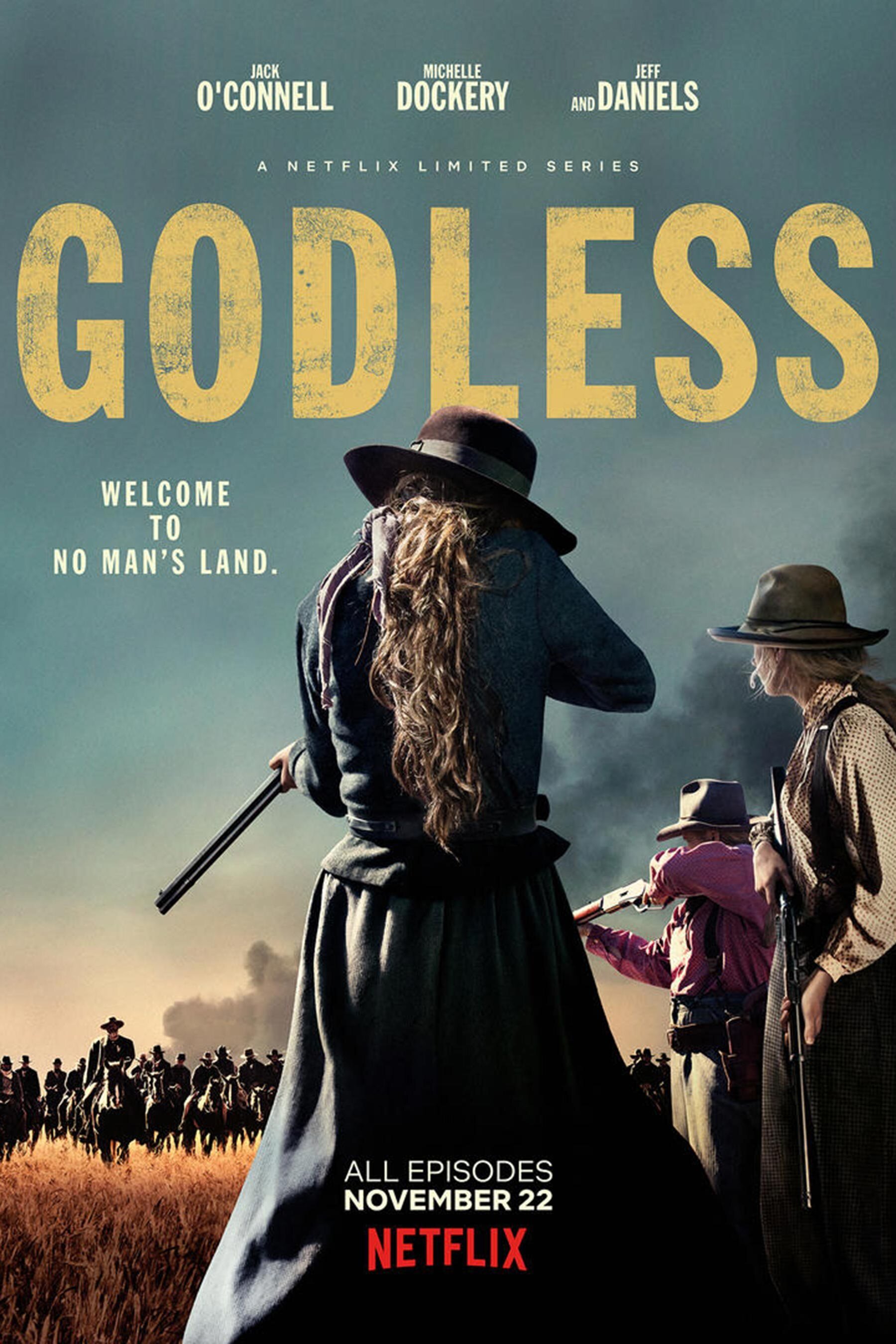
Godless2017
A western built around a woman at its moral centre, facing a town that wants to decide her guilt or innocence. It mirrors Alias Grace's themes of female powerlessness and competing narratives about who deserves blame.
But Pulpier and more action-driven than Alias Grace. Less interested in the interior life, more in gunfights and plot momentum.
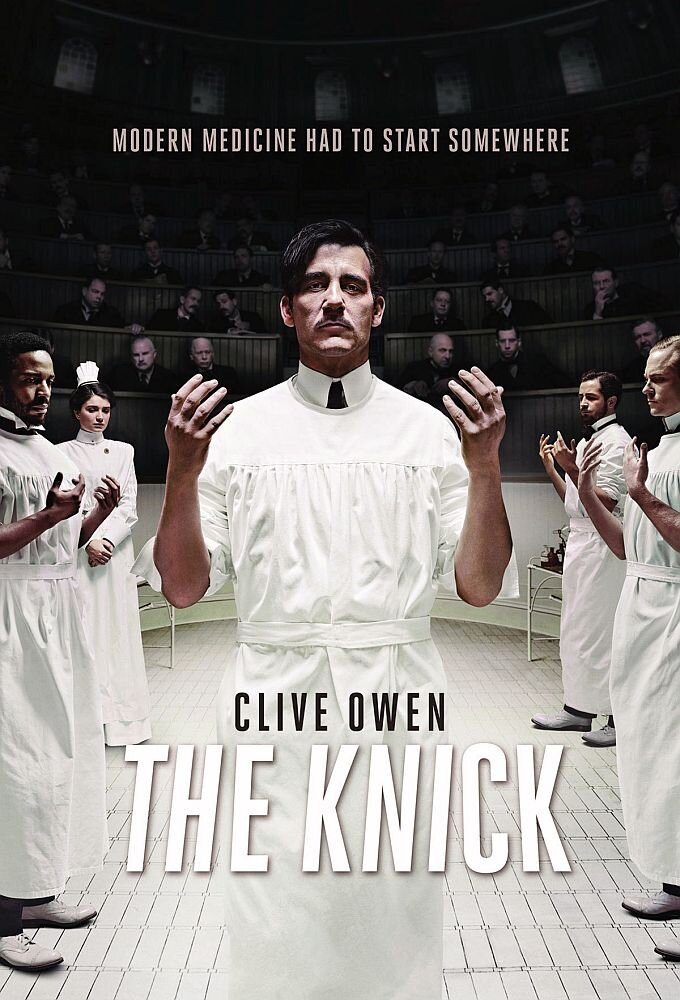
The Knick2014
Period medical drama set in 1900s New York with the same visual richness and moral complexity as Alias Grace. Both examine how institutions fail individuals, particularly the vulnerable.
But Focuses on a hospital rather than a single consciousness. More ensemble-cast driven. Contains graphic surgery and drug addiction as central themes.
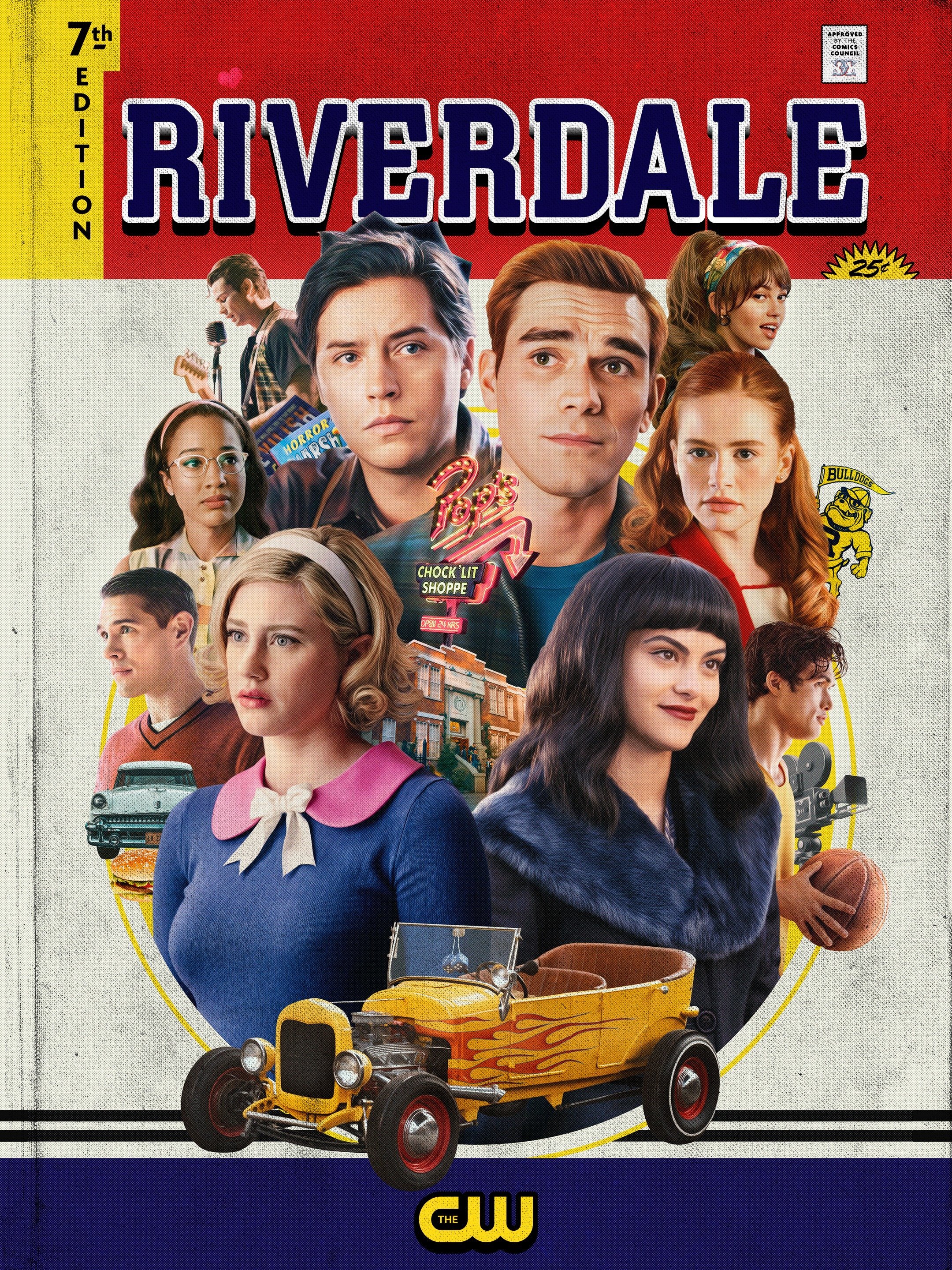
Riverdale2017
A mystery about a murder in a small town, built on competing testimonies and the secrets people keep. Both shows ask whether we ever really know the people around us.
But Becomes increasingly melodramatic and loses plausibility. Tone lurches between noir and teenage soap opera. Far less intelligent about its themes than Alias Grace.
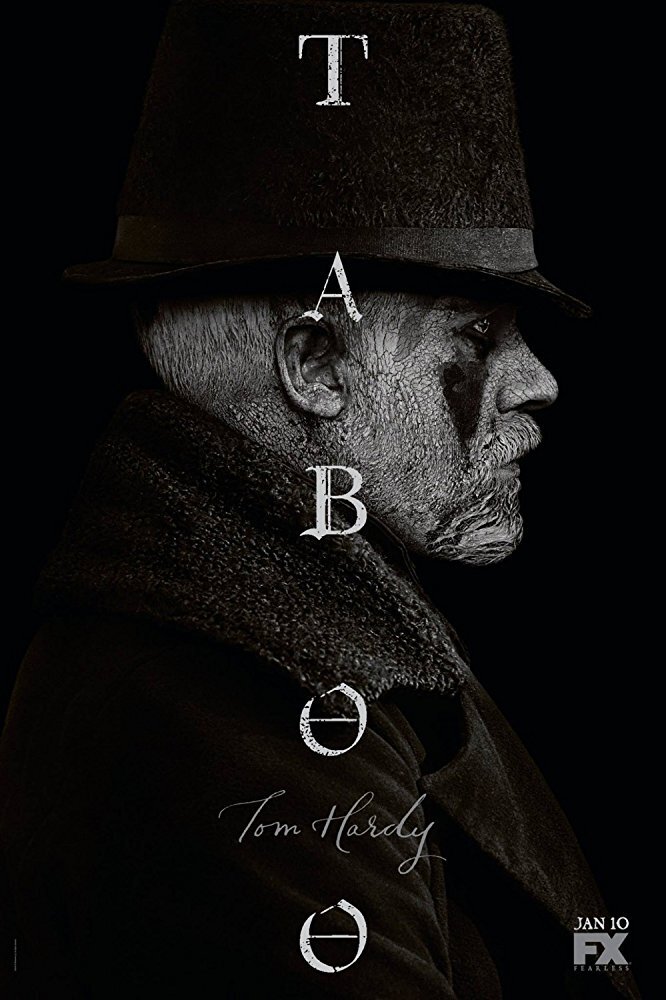
Taboo2017
A dark period thriller about an outsider navigating a hostile society. Both are set in the 19th century, feature traumatised protagonists, and treat historical detail with genuine respect.
But Tom Hardy's performance is impenetrable rather than revealing. Nastier and less psychologically curious than Alias Grace, more focused on revenge.
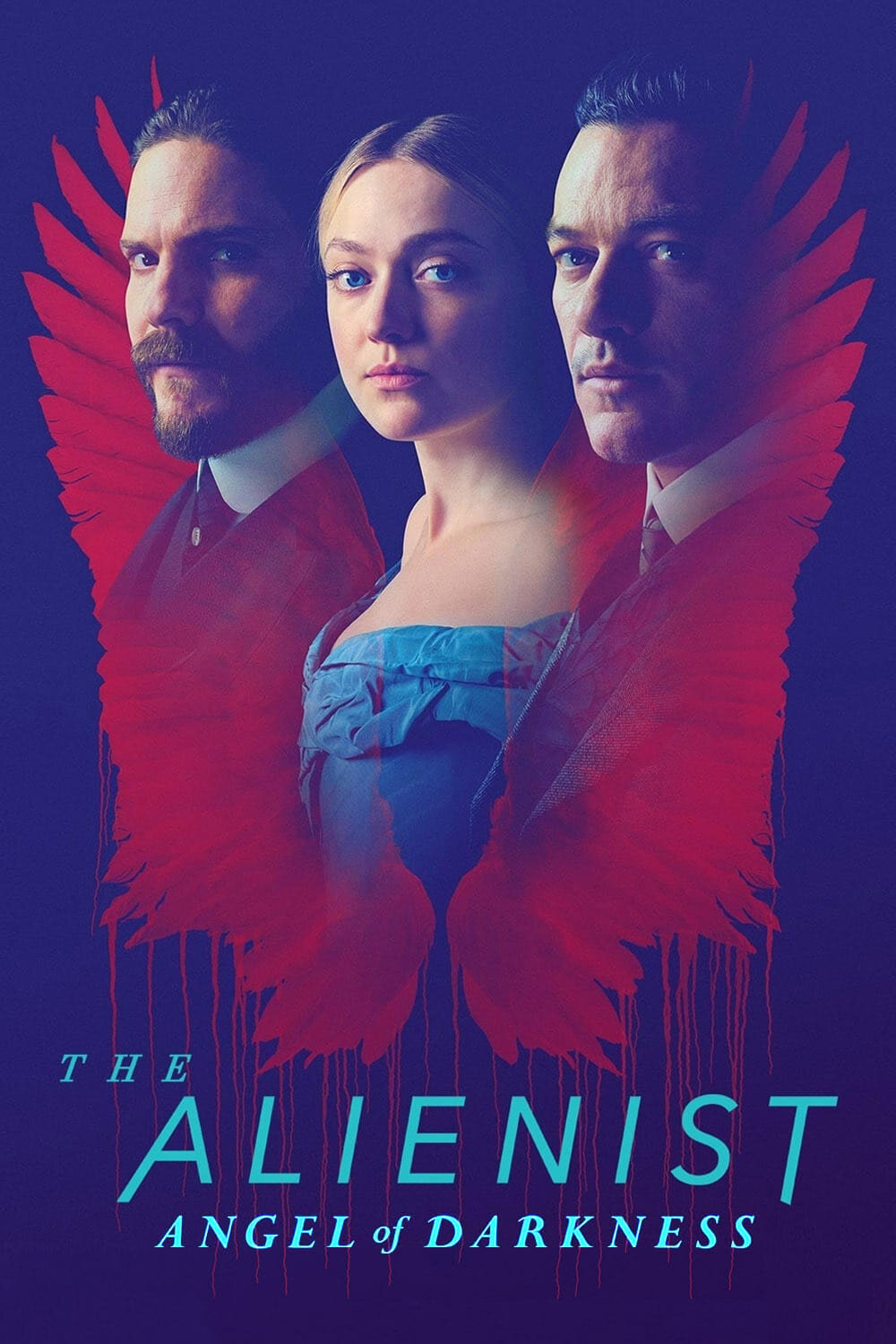
The Alienist2018
A 1890s murder mystery examining the birth of criminal psychology. It shares Alias Grace's period authenticity and fascination with how we interpret criminal behaviour through a modern lens.
But More of a traditional procedural thriller than a character study. The sequel season loses focus. Less concerned with the unreliability of memory and narrative.
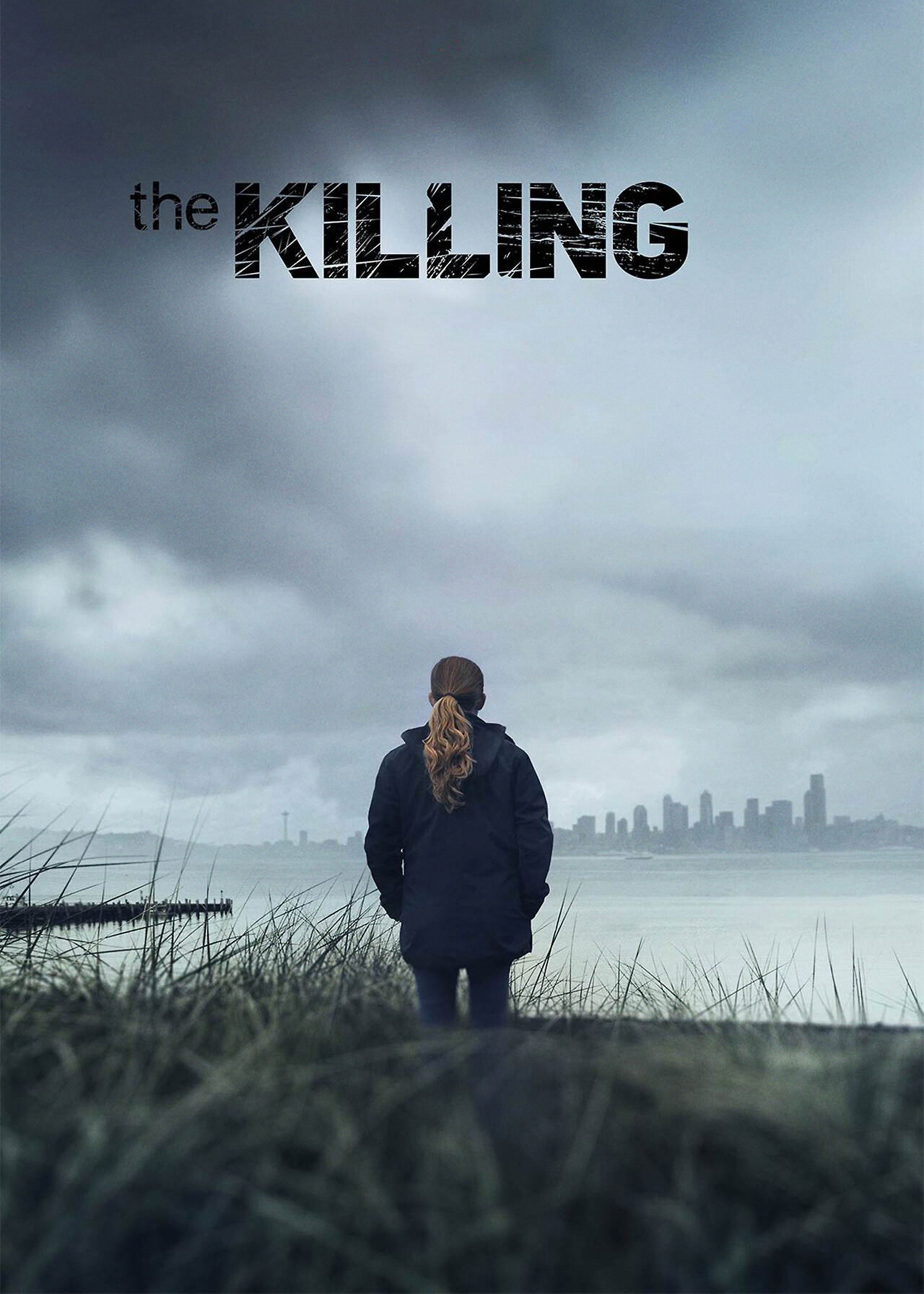
The Killing2011
Both understand that how we investigate crime and construct guilt says more about the investigators and society than about the crime itself. Both are skeptical of certainty.
A Danish police procedural that influenced prestige TV forever. What makes it essential after Alias Grace is its refusal to resolve cleanly—it suggests that murder investigations reveal the limits of truth-seeking, not truth itself. Hypnotic storytelling.
But Subtitled. Spreads a single murder across 20 hours of television. Relentlessly bleak in ways that exhaust some viewers. The solution feels almost incidental.
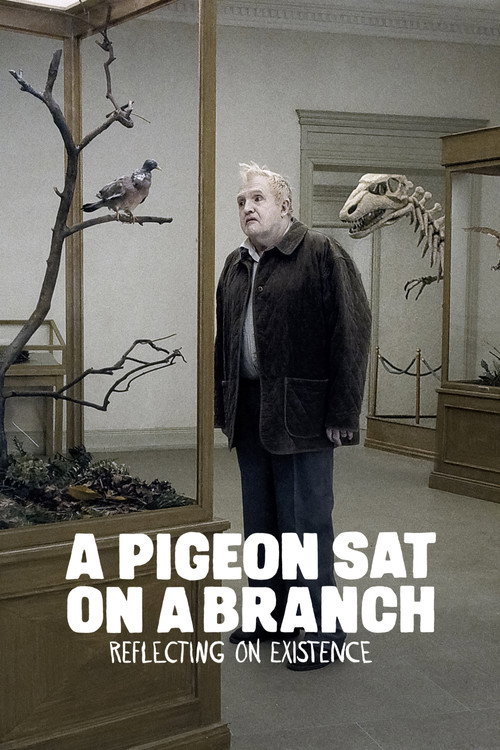
A Pigeon Sat on a Branch Reflecting on Existence2014
Both are portraits of consciousness confronting the gap between what we know and what we can understand. Both suggest that some truths resist language.
A surreal, deadpan Swedish meditation on death, decay, and the stories we tell ourselves. It has nothing to do with crime or Canada, but it shares Alias Grace's core obsession: how do we make sense of inexplicable suffering? Roy Andersson's vision is hypnotic, funny, and devastating.
But Not a narrative in any conventional sense. No plot, minimal dialogue, deliberately artificial. Will feel like a punishment to anyone wanting traditional storytelling.
People
Cast






Writing
- Sarah PolleyCreator
Production
- John BuchanCo-Executive Producer
- Lori WatersCo-Producer
- Marla BoltmanCo-Producer
- Mary HarronExecutive Producer
- Noreen HalpernExecutive Producer
- Sarah PolleyExecutive Producer
- D.J. CarsonProducer
- Sarah PolleyProducer
- Margaret AtwoodSupervising Producer
Recommended by
Six Wives with Lucy Worsley, The Monkey's Paw, Agatha and the Truth of Murder, Bomb Girls, Picnic at Hanging Rock, Lessons in Chemistry, Anne Boleyn