
Television series
Lessons in Chemistry
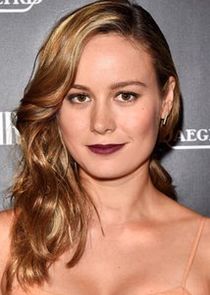
A 1950s drama about a female chemist forced into a TV cooking show, where she smuggles science lessons and quiet subversion into every recipe. Brie Larson carries it with intelligence and warmth, finding comedy and heartbreak in the gap between what women were told they could do and what they refused to accept. Earnest, furious, hopeful—a feel-good show that earns it.
Should you watch it?
Watch it if you like sharp, warm stories about a stubborn woman fighting a rigged system with wit and precision, and don't mind a sweetness that occasionally lectures.
Skip it if you want something breezy, because its humour is dry and its grievances are real and rarely far from view.
What it asks of you: Eight episodes of about 45 minutes, unhurried and steady rather than snappy, with scenes that linger on small domestic detail and then turn sharp.
Not sure? Find tonight's pick in a minute.
If you liked this
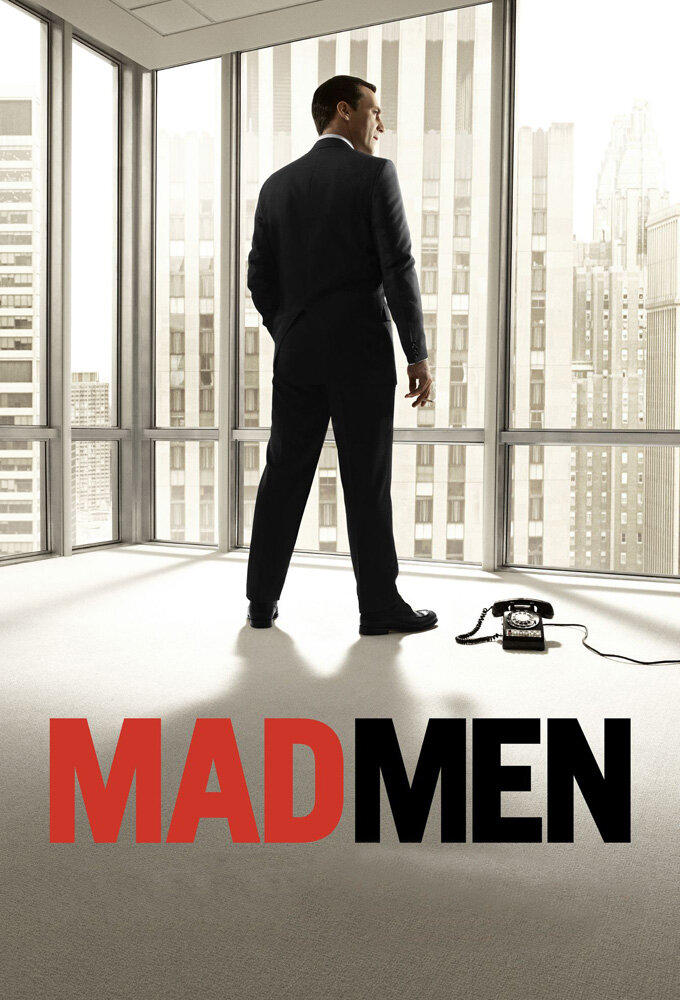
Mad Men2007
Captures the same suffocating 1960s corporate world and the brilliant people forced to play smaller versions of themselves. Don and Elizabeth both understand the cost of performance and the hunger underneath.
But Slower, colder, and much darker. It won't make you feel as good at the end.
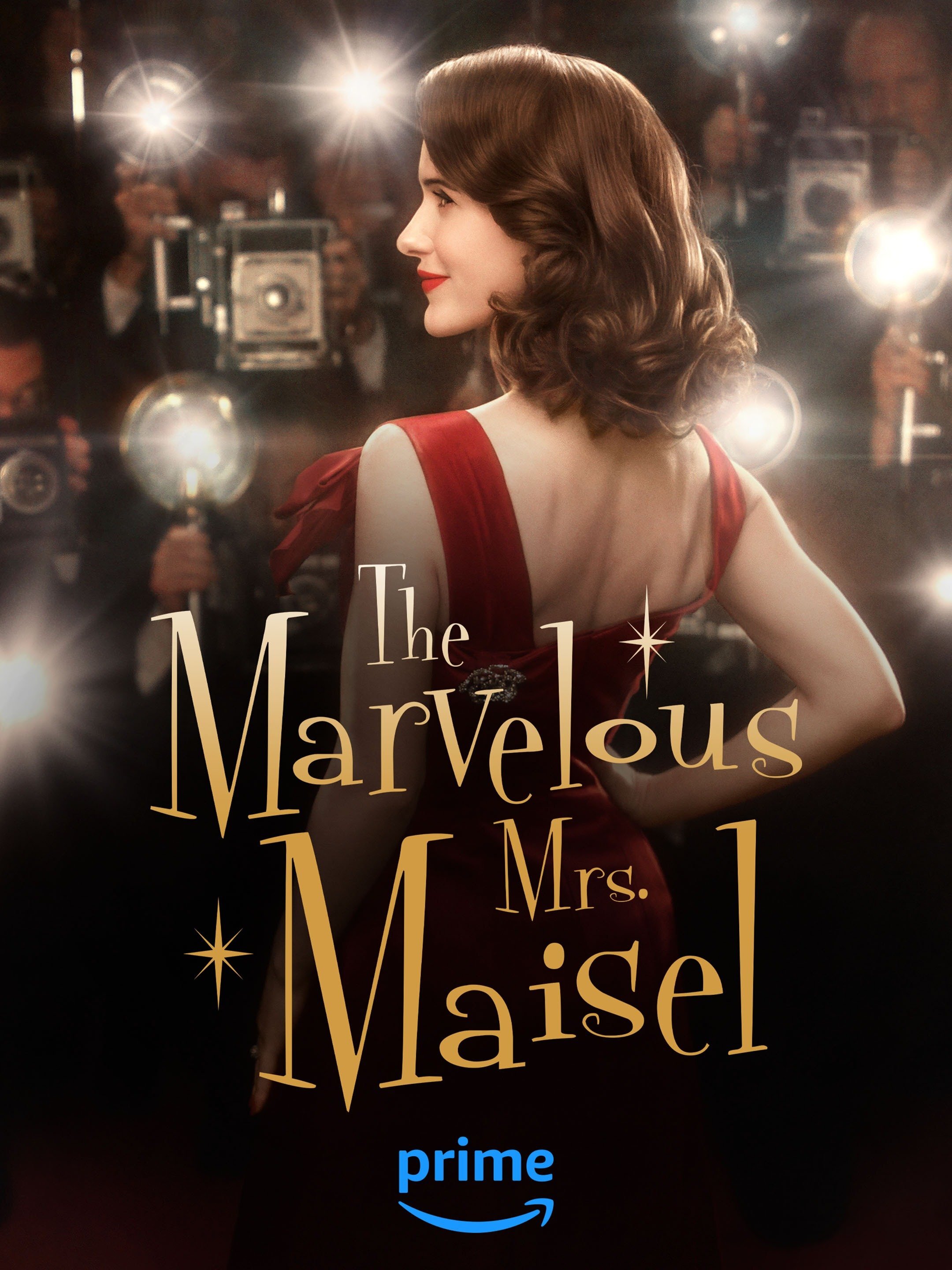
The Marvelous Mrs. Maisel2017
Another woman using wit and nerve to build a life the world wasn't ready to hand her. Both shows understand that breaking the rules is a form of love.
But Faster and more comedic. If you want more weight and fewer laughs, this might feel too bright.
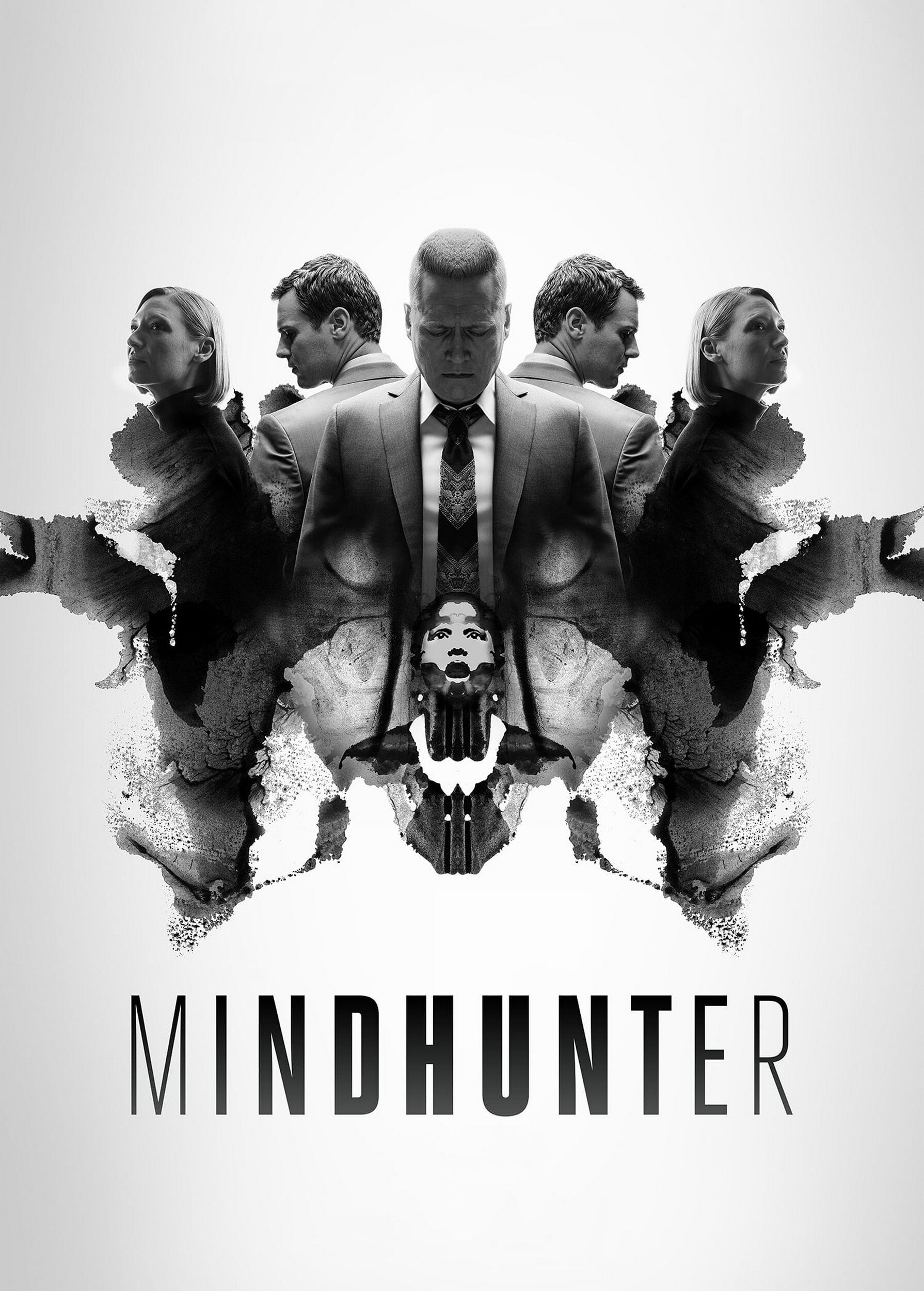
MINDHUNTER2017
David Fincher's precise attention to 1970s institutional resistance to new ideas. The fight to be heard, taken seriously, and believed in a world designed to dismiss you.
But Bleak and forensic. No warmth or uplift. The show stops abruptly after two seasons.
Not sure tonight? Get a pick in a minute, starting from Lessons in Chemistry
The wildcard
Something you would not have found on your own.
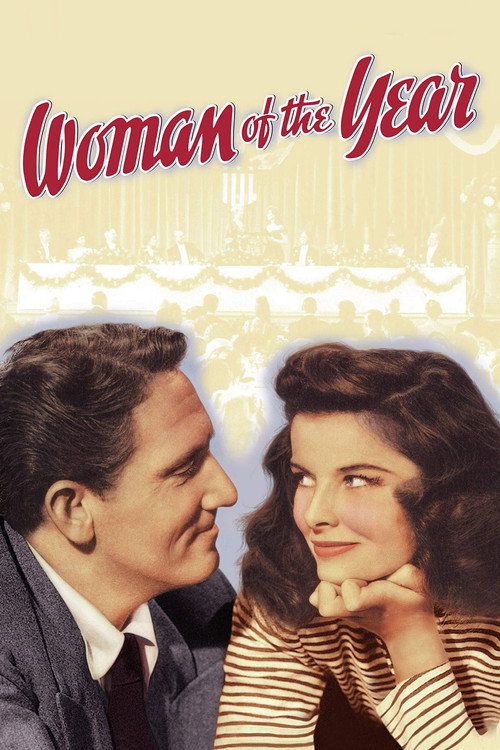
Woman of the Year1942
Both are mid-century stories about women excelling at things they're not supposed to excel at, and the men who either help or hinder. But where Elizabeth finds power through cooking, Tess finds it through journalism—the genres are flipped, the stakes are the same.
Screwball comedy about a brilliant political journalist (Katharine Hepburn) who marries a sportswriter (Spencer Tracy). Same-era energy, but inverted: watch what happens when they both have ambition and neither will shrink.
But Black-and-white 1940s pacing. The ending compromises the woman's autonomy in ways modern viewers will notice. Lighter in tone than the miniseries.
More like this (8)
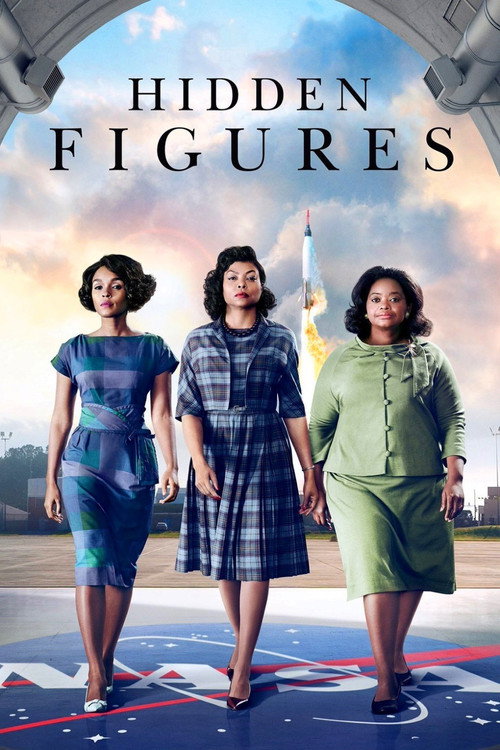
Hidden Figures2016
The same DNA: brilliant women in mid-century STEM constantly proving their worth while the world moves backward. Propulsive, joyful, and genuinely moving without being soft.
But More of a feel-good crowd-pleaser. Less interested in the crushing weight of it all.
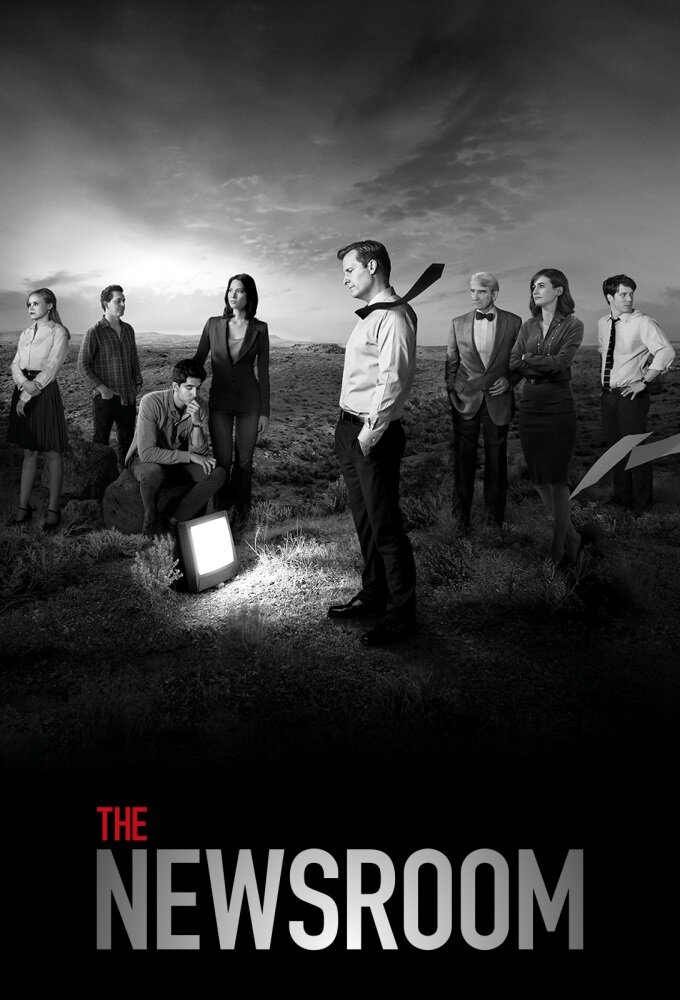
The Newsroom2012
Idealistic people trying to do good work in an institution that doesn't quite want them to. Sorkin's dialogue and Elizabeth's drive share the same engine: speaking truth as an act of resistance.
But Sorkin's trademark speed and speeches can feel preachy. The show is self-satisfied about its own righteousness.
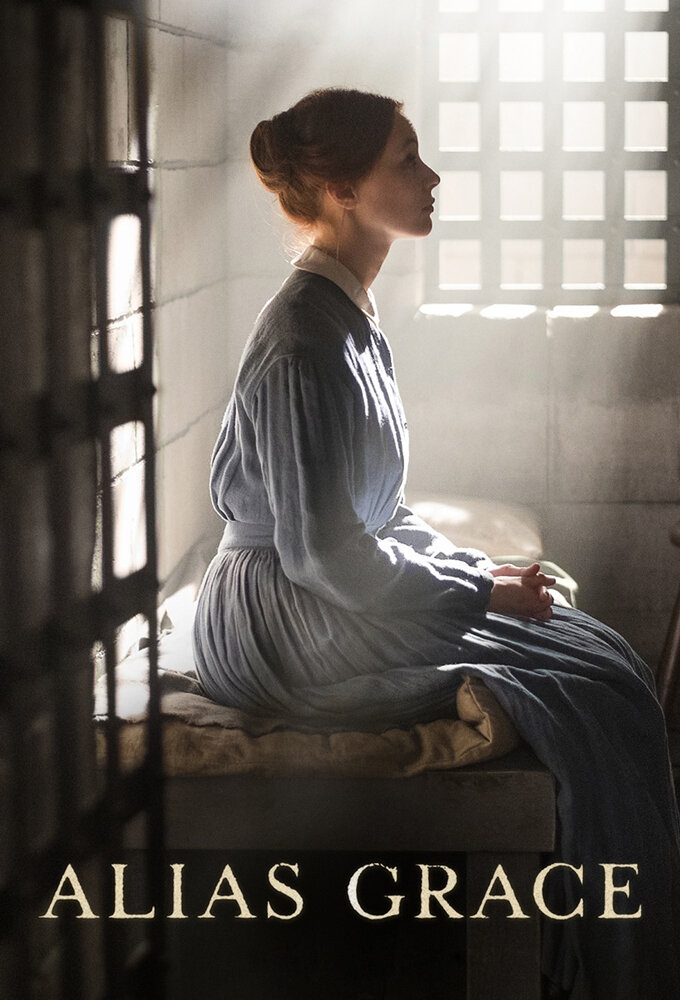
Alias Grace2017
Margaret Atwood's miniseries about a woman on trial telling her own story. Atmospheric, strange, feminist—about the power of narrative and who gets to tell it.
But Slower and more Gothic. Darker subject matter. Less overtly hopeful about the future.
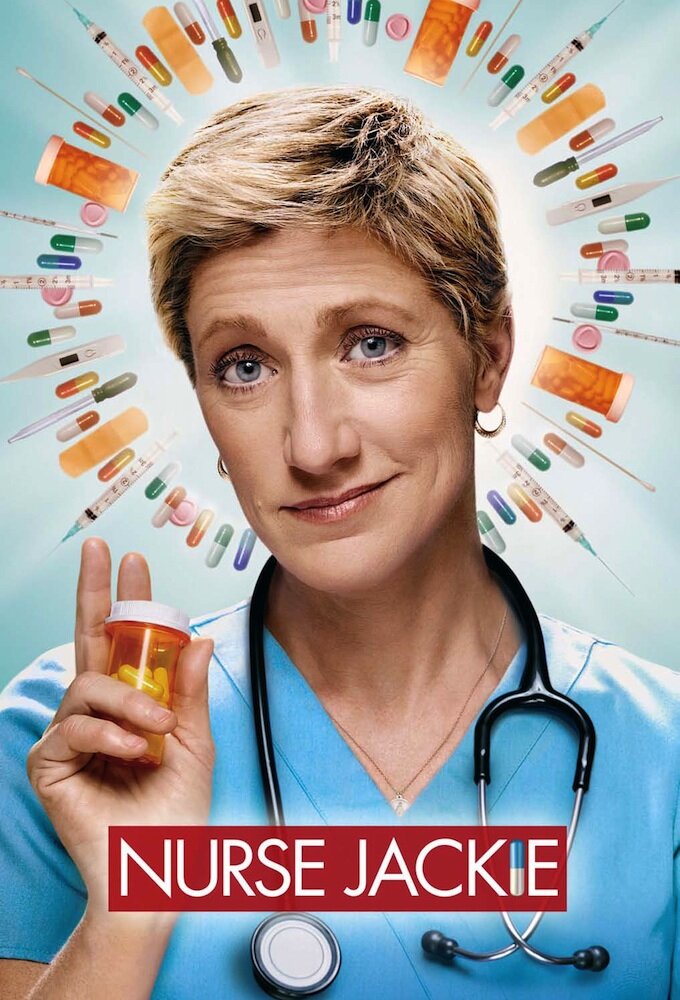
Nurse Jackie2009
Another high-achieving woman breaking rules to survive and thrive in an institution that undervalues her. Funny, painful, deeply human about the cost of being exceptional.
But Bleaker and more addictive to dysfunction. Not as hopeful. The later seasons lose focus.
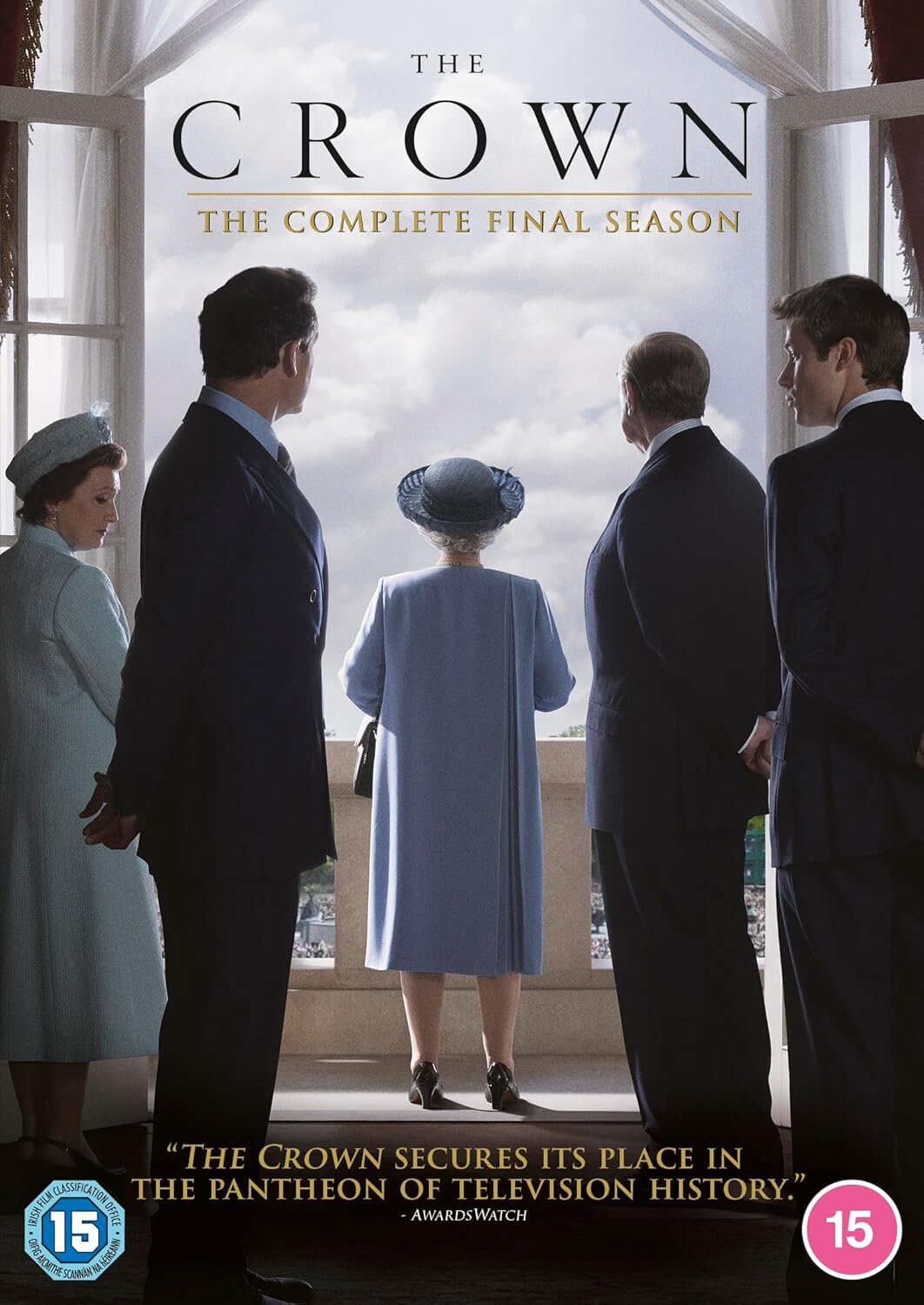
The Crown2016
Women navigating power, duty, and identity within rigid institutional structures. Beautiful filmmaking and the small rebellions that matter.
But Very long, very formal, and the show's later seasons court controversy. Slower pacing than Lessons in Chemistry.
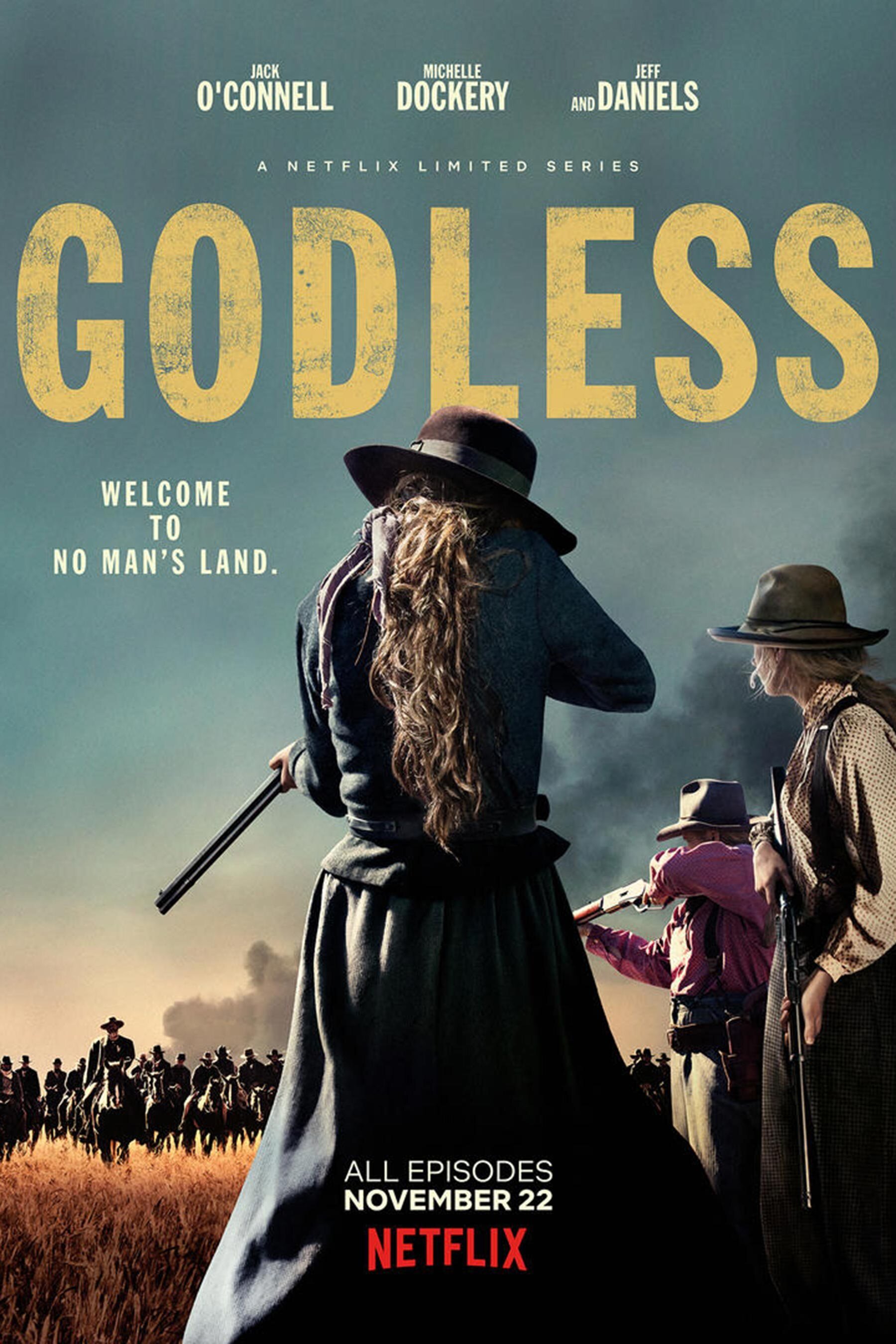
Godless2017
A town run by women in the 1880s. Western genre with real stakes, good faith, and Michelle Dockery. About building something new when the old rules don't fit.
But Shorter miniseries. Gets less attention than it deserves. Some familiar Western tropes underneath the feminism.
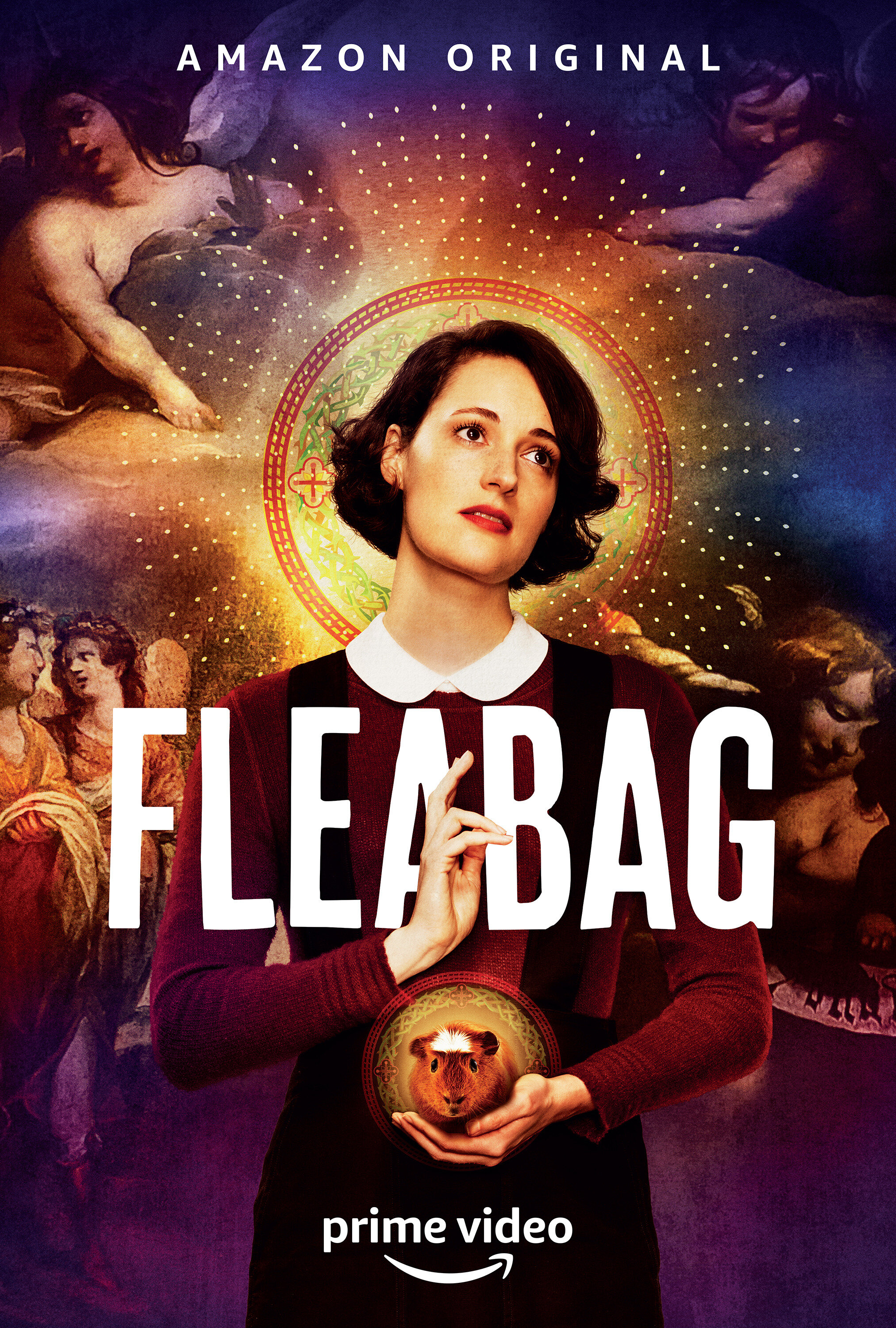
Fleabag2016
Both center on women using intelligence and unconventional tactics to survive in worlds that weren't built for them. But Fleabag tears things down; Elizabeth builds things up. One's chaotic, one's deliberate.
A woman who breaks every rule, speaks directly to the camera, and rebuilds her life from rubble. Funny, sexual, intelligent, and devastatingly smart about family and self-sabotage.
But Much messier and more anarchic. Sexual and crude where Lessons is tidy. Shorter (six episodes per season) and moves at a sprint.
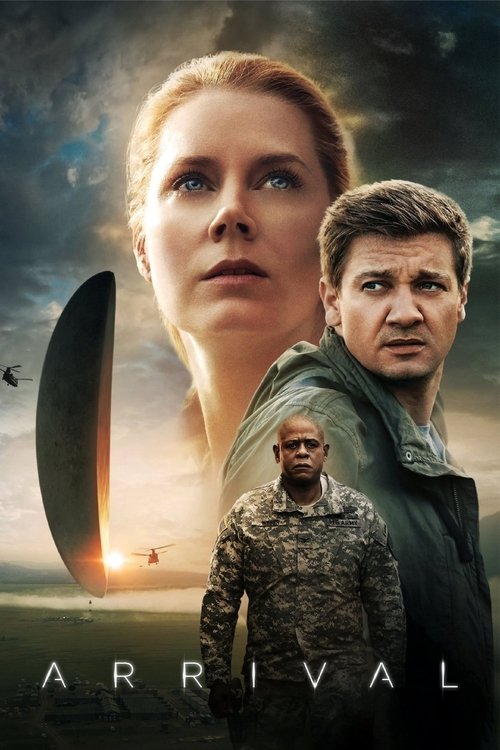
Arrival2016
Both are about women whose intelligence is a weapon and a gift. Elizabeth uses chemistry; Louise uses language. Both communicate in domains others control, and both have to decide what they're willing to sacrifice for their convictions.
A linguist (Amy Adams) uses language and science to bridge worlds. Haunting, cerebral science fiction that's more about ideas and communication than spectacle. Spare, profound, unexpectedly emotional.
But Very quiet. Abstract. The sci-fi premise is secondary to its meditation on time, loss, and choice. Not a conventional narrative.
People
Cast
Writing
- Lee EisenbergCreator
- Victoria BataExecutive Story Editor
Production
- Bonnie GarmusCo-Executive Producer
- Boo KillebrewCo-Executive Producer
- Elijah Allan-BlitzCo-Executive Producer
- Elissa KarasikCo-Executive Producer
- Mfoniso UdofiaCo-Executive Producer
- Tracey NybergCo-Executive Producer
- Shawn PetersenCo-Producer
- Brie LarsonExecutive Producer
- Hannah FidellExecutive Producer
- Jason BatemanExecutive Producer
- Lee EisenbergExecutive Producer
- Louise ShoreExecutive Producer
- Michael CostiganExecutive Producer
- Natalie SandyExecutive Producer
- Rosa HandelmanExecutive Producer
- Sarah Adina SmithExecutive Producer
- Susannah GrantExecutive Producer
- Nicole DelaneySupervising Producer
- Shamell BellSupervising Producer
- Teagan WallSupervising Producer
Recommended by
Girl from Nowhere, Supernanny, 3 Body Problem, Ticket to Paradise