
Film
Terrified
Terrified is an Argentine haunted-house horror film that trades jump scares for architectural dread. Supernatural events metastasize across a Buenos Aires suburb—walls weeping, furniture moving, voices emerging from nowhere—investigated by a police commissioner and paranormal researchers. It's methodical, ambient, and genuinely unsettling. For viewers who prefer slow-burn supernatural horror to gore.
If you liked this
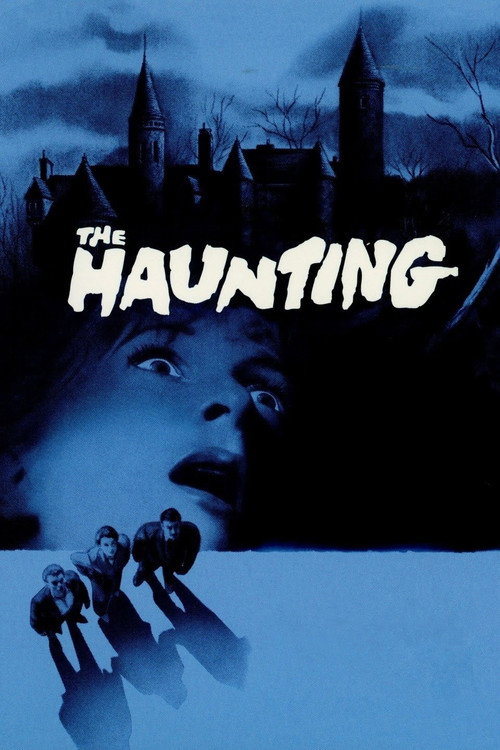
The Haunting1963
A masterpiece of psychological horror that builds dread through suggestion and shadow rather than spectacle. Robert Wise's camera finds terror in ordinary rooms and empty hallways. The sensibility—rational people confronting irrational terror—mirrors Terrified's core.
But Black and white; paced like a 1960s film, which means patient. May feel restrained if you're accustomed to modern supernatural horror's velocity.
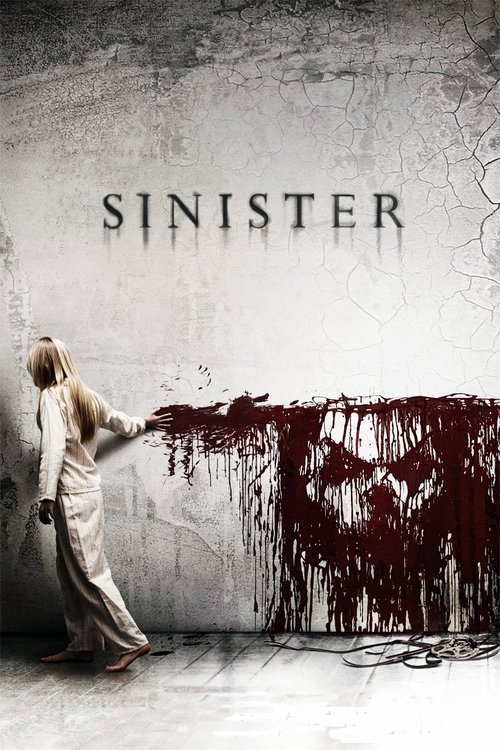
Sinister2012
Scott Derrickson orchestrates genuine dread through sound design, performance, and the slow revelation of something genuinely wrong. Like Terrified, it trusts atmosphere over explicitness and finds horror in domestic spaces corrupted.
But The jump scares, when they come, are loud and aggressive. Some will find the central conceit derivative of better-known folklore.
The Wailing2016
Na Hong-jin's Korean masterpiece layers mystery, dread, and spiritual uncertainty across a remote village. Methodical investigation meets mounting wrongness. It shares Terrified's refusal to provide easy answers and its faith in audience intelligence.
But Nearly two and a half hours, and deliberately ambiguous. Demands close attention and tolerates confusion—not for passive viewing.

Not sure tonight? Get a pick in a minute, starting from Terrified
The wildcard
Something you would not have found on your own.
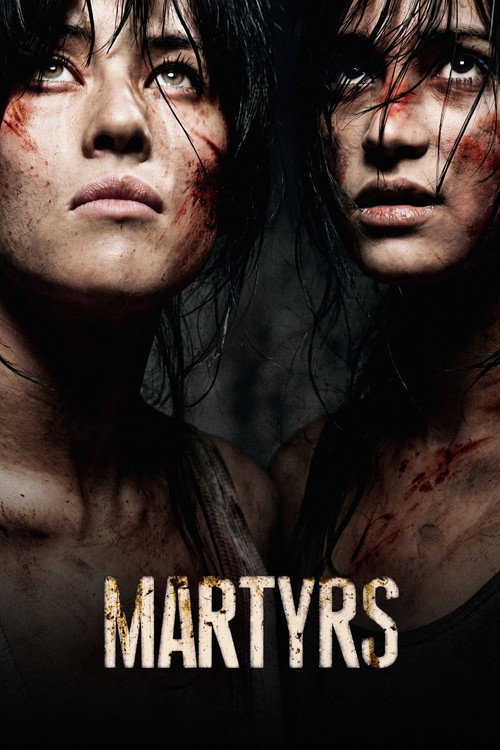
Martyrs2008
Both use haunting—literal or metaphorical—to explore what remains after the normal world breaks down. Both trust silence and implication. Both earn their horror through patience rather than spectacle.
Pascal Laugier's French-Canadian nightmare begins as home invasion and becomes philosophical horror about suffering, faith, and transcendence. It shares Terrified's Argentine spiritual dread and willingness to leave viewers in genuine discomfort. Unforgettable and morally complex.
But Extreme violence and sustained brutality. Not remotely a comfortable watch. It's asking something difficult of the audience and will alienate those seeking entertainment over confrontation.
More like this (8)
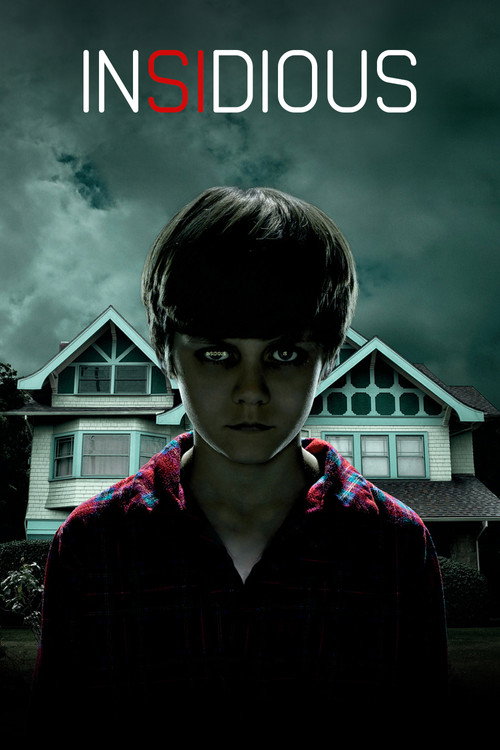
Insidious2011
James Wan proves that supernatural horror can be both terrifying and genuinely inventive. Family under siege by forces beyond the veil, investigated by specialists—the structure echoes Terrified's approach, with exceptional craft.
But Sequels diluted the concept. The first film's effectiveness relies on now-familiar visual grammar that's been borrowed to death since.
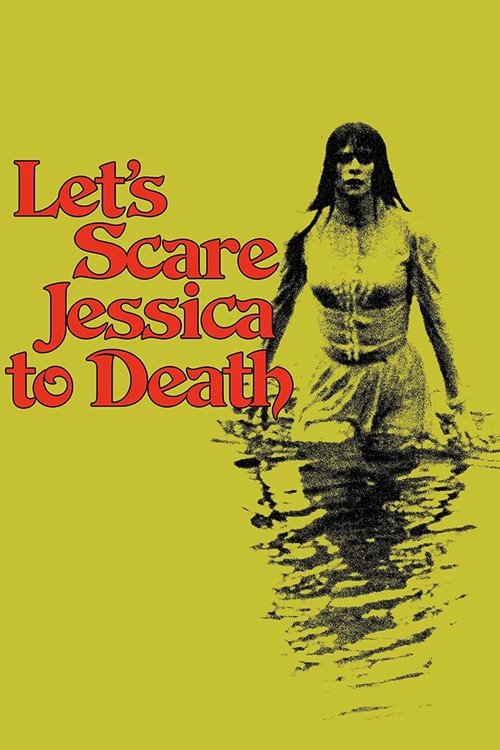
Let's Scare Jessica to Death1971
A 1970s gem about paranoia, environment, and whether the supernatural or psychology is more horrifying. Grainy, hypnotic, deeply unsettling. Shares Terrified's willingness to let meaning remain unclear.
But The pacing assumes your patience. No score; the silence itself becomes a weapon, which some will experience as slow rather than suspenseful.
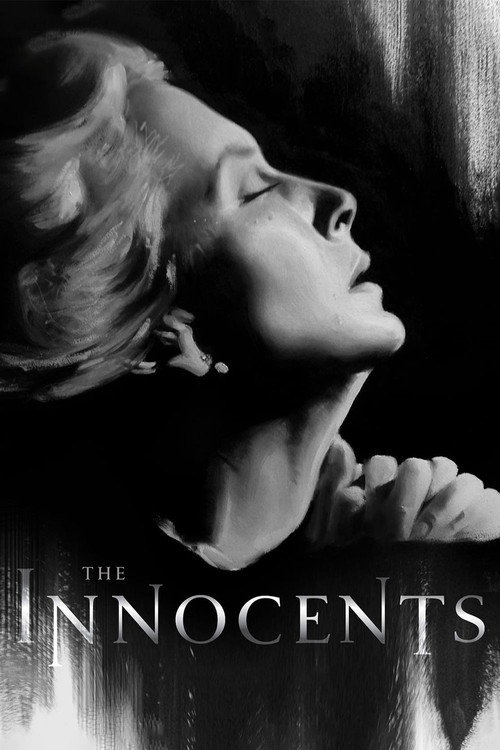
The Innocents1961
Jack Clayton's adaptation of The Turn of the Screw remains the gold standard for ambiguous haunting. Is it ghosts or madness? The film won't tell you. Black-and-white cinematography that makes every shadow a character.
But Entirely dependent on mood and implication. Contemporary audiences sometimes find it anticlimactic; the horror is existential rather than visceral.
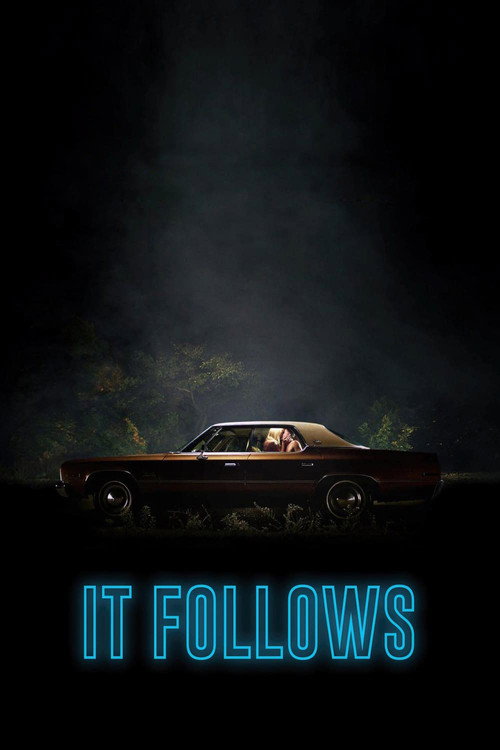
It Follows2015
A deceptively simple premise—an invisible entity that follows you, slowly—becomes a meditation on dread and helplessness. Minimalist, intelligent, formally inventive. It understands that horror is about inexorability.
But The entity's logic is deliberately vague. The film trusts your discomfort over explanation, which can feel frustrating rather than profound.
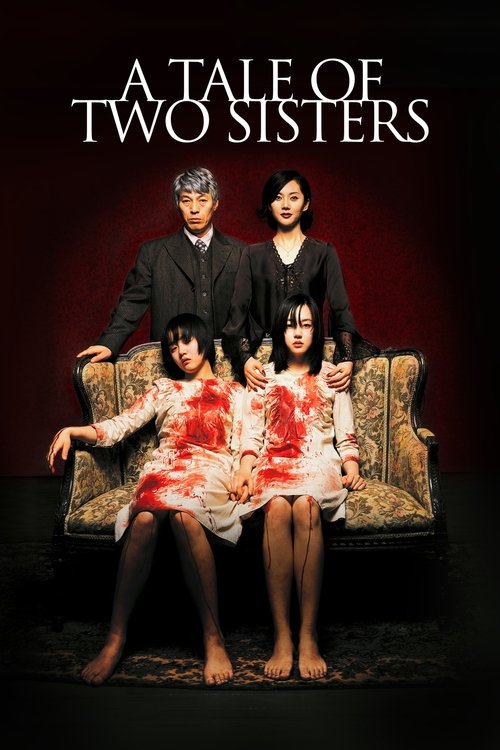
A Tale of Two Sisters2003
Kim Jee-woon's Korean horror operates on dream logic and visual poetry. A haunted house, or a haunted mind? The ambiguity is the point. Gorgeously shot and genuinely disturbing without relying on gore.
But The final act reveals something that recontextualizes everything. Some will feel betrayed; others will find it brilliant. No middle ground.
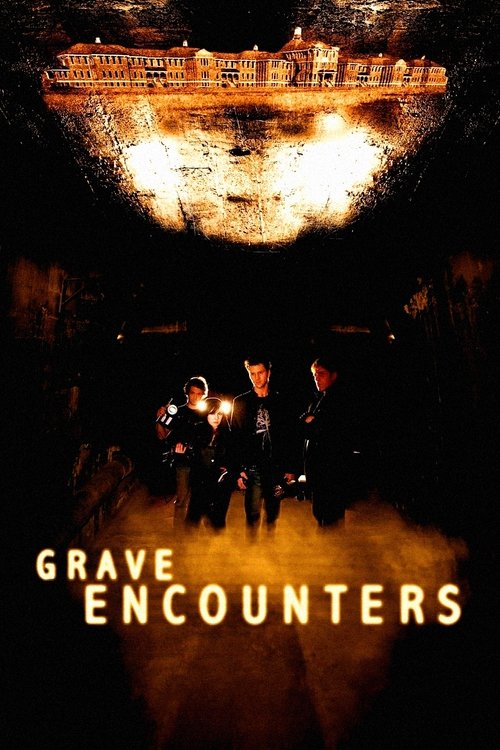
Grave Encounters2011
Found-footage paranormal investigation of an abandoned hospital. It takes the premise seriously and builds a genuinely oppressive atmosphere. Low budget, high commitment to the conceit—for those who haven't burned out on found-footage horror.
But Found-footage format now feels dated. The shaky-cam will exhaust some viewers before the scares arrive. It's rougher than Terrified, less elegant.
The Holy Mountain1973
Both films locate horror not in monsters but in the dissolution of rational understanding. Both are obsessed with architecture and space as a language. Both refuse to explain themselves, trusting the viewer's discomfort.
Jodorowsky's surrealist odyssey is horror of a different register—philosophical, spiritual, nightmarish. Like Terrified, it operates on dream logic where the rules aren't stated. Visually extraordinary and deeply strange in ways that linger.
But This is avant-garde. There is no plot, only a series of increasingly bizarre and disturbing images. If you need narrative clarity and conventional structure, this will frustrate you intensely.

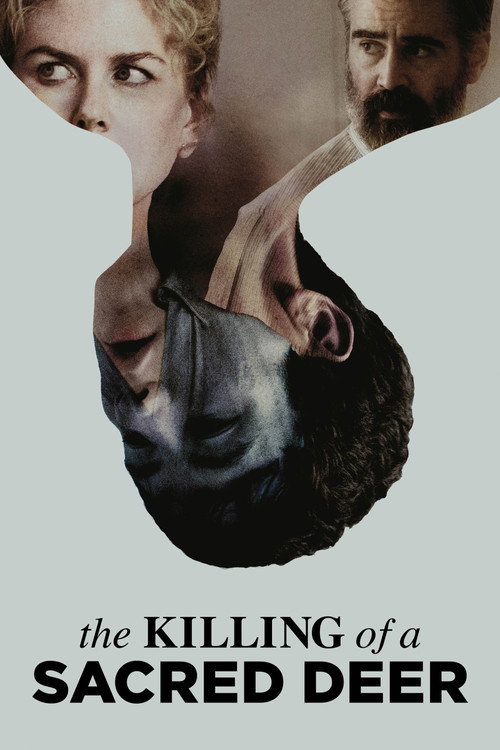
The Killing of a Sacred Deer2017
Both are investigations into inexplicable phenomena that resist rational explanation. Both use ensemble casts facing something beyond their control. Both understand that the real horror is helplessness and moral vertigo, not monsters in the dark.
Yorgos Lanthimos's clinical nightmare builds dread through dialogue, stillness, and the slow breakdown of a family's world. A surgeon's debt comes due through supernatural curse—logic defied, causality violated. Methodical investigation of moral horror.
But The pacing is glacial and intentionally artificial. The performances are deliberately unnaturalistic. If you watch horror for catharsis, this provides none—only a slow tightening of the noose.
People
Cast
 Maxi GhionePolice Commissioner Funes
 Norberto GonzaloJano
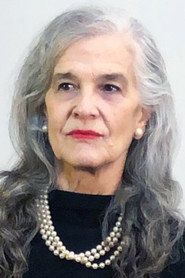 Elvira OnettoMora Albreck
- George L. LewisRosentock
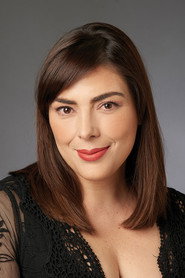 Julieta VallinaAlicia
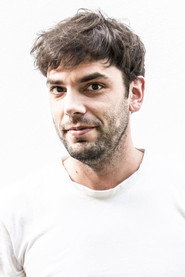 Demián SalomónWalter
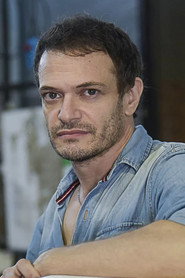 Agustín RittanoJuan
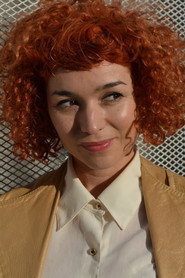 Natalia SeñoralesClara
- Lorenzo LangerPatricio
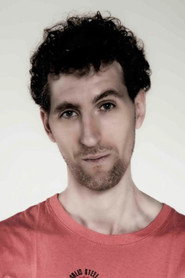 Bruno GiacobbePale Man
- Laura ManzanedaPolice Officer Vanesa
Directing
- Fabián ForteAssistant Director
- Daniela SchiaffinoContinuity
- Demián RugnaDirector
- Lucia BonellsFirst Assistant Director
Writing
- Demián RugnaScreenplay
Production
- Raimundo BassanoAssociate Producer
- Raimundo BassanoCo-Producer
- Romina BacariDelegated Producer
- Fernando DíazExecutive Producer
- Leticia TapiaLocation Manager
- Fernando DíazProducer
- Mariano NahasProduction Assistant
- Andrea KlugerProduction Director
- Leticia TapiaProduction Manager