
Film
Haunts of the Very Rich
A 1972 TV film that traps six wealthy, damaged strangers on an island after a collective brush with death. Is it haunted? Are they being punished? The mystery deepens as paranoia spreads. It's existential horror masquerading as a thriller—less jump-scare, more slow-burn dread about what we deserve.
If you liked this
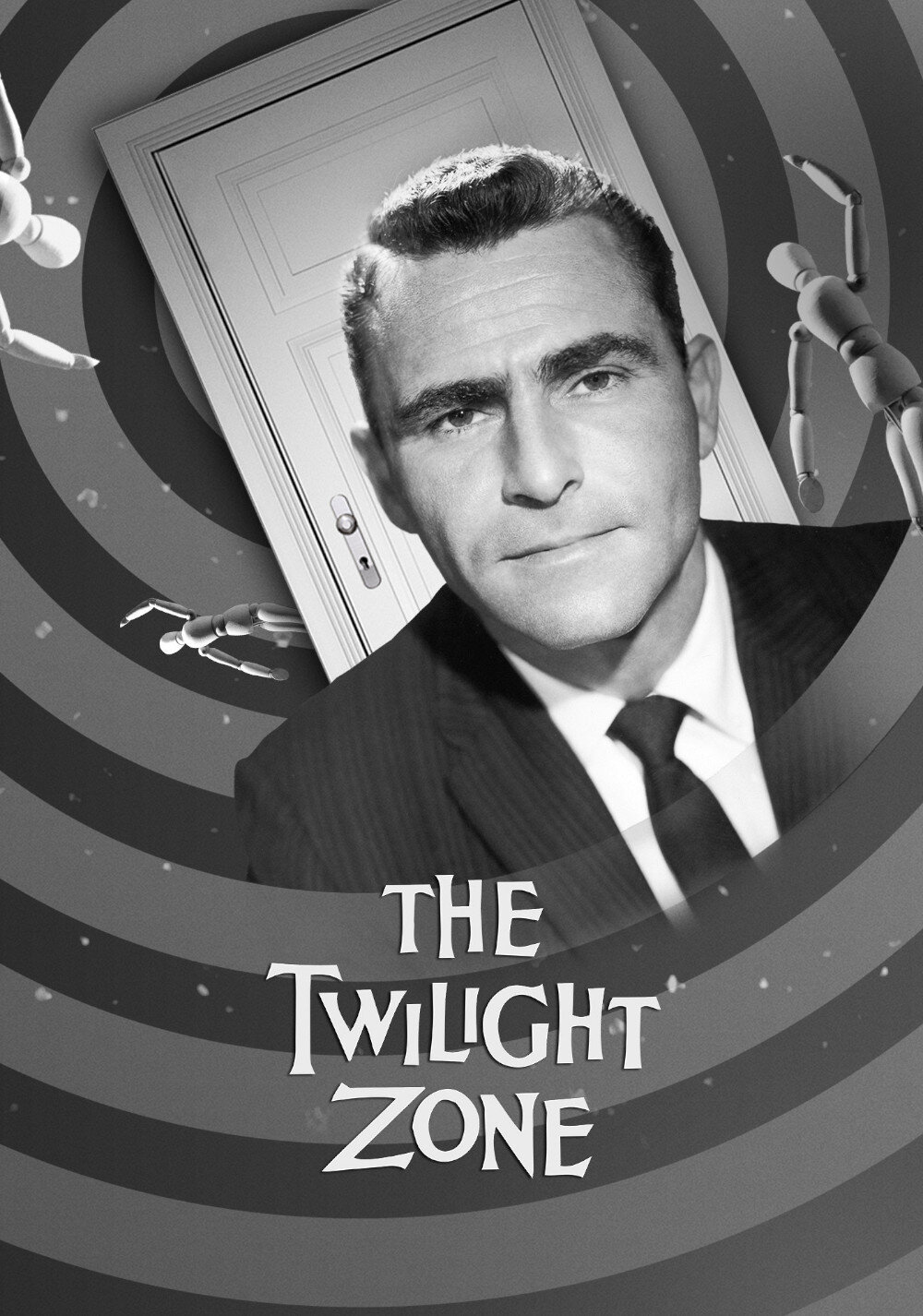
The Twilight Zone1959
Shares the DNA of Haunts—ordinary people trapped in extraordinary circumstances, mortality questions, the creeping sense that reality is not what it seems. Tight, atmospheric storytelling with genuine unease.
But It's episodic. Some episodes land better than others, and the production values are obviously dated even for 1959.
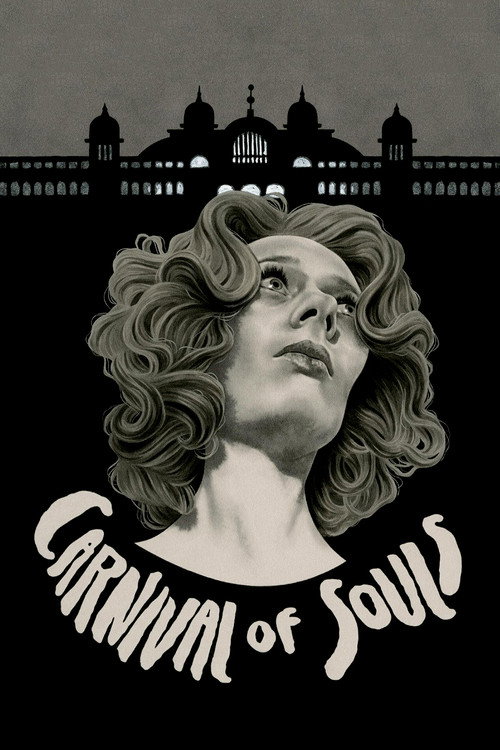
Carnival of Souls1962
A woman emerges from a car wreck unable to touch the living world. Like Haunts, it builds dread through isolation and questions the nature of what's real. Strange, haunting, deeply unsettling on a shoestring budget.
But The pacing is glacial. Long stretches of quiet can feel like nothing is happening before the horror quietly dawns on you.
The Poseidon Adventure1972
Also from 1972, also traps a group of strangers in a catastrophe. The difference: this is roaring disaster spectacle. Same year, same setup, opposite energy—a palate cleanser if you want the relief of action and survival.
But It's pure escapism with no philosophical weight. If you want meaning, this is popcorn.
Not sure tonight? Get a pick in a minute, starting from Haunts of the Very Rich
The wildcard
Something you would not have found on your own.
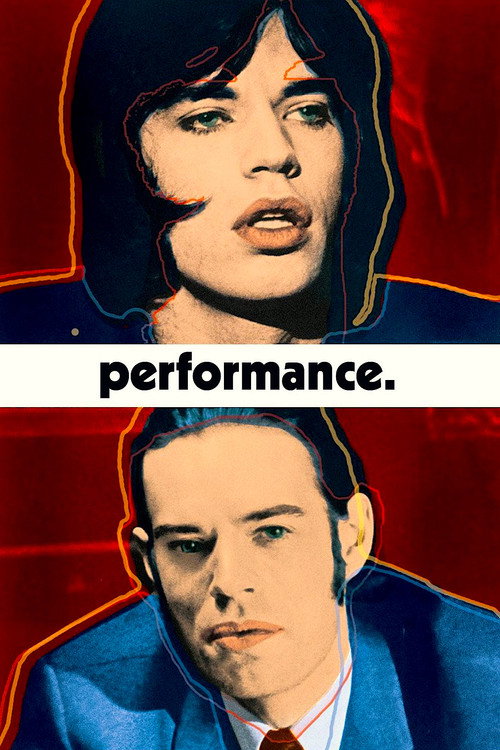
Performance.1970
Both use isolation and altered consciousness to interrogate identity and culpability. Neither offers easy answers about guilt or redemption.
A criminal hides in a reclusive rock musician's house. Identity dissolves; reality fragments. Where Haunts asks 'Are we being punished?' Performance asks 'Who are we?' Both trap characters in spaces where the self becomes the real mystery. Hallucinatory, electric, and genuinely disorienting.
But It's oblique, sexually explicit by 1970 standards, and utterly uninterested in clarity. Some find it pretentious self-indulgence.
More like this (7)
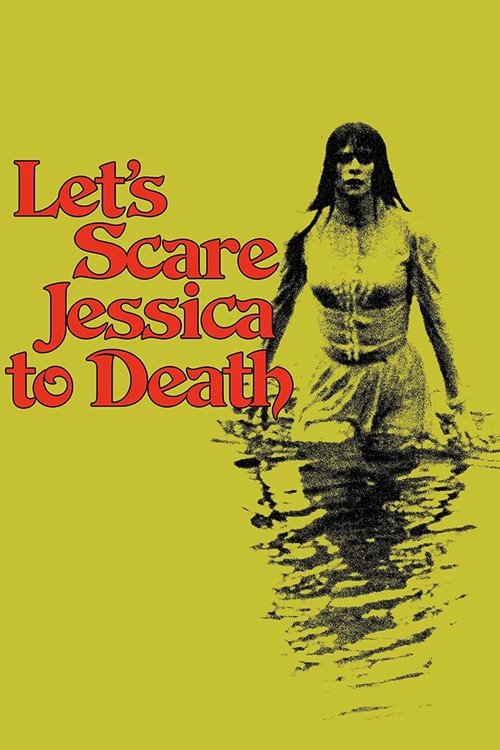
Let's Scare Jessica to Death1971
Three people move to an island house and reality fractures. Paranoia, ambiguous horror, and a final twist that recontextualizes everything. Like Haunts, you're never sure what's supernatural and what's psychological.
But The film's deliberately messy and slow. It assumes you're patient enough to let unease accumulate.
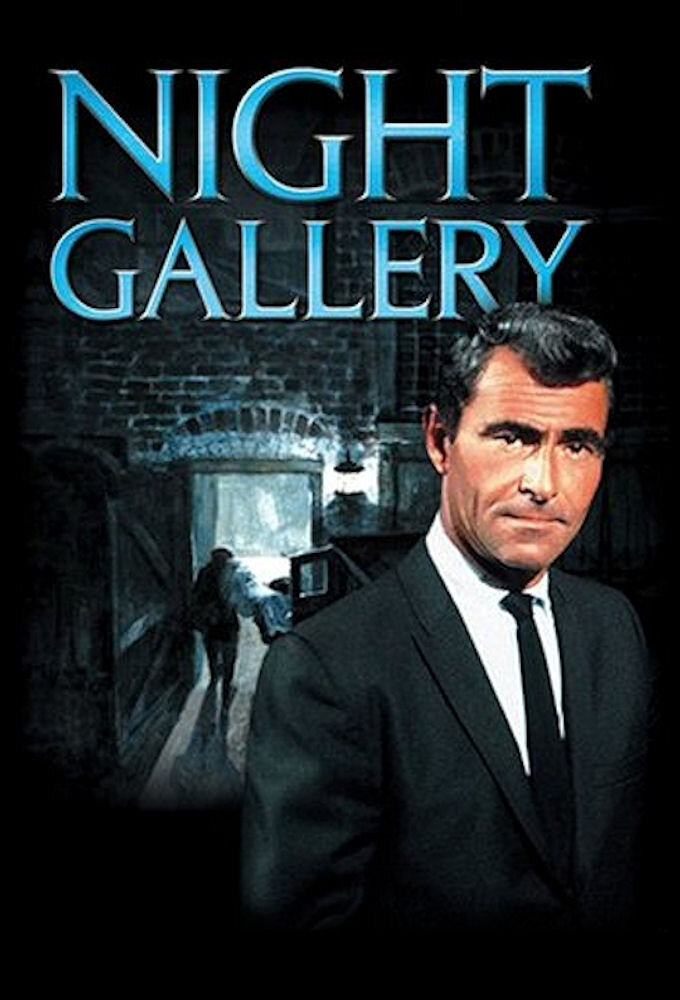
Night Gallery1969
Serling's follow-up to The Twilight Zone, more overtly horror-focused. Episodes trap people in closed spaces with moral consequences. The tone sits between thriller and art film—intelligent, uneasy, genuinely unsettling.
But Very uneven. Some episodes are brilliant; others feel like network compromises. The horror is often subdued, which works for atmosphere but can feel thin.
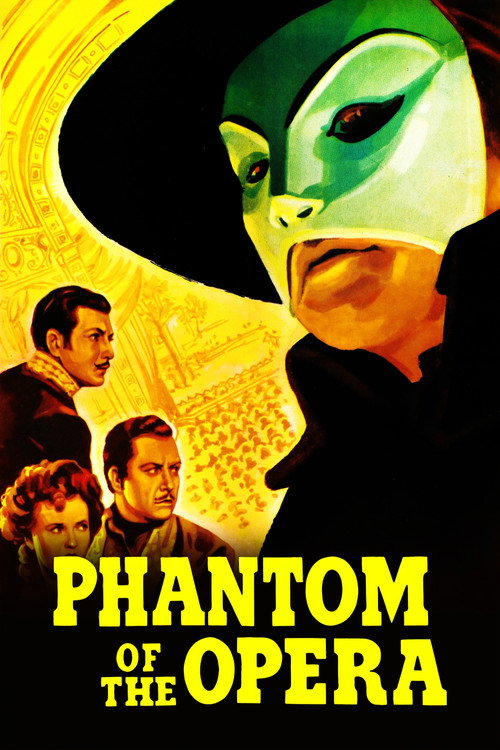
Phantom of the Opera1943
Lon Chaney as a disfigured composer in an ornate opera house. Gothic, mysterious, with that 1940s sense of doom. If you're drawn to Haunts' moodiness and the sense of trapped souls, this has it in abundance.
But It's a straightforward monster movie by modern standards. The psychology is secondary to spectacle, and some may find the pacing slow.
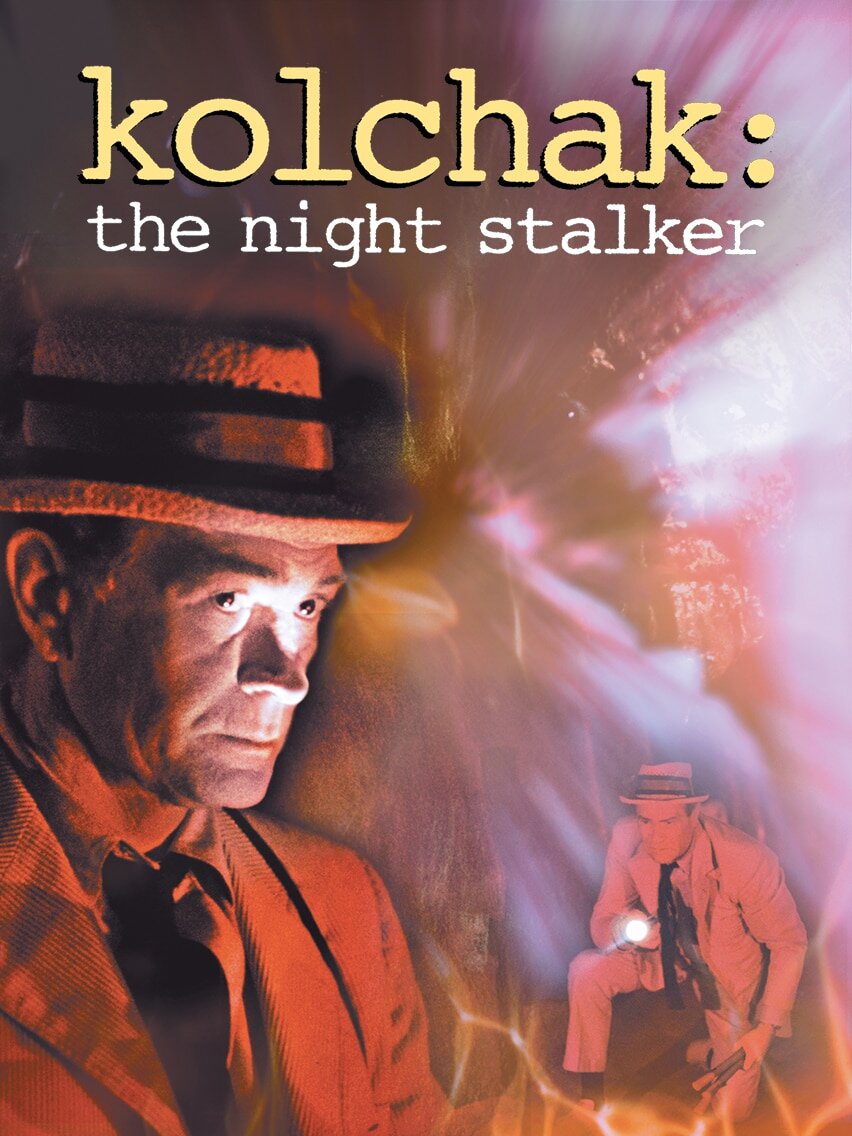
Kolchak: The Night Stalker1972
A reporter hunts supernatural threats week to week. The show has that 1970s paranoia and dread Haunts taps into. Not campy—genuinely creepy, with production design that still holds up.
But It's episodic and slightly cheesy by modern standards. The resolution often feels neat in ways that undercut the existential dread.
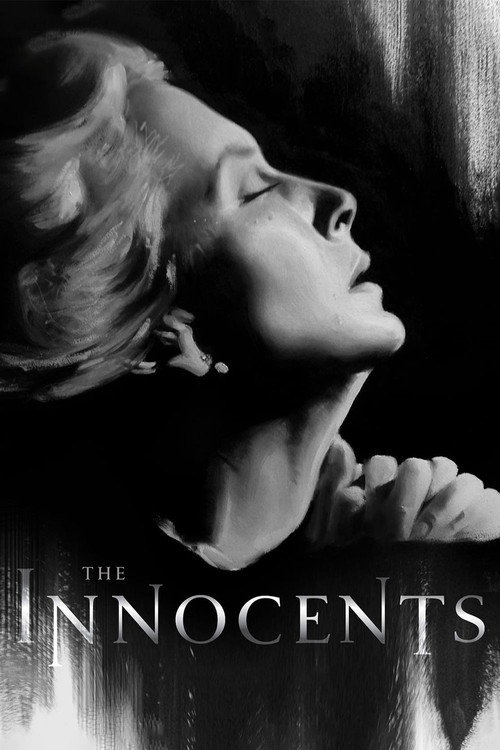
The Innocents1961
A governess at an isolated estate with two children. Are they haunted? Corrupted? Going mad? Ambiguity is the whole point. Beautifully shot, deeply unsettling, it asks the same question as Haunts: what is real?
But It's slow and deliberately vague. Some find it frustratingly cryptic rather than mysterious.
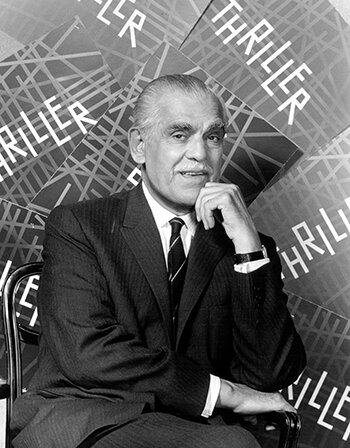
Thriller1960
Boris Karloff hosts anthology tales—some horror, some twist-ending thrillers. Several episodes capture that paranoid, closed-world feeling. Slicker than The Twilight Zone but with similar DNA.
But The effect is inconsistent. Some episodes are strong; others feel like TV filler from the era.
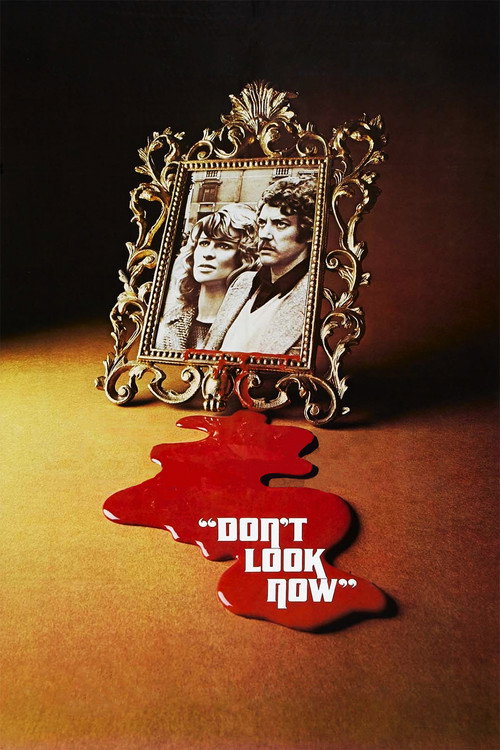
Don't Look Now1973
Both hinge on the idea that a brush with death reveals an awful truth—that the characters are paying for something, or have already been claimed. Both build dread through location and isolation rather than violence.
A couple grieving their daughter in Venice encounters two old sisters who claim supernatural insight. Atmospheric, paranoid, impossibly tense. Like Haunts, it's about the possibility that death and fate are already written, and we're just moving toward the inevitable.
But The pacing is deliberate. Roeg lingers on setting and mood over plot. The ending is ambiguous in a way some find unsatisfying rather than haunting.
People
Cast
 Lloyd BridgesDave Woodrough
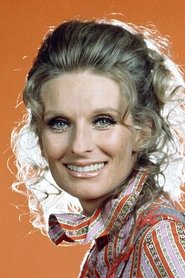 Cloris LeachmanEllen Blunt
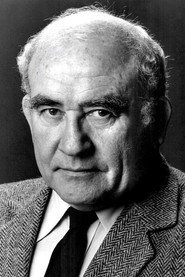 Ed AsnerAl Hunsicker
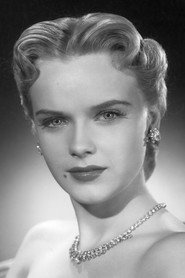 Anne FrancisAnnette Larrier
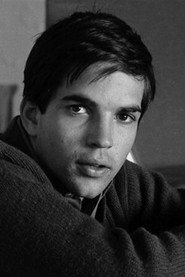 Tony BillLyle
 Donna MillsLaurie
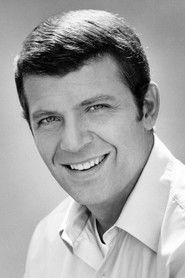 Robert ReedReverend John Fellows
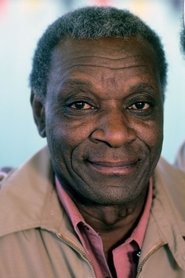 Moses GunnSeacrist
- Beverly GillMiss Vick
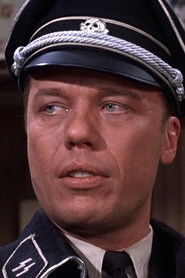 Todd MartinHarris
- Phyllis HillRita
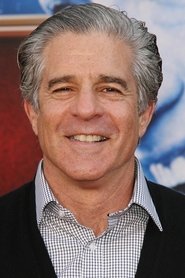 Michael LembeckJohnny Delmonico
Directing
- Kurt NeumannAssistant Director
- Paul WendkosDirector
- Lily La CavaScript Supervisor
- Charles ZiarkoSecond Assistant Director
Writing
- T.K. Brown IIIStory
- William WoodTeleplay
Production
- Hoyt BowersCasting
- Lillian GalloProducer