
Film
The Beast Must Die
A 1974 horror film about a wealthy hunter who gathers suspects on his estate, convinced one is a werewolf. It's a locked-room mystery with genre ambition, anchored by Peter Cushing's knowing performance. Deliberately uneven and strange—part drawing-room puzzle, part creature feature, entirely committed to its peculiar logic.
Should you watch it?
Watch it if you enjoy slow-building 1970s country-house suspense where the fun is in guessing who is hiding what, and a cosy, talky gothic chill appeals more than jump scares.
Skip it if you want a fast, gory creature feature, since much of its 93 minutes is spent in conversation and the monster arrives in measured doses rather than in a rush.
What it asks of you: Settle in for a leisurely, dialogue-heavy runtime with a gentle, almost parlour-game rhythm, and give it attention to the characters rather than expecting constant thrills.
Not sure? Find tonight's pick in a minute.
If you liked this
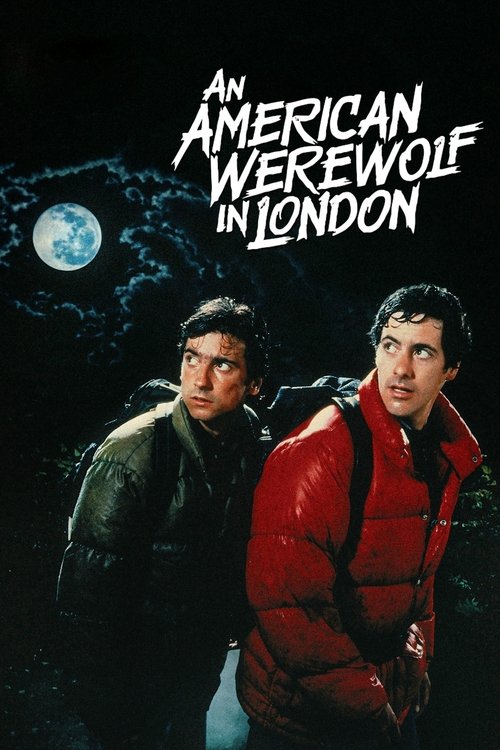
An American Werewolf in London1981
The template for modern werewolf cinema: blackly funny, genuinely horrifying, with practical effects that still disturb. Landis nails the tonal balance between comedy and dread.
But The middle hour drags with romantic subplots, and some jokes land harder than others. Animal violence, even if brief.
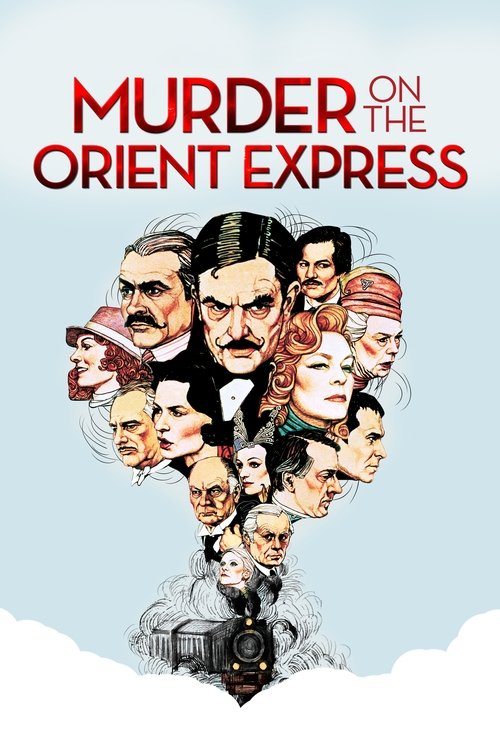
Murder on the Orient Express1974
Released the same year, this Agatha Christie adaptation shares the isolated-suspects-one-guilty framework. Lumet's direction is crisp and the ensemble cast—Ustinov, Bacall, Finney—makes the whodunit sing.
But It's a pure puzzle film with no supernatural element at all. Some find it airless; the pleasure is cerebral, not visceral.
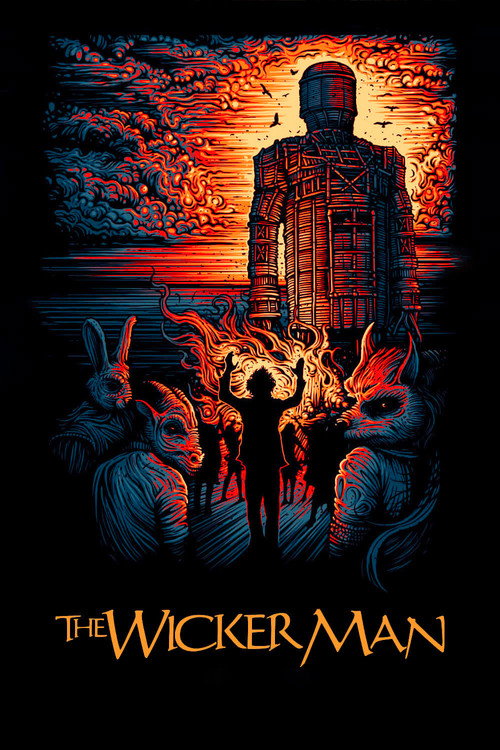
The Wicker Man1973
A folk-horror masterpiece that, like Beast, uses genre machinery to explore something darker and stranger than jump scares. British, atmospheric, and genuinely unsettling. Britt Ekland unforgettable.
But Slow-burn pacing will test your patience. The ending, while inevitable, is bleak in ways some find gratuitous.
Not sure tonight? Get a pick in a minute, starting from The Beast Must Die
The wildcard
Something you would not have found on your own.
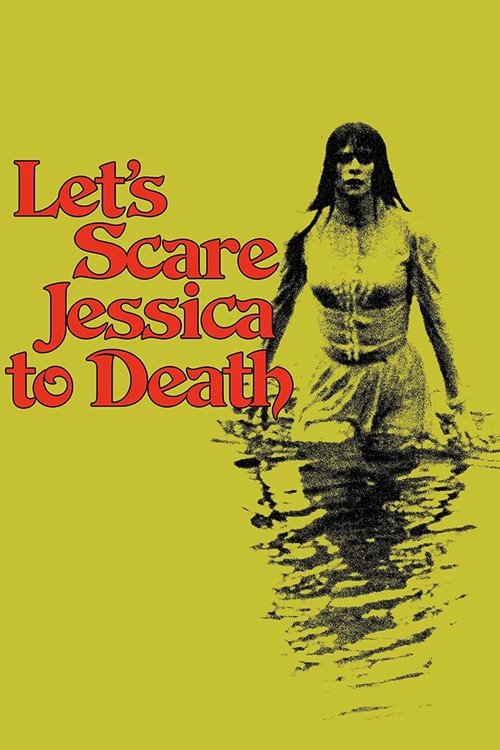
Let's Scare Jessica to Death1971
Like Beast, it weaponizes the detective-story setup—suspicious people, one secret truth—but turns it inward. The mystery is not what is among us but what is within.
A woman freshly discharged from a psychiatric hospital moves to a country cottage where something is profoundly wrong—is it the evil around her or her fragmenting mind? Ambiguity maintained till the end. Cheap, eerie, and genuinely unnerving.
But Shot digitally on video like a documentary, which some will find ugly. Pacing is deliberate; nothing happens fast. A film about paranoia can feel paranoiac to watch.
More like this (8)
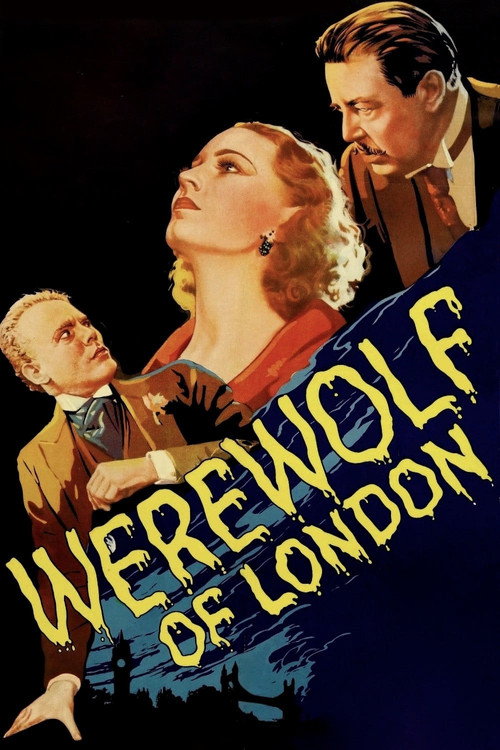
Werewolf of London1935
The film that started it all. Henry Hull transforms with dignified melancholy in this atmospheric Universal horror. Inventive makeup for its era; more concerned with mood than mechanics.
But Practically a short story at 75 minutes. The dialogue is creaky period-piece stuff. It's a museum piece—knowingly so.
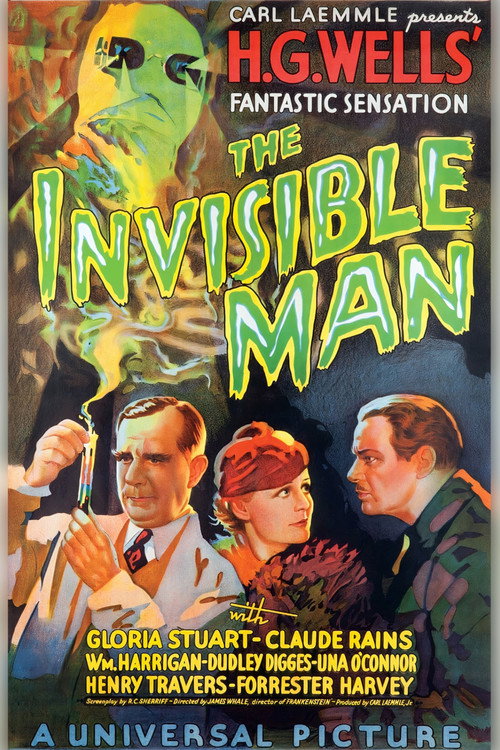
The Invisible Man1933
Another Universal masterpiece: Whale's direction turns invisibility into psychological horror and black comedy. Claude Rains vocal performance carries the whole thing. Endlessly inventive set pieces.
But Dated effects and acting style will alienate viewers who can't calibrate for era. The plot is thin as tissue paper.
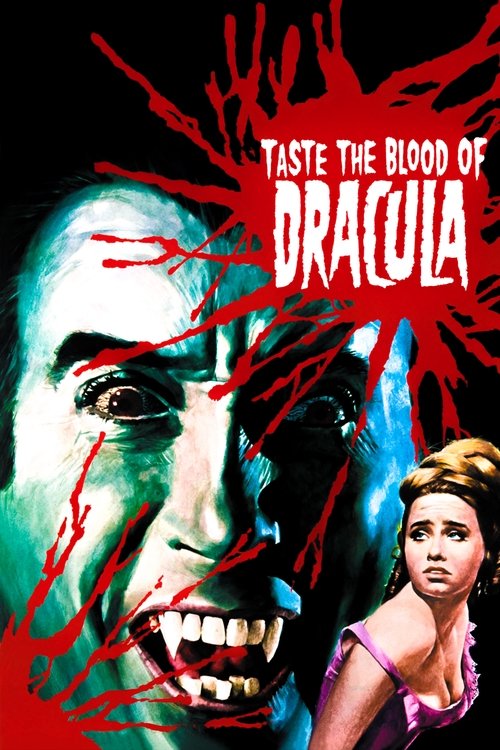
Taste the Blood of Dracula1970
Peter Cushing returns to Van Helsing. This Hammer film is admirably weird—a satanic revival cult, young rebels, sex and blood mixed together in ways the studio rarely allowed. Colorful, transgressive, sincere about its depravity.
But The gender politics are rotten. Pacing uneven. Some effects shots are conspicuously cheap even for Hammer.
The Lodger: A Story of the London Fog1927
Hitchcock's silent masterpiece: a Jack the Ripper suspect rents a room, and the landlord family grows paranoid. Visual storytelling of extraordinary elegance. Suspense without dialogue.
But Silent film. No sound design, no dialogue, just intertitles and Novarro's face. Requires adjustment; it's deliberately slow.

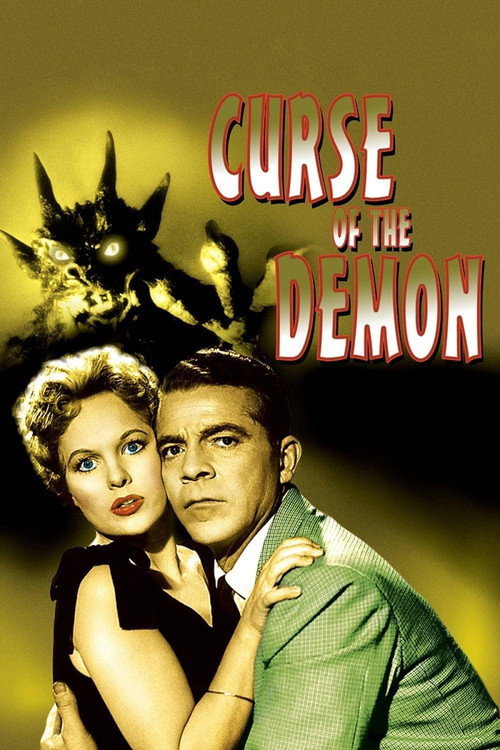
Night of the Demon1957
Jacques Tourneur's atmospheric British horror about devil worship and occult clubs. Eerie, smart, and restrained—the monster reveal is famous for being deliberately anticlimactic. Seriousness played straight.
But The denouement fumbles what it built so carefully. B-movie pacing and some very stiff supporting actors distract from the mood.
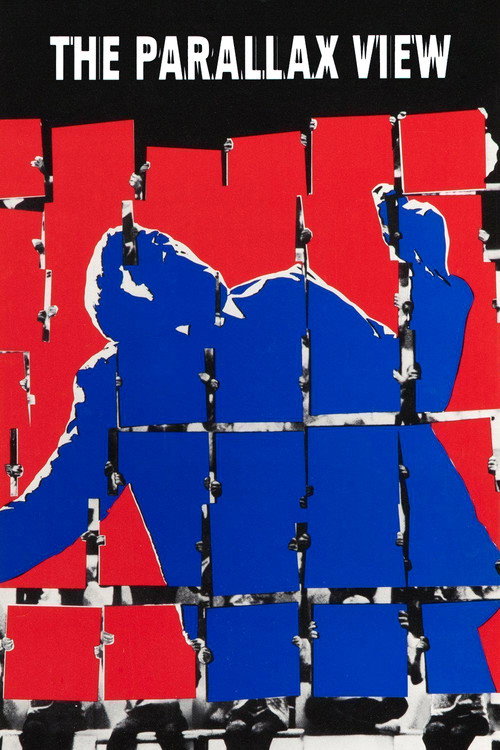
The Parallax View1974
Pakula's paranoia thriller shares Beast's locked-room claustrophobia and interrogation logic. Warren Beatty unravels a conspiracy. Cold, methodical, formally ambitious filmmaking about power and manipulation.
But Bleak and detached to the point of chilliness. The plot mechanics matter more than human emotion. Some find it tedious; it won't give you catharsis.
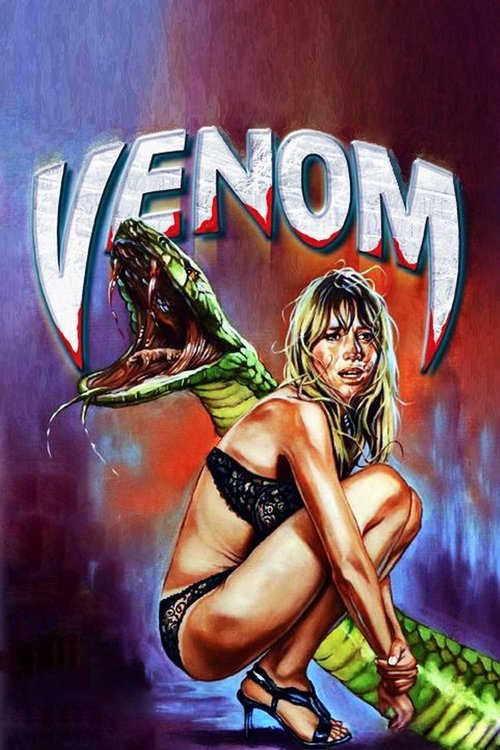
Venom1981
Another locked-room animal thriller obsessed with a creature that cannot be reasoned with. The human drama is secondary to the presence of the thing. Both films trust the conceit absolutely.
Klaus Kinski as a Black Mamba loose in a London townhouse during a hostage siege. Tense, trashy, bizarre, and completely committed. Pacing like a coiled spring; Kinski radiates demented intensity.
But The script is paper-thin and wildly uneven. Animal death shown on screen. B-movie earnestness masquerading as substance—some will find it ridiculous rather than thrilling.
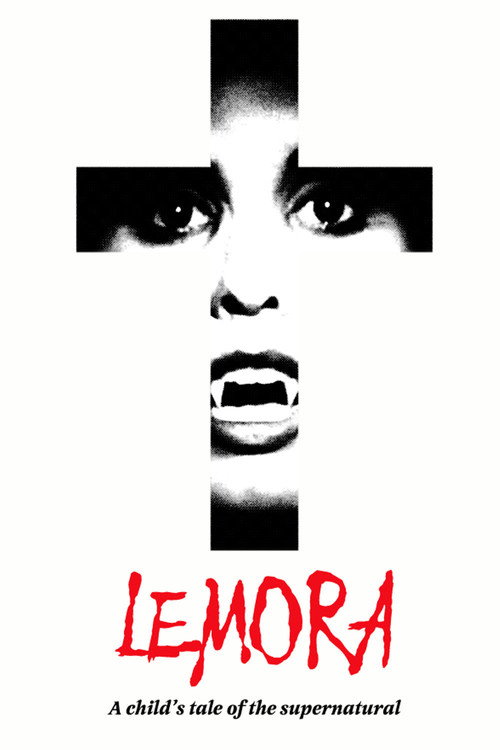
Lemora: A Child's Tale of the Supernatural1974
Both trap a protagonist in a house with a secret truth and suspects who may or may not be what they claim. Both prioritize the ritualistic and symbolic over the rational. Both are stranger than their premises have any right to be.
A young girl is summoned to a Gothic mansion by her supposedly-ill mother, only to discover a vampire and her cult. Dreamlike, hallucinatory, gorgeously framed in black and white. Atmosphere over plot; mood is the story.
But Wildly inconsistent in tone and logic. Some moments are genuinely creepy; others are incomprehensible. The pacing is glacial. Some will find it a beautiful mess rather than a film.
People
Cast
 Calvin LockhartTom Newcliffe
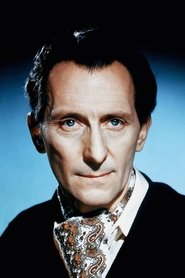 Peter CushingDr. Christopher Lundgren
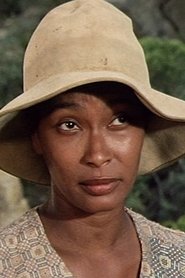 Marlene ClarkCaroline Newcliffe
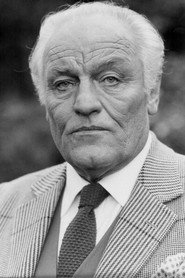 Charles GrayBennington
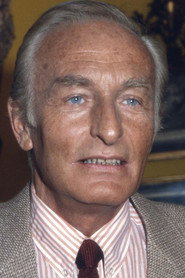 Anton DiffringPavel
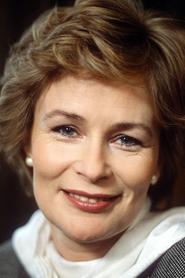 Ciaran MaddenDavina Gilmore
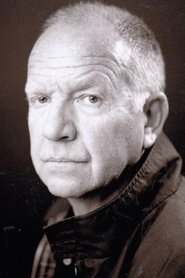 Tom ChadbonPaul Foote
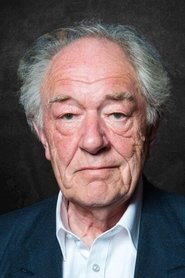 Michael GambonJan Jarmokowski
- Sam MansaryButler
- Andrew LodgePilot
- Carl Bohen1st Hunter
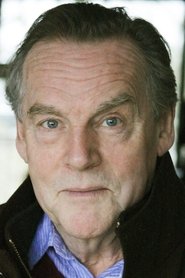 Eric Carte2nd Hunter
Directing
- Paul AnnettDirector
Writing
- Michael WinderScreenplay
- James BlishStory
Production
- John DarkAssociate Producer
- Thelma GravesCasting
- Robert H. GreenbergExecutive Producer
- Max RosenbergProducer
- Milton SubotskyProducer