
Film
Dead of Night
Other titles called Dead of Night: the 1945 film.
- Psychological horror
- Very dark
A Vietnam vet returns home changed in ways his family can't comprehend or control. This 1974 horror film trades supernatural scares for something rawer: the uncanny wrongness of a loved one transformed by trauma into something unknowable. Unsettling and deeply human, it's about the horror of disconnection, not demons.
Should you watch it?
Watch it if you like slow-building dread that lives in a family's strained silences, where the scares feel earned rather than shouted and the grief does the heavy lifting.
Skip it if you want brisk scares, since the family arguments take up much of the runtime and the low-budget look shows its seams.
What it asks of you: Eighty-eight minutes, unhurried at first, with a dread that builds in stages and a dark mood that rarely lightens; it rewards patience more than close attention.
Not sure? Find tonight's pick in a minute.
If you liked this
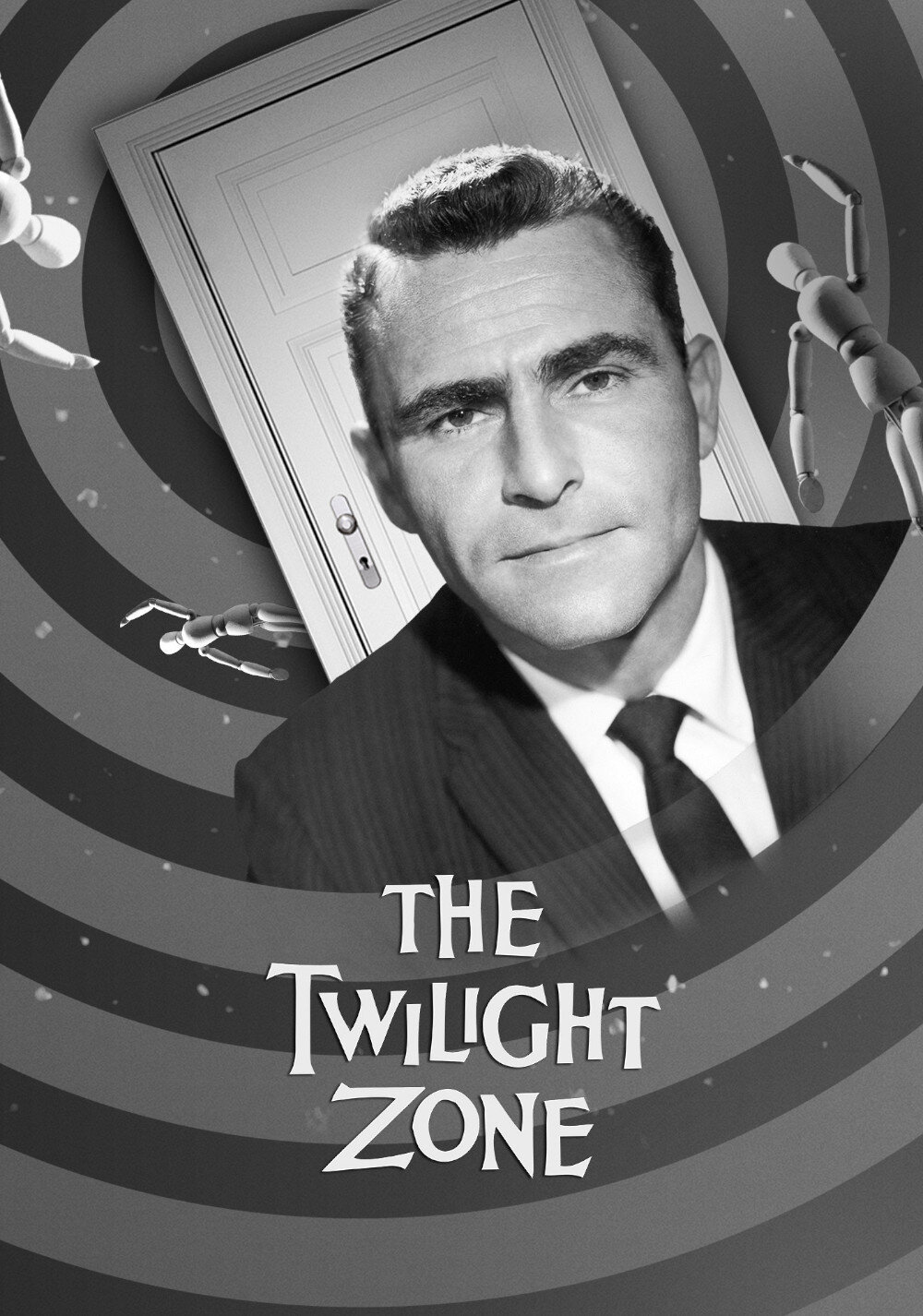
The Twilight Zone1959
Anthology series that proves psychological horror works best when grounded in recognizable life. Episodes like 'It's a Good Life' and 'The Invaders' create dread from ordinary moments twisted wrong, exactly Dead of Night's approach.
But Episodic storytelling means uneven quality. Some episodes feel dated; the twist-per-week format can feel mechanical if you're not in the mood.
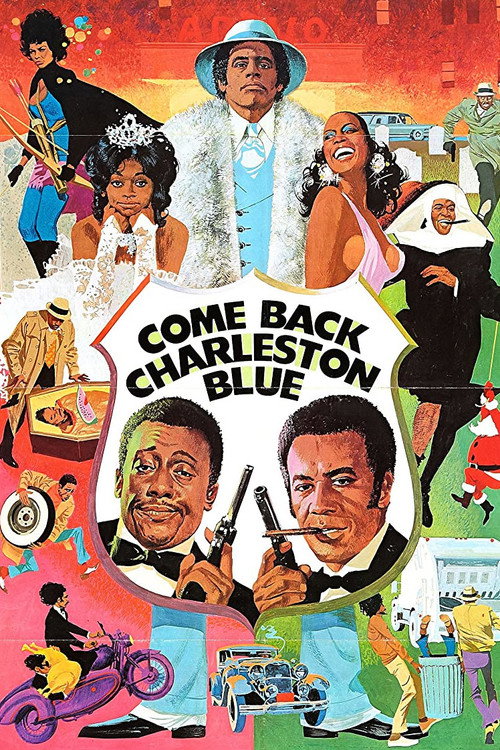
Come Back, Charleston Blue1972
Reunites Dead of Night's John Marley with similar themes of urban alienation and family fracture. A bleak, character-driven thriller about marriage and mistrust that shares the film's interest in psychological damage over spectacle.
But It's a lesser-known sequel in a series you might not care about. Pacing drags in places, and the mystery isn't particularly engaging on its own.
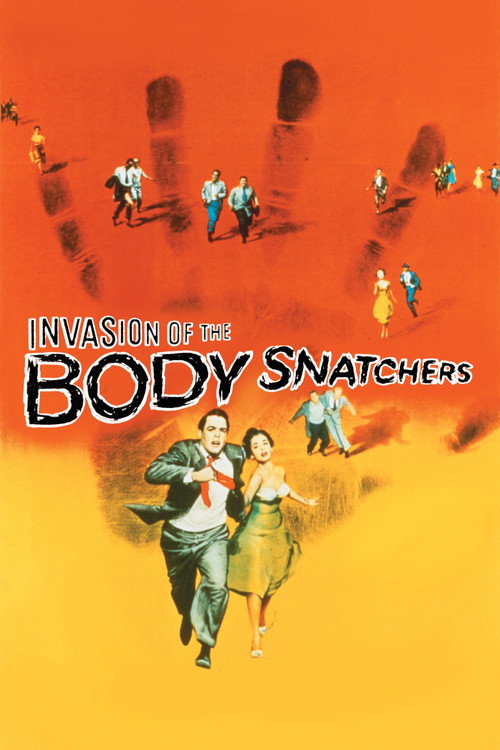
Invasion of the Body Snatchers1956
The template for 'something's wrong with someone close to you but no one believes it.' Body horror as metaphor for fear of losing loved ones to forces beyond your control—the same core anxiety Dead of Night weaponizes.
But Sci-fi paranoia can feel quaint now. Some viewers find the '50s sincerity unbearably earnest, even if the fear underneath is timeless.
Not sure tonight? Get a pick in a minute, starting from Dead of Night
The wildcard
Something you would not have found on your own.
Mulholland Drive2001
Both films treat psychological fracture and the uncanniness of the familiar as the primary horror. Dead of Night asks what happens when a loved one changes; Mulholland Drive goes further and asks whether identity itself is stable.
Lynch's fever dream about identity, Hollywood, and the horror of becoming someone other than yourself. Like Dead of Night, it's built on the premise that the person sitting next to you might be a stranger—that our sense of continuity is fragile.
But It's cryptic, three hours, and deliberately refuses to cohere. The structure is a puzzle that doesn't solve. Alienating if you need narrative clarity.

More like this (8)
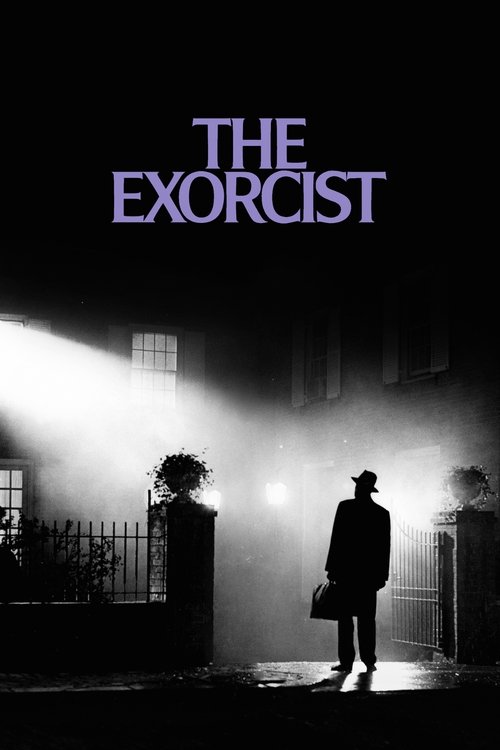
The Exorcist1973
Released a year before Dead of Night and equally committed to the idea that a familiar person made strange is the deepest horror. Both films understand that the worst thing isn't the monster—it's recognizing a stranger in someone's eyes.
But It's brutal and graphic. Long sequences of degradation might feel exploitative rather than frightening, depending on your tolerance.
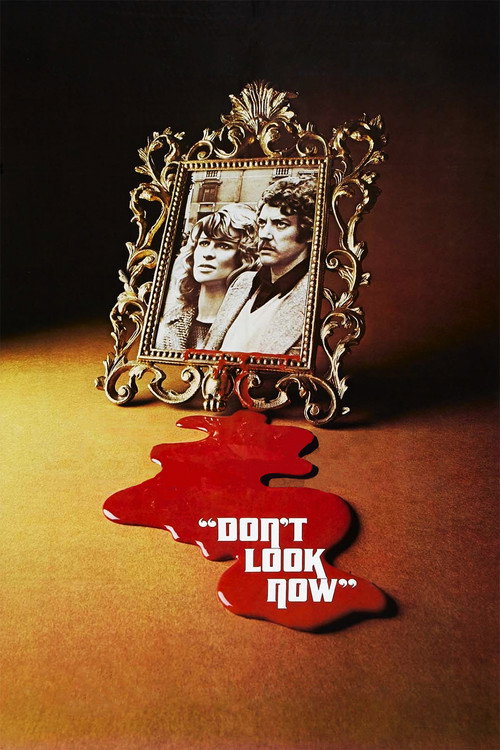
Don't Look Now1973
Nic Roeg's masterpiece of creeping dread, also from the early '70s. A couple trying to move past trauma keeps seeing signs their dead daughter is reaching out. Atmospheric and genuinely unsettling in the spaces between moments.
But The ending divides people sharply. Cryptic and deliberately obscure; some find it profound, others feel robbed of clarity.
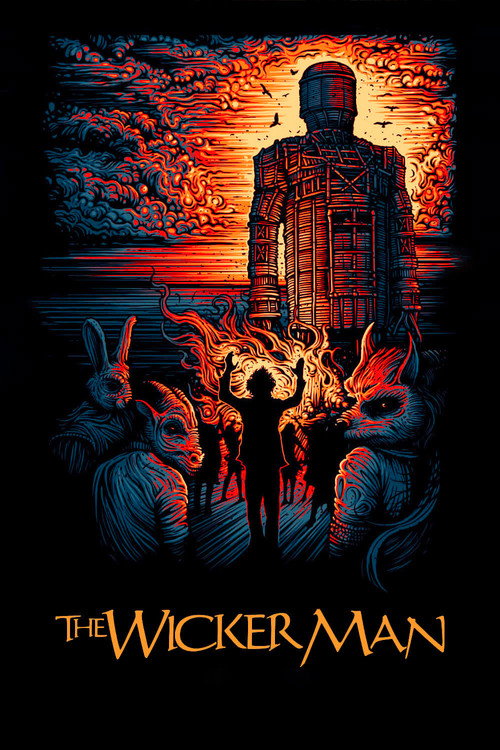
The Wicker Man1973
Folk horror that builds unease through strangeness that's never quite explained. A man arrives somewhere familiar but fundamentally wrong—the town operates on logic he can't access. Dead of Night has this same quality of systems breaking down.
But Musical sequences feel odd and can undercut the tension. The pacing is slow, and nothing you'd call 'scary' happens in a conventional sense.
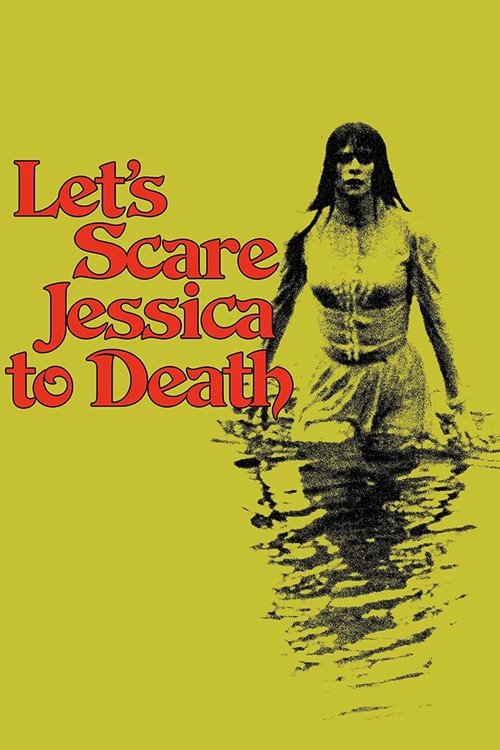
Let's Scare Jessica to Death1971
Indie horror about a woman on the edge of a psychological break, uncertain whether threats are real or her mind. Grainy, intimate, and genuinely eerie. Shares Dead of Night's interest in unreliable perception and creeping wrongness.
But It's made on almost no budget and shows it. Low production values aren't atmospheric—they're just low production, which some find distracting rather than immersive.
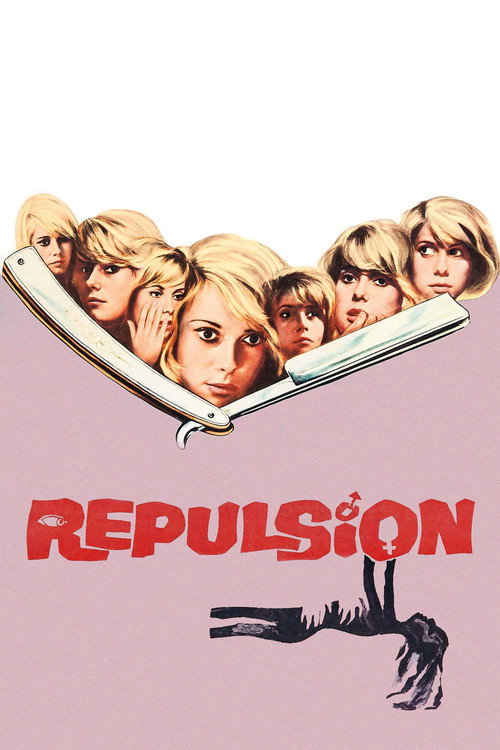
Repulsion1965
Polanski's dive into a woman's fractured mind as she descends into isolation and horror. Surreal, visceral, and genuinely disturbing. The family dynamics and deteriorating reality mirror what Dead of Night explores about psychological dissolution.
But Sexually predatory imagery and assault sequences are presented unflinchingly. It's art, but demanding; not an easy watch in any sense.
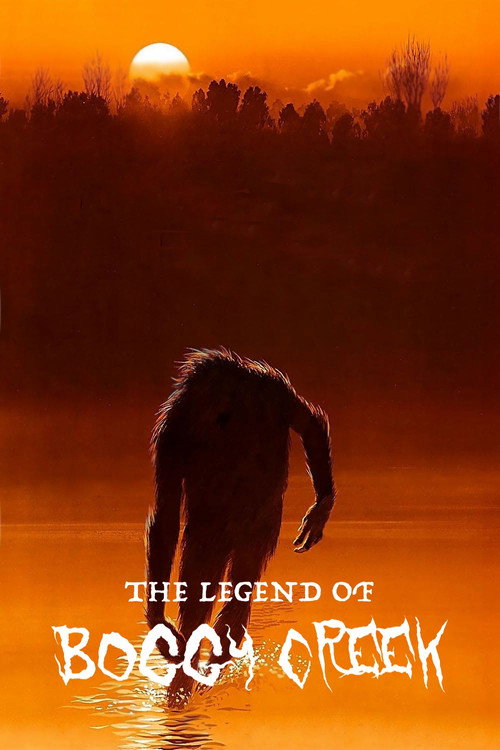
The Legend of Boggy Creek1972
A found-footage-style cryptid documentary from '72 that creates genuine atmosphere through restraint. Interviews with townsfolk, sparse evidence, the sense that something unknowable moves through familiar places. Dead of Night shares this quiet, provincial dread.
But It's slow and repetitive. If you're hoping for creature scares or plot momentum, you'll be disappointed—this is mood over incident.
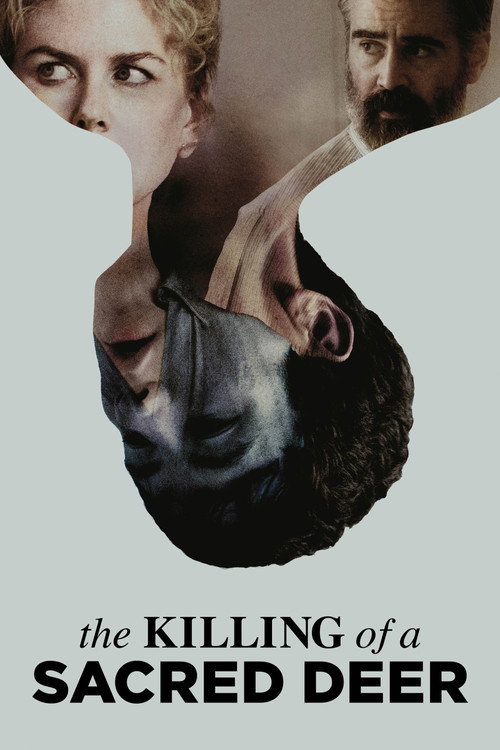
The Killing of a Sacred Deer2017
Both are films where 'something is wrong with our home' is not solved by explanation. The wrongness persists even when you understand the mechanics. Both trade jump scares for a persistent low-level dread.
Yorgos Lanthimos makes ordinary suburban life geometrically wrong. A surgeon's family is infiltrated by a silent boy; rituals harden, speech becomes stilted, nothing makes sense. Deeply unnerving precisely because it feels like a nightmare version of family dinner.
But Deliberately artificial dialogue and blocking might feel mannered. Some viewers find the distancing technique makes it hard to care. And it builds toward violence that's shocking and final.
Come and See1985
Both films center on a young person who has seen things that have remade them fundamentally. The horror isn't supernatural—it's the recognition that a person you knew is gone, replaced by someone wearing their face.
Elem Klimov's Russian masterpiece about a boy conscripted into WWII. Not horror in genre, but in effect: it documents the transformation of an innocent into someone broken by violence. Dead of Night asks what happens when war changes someone; this film shows it in excruciating detail.
But It's one of the most harrowing films ever made. Graphic violence, children in extremis, and a sense of total despair. Not a film you watch for entertainment; you watch it as a reckoning.

People
Cast
 John MarleyCharles Brooks
 Lynn CarlinChristine Brooks
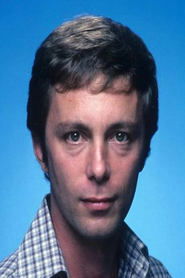 Richard BackusAndy Brooks
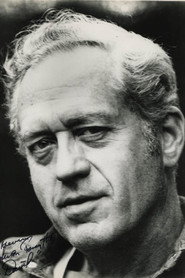 Henderson ForsytheDr. Philip Allman
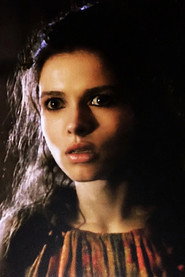 Anya OrmsbyCathy Brooks
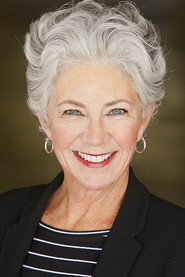 Jane DalyJoanne
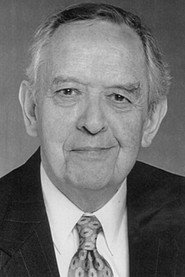 Arthur AndersonPostman
- Arthur BradleyArmy Captain
- David GawlikowskiTruck Driver
- Virginia CortezRosalie
- Bud HoeyEd
Directing
- Jeff GillenAssistant Director
- Bob ClarkDirector
- Sandra MarleyScript Supervisor
Writing
- Alan OrmsbyScreenplay
Production
- Jessica LevyCasting
- Geoffrey NethercottExecutive Producer
- Gerald Flint-ShipmanExecutive Producer
- Bob ClarkProducer
- John TrentProducer
- Peter JamesProducer
- Jamie ChastainProduction Assistant
- John "Bud" CardosProduction Manager