
Film
Cronos
- Dark fantasy
- Horror
- Very dark
Guillermo del Toro's debut is a darkly inventive horror-thriller about an old man who discovers a mechanical device promising immortality. Visually baroque and genuinely unsettling, it blends European art-horror with pulp thrills. For anyone hungry for strange, handmade cinema that takes itself seriously without losing its sense of dread.
Should you watch it?
Watch it if you like slow-burning horror where the monster is a gadget and the dread is intimate, the kind of film that lingers on textures, old workshops and quiet, creeping unease.
Skip it if you need brisk pacing or a clear sense of where the story is headed, since it takes its time building mood before the plot picks up speed.
What it asks of you: Roughly ninety-four minutes, unhurried at the start, with long quiet stretches where attention pays off in small details rather than constant shocks.
Not sure? Find tonight's pick in a minute.
If you liked this
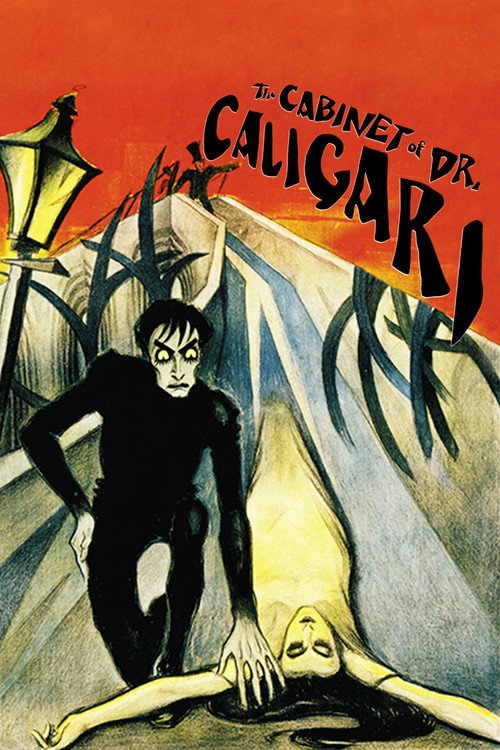
The Cabinet of Dr. Caligari1920
The granddaddy of psychological horror, with distorted sets and moral corruption that echo Cronos's obsession with forbidden knowledge and the price of ambition.
But Silent film with title cards moves slowly by modern standards, and the aesthetics demand patience and goodwill.
Possession1981
Andrzej Żuławski's unhinged masterpiece about decay, obsession, and bodily horror. Shares Cronos's willingness to make the grotesque genuinely beautiful and deeply disturbing.
But Deliberately difficult and abrasive; the performances are deliberately unbalanced and the narrative refuses clarity.

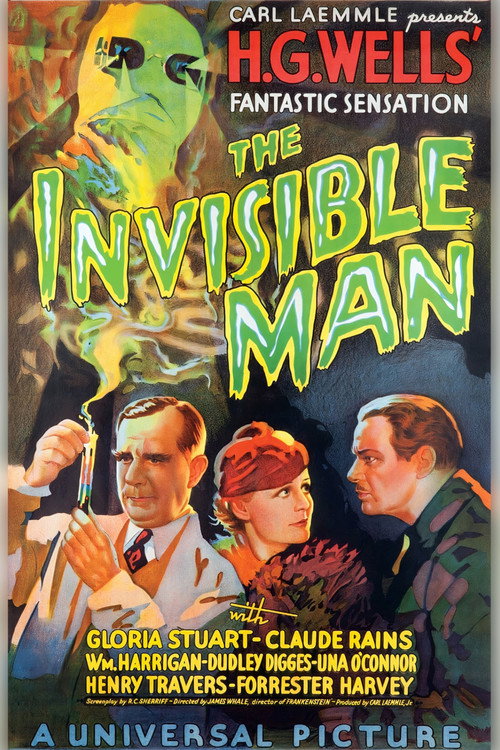
The Invisible Man1933
James Whale's classic about an inventor undone by his creation. Like Cronos, it's about genius corrupted by vanity and the monster that emerges when the line between innovation and obsession blurs.
But The comedy elements and dated effects work might undercut the horror for some viewers.
Not sure tonight? Get a pick in a minute, starting from Cronos
The wildcard
Something you would not have found on your own.
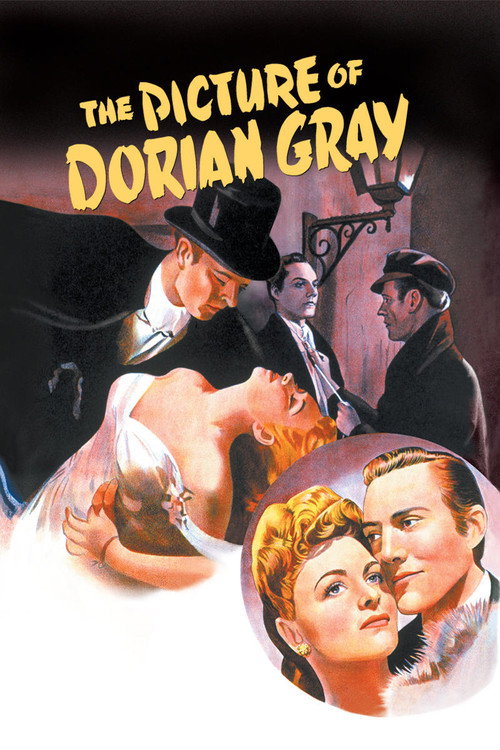
The Picture of Dorian Gray1945
Both center on a magical object that promises immortality while its user decays morally and spiritually; both flip the visual site of corruption from body to symbol.
Oscar Wilde's novella is the literary DNA of Cronos: an obsessive pursuit of eternal youth, corruption that shows on an object instead of the body, and the inevitable price of vanity. Reading it reveals how del Toro inherited and inverted a classic framework.
But It's a book, not a film, and feels like homework. The prose is deliberately artificial and the moral is explicit.
More like this (8)
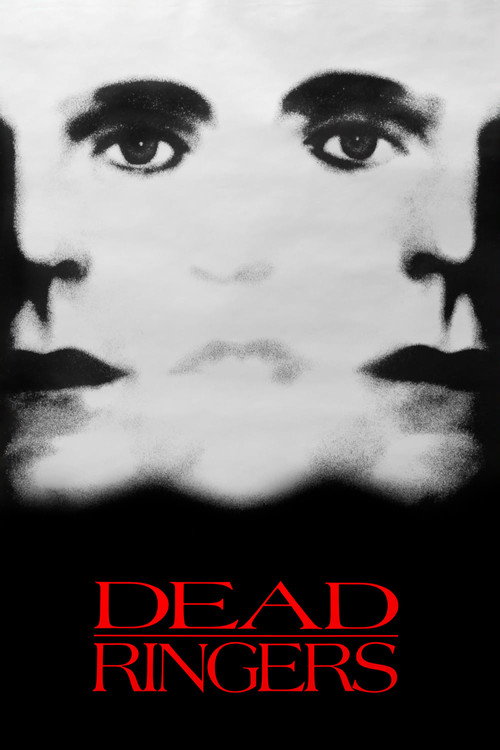
Dead Ringers1988
Cronenberg's clinical nightmare about twin gynecologists and medical horror. Shares the precise, queasy body-horror and the ice-cold atmosphere of corruption from within.
But Sexual dysfunction and medical violence are central; not for the squeamish, and deliberately affectless in tone.
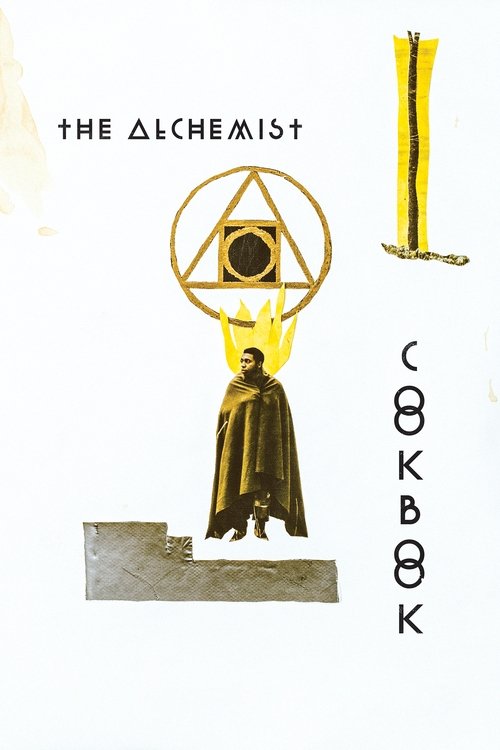
The Alchemist Cookbook2016
An American indie about a recluse pursuing occult transformation in isolation. Mirrors Cronos's premise of seeking superhuman power through esoteric knowledge, with the same slow-burn dread.
But Extremely low-budget and deliberately paced; there is almost no plot and the atmosphere is relentlessly claustrophobic.
Suspiria1977
Dario Argento's lurid masterpiece about a dance academy hiding witchcraft. Shares Cronos's commitment to visual richness, architectural strangeness, and the elegance of evil.
But Deliberately artificial and operatic; the plot is minimal and some find the style overwhelming rather than immersive.

The Addiction1995
Abel Ferrara's black-and-white vampire film as philosophy seminar. Like Cronos, it uses a parasitic transformation to explore mortality, desire, and moral corruption with intellectual weight.
But Deeply pessimistic and sometimes ponderous; the philosophical monologues will frustrate viewers wanting forward momentum.

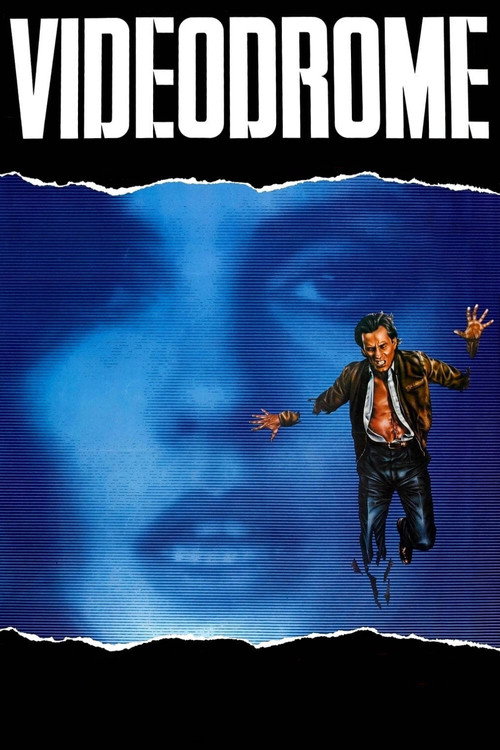
Videodrome1983
Cronenberg's fever dream about media, addiction, and bodily transformation. Matches Cronos's baroque imagery, the dread of losing control of your own body, and the seduction of forbidden knowledge.
But Deliberately disorienting and vague about what is real; the body horror is extreme and the meaning remains deliberately ambiguous.
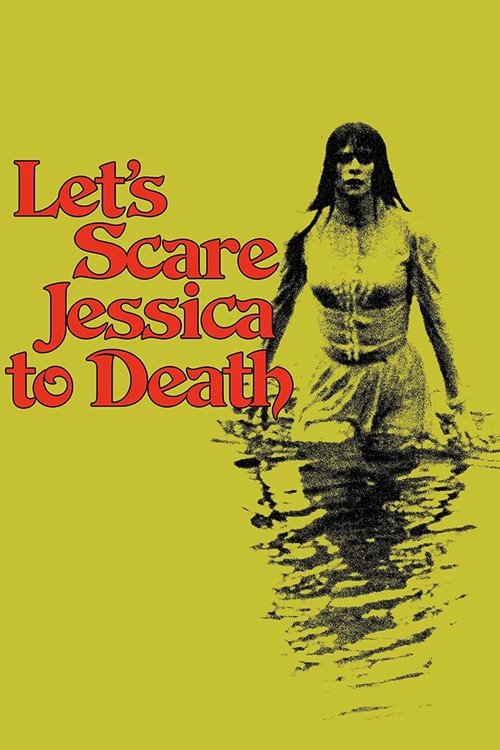
Let's Scare Jessica to Death1971
A cult folk-horror gem about psychological unraveling and parasitic influence. Shares Cronos's creeping sense of corruption and the ambiguity of whether evil is external or internal.
But Low-budget and slow, with an unsettling atmosphere that some will find boring rather than scary.
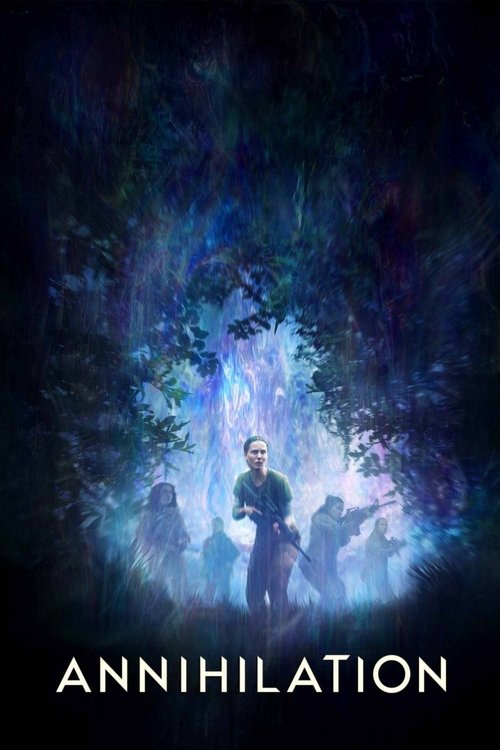
Annihilation2018
Both treat the body's transformation as beautiful and terrifying simultaneously; both use body-horror as a language for obsession and desire rather than just shock.
Alex Garland's science-fiction horror about a zone where biology is rewritten. Like Cronos, it's about transformation at the cellular level, the allure of transcendence, and the body as a site of fascinating horror rather than just fear.
But Deliberately cerebral and visual over narrative; the plot is minimal and it prioritizes mood and metaphor over character or resolution.
A Ghost Story2017
Both explore immortality as a burden rather than triumph; both are formally inventive about showing time, decay, and the weight of persistence.
David Lowery's meditative ghost story about time, loss, and the desperate grip on existence. Like Cronos, it asks whether immortality is a gift or a curse, and whether staying alive longer is worth the cost of isolation and alienation.
But Almost wordless, dreamlike pacing, and deeply melancholic. It will feel slow and distant to anyone wanting plot momentum or catharsis.

People
Cast
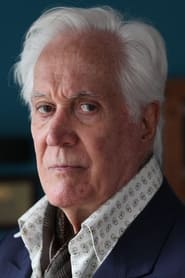 Federico LuppiJesus Gris
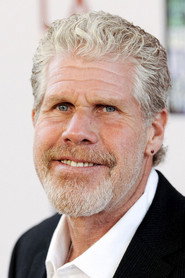 Ron PerlmanAngel de la Guardia
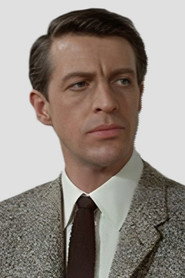 Claudio BrookDe la Guardia
 Margarita IsabelMercedes
- Tamara ShanathAurora
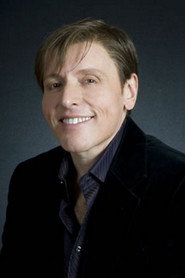 Mario Iván MartínezAlchemist

 Farnesio de BernalManuelito
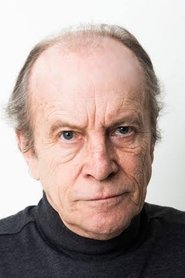 Juan Carlos ColomboFuneral Director
 Jorge Martínez de HoyosNarrator (voice)
- Javier ÁlvarezBleeding Man
- Gerardo MoscosoDrunk
Directing
- Guillermo del ToroDirector
- Batan SilvaFirst Assistant Director
- Joaquin SilvaSecond Assistant Director
Writing
- Guillermo del ToroScreenplay
Production
- Jorge SánchezAssociate Producer
- Julio Solórzano FoppaAssociate Producer
- Rafael CruzAssociate Producer
- Alejandro SpringallCo-Producer
- Bernard L. NussbaumerCo-Producer
- Francisco MurguíaCo-Producer
- Arthur GorsonProducer
- Bertha NavarroProducer