
Film
The Collector
Other titles called The Collector: the 1965 film.
- Heist
- Crime thriller
- Action
- Very dark
A stylish home-invasion thriller that locks you in a house with two criminals and an architect of death. The Collector turns a burglary gone wrong into a nasty puzzle-box of escalating violence and ingenuity. It's lean, mean, and genuinely interested in the mechanics of its own cruelty—less jump-scare horror, more sustained dread.
If you liked this
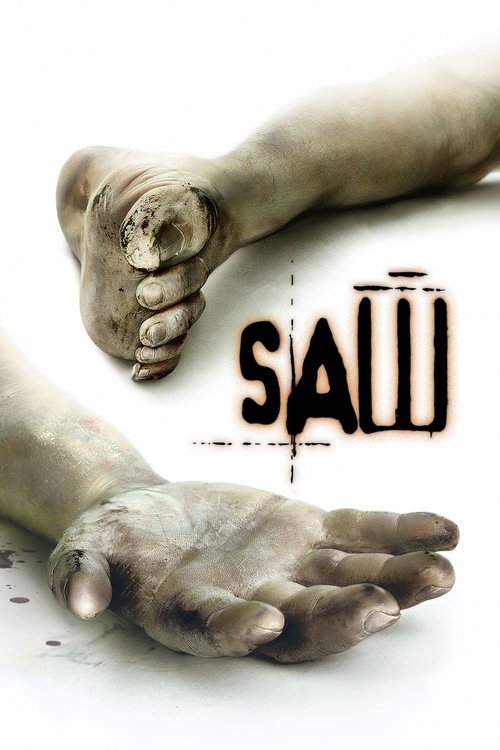
Saw2004
The spiritual template: a killer who designs tests, victims forced to solve their way out, and the grim logic of watching intelligent people think under pressure. It has weight and purpose.
But The torture-porn label stuck for a reason. Some of the kills are graphic enough to feel like the point rather than a consequence.
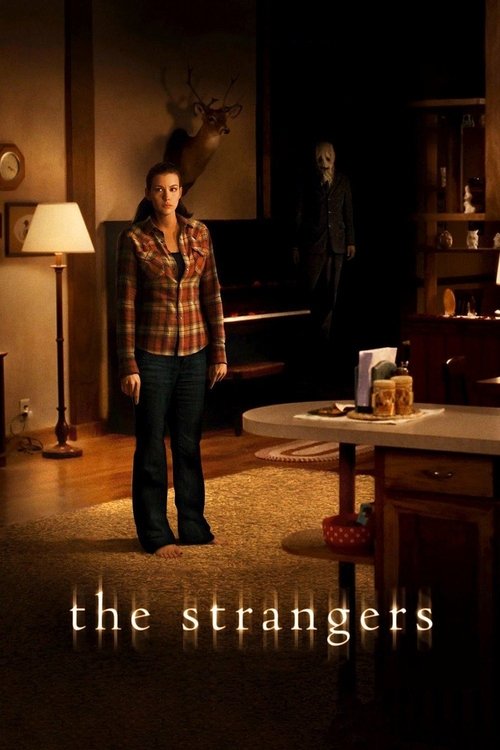
The Strangers2008
Strangers invade a home; the setup is familiar, but the execution finds real terror in ordinariness. Masterful use of silence and the knowledge that survival is genuinely uncertain.
But It's slower and more atmospheric than The Collector. If you want constant momentum, this will feel like waiting.
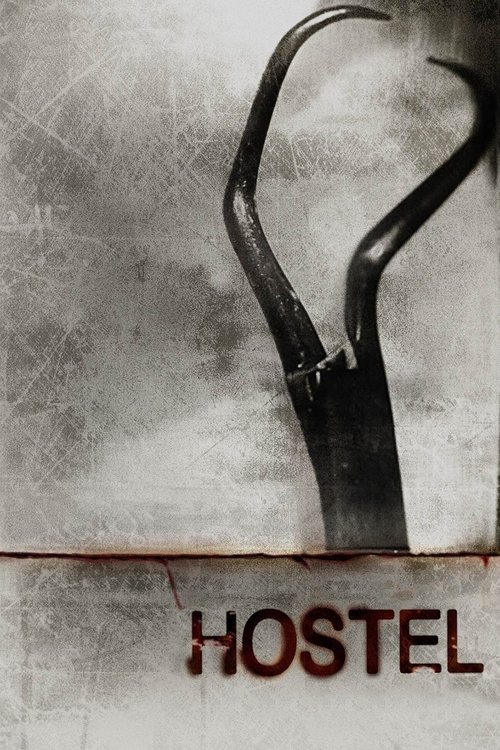
Hostel2006
Another maze of violence where the character has to think to survive. Eli Roth builds dread from geography—the idea that every room could be a problem—much like The Collector does.
But The middle section is essentially a travelogue before the traps arrive. It sprawls when you want focus.
Not sure tonight? Get a pick in a minute, starting from The Collector
The wildcard
Something you would not have found on your own.
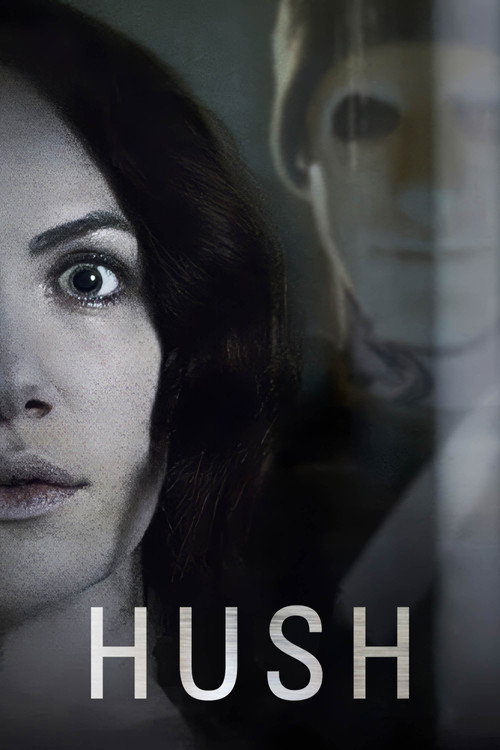
Hush2016
Both films treat the home as a character and a weapon. Both rely on spatial intelligence and the victim using environment against the attacker. Both understand that the best trap is the one the victim doesn't see coming.
A deaf writer trapped in her smart home with an intruder. Like The Collector, it's a cat-and-mouse game played out through the house's geography and its systems. The silencing of sound becomes the film's greatest asset.
But It's a home-invasion film, and that subgenre lives or dies by believability. Some will find the intruder's behavior inconsistent—he could escape but doesn't, which strains credibility.
More like this (8)
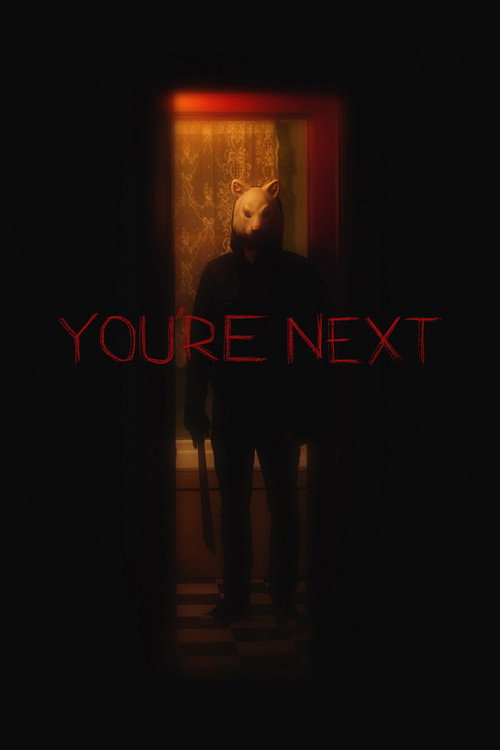
You're Next2013
A home-invasion film where the victim turns the house itself into a weapon. Smart, funny, brutal—and it respects the intelligence of both the attackers and the person defending.
But The tonal shift from horror to dark comedy won't land for everyone. Some find it clever; others find it arch.
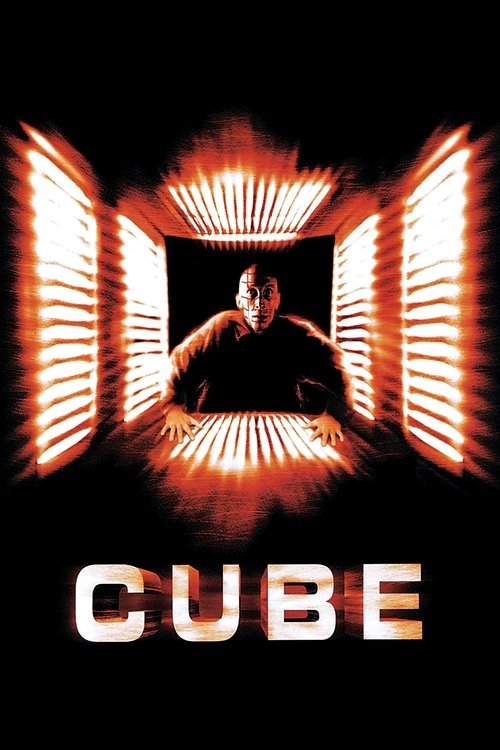
Cube1998
Strangers trapped in a maze of rooms, each with different traps, forced to pool their skills to survive. Low budget, high concept, endlessly inventive about how a space can kill.
But Made in the '90s on a shoestring. The visuals are dated and the dialogue occasionally clunky. You have to work with it.
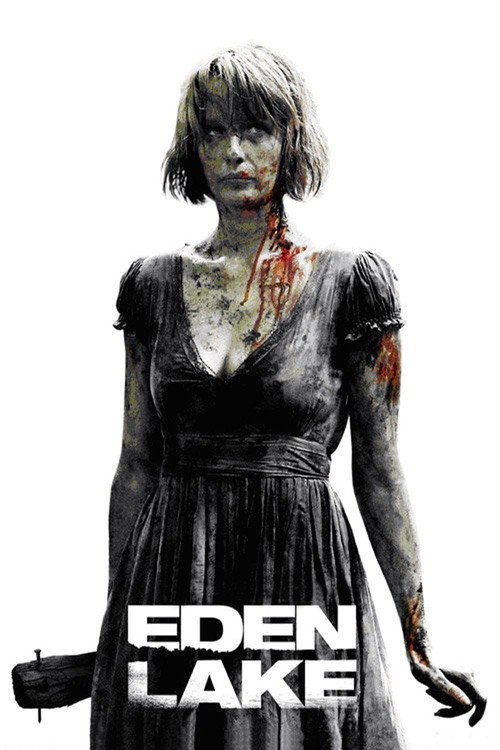
Eden Lake2008
A couple hunted through their own property. The Collector has more style, but Eden Lake has more raw brutality—it's unsparing and claustrophobic in a way that lingers.
But It's bleak without much catharsis. The ending won't give you the release you might want after two hours of suffering.
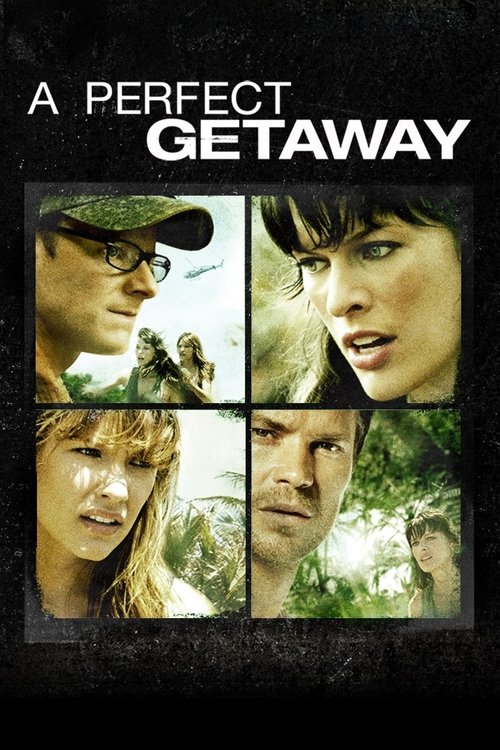
A Perfect Getaway2009
Honeymoon couple in Hawaii during a murder spree. It plays with unreliability and misdirection in ways that reward attention. Genuinely twisty without feeling cheap.
But It leans into pulp excess. Some moments tip into absurdity. If you want believability, look elsewhere.
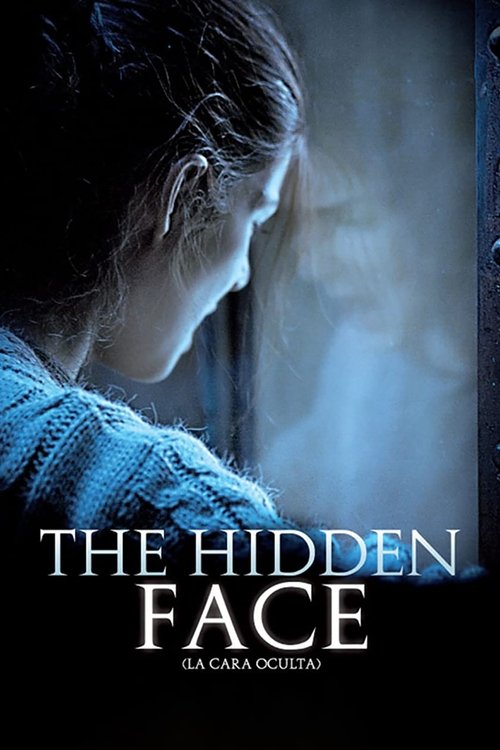
The Hidden Face2011
A thriller that genuinely surprises by restructuring what you thought you were watching. The way it uses time and perspective is elegant and sneaky—made me want to restart it immediately.
But The first half moves slowly before the twist lands. Some will find it tedious; others will find that deliberation essential.
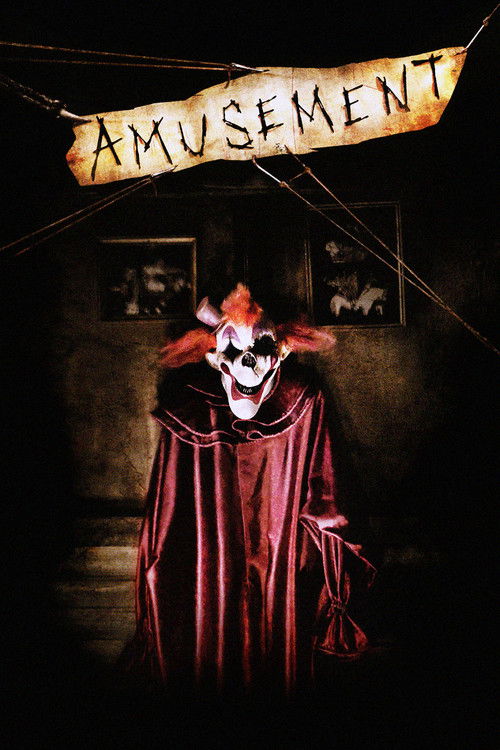
Amusement2008
Three women terrorized by a single killer across different scenarios. It's lean, visceral, and genuinely unsettling. The killer's motivation is almost secondary to the pure craft of stalking.
But It's more sensation than story. The narrative connective tissue is thin, and some scenes feel designed for shock value alone.
Martyrs2008
Both films ask what violence means when it's methodical rather than chaotic. The Collector's traps and Martyrs' ordeal are both systems of meaning. Both are interested in how cruelty can be deliberate, architectural, almost artistic.
French extremity cinema at its most uncompromising. A film about violence that actually has something to say about suffering and meaning. It commits to its questions even when the answers are unbearable.
But This is severe. The body horror is relentless. It's not a thriller with scares; it's a philosophical interrogation conducted through trauma. Many will find it unwatchable, and that's the point.

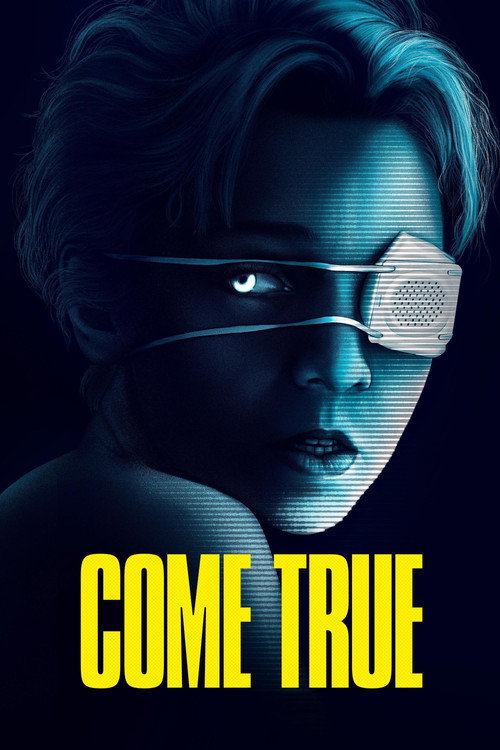
Come True2020
The Collector presents a trap as a puzzle to solve; Come True presents consciousness itself as a trap. Both films are interested in the architecture of a nightmare—the logic of spaces designed to contain and test. Both trust you to sit with discomfort rather than release it.
A teenager joins a sleep study and enters a nightmare logic that feels both dreamlike and terrifyingly real. The visual design is hypnotic—practical and digital effects blended until you can't tell which is which.
But It's slow-burn and abstract. There's no conventional plot, no clear antagonist. If you want narrative clarity, this will frustrate you. It trades answers for atmosphere.
People
Cast
 Josh StewartArkin
 Juan FernándezThe Collector
 Michael Reilly BurkeMichael Chase
 Madeline ZimaJill Chase
 Andrea RothVictoria Chase
 Karley Scott CollinsHannah Chase
 Daniella AlonsoLisa
 Haley PullosCindy
 Diane Ayala GoldnerGena Wharton
 Alex FeldmanChad
- Krystal MayoBar Dancer
Directing
- Marcus DunstanDirector
- Alisa FredericksFirst Assistant Director
- Kristina PerezScript Supervisor
- Ben LeDouxSecond Assistant Director
- Tom GulagerSecond Unit Director
Writing
- Marcus DunstanWriter
- Patrick MeltonWriter
Production
- Scott WillmannAccountant
- Monika MikkelsenCasting
- Ryan GloriosoCasting
- Gene VassilarosCasting Associate
- Courtney BalakerCo-Producer
- Charles DavidsonExecutive Producer
- Jennifer MonroeExecutive Producer
- Mickey LiddellExecutive Producer
- Andrei ConstantinescuExtras Casting Coordinator
- Aaron AskewFirst Assistant Accountant
- Korey BuddLocation Manager
- Amy OstrowerPost Production Accountant
- Jennifer M. ByrnePost Production Accountant
- Brett ForbesProducer
- Julie RichardsonProducer
- Patrick RizzottiProducer
- Scott WillmannProduction Accountant
- Sean GowrieProduction Supervisor
Recommended by
Trapped, ChromeSkull: Laid to Rest 2, The Basement, ATM, Saw III